The Night They Took Emmett Till
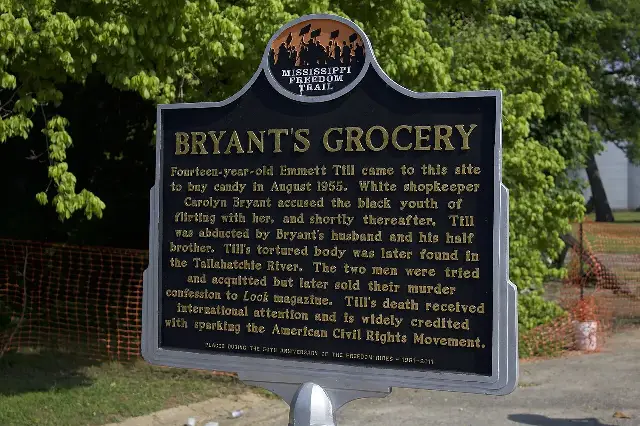
On August 28, 1955, 14-year-old Emmett Till was abducted from his great-uncle's Mississippi home — a murder that would galvanize the civil rights movement.


On August 28, 1955, 14-year-old Emmett Till was abducted from his great-uncle's Mississippi home — a murder that would galvanize the civil rights movement.
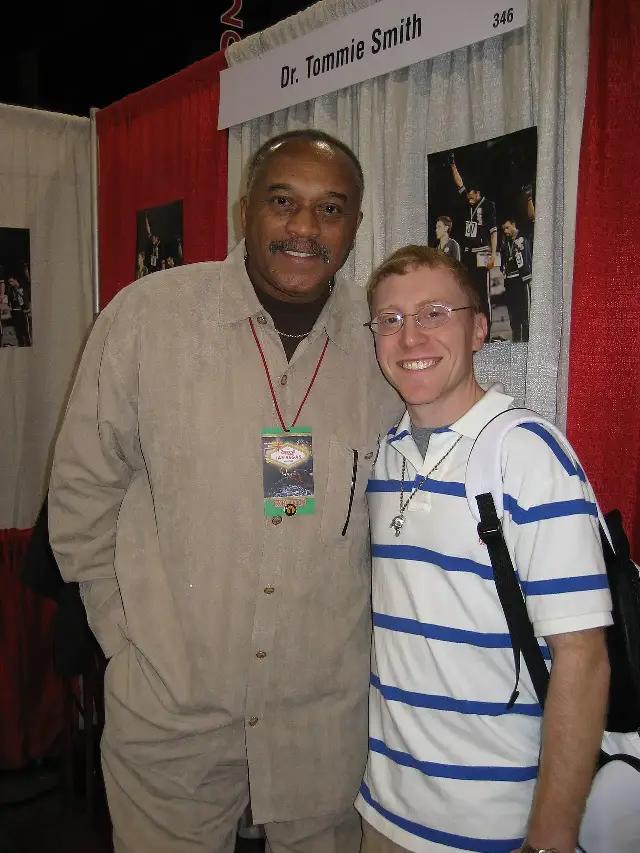
On October 18, 1968, the United States Olympic Committee expelled Tommie Smith and John Carlos for their silent protest against racism on the medal podium.
On January 22, 1973, the U.S. Supreme Court ruled 7–2 that the Constitution protects a woman's right to choose an abortion, a landmark that stood for nearly 50 years.
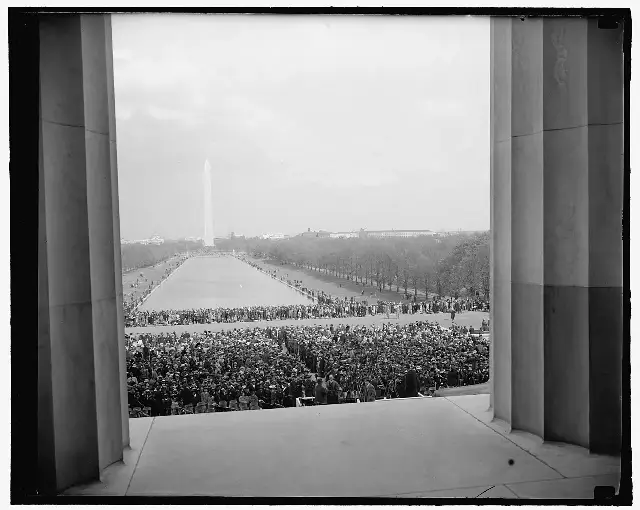
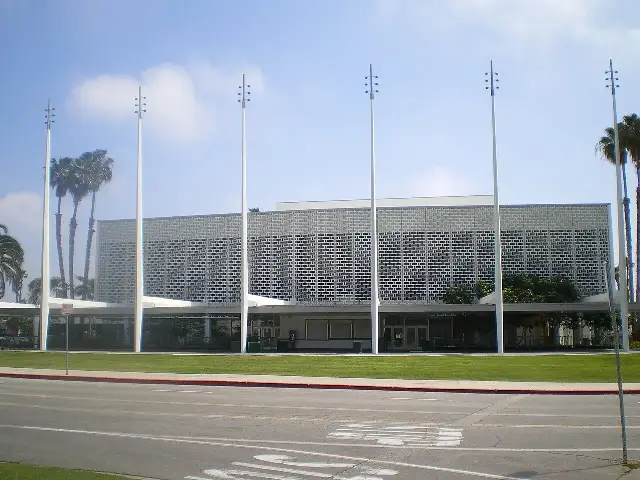
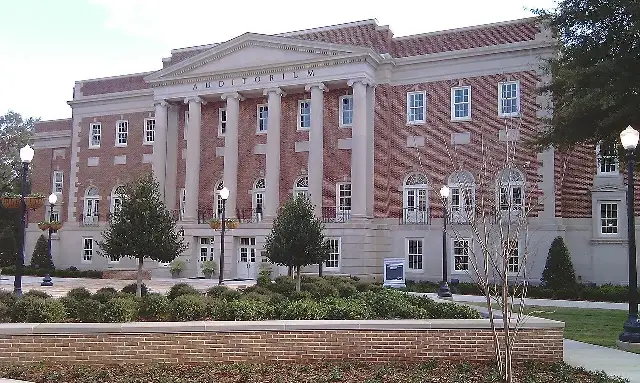
On Easter Sunday, April 9, 1939, contralto Marian Anderson sang before 75,000 people at the Lincoln Memorial after the DAR barred her from Constitution Hall because she was Black.
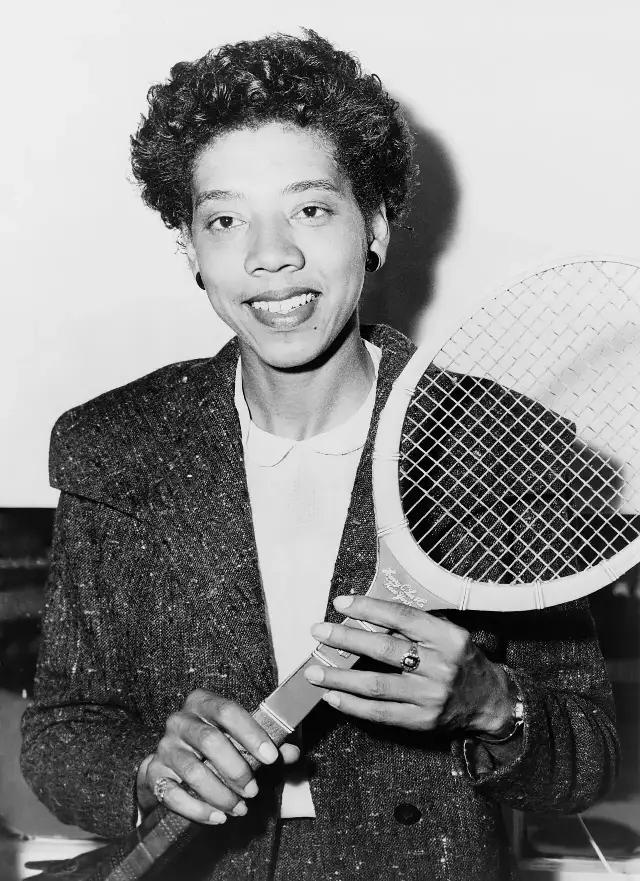
On July 6, 1957, Althea Gibson beat Darlene Hard 6–3, 6–2 to become the first Black champion in Wimbledon's 80-year history.
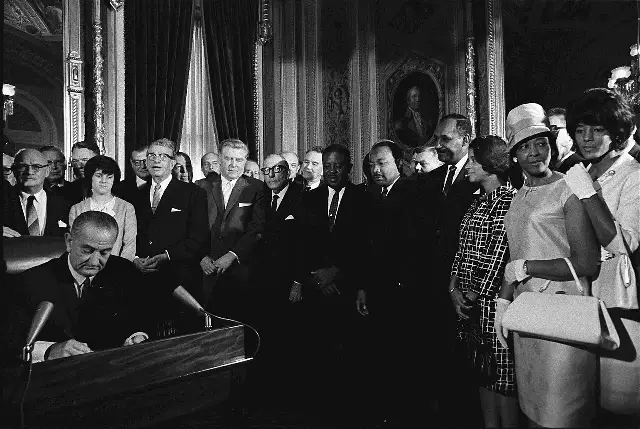
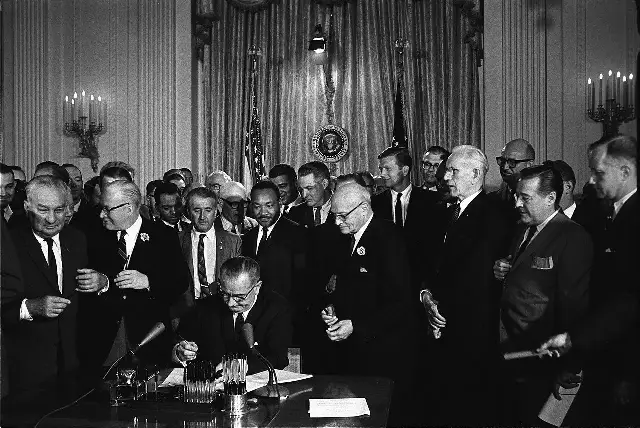
On August 6, 1965, President Lyndon Johnson signed the Voting Rights Act into law, outlawing the literacy tests and poll taxes used to keep Black Americans from voting.
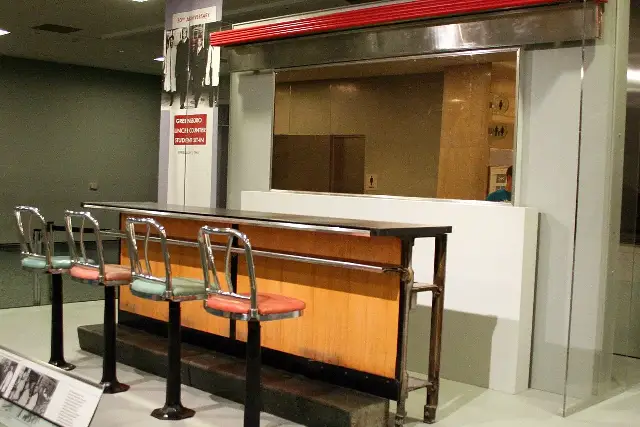
On February 1, 1960, four Black college freshmen sat down at a segregated Woolworth's lunch counter in Greensboro, North Carolina, and sparked a protest movement that helped end legal segregation in America.
On April 13, 1964, Sidney Poitier became the first Black man to win the Academy Award for Best Actor — for Lilies of the Field — cracking open Hollywood's most exclusive door.
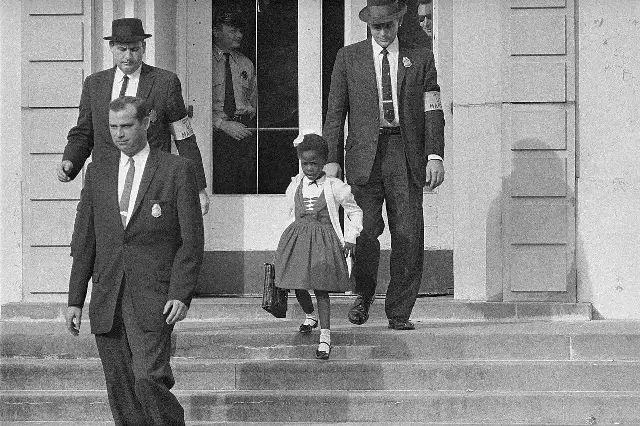
On November 14, 1960, six-year-old Ruby Bridges walked into William Frantz Elementary in New Orleans escorted by federal marshals — and desegregated a school alone.
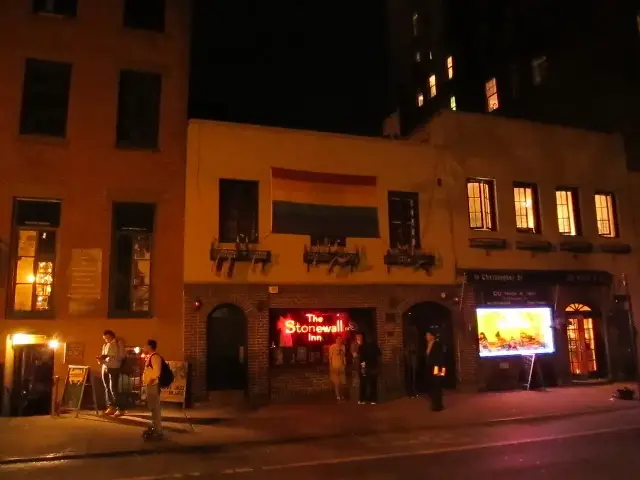
In the early hours of June 28, 1969, a routine police raid on a Greenwich Village gay bar became the uprising that launched the modern LGBTQ rights movement.
On April 4, 1968, Dr. Martin Luther King Jr. was shot and killed on the balcony of the Lorraine Motel in Memphis, where he had come to support striking sanitation workers.
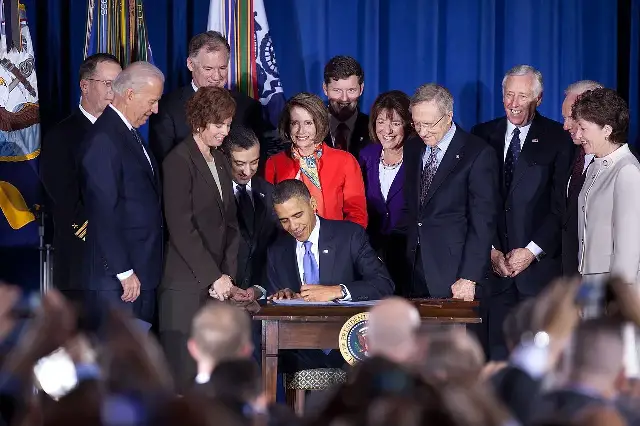
On December 22, 2010, President Barack Obama signed the repeal of 'Don't Ask, Don't Tell,' ending the ban on openly gay service in the U.S. military.
On May 19, 1925, Malcolm Little was born in Omaha, Nebraska — the boy who would become Malcolm X, one of the most powerful and challenging voices of the civil rights era.
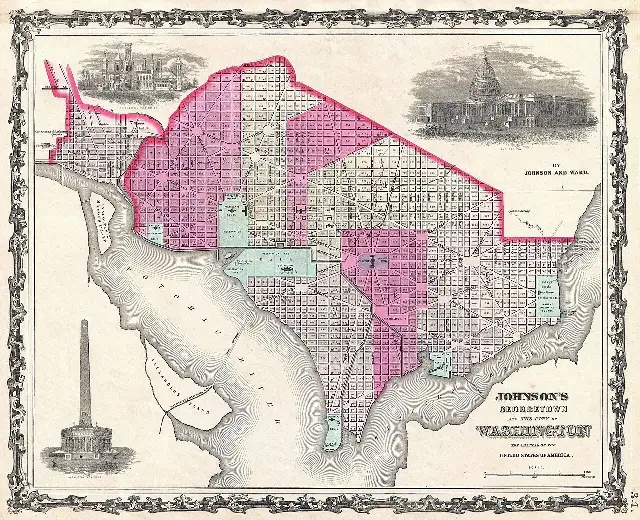
On April 16, 1862 — nine months before the Emancipation Proclamation — Lincoln signed the act that freed some 3,100 enslaved people in Washington, D.C.
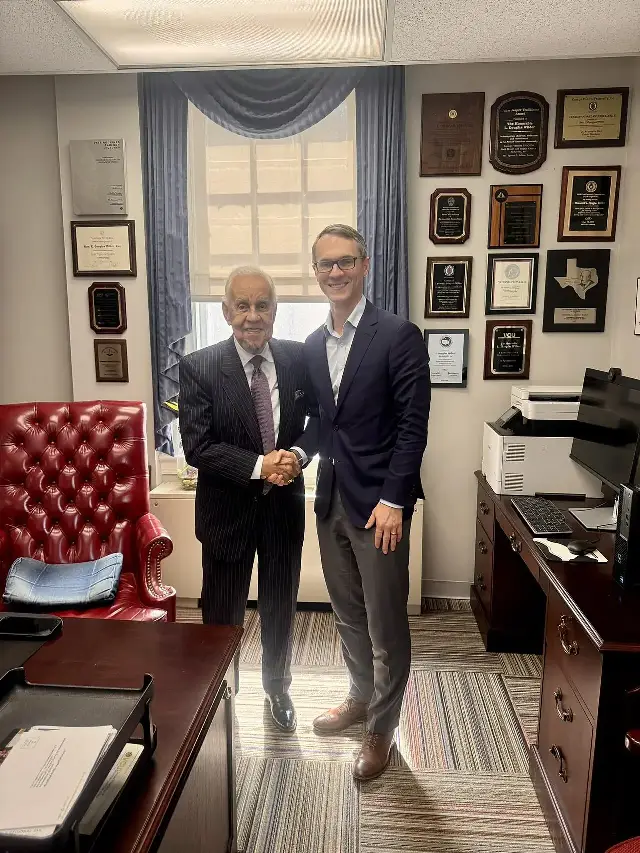
On January 13, 1990, L. Douglas Wilder was sworn in as Virginia's governor, becoming the first elected African-American governor in American history.
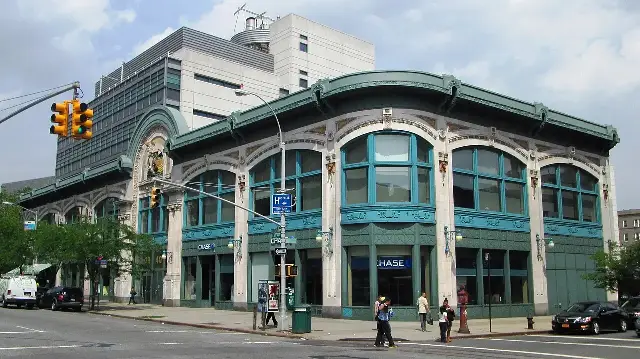
On February 21, 1965, the civil rights leader Malcolm X was gunned down in New York's Audubon Ballroom as he prepared to address his new movement.
On June 23, 1972, President Nixon signed Title IX — 37 words banning sex discrimination in education that would revolutionize women's sports and schooling.
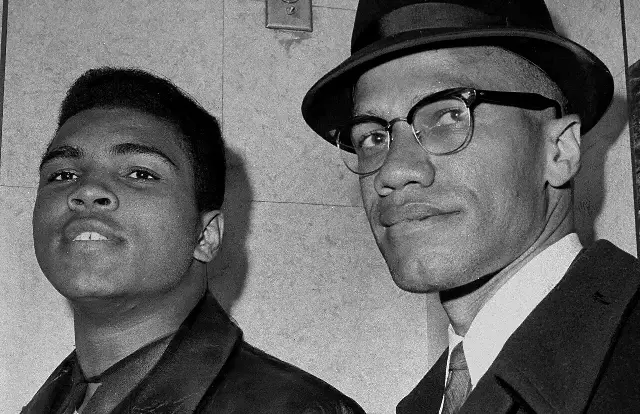
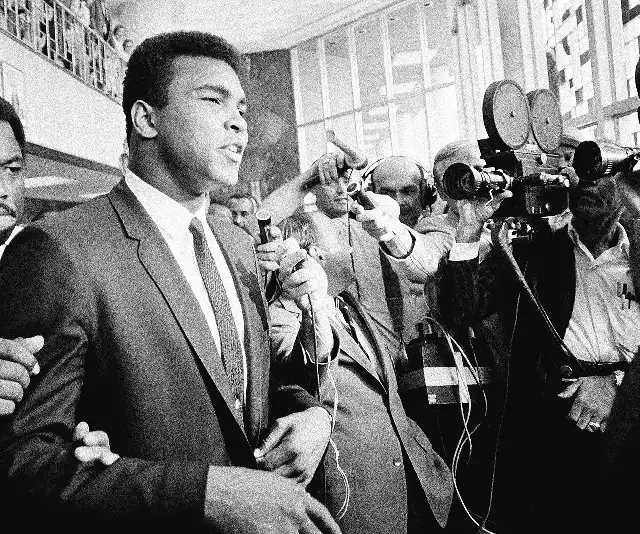
On April 28, 1967, heavyweight champion Muhammad Ali refused induction into the U.S. Army, sacrificing his title, his career, and his freedom for his beliefs.
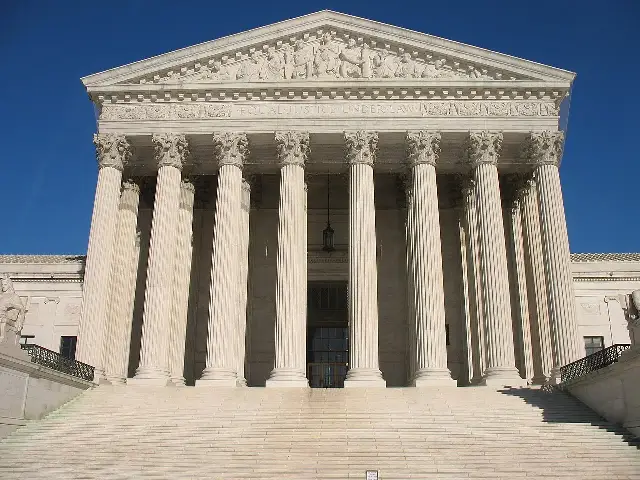
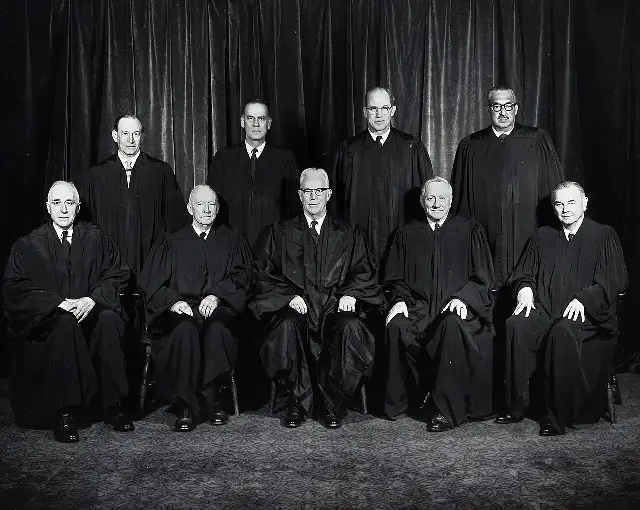
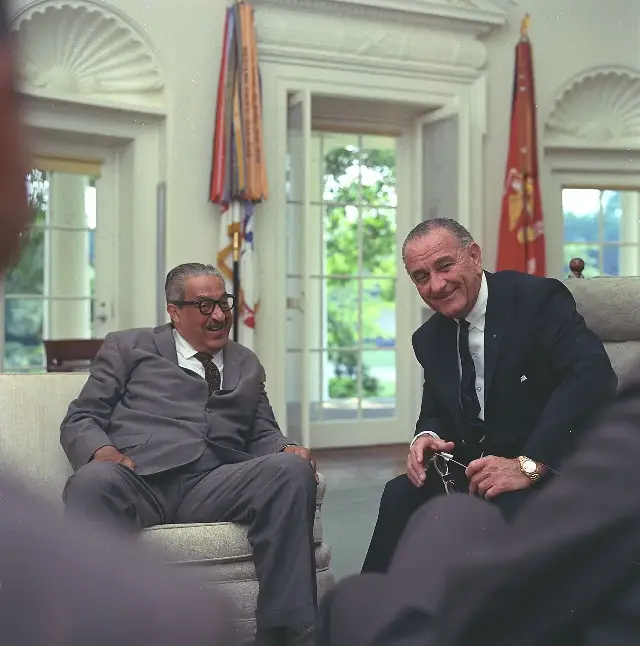
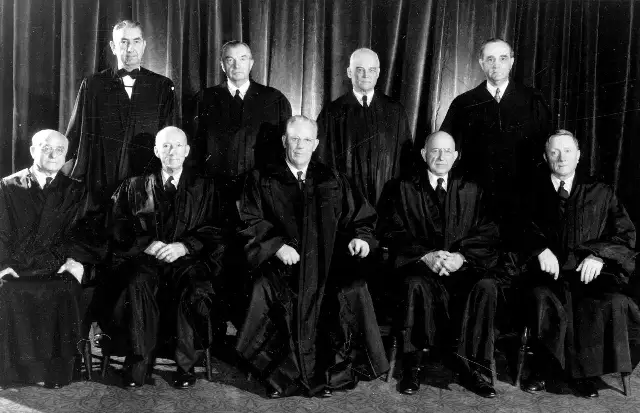
On August 30, 1967, the Senate confirmed Thurgood Marshall 69–11, making him the first Black justice in Supreme Court history.
On October 2, 1967, Thurgood Marshall was sworn in as the first Black justice of the U.S. Supreme Court — the great-grandson of an enslaved man, now the Court's 96th justice.
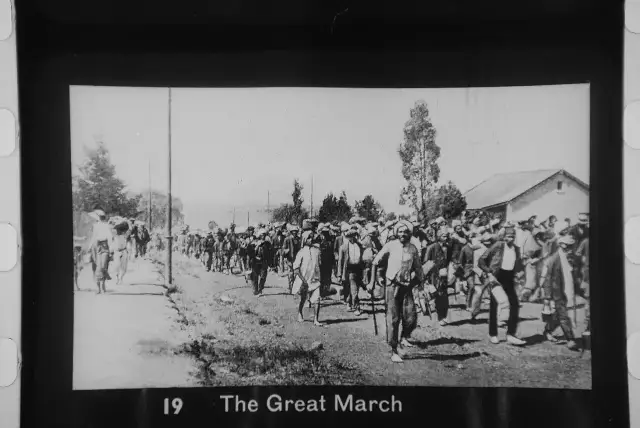
On November 6, 1913, Mahatma Gandhi led more than 2,000 Indian miners, women, and children on a protest march into the Transvaal — and was arrested for crossing without permits.
On March 21, 1965, thousands set out from Selma to Montgomery under federal guard — the march that forced America to guarantee the vote.
On June 19, 1964, after a 60-day filibuster, the U.S. Senate passed the Civil Rights Act 73 to 27, outlawing segregation and employment discrimination.
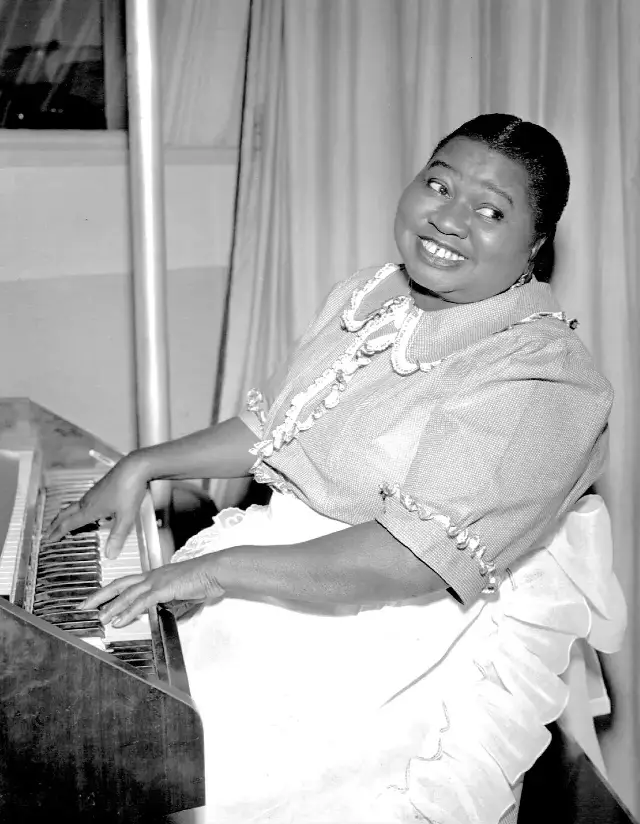
On February 29, 1940, Hattie McDaniel won Best Supporting Actress for Gone with the Wind — becoming the first Black performer ever to win an Academy Award, on a night she spent at a segregated table.
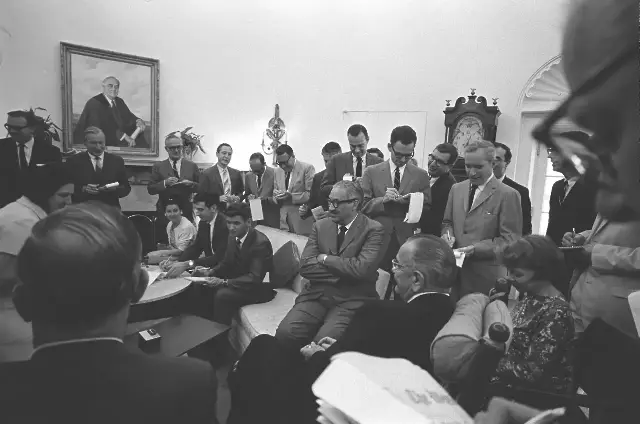
On June 13, 1967, President Lyndon Johnson nominated Thurgood Marshall to the Supreme Court, putting the first Black justice on America's highest court.
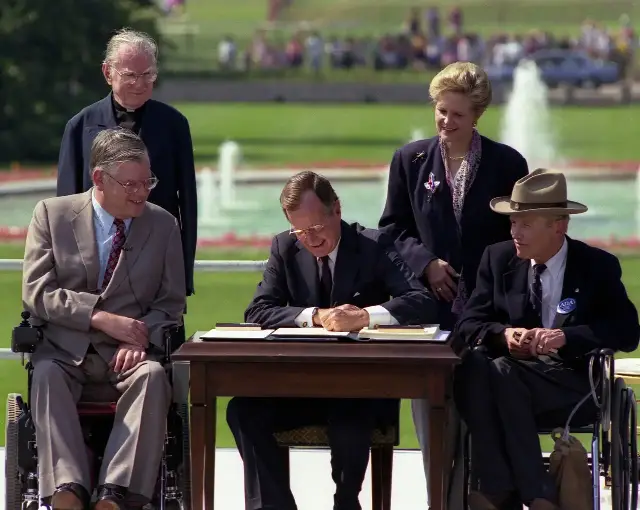
On July 26, 1990, more than 2,000 disability-rights advocates watched President George H. W. Bush sign the Americans with Disabilities Act into law.
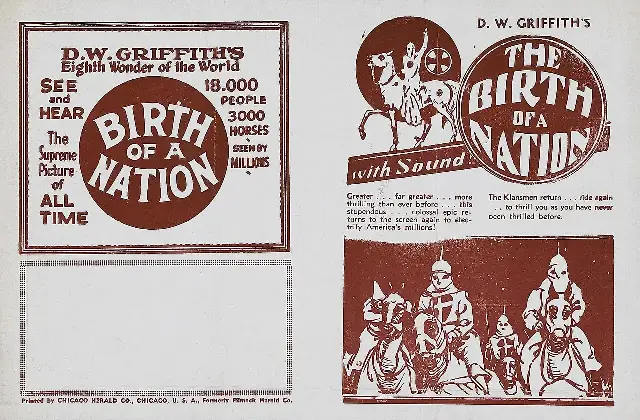
On February 8, 1915, D.W. Griffith's The Birth of a Nation premiered in Los Angeles, revolutionizing cinema while spreading racist propaganda.
On June 8, 1968, James Earl Ray's two-month flight from justice ended at London's Heathrow Airport when a ticket agent spotted his alias on a police watchlist.
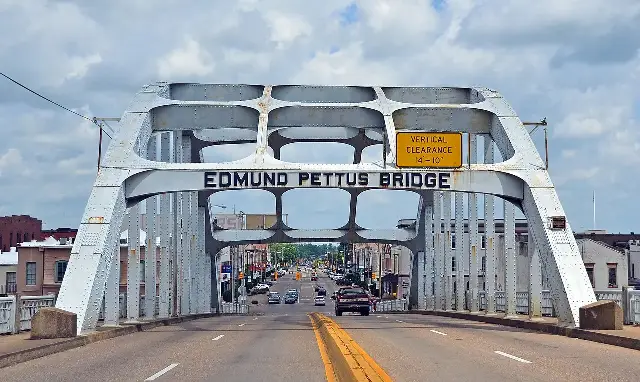
On March 7, 1965, peaceful marchers were beaten on Selma's Edmund Pettus Bridge — and the nation answered with the Voting Rights Act.
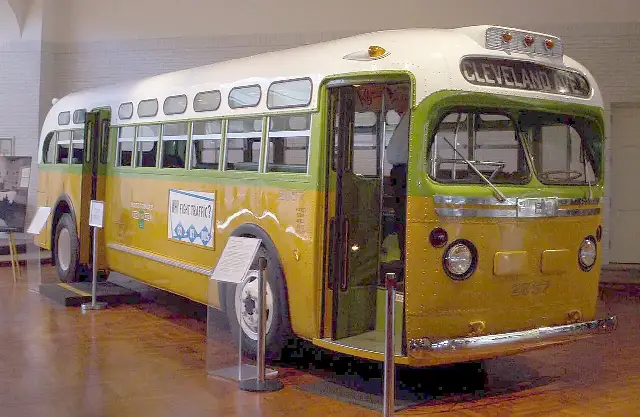
On December 5, 1955, Montgomery's Black residents stayed off the city's buses — and a 26-year-old preacher named Martin Luther King Jr. found his voice.
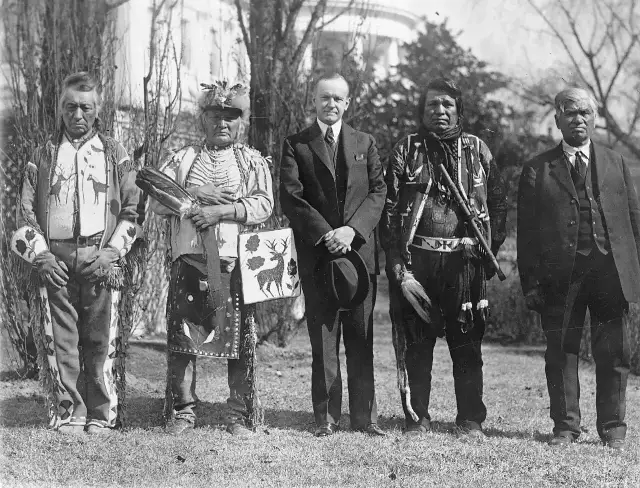
On June 2, 1924, President Calvin Coolidge signed the Indian Citizenship Act, granting U.S. citizenship to all Native Americans born in the country.
Born Michael King Jr. on January 15, 1929, in Atlanta, Georgia, Martin Luther King Jr. would grow up to lead the American civil rights movement with nonviolence.
On August 30, 1983, Guion 'Guy' Bluford launched aboard Challenger's STS-8 mission, becoming the first African American in space.
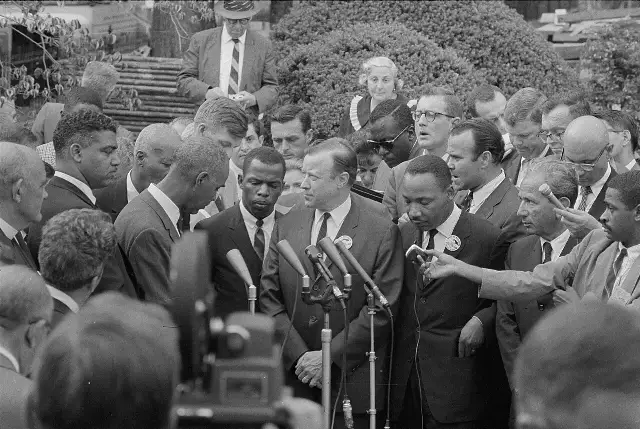
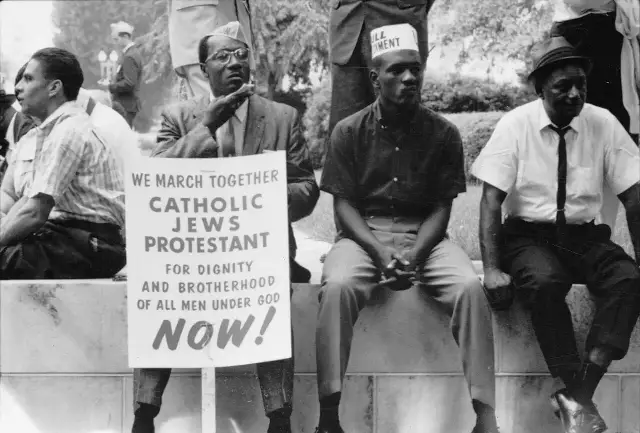
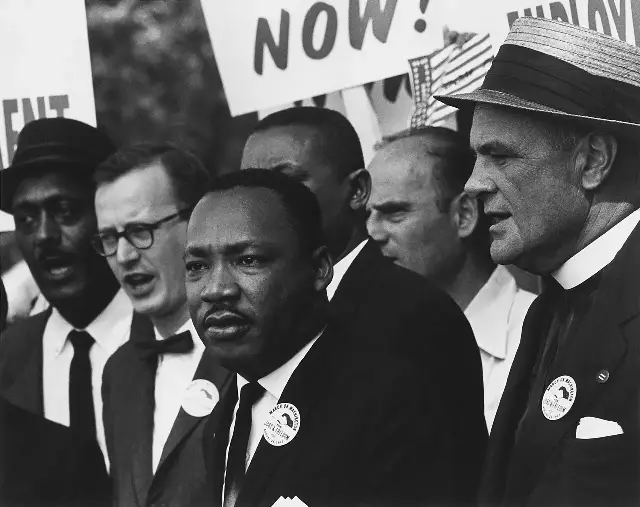
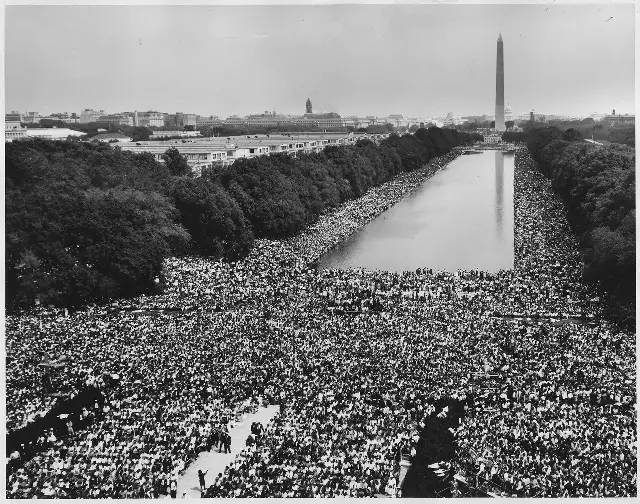
On August 28, 1963, a quarter of a million people filled Washington, D.C., for the March on Washington, where Martin Luther King Jr. delivered his 'I Have a Dream' speech.
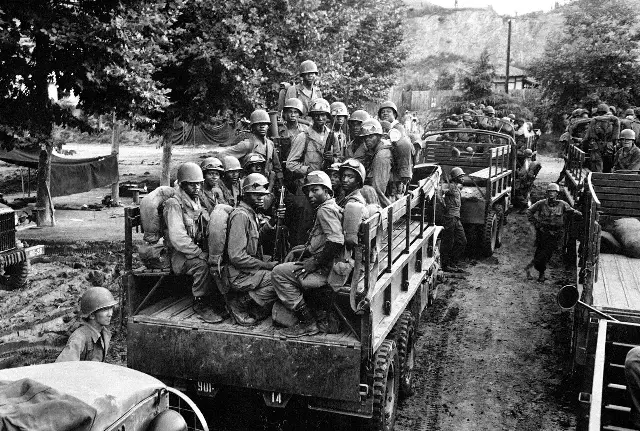
On July 26, 1948, President Truman signed Executive Order 9981, ending official segregation in the U.S. armed forces — and the Korean War would prove it worked.
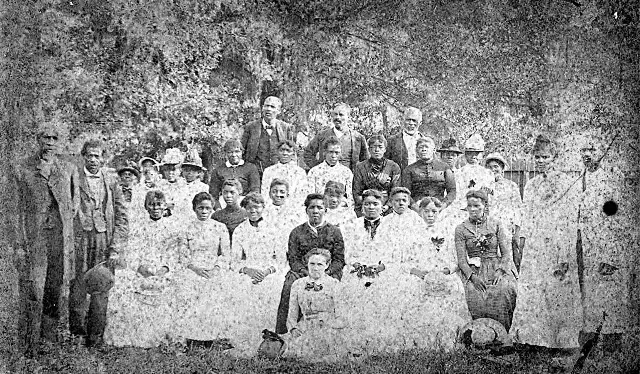
On June 19, 1865, Union troops issued General Order No. 3 in Galveston, Texas, finally enforcing emancipation there — the event now celebrated as Juneteenth.
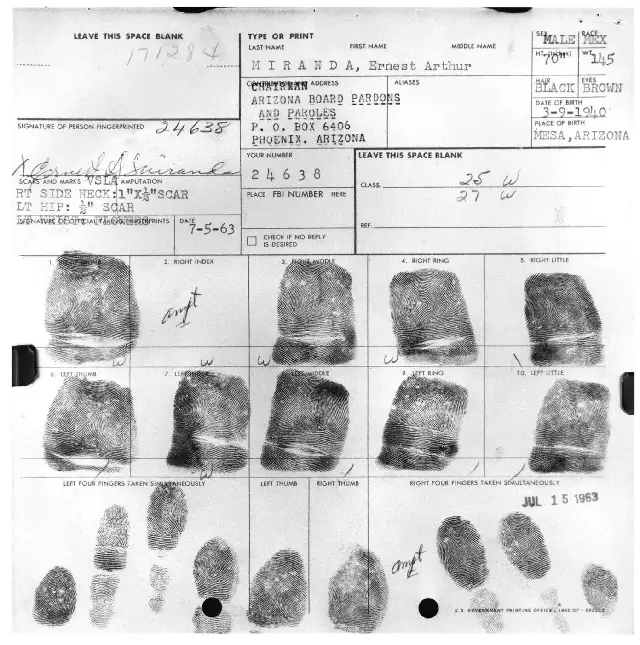
On June 13, 1966, the Supreme Court ruled that police must warn suspects of their rights before questioning — the origin of the words 'you have the right to remain silent.'
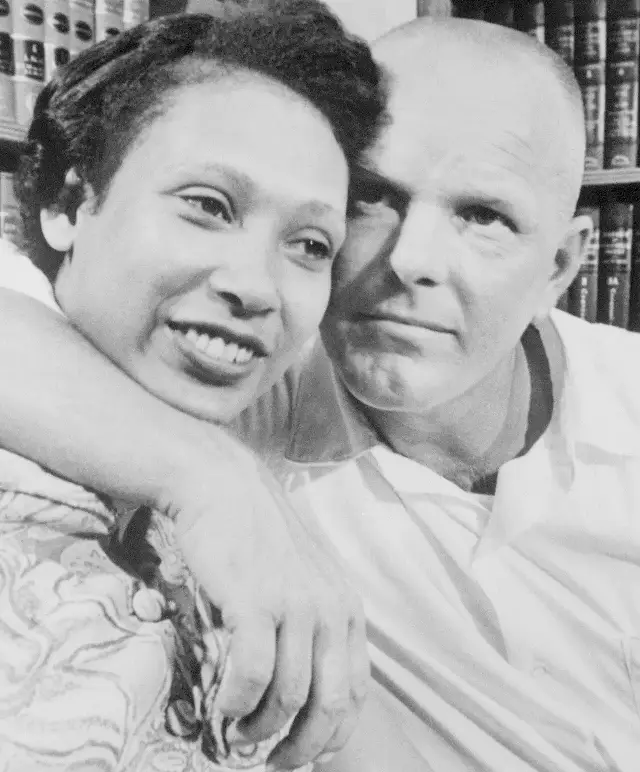
On June 12, 1967, the Supreme Court unanimously struck down every state law banning interracial marriage, freeing the Lovings of Virginia and millions of couples to come.
On June 11, 1963, Alabama's governor blocked two Black students from registering at the University of Alabama — and that night President Kennedy called civil rights a moral issue on TV.
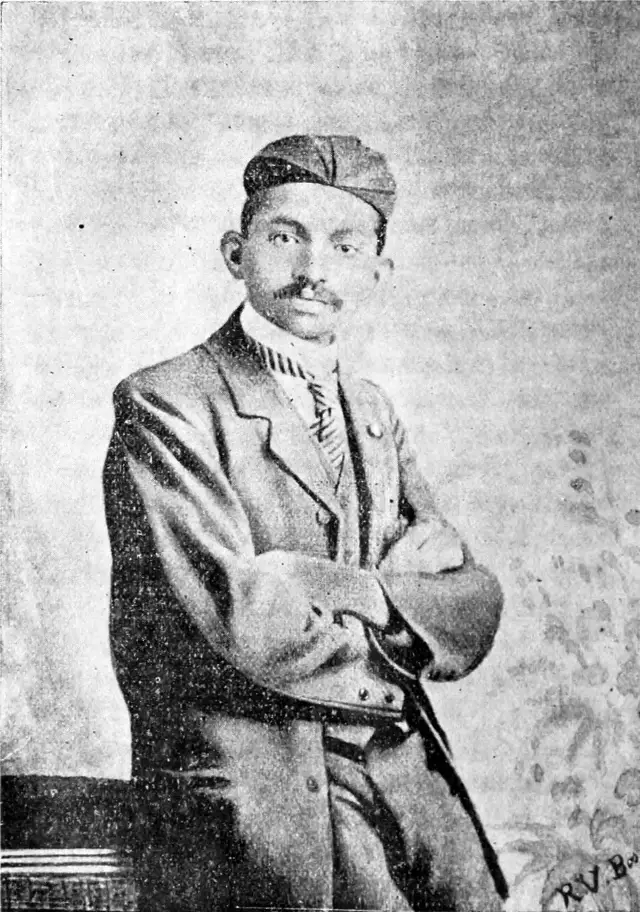
On June 7, 1893, a 24-year-old lawyer named Mohandas Gandhi was thrown off a train for refusing to leave a whites-only compartment — a humiliation that set him on the path to changing history.
On May 4, 1970, Ohio National Guardsmen fired on unarmed students at Kent State University, killing four and wounding nine.
On May 17, 1954, the Supreme Court ruled unanimously in Brown v. Board of Education that racially segregated public schools are unconstitutional.
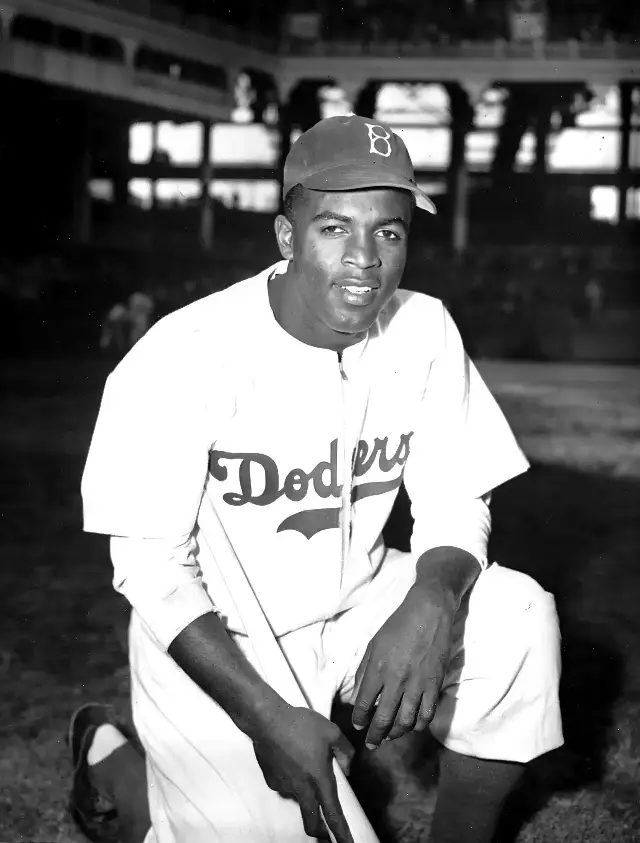
On April 15, 1947, Jackie Robinson started at first base for the Brooklyn Dodgers, breaking Major League Baseball's color line and changing American history.
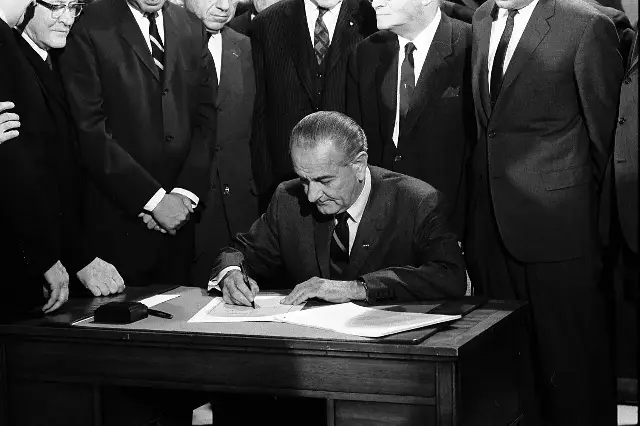
On April 11, 1968 — one week after Martin Luther King Jr.'s assassination — President Lyndon B. Johnson signed the Fair Housing Act, banning racial discrimination in most American housing.
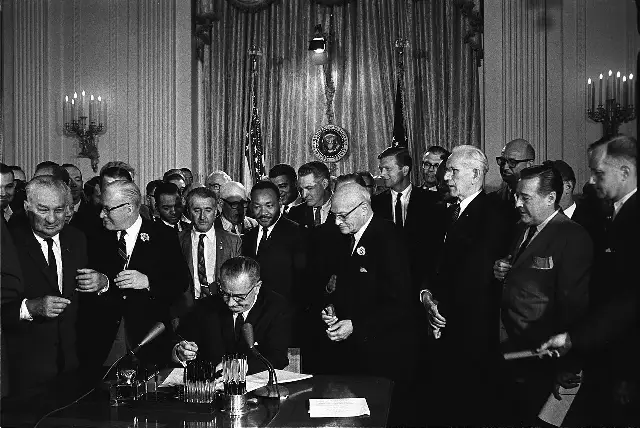
On July 2, 1964, President Lyndon B. Johnson signed the Civil Rights Act, outlawing segregation and employment discrimination across America.
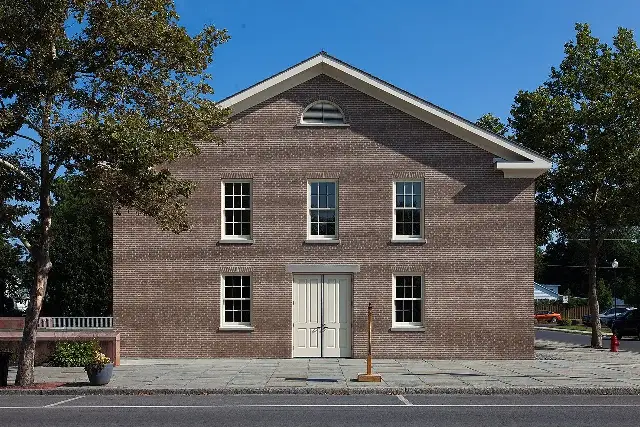
On July 19, 1848, about 300 people crowded into a small chapel in Seneca Falls, New York, for the first women's rights convention ever organized by women — and lit the fuse of a 72-year fight.
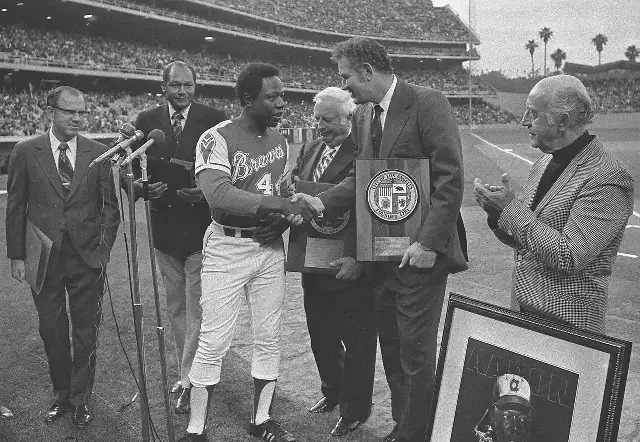
On April 8, 1974, Hank Aaron's 715th home run broke Babe Ruth's record before 53,775 fans in Atlanta, ending a chase shadowed by racist hate mail.
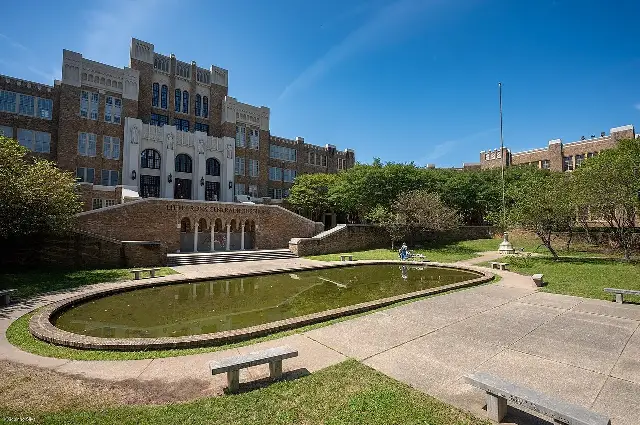
On September 24, 1957, President Dwight D. Eisenhower sent the 101st Airborne Division to Little Rock, Arkansas, to escort nine Black teenagers into the all-white Central High School.