Twenty Days with a Borrowed Heart: The Baby Fae Story
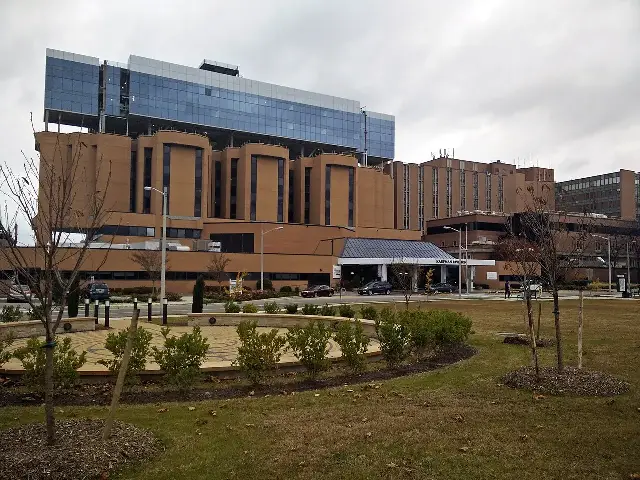
On October 26, 1984, surgeons gave a dying twelve-day-old baby a baboon's heart — a twenty-day struggle that changed infant medicine.


On October 26, 1984, surgeons gave a dying twelve-day-old baby a baboon's heart — a twenty-day struggle that changed infant medicine.
On April 12, 1955, Dr. Thomas Francis announced that Jonas Salk's polio vaccine was 'safe, effective, and potent,' ending one of America's greatest public health fears.
On January 23, 1849, Elizabeth Blackwell graduated first in her class from Geneva Medical College, becoming the first woman in the modern world to earn a medical degree.
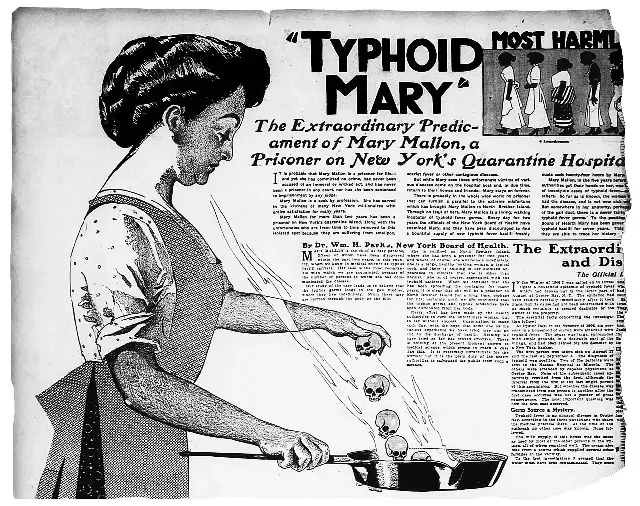
On March 27, 1915, Mary Mallon was quarantined for the second time on New York's North Brother Island — where she would live out her final 23 years.
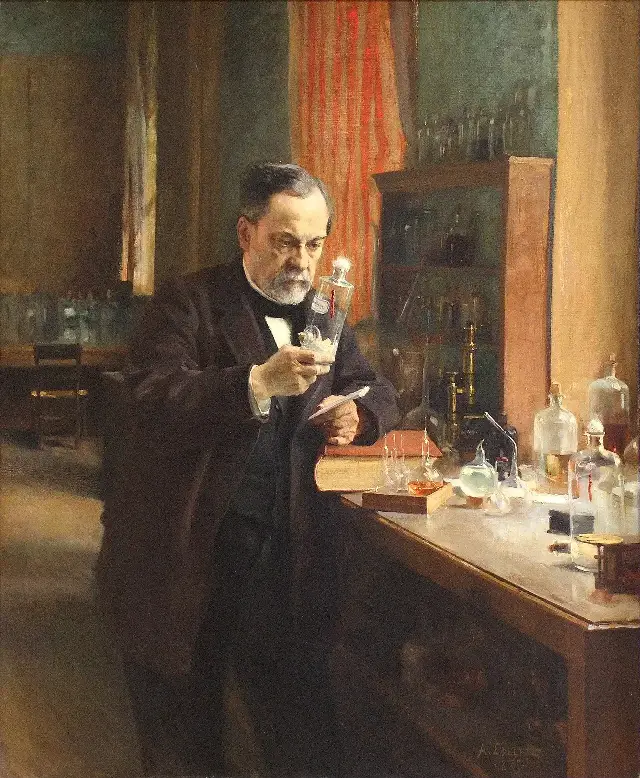
On July 6, 1885, Louis Pasteur gave a dying 9-year-old the first rabies vaccine ever tried on a human — and began the modern era of immunization.
On July 5, 1948, health minister Aneurin Bevan walked into a Manchester hospital and launched the NHS — healthcare free for all, funded by taxes.
On May 8, 1980, the World Health Assembly declared the world free of smallpox — the first and still only human disease ever eradicated.
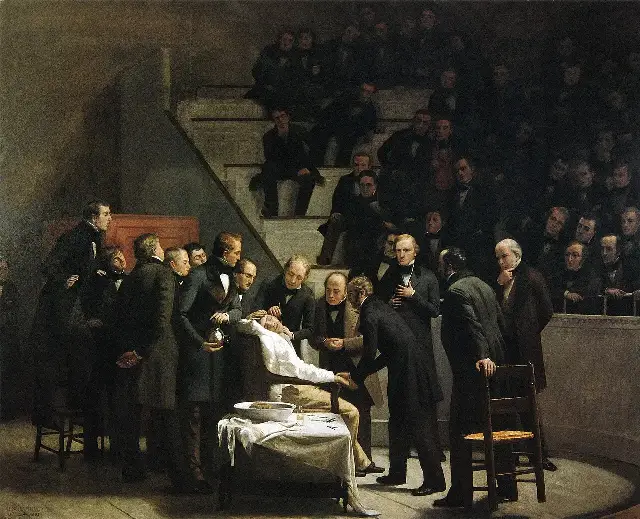
On September 30, 1846, a Boston dentist pulled a tooth from an unconscious patient using ether — and surgery would never hurt the same way again.
On December 28, 1981, Elizabeth Jordan Carr was born in Norfolk, Virginia — the first baby in the United States conceived through in vitro fertilization.
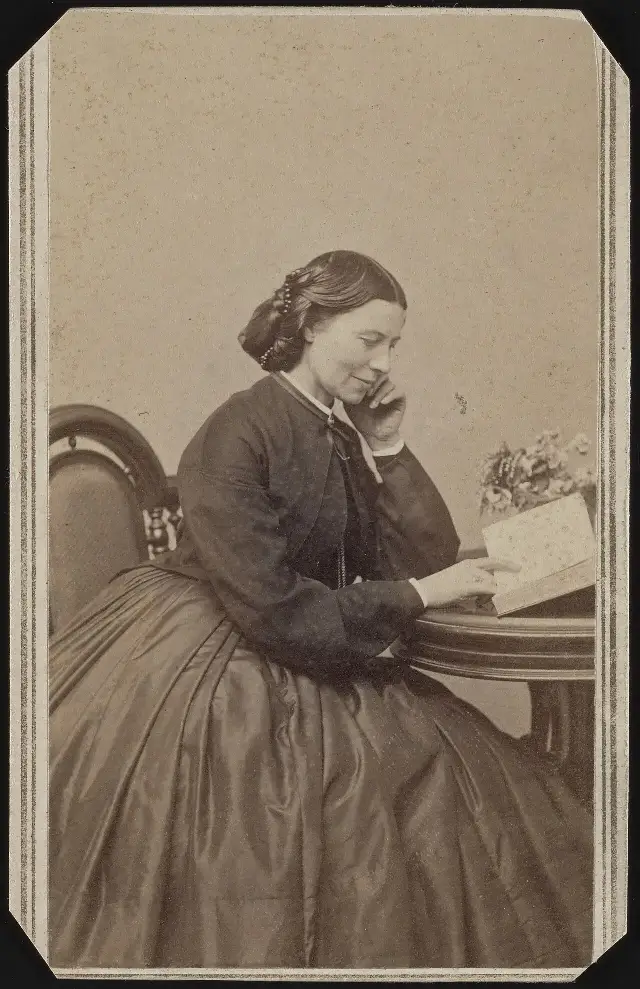
On May 21, 1881, Clara Barton founded the American Red Cross at a meeting in her Washington apartment, bringing a European idea of neutral wartime aid to America.
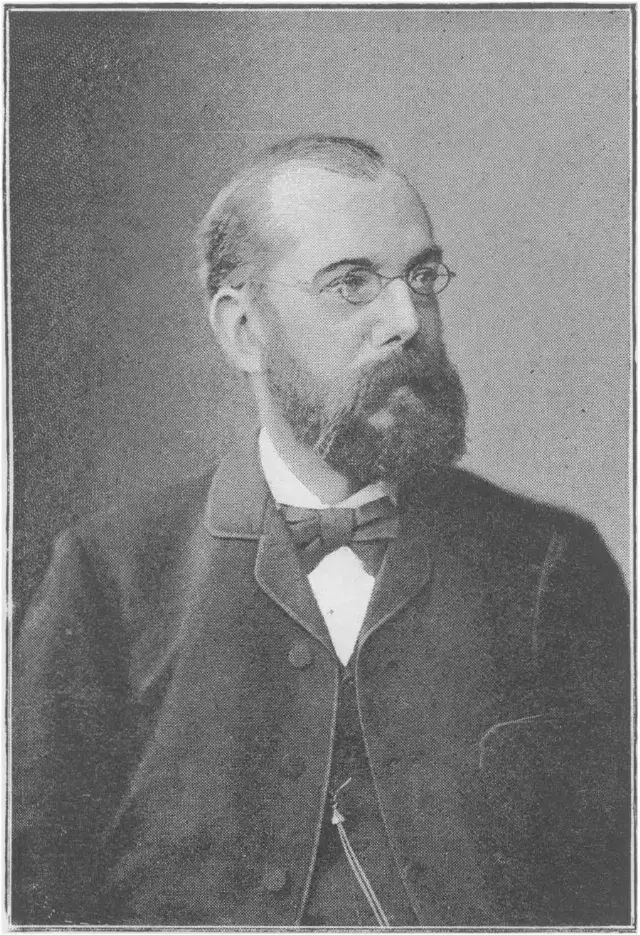
On March 24, 1882, Robert Koch showed a Berlin audience the bacillus that causes tuberculosis — the night the germ theory of disease triumphed.
On July 14, 1946, pediatrician Benjamin Spock published a baby-care manual whose first line — "Trust yourself" — changed how a generation raised its children.
On July 25, 1978, Louise Brown became the first human ever conceived outside a mother's body — and gave millions of families a path to parenthood.
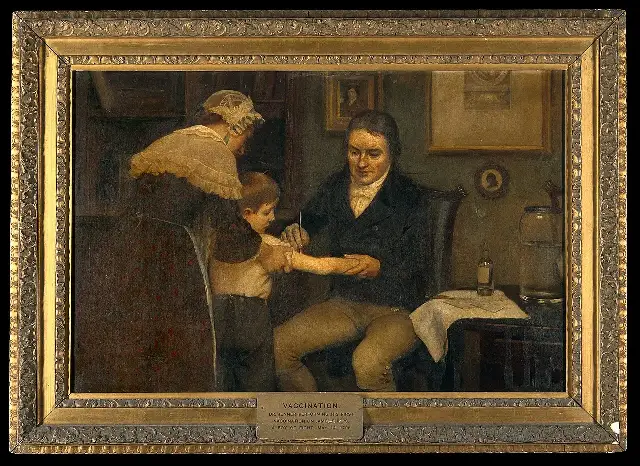
On May 14, 1796, Dr. Edward Jenner inoculated 8-year-old James Phipps with cowpox, proving the principle behind the world's first vaccine.
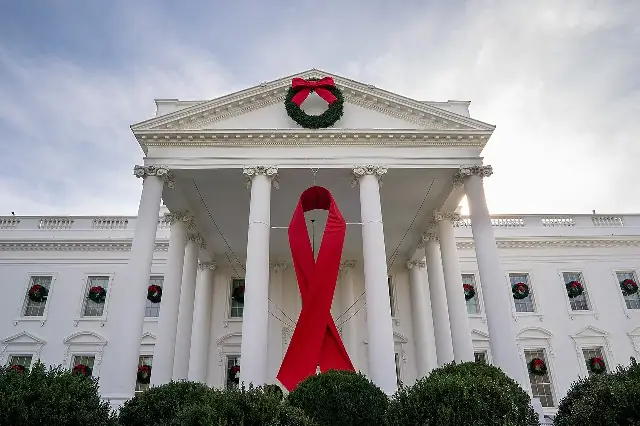
On June 5, 1981, the CDC published a report of five pneumonia cases in Los Angeles — the first official warning of what would become the HIV/AIDS pandemic.
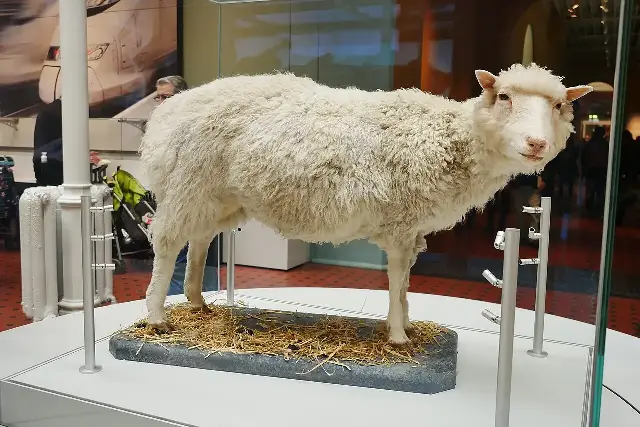
On February 22, 1997, Scottish scientists announced Dolly the sheep, the first mammal cloned from an adult cell, and changed medicine forever.
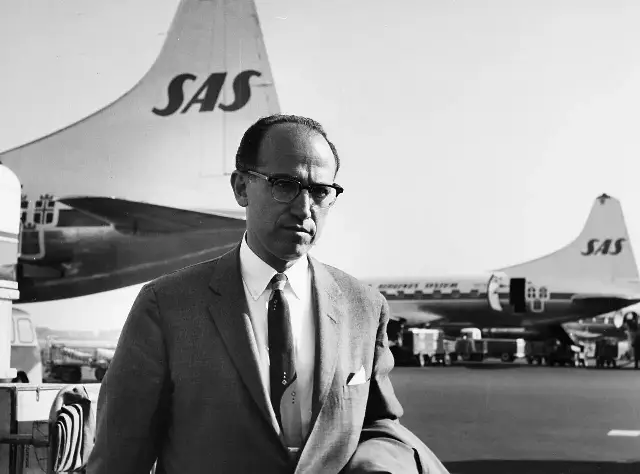
On March 26, 1953, Jonas Salk announced on national radio that his polio vaccine had worked in human trials — a moment that changed medicine.
On July 27, 1921, Frederick Banting and Charles Best isolated insulin at the University of Toronto, turning diabetes from a fatal diagnosis into a manageable condition.
On November 8, 1895, physicist Wilhelm Röntgen noticed a strange glow in his darkened lab — and discovered a ray that could see through human flesh.
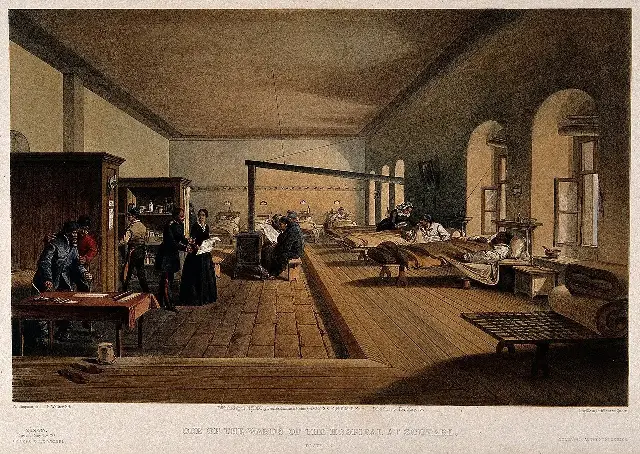
Born May 12, 1820, Florence Nightingale founded modern nursing through her Crimean War service, her pioneering use of statistics, and the world's first secular nursing school.
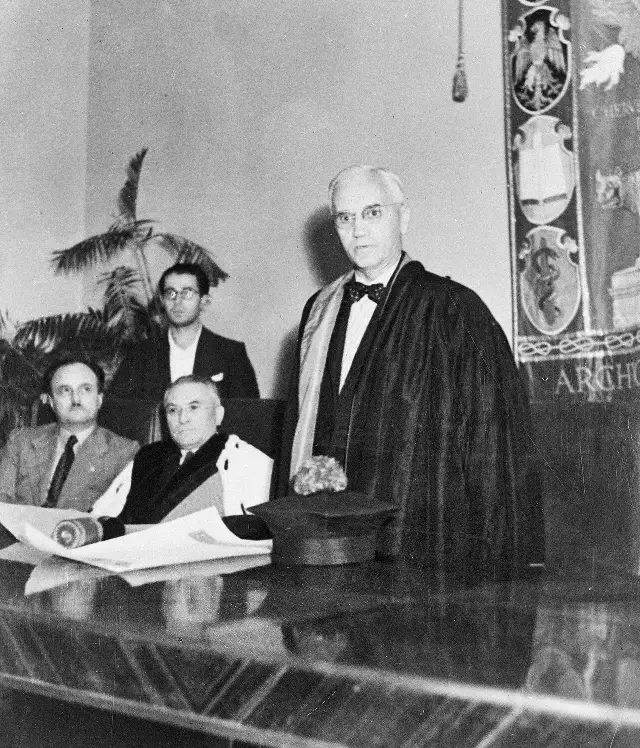
On September 28, 1928, a messy scientist came back from vacation to find a strange mold on a forgotten petri dish — and the age of antibiotics began.