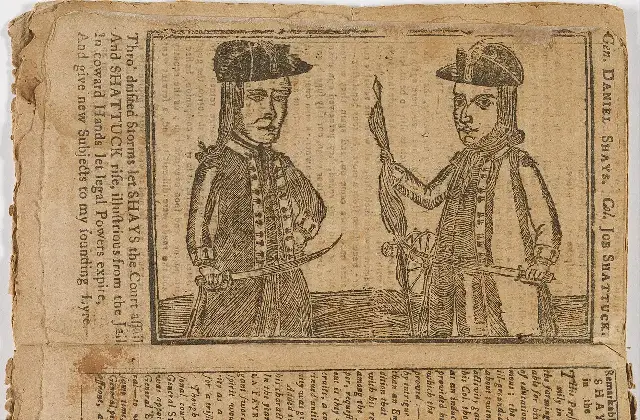
The Farmer Rebellion That Forged the U.S. Constitution
On January 25, 1787, debt-crushed Massachusetts farmers led by Daniel Shays attacked the federal arsenal at Springfield — and their defeat helped give America its Constitution.


On January 25, 1787, debt-crushed Massachusetts farmers led by Daniel Shays attacked the federal arsenal at Springfield — and their defeat helped give America its Constitution.
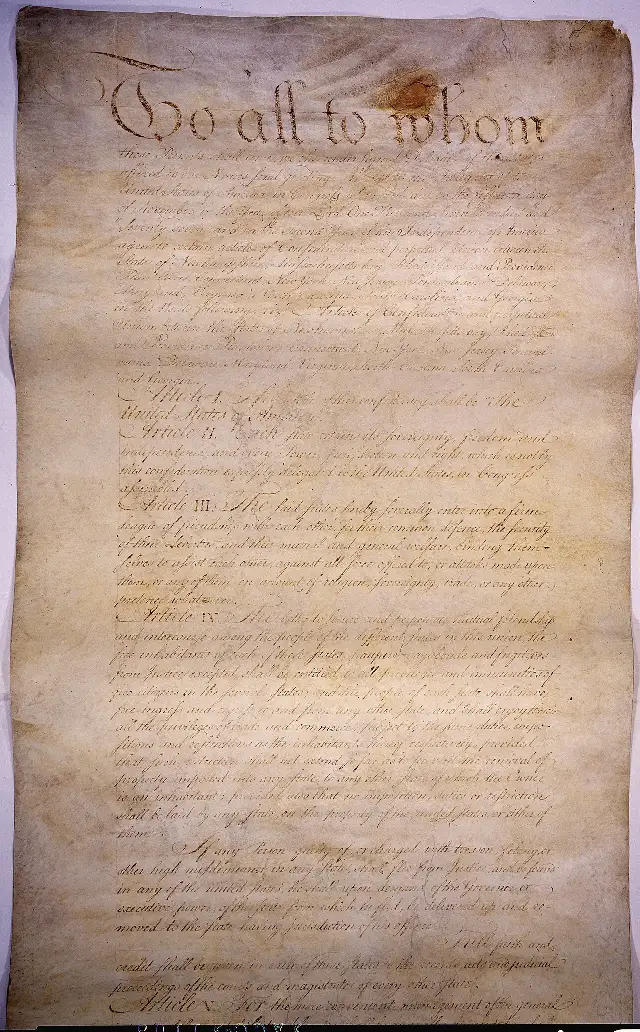
On November 15, 1777, the Continental Congress adopted the Articles of Confederation — the young nation's first frame of government, a 'firm league of friendship' among 13 wary states.
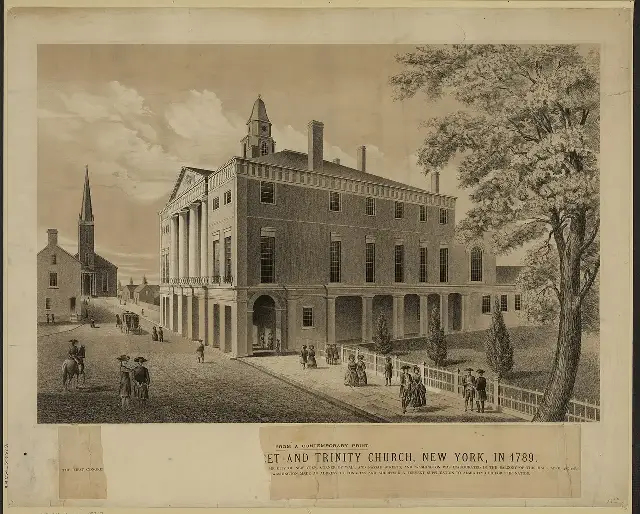
March 4, 1789 was the day America's new government was supposed to begin — but bad roads and worse weather meant almost no one made it to Federal Hall.
On January 2, 1788, Georgia became the fourth state to ratify the U.S. Constitution — unanimously — joining the new nation as its first southern member.
On February 17, 1801, the House elected Thomas Jefferson president on the 36th ballot, ending a seven-day deadlock and delivering America's first peaceful transfer of power between parties.
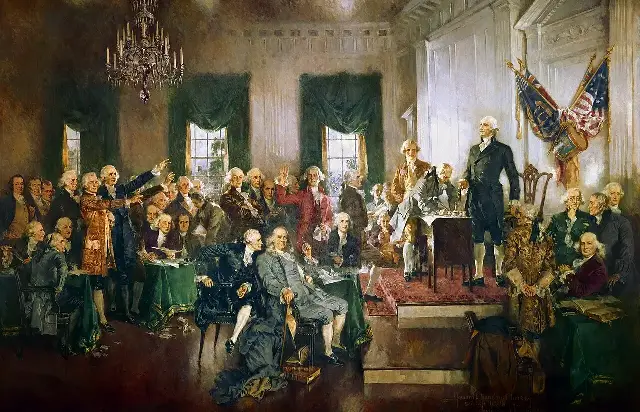
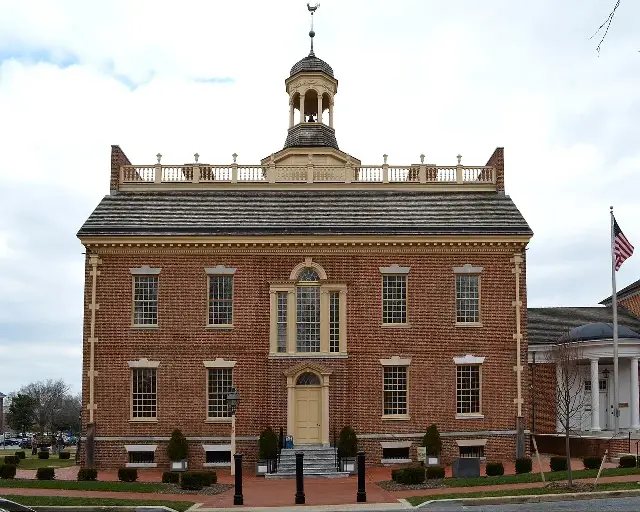
On December 7, 1787, Delaware's convention voted 30-0 to ratify the U.S. Constitution, making it the first state in the Union.
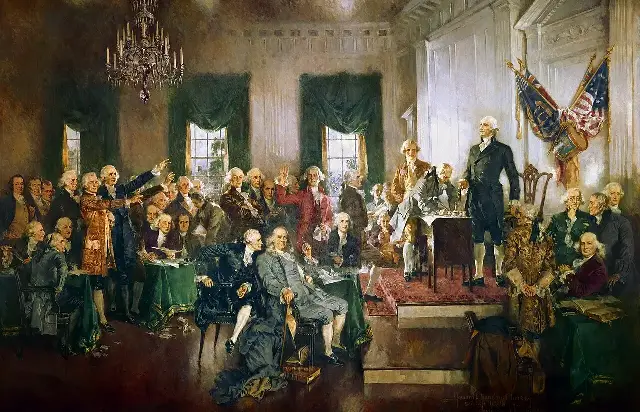
On June 21, 1788, New Hampshire voted 57 to 47 to ratify the Constitution, becoming the ninth state and making the document the law of the land.
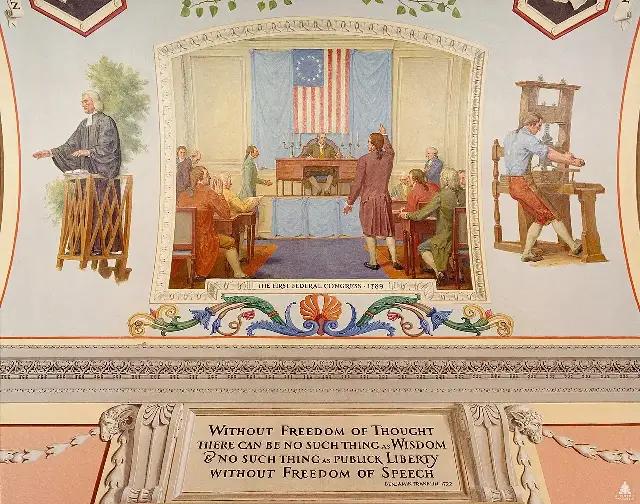
On June 8, 1789, James Madison rose in the First Congress to propose the amendments that became America's Bill of Rights.
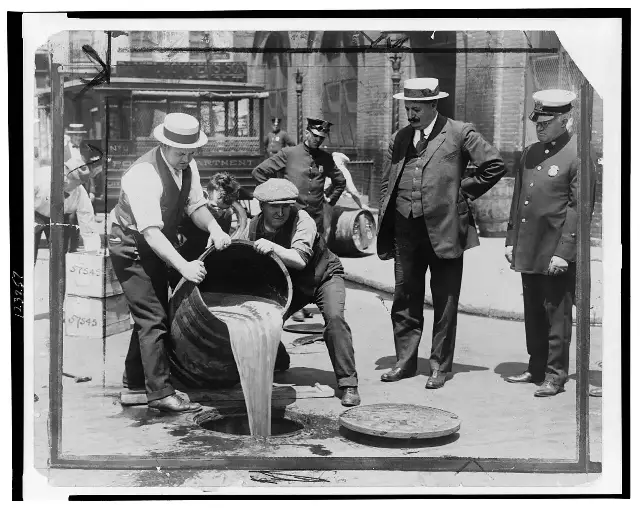
On January 16, 1919, Nebraska became the 36th state to ratify the 18th Amendment, locking Prohibition into the U.S. Constitution.
On January 26, 1950, India's new constitution took effect, making the country a republic with Rajendra Prasad as its first president.