A Post Office Before There Was a Country
On July 26, 1775 — a full year before the Declaration of Independence — the Continental Congress created America's postal service and made Benjamin Franklin its first postmaster general.
America's postal service is older than America itself.
On July 26, 1775 — a full year before the Declaration of Independence — the Second Continental Congress, meeting in Philadelphia, voted to create a postal system for the thirteen colonies and named Benjamin Franklin its first postmaster general.
Why mail first? Because a rebellion runs on information. Congress needed to move orders, news, and intelligence between the colonies faster than the British would allow — and it needed a system the Crown couldn't read. Franklin, freshly returned from England, was the obvious choice. He had spent decades running colonial mail and had just been fired from his British postmastership for sympathizing with the rebel cause.
The new system stretched "a line of posts from Falmouth in New England to Savannah in Georgia," with about 75 post offices and a postmaster general's salary of $1,000 a year. Franklin already knew how to make mail move: years earlier, as joint postmaster general of the colonies, he had cut delivery time between Philadelphia and New York in half by running mail wagons day and night with relay teams, and he had published the first standardized rate chart, setting postage by distance and weight.
Franklin served until November 1776 and was succeeded by his son-in-law, Richard Bache. In 1792, Congress locked the system into law, letting newspapers travel cheaply — sometimes free — so a free press could knit the new nation together.
The mail was the nervous system of the Revolution, and it never stopped humming. Every letter, package, and ballot that has traveled through the U.S. Mail in the two and a half centuries since traces back to that July vote — to a Congress that understood you can't build a country until you can deliver its messages.
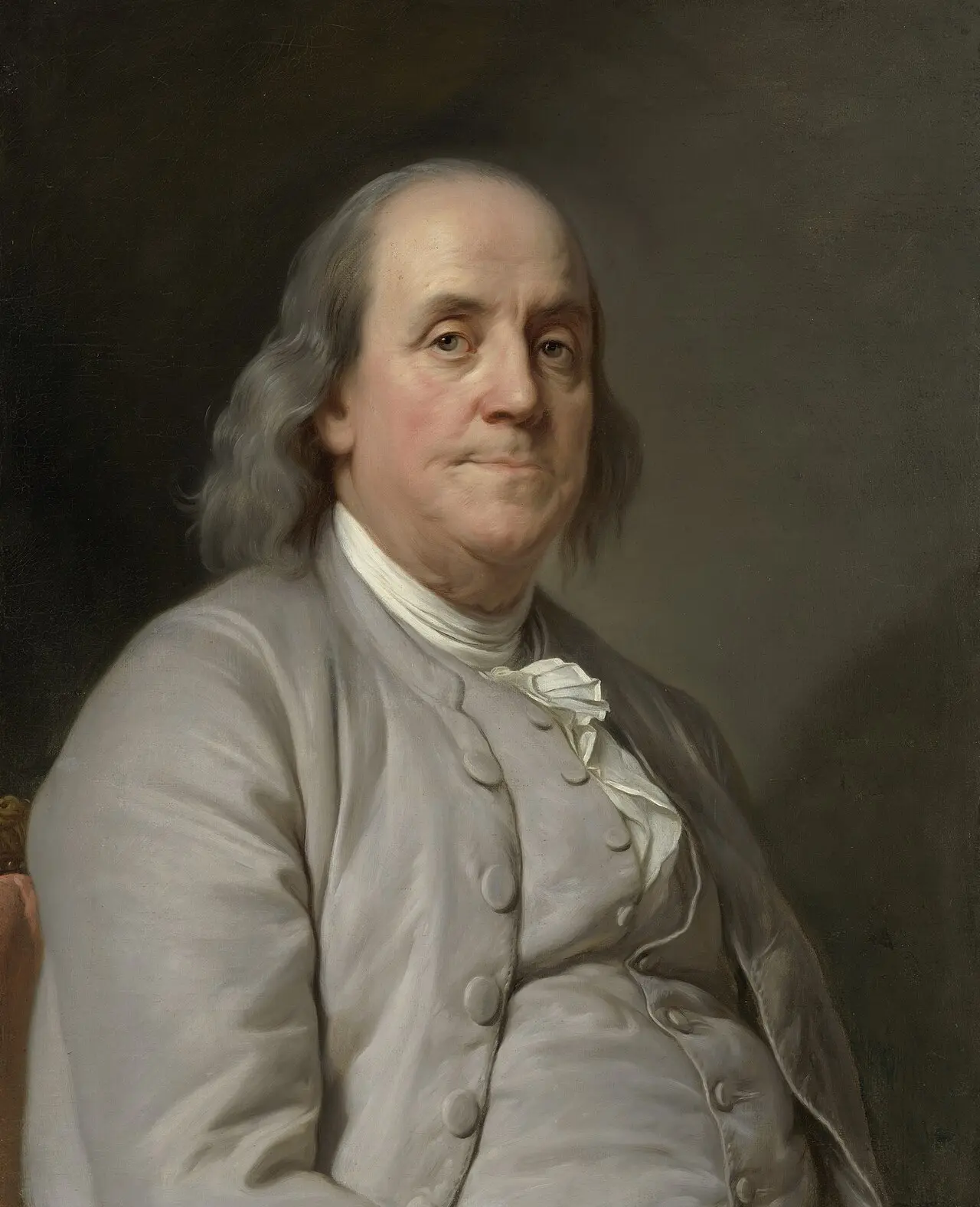
Photo: Benjamin Franklin by Joseph Duplessis, painted in 1778 (public domain), via Wikimedia Commons.