The Great Gatsby Hits the Shelves
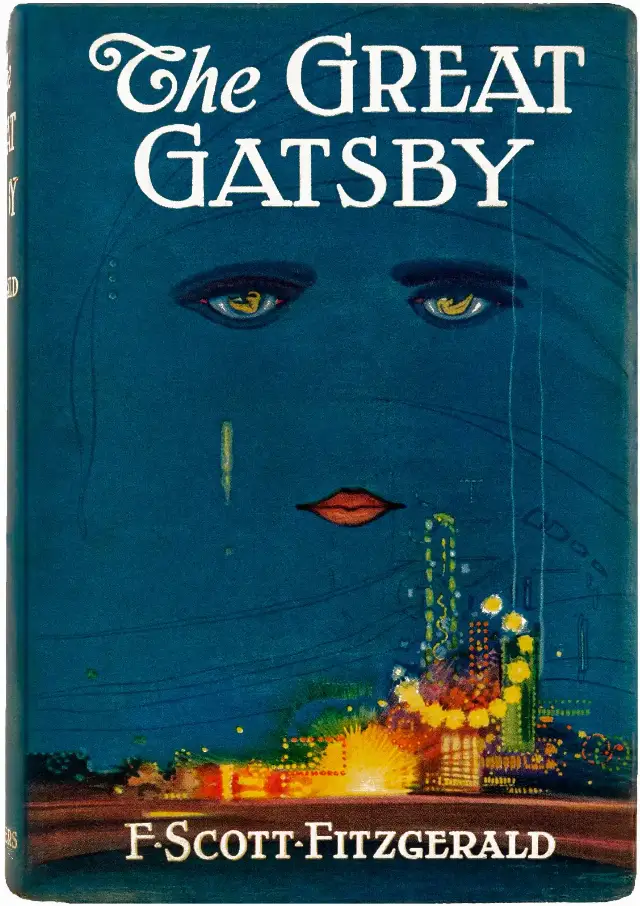
On April 10, 1925, Scribner's published F. Scott Fitzgerald's The Great Gatsby — a commercial flop that became America's most beloved novel.


On April 10, 1925, Scribner's published F. Scott Fitzgerald's The Great Gatsby — a commercial flop that became America's most beloved novel.
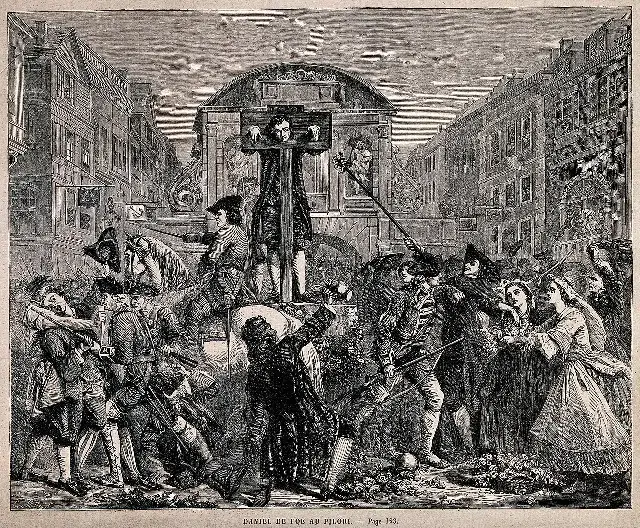
On July 31, 1703, Daniel Defoe stood in the pillory at Temple Bar for the third straight day — punished for a satire, and already turning his punishment into legend.
Tradition says William Shakespeare was born on April 23, 1564, and the record proves he died on April 23, 1616 — the most poetic coincidence in the life of the most quoted writer who ever lived.
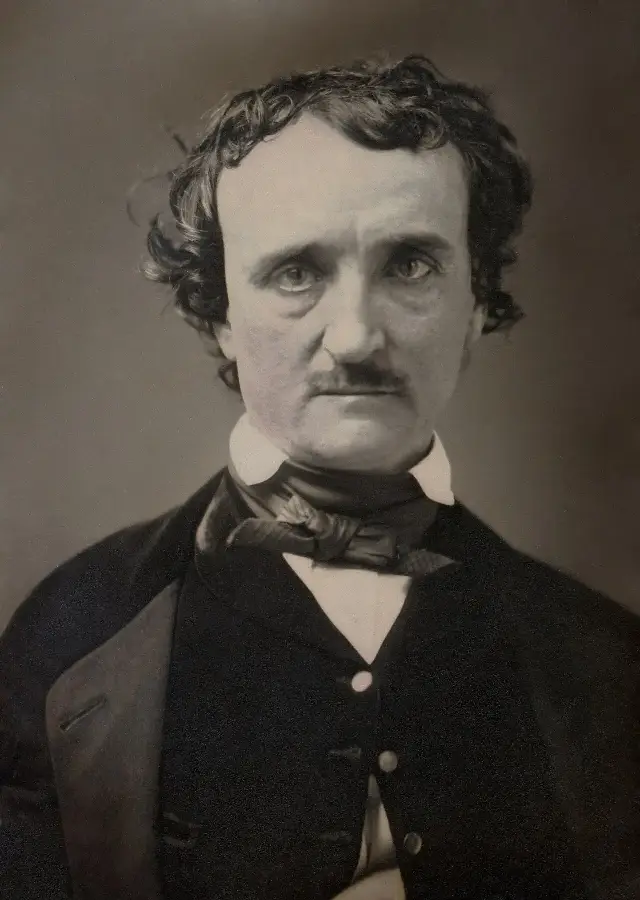
On January 29, 1845, the New York Evening Mirror published Edgar Allan Poe's ‘The Raven,’ and a poem about a talking bird made its author the most famous writer in America.
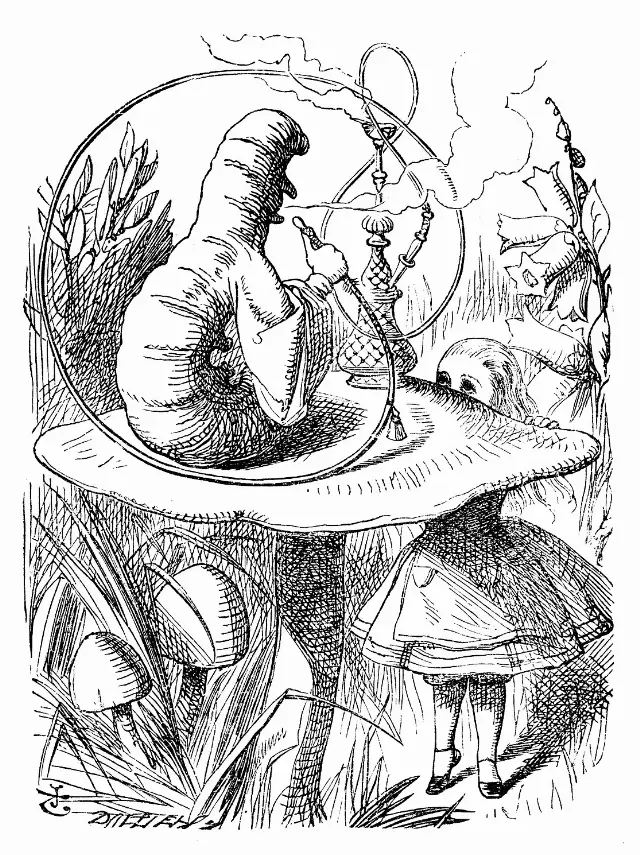
On November 26, 1865, Lewis Carroll's Alice's Adventures in Wonderland went on sale in London — after its own illustrator had the entire first printing scrapped.
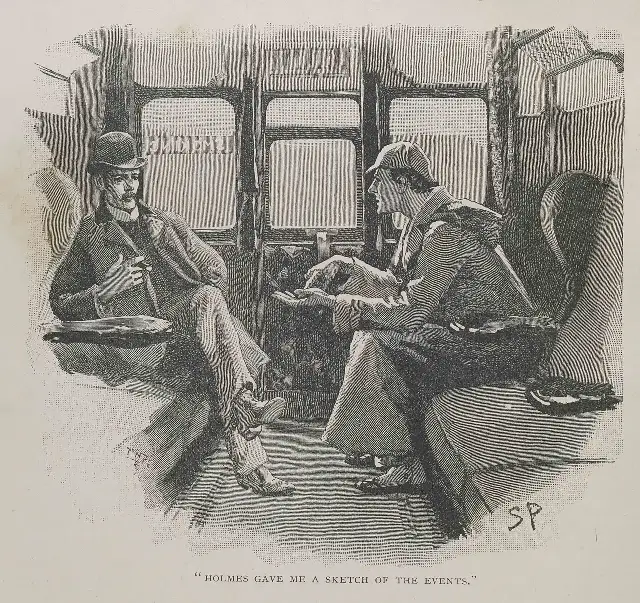
On October 14, 1892, twelve Strand Magazine stories were bound into the book that made Sherlock Holmes immortal.
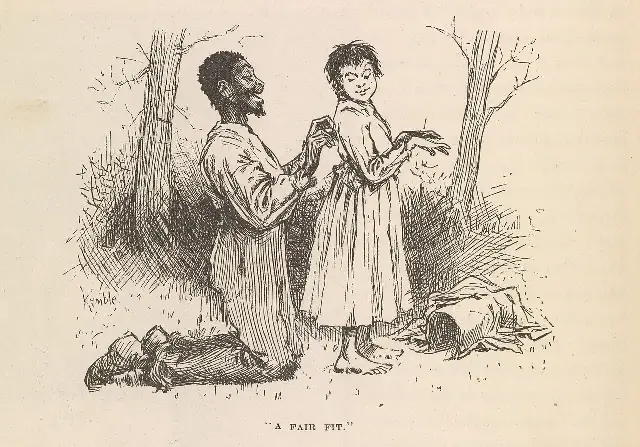
On February 18, 1885, Mark Twain's "Adventures of Huckleberry Finn" reached American bookstores — a plainspoken American voice and a searing portrait of slavery-era racism that reshaped literature.
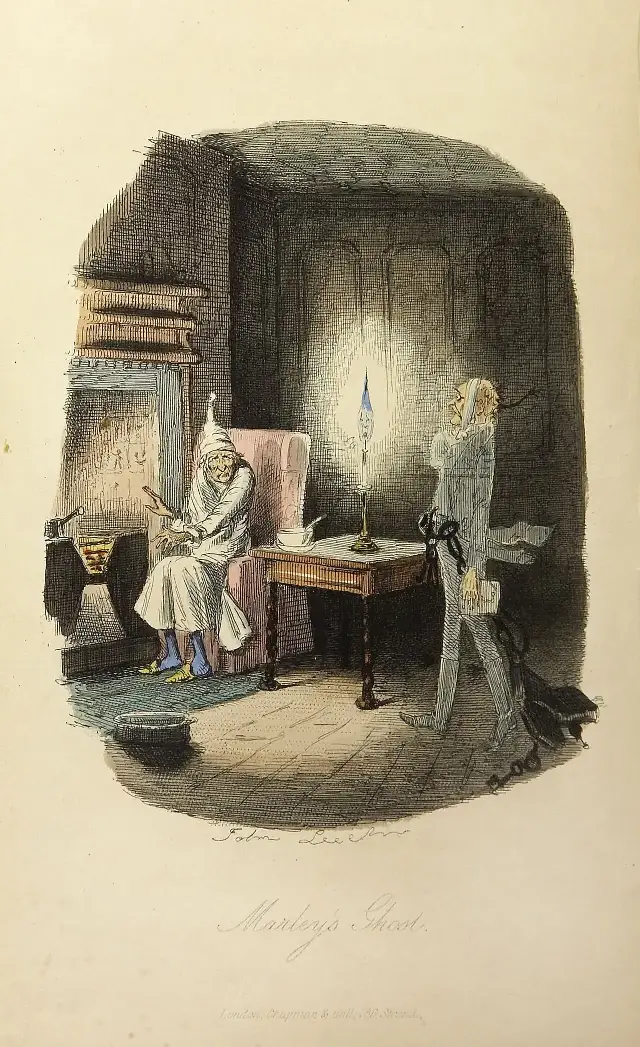
On December 19, 1843, Charles Dickens's A Christmas Carol went on sale in London — and all 6,000 copies sold out within days.
On April 20, 1841, Edgar Allan Poe published "The Murders in the Rue Morgue" in Graham's Magazine, introducing the world's first fictional detective, C. Auguste Dupin.
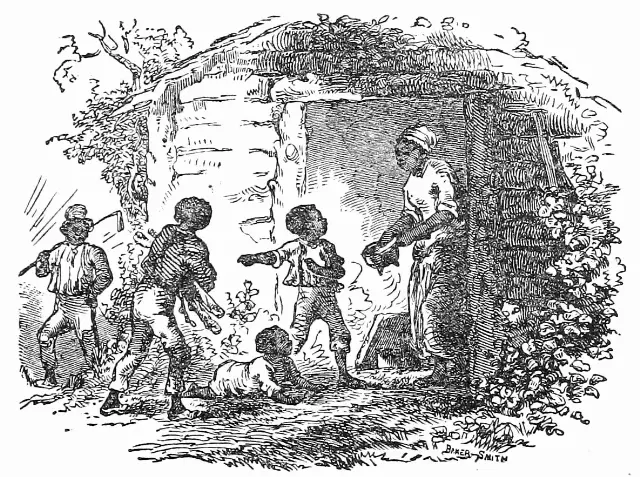
Published March 20, 1852, Harriet Beecher Stowe's anti-slavery novel Uncle Tom's Cabin sold 10,000 copies in its first week and helped push America toward civil war.
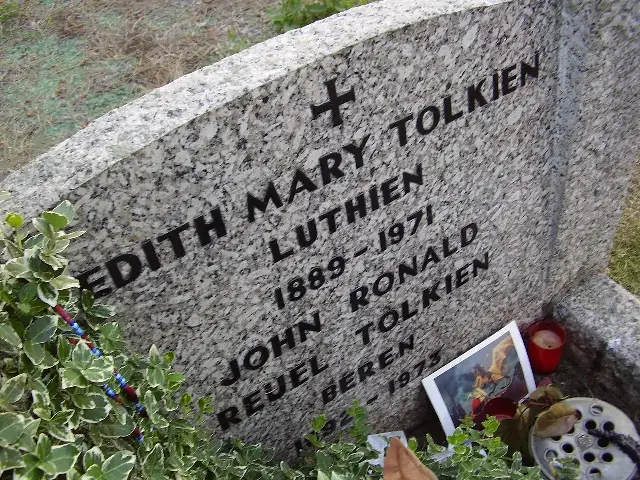
J.R.R. Tolkien died on September 2, 1973, the Oxford professor who invented Elvish languages and, to give them somewhere to be spoken, the world of Middle-earth.
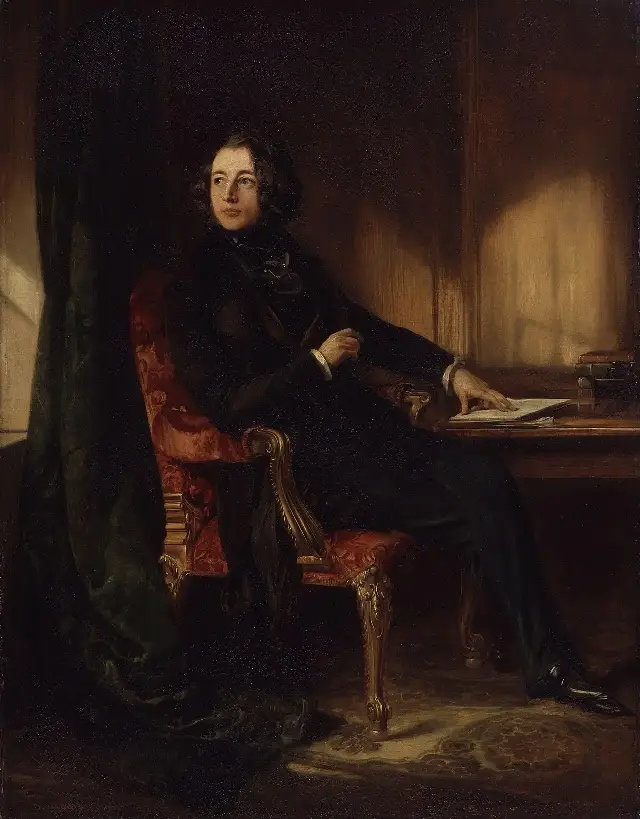
On February 7, 1812, Charles Dickens was born in Portsmouth, England, and grew up to become the Victorian era's most beloved novelist.
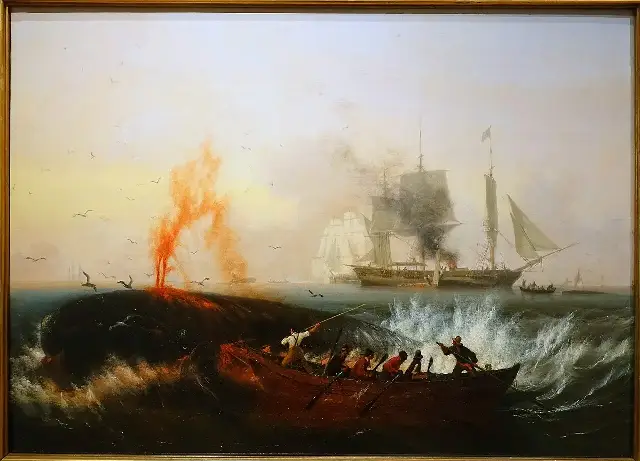
On November 20, 1820, a sperm whale rammed and sank the Nantucket whaleship Essex in the Pacific, beginning an 83-day survival ordeal that inspired Moby-Dick.
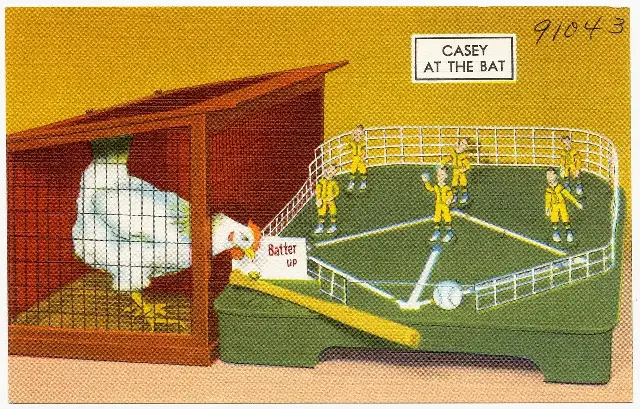
On June 3, 1888, the San Francisco Examiner printed Ernest Thayer's "Casey at the Bat," the most famous baseball poem ever written.
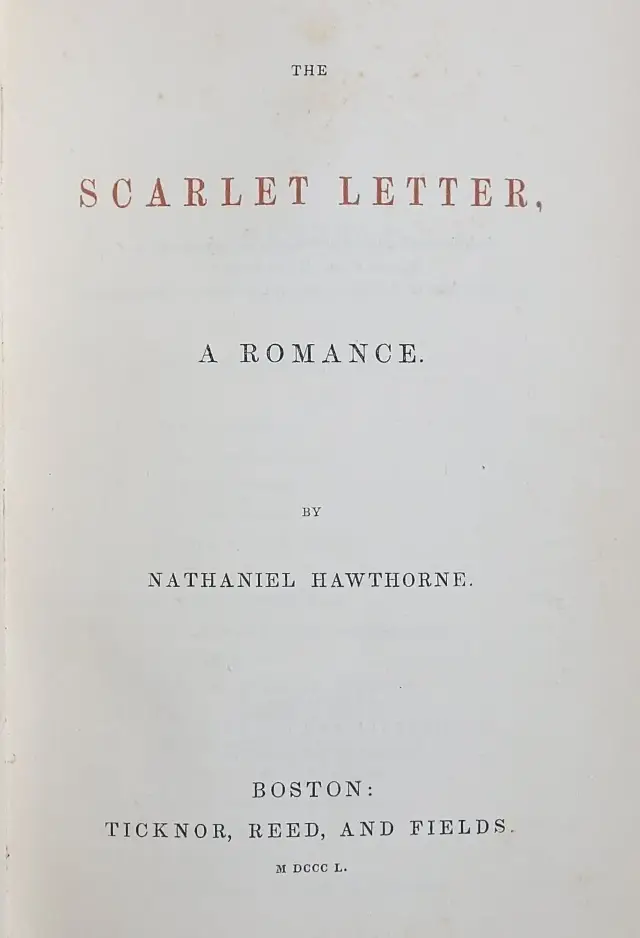
On March 16, 1850, Ticknor, Reed & Fields published Nathaniel Hawthorne's The Scarlet Letter, and the first printing of 2,500 copies sold out in ten days.
On May 26, 1897, Bram Stoker's Dracula reached London bookshops — a modest gothic novel that went on to define vampires for the next 125 years.
On June 8, 1949, George Orwell's dystopian novel 'Nineteen Eighty-Four' was published in London, giving the English language 'Big Brother,' 'doublethink,' and a lasting warning about unchecked power.
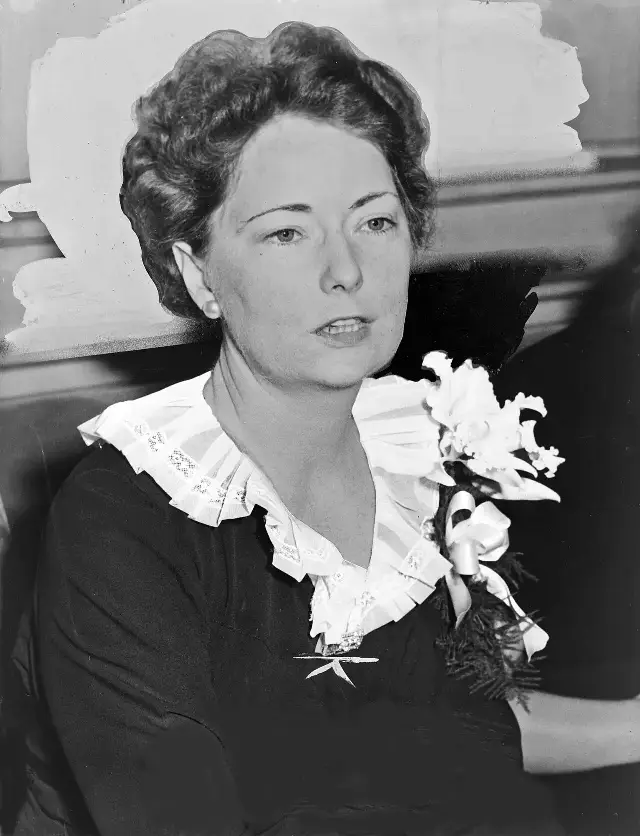
On May 3, 1937, Margaret Mitchell's Civil War epic Gone with the Wind won the Pulitzer Prize — the only novel she ever published.
On September 21, 1937, an Oxford professor's bedtime story about a reluctant hobbit named Bilbo Baggins reached bookshops in a first printing of just 1,500 copies — and sold out within months.