Ceylon's Independence Day: February 4, 1948
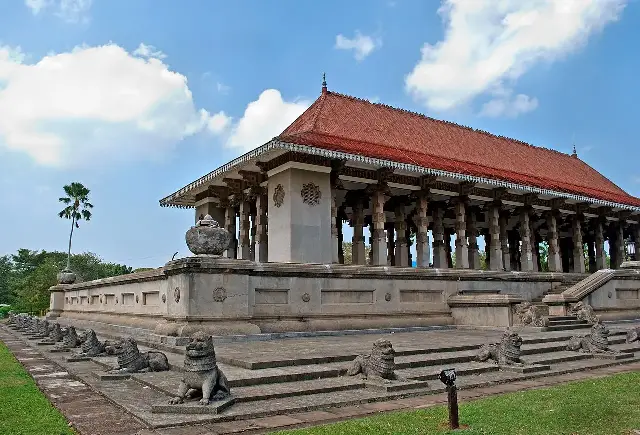
On February 4, 1948, Ceylon became the independent Dominion of Ceylon, ending a century and a half of British colonial rule.


On February 4, 1948, Ceylon became the independent Dominion of Ceylon, ending a century and a half of British colonial rule.
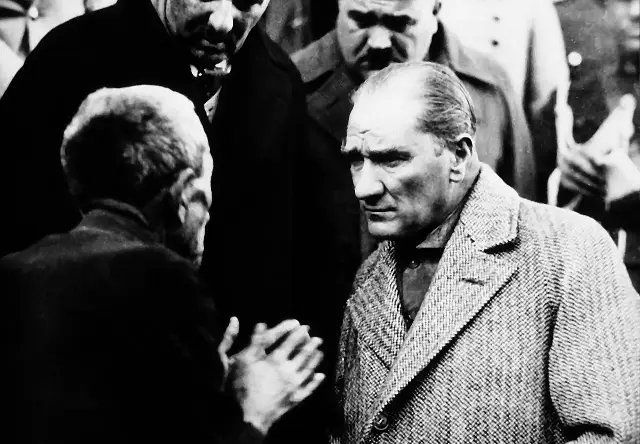
On October 29, 1923, Turkey's parliament proclaimed a republic with Mustafa Kemal as its first president, closing six centuries of Ottoman rule.
On October 28, 1918, cheering crowds filled Prague's Wenceslas Square as Czech leaders proclaimed an independent Czechoslovakia, ending centuries of Habsburg rule.
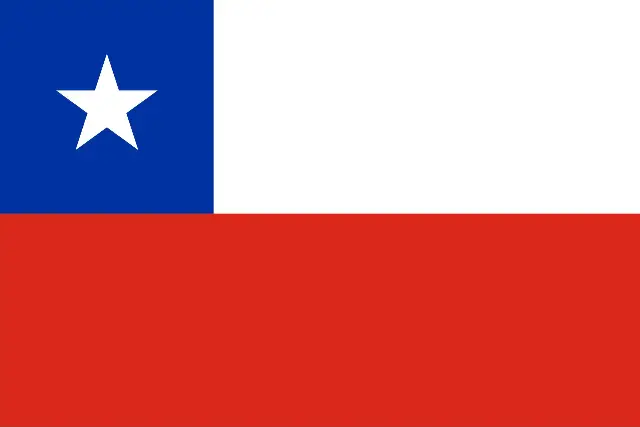
On September 18, 1810, more than 400 of Santiago's leading citizens acclaimed a new governing junta, launching Chile's independence and the holiday Chileans still celebrate as Fiestas Patrias.
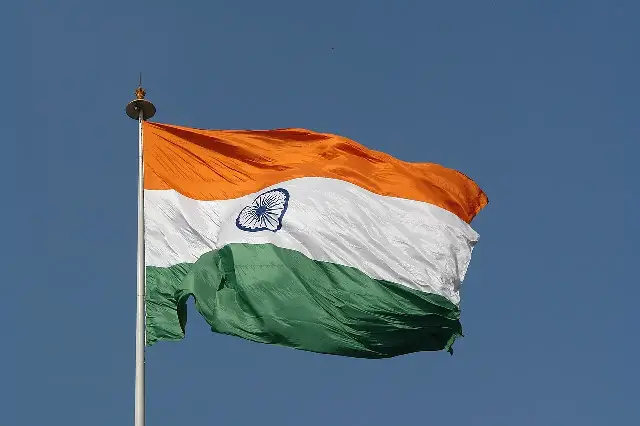
On July 22, 1947, India's Constituent Assembly adopted the tricolor — saffron, white and green with the Ashoka Chakra — as the flag of a nation still weeks from independence.
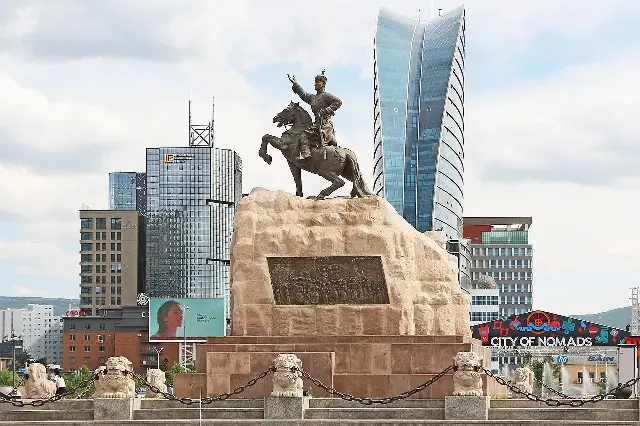
On July 11, 1921, revolutionaries proclaimed a new people's government in Mongolia, ending foreign occupation — the day Mongolians still celebrate as their national day.
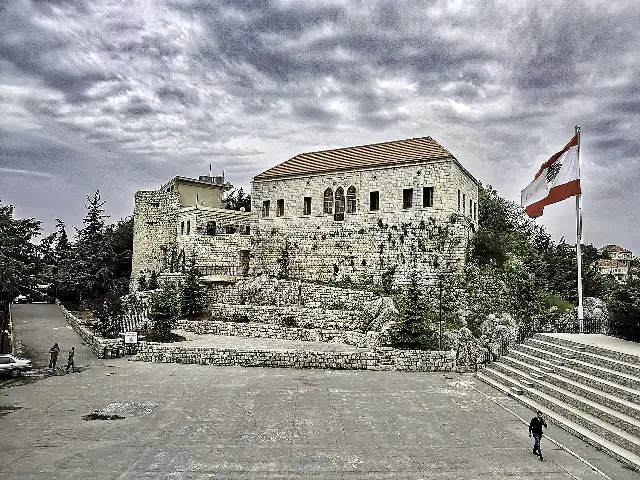
On November 22, 1943, France released Lebanon's imprisoned leaders from Rashaya Citadel — the moment Lebanon celebrates as its independence day.
On July 9, 2011, the Republic of South Sudan declared independence in Juba, ending decades of war and redrawing the map of Africa.
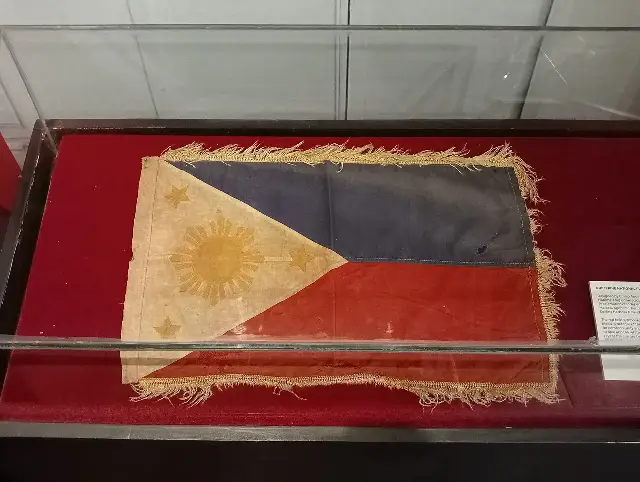
On June 12, 1898, Emilio Aguinaldo proclaimed Philippine independence from his balcony in Kawit, unveiling the nation's flag and anthem in a single afternoon.
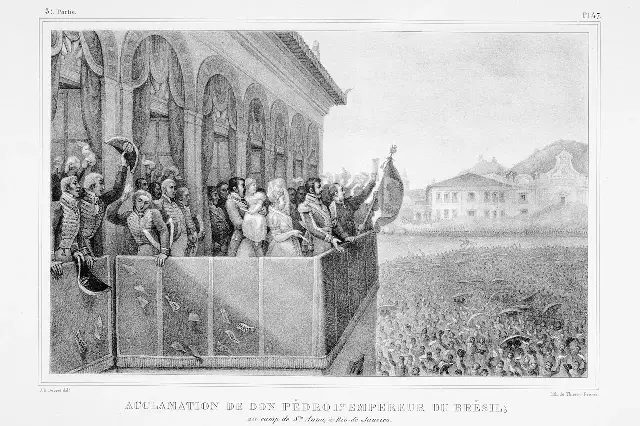
On October 12, 1822 — his 24th birthday — Prince Pedro was acclaimed Dom Pedro I, Constitutional Emperor of Brazil, completing an independence won when the prince switched sides.
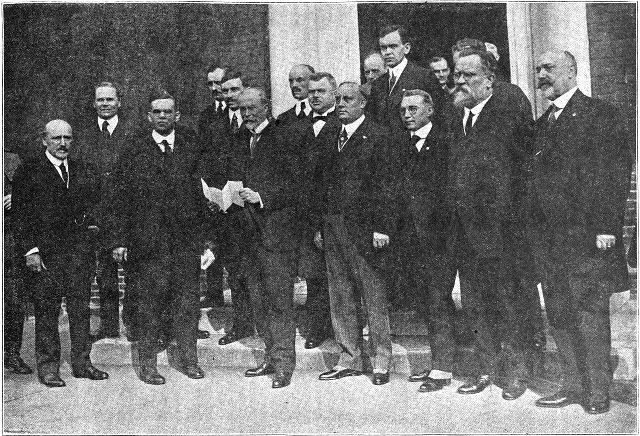
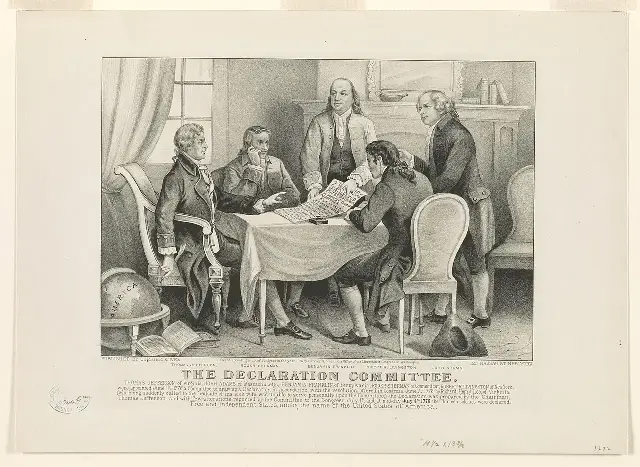
On June 11, 1776, Congress appointed five men — including Jefferson, Adams, and Franklin — to draft the document that became the Declaration of Independence.
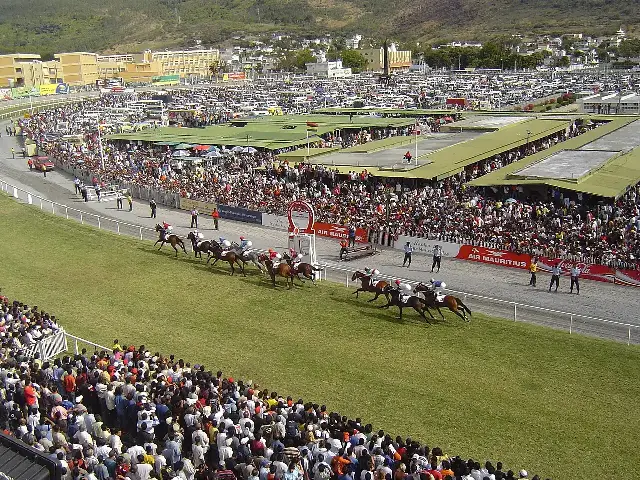
On March 12, 1968, Mauritius became independent at Port Louis's Champ de Mars, with Seewoosagur Ramgoolam as its first prime minister.
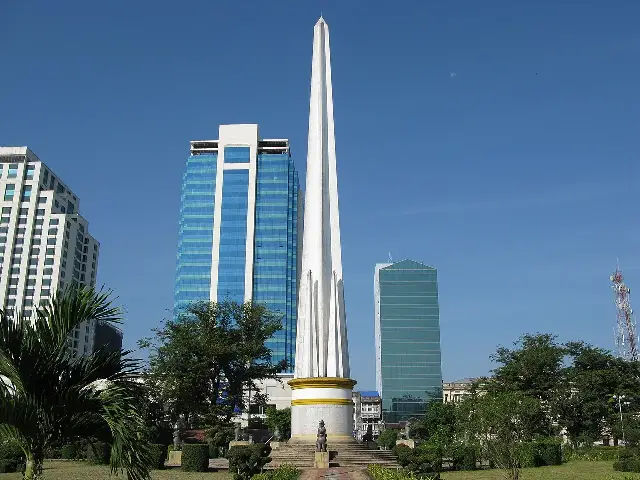
At 4:20 a.m. on January 4, 1948, at an hour chosen by an astrologer, Burma became the Union of Burma — though the leader who won its freedom, Aung San, had been assassinated months earlier.
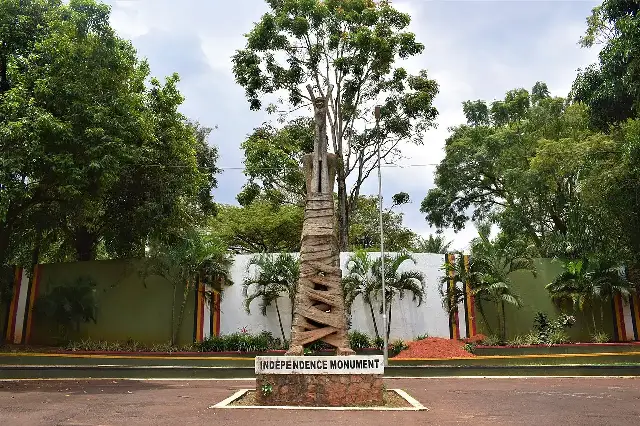
On October 9, 1962, the Union Jack came down over Kampala and a new flag rose — Uganda was an independent nation at last.
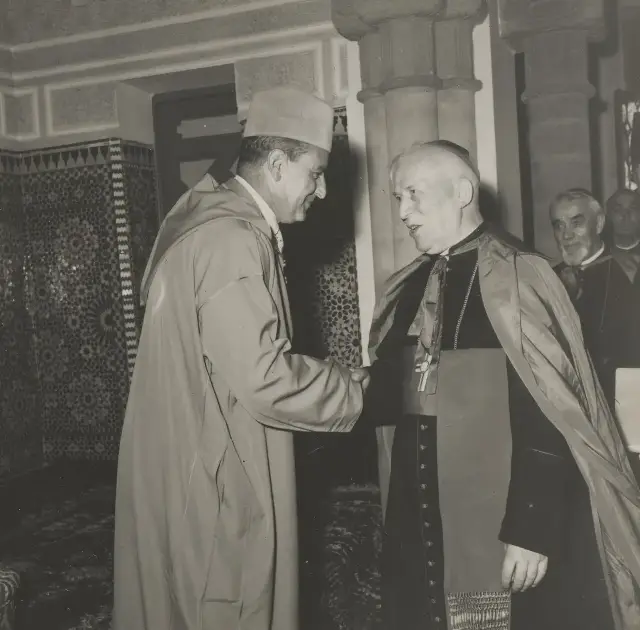
Exiled to Madagascar for defying France, Sultan Mohammed V returned a hero — and on March 2, 1956, France signed the declaration ending its rule over Morocco.
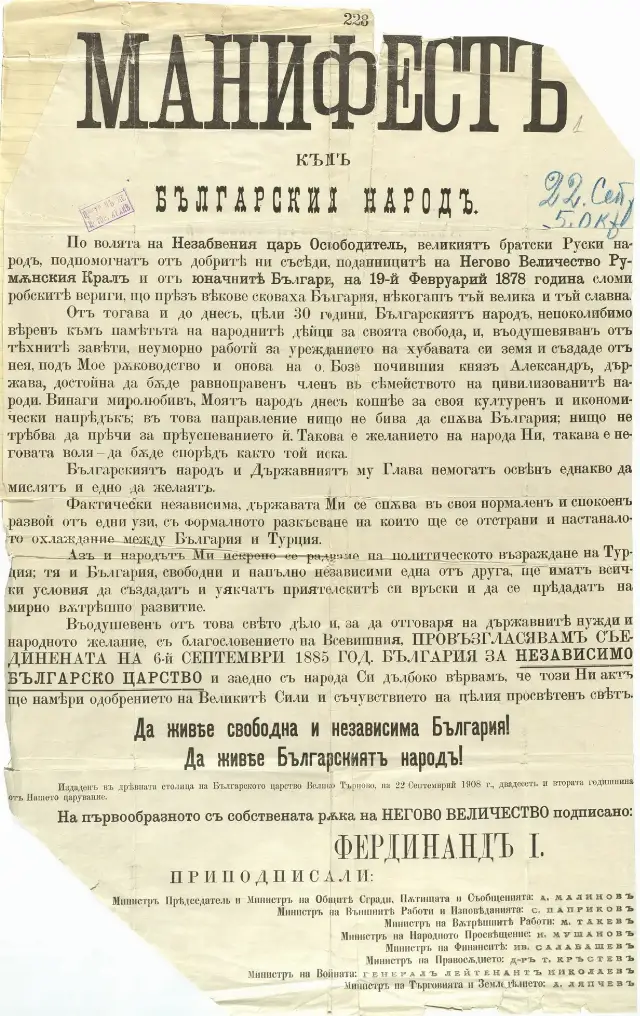
On October 5, 1908, Prince Ferdinand proclaimed Bulgaria's full independence from the Ottoman Empire in the old capital of Tarnovo — and crowned himself Tsar on the spot.
On May 19, 1919, Mustafa Kemal landed at the Black Sea port of Samsun on a secret mission that ignited Turkey's War of Independence and led to the modern Turkish Republic.
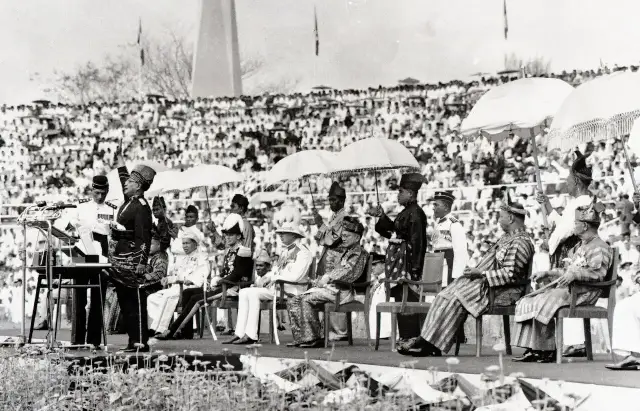
On August 31, 1957, Tunku Abdul Rahman proclaimed Malaya's independence at Stadium Merdeka as a crowd of thousands roared "Merdeka!" — freedom — seven times.
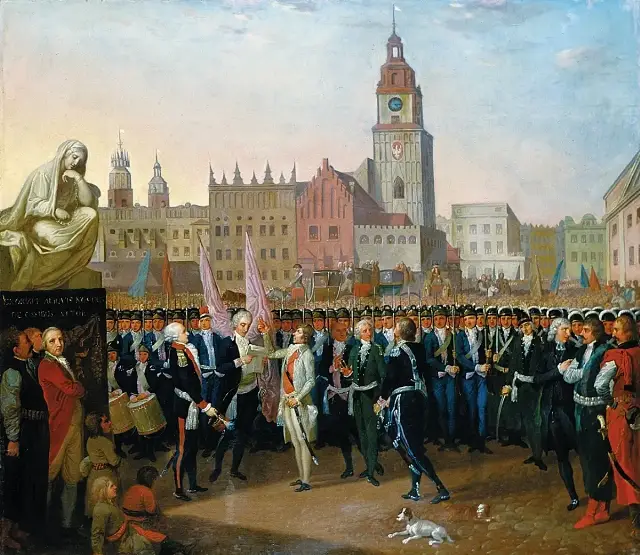
On March 24, 1794, Tadeusz Kościuszko swore an oath in Kraków's market square — and launched Poland's doomed, glorious fight for freedom.
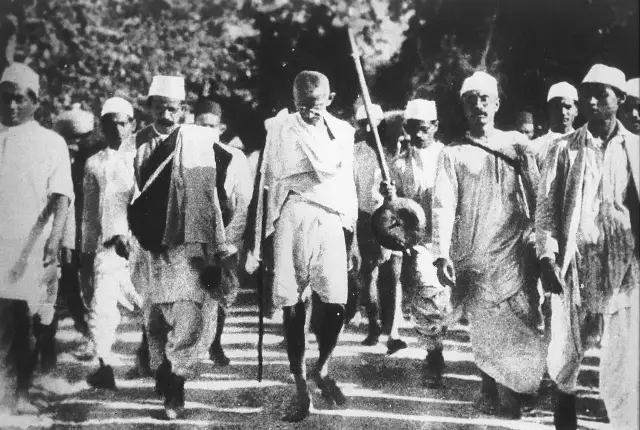
On April 6, 1930, Mahatma Gandhi broke Britain's salt laws at Dandi, ending a 24-day, 240-mile march that electrified India's independence movement.
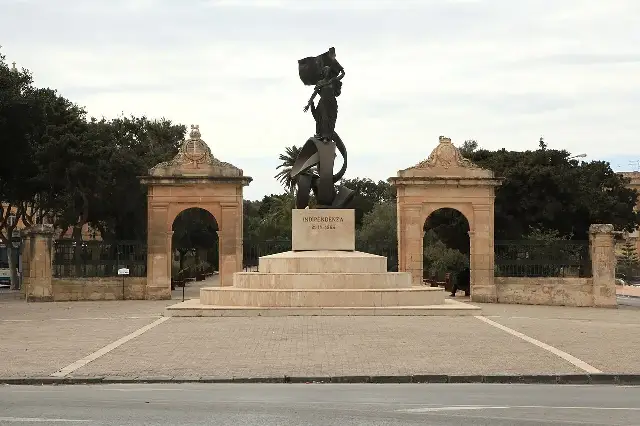
On September 21, 1964, Malta became an independent nation, ending a century and a half of British rule over the island fortress of the Mediterranean.
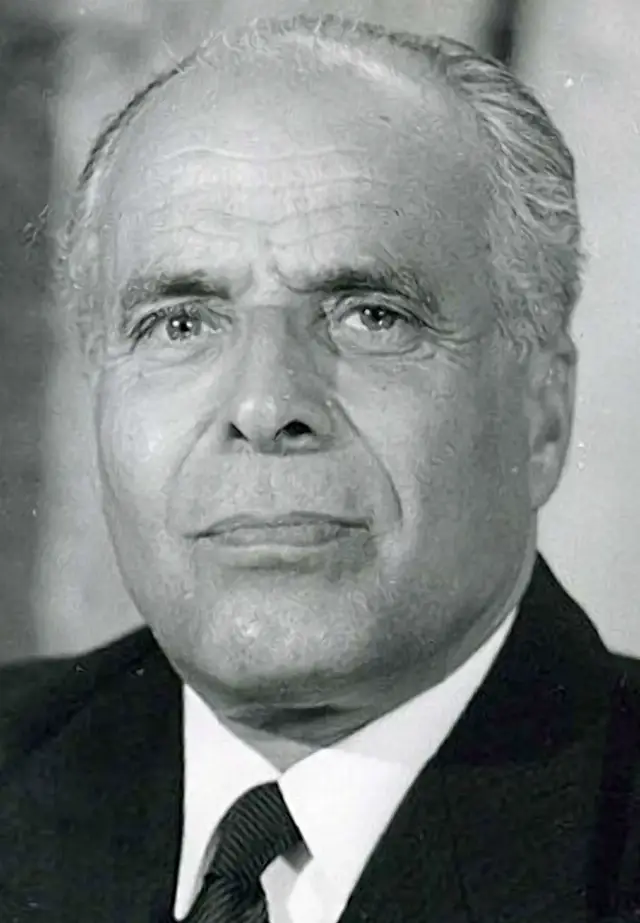
On March 20, 1956, France formally recognized Tunisia's independence, ending a 75-year protectorate and crowning Habib Bourguiba's decades-long struggle.
On December 12, 1963, Kenya became independent from Britain at a midnight ceremony in Nairobi, with Jomo Kenyatta as its first prime minister.
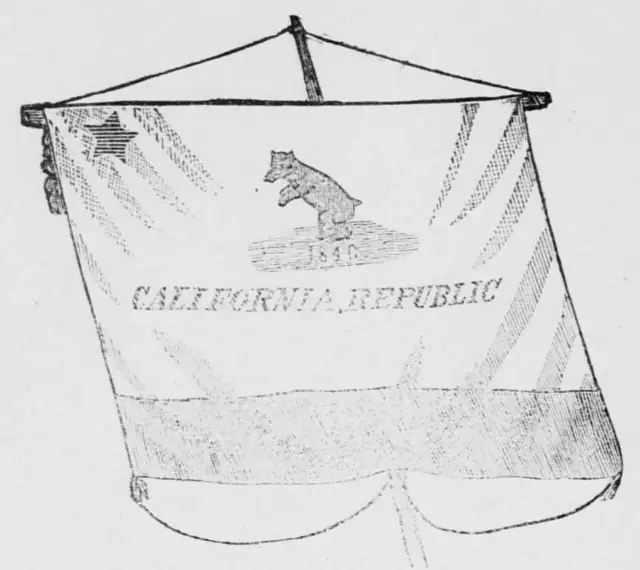
On June 14, 1846, American settlers seized the Mexican outpost at Sonoma and proclaimed the California Republic, raising a homemade grizzly bear flag.
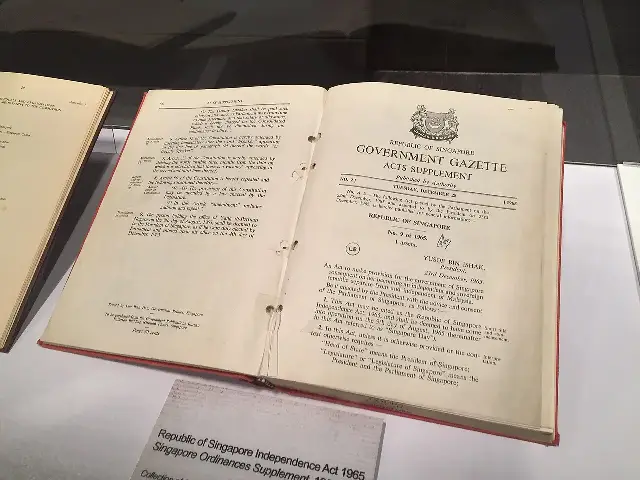
On August 9, 1965, Singapore was expelled from Malaysia and became a sovereign nation — an independence its own leader greeted with tears, not celebration.
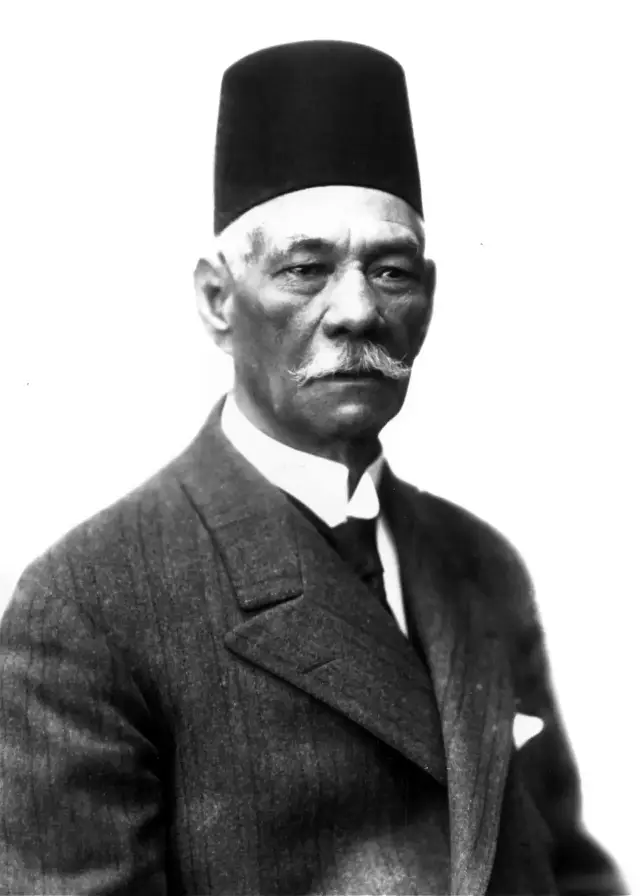
On February 28, 1922, Britain unilaterally declared Egypt an independent sovereign state — while reserving control of the Suez Canal, defense, and Sudan for itself.
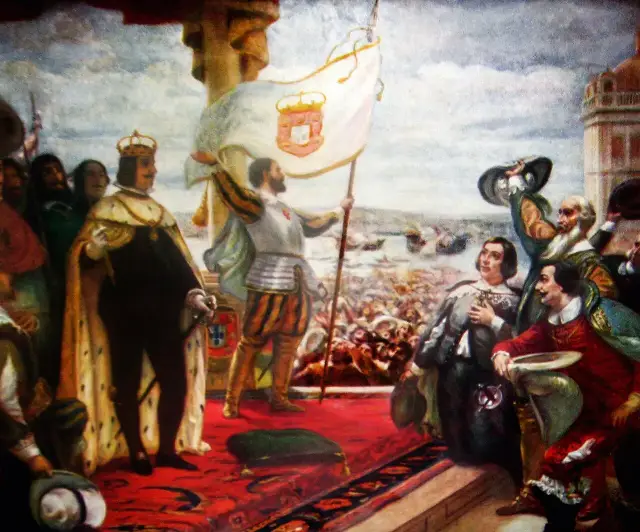
On December 1, 1640, the Forty Conspirators stormed Lisbon's royal palace and acclaimed the Duke of Braganza as King John IV, ending sixty years of Spanish rule.
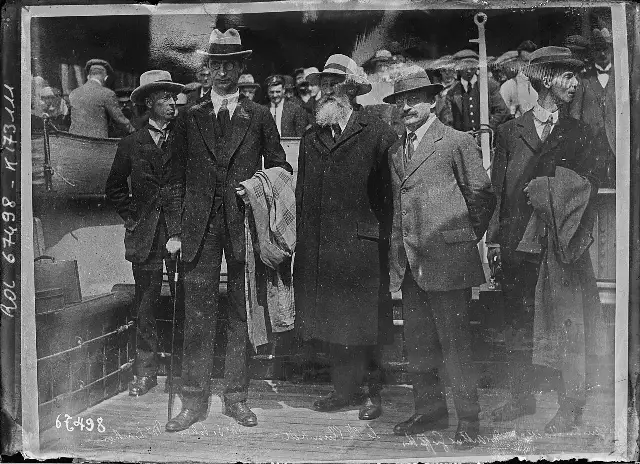
On December 6, 1921, Irish and British negotiators signed the Anglo-Irish Treaty in London, ending a brutal war — and setting the stage for another.
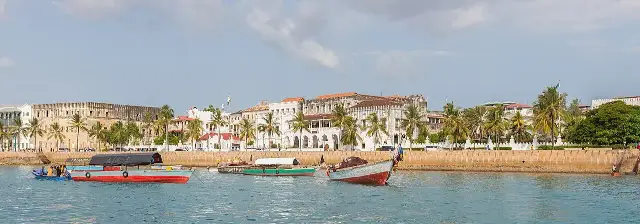
On April 26, 1964, the newly independent nations of Tanganyika and Zanzibar merged into a single country: Tanzania.
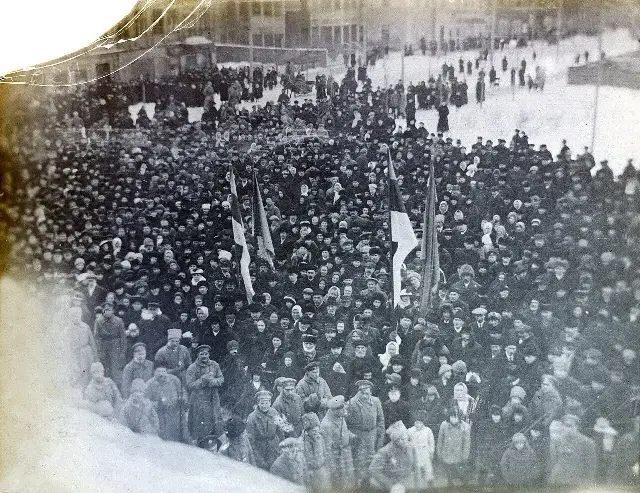
On February 24, 1918, Estonia seized a single day between two departing armies to declare itself an independent republic.
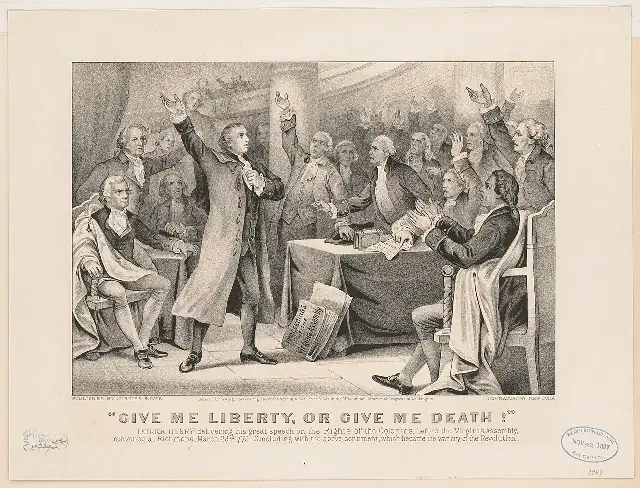
On March 23, 1775, Patrick Henry rose at St. John's Church in Richmond to demand Virginia arm its militia — and gave the Revolution its war cry.
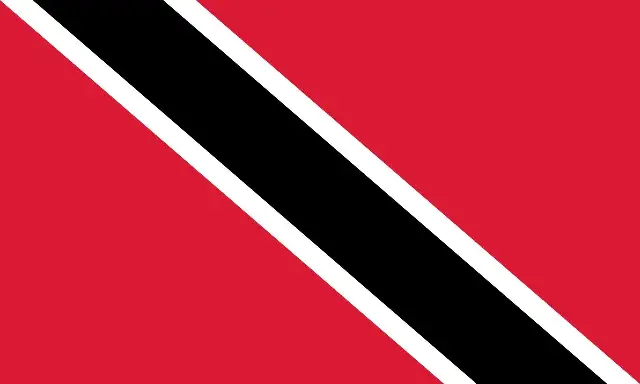
On August 31, 1962, Trinidad and Tobago became an independent nation, ending centuries of colonial rule under a new red, white, and black flag.
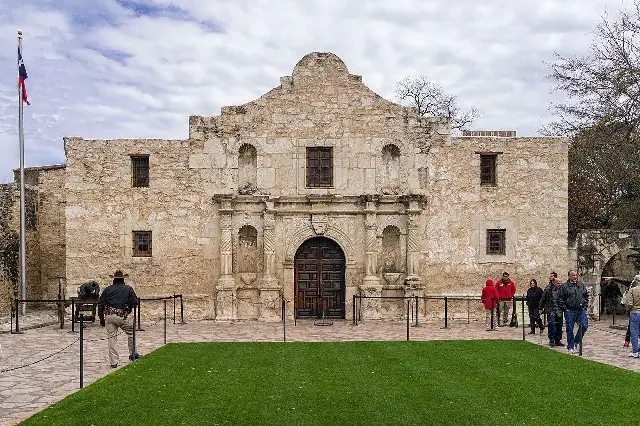
On March 6, 1836, Mexican forces overran the Alamo after a thirteen-day siege, and the defenders' stand became the rallying cry that won Texas its independence.
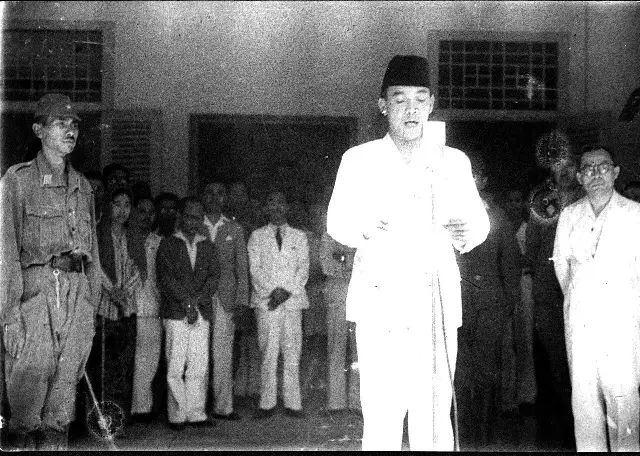
On August 17, 1945, Sukarno and Hatta proclaimed Indonesia's independence in Jakarta, birthing the world's fourth-largest nation.
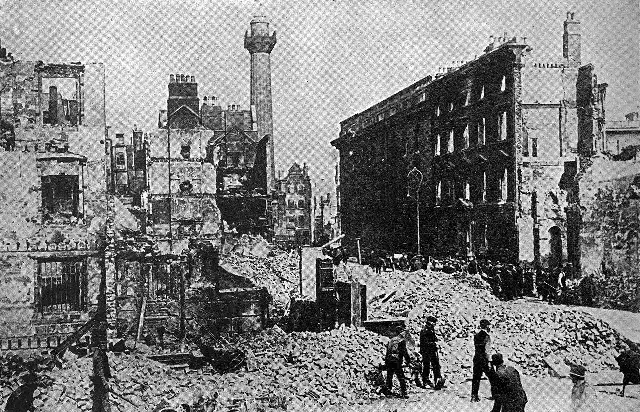
On April 29, 1916, Patrick Pearse surrendered unconditionally, ending the Easter Rising that set Ireland on the road to independence.
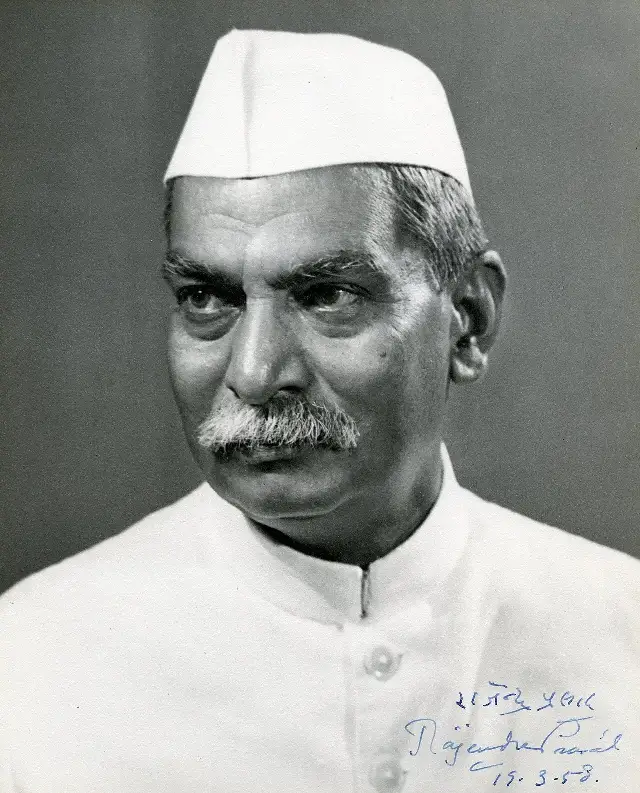
On January 26, 1950, India's new constitution took effect, making the country a republic with Rajendra Prasad as its first president.
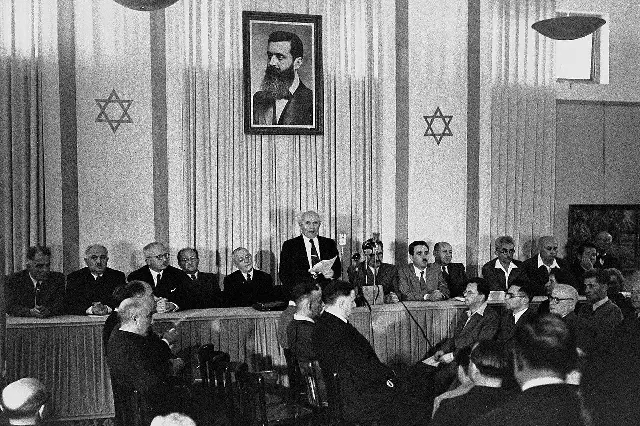
On May 14, 1948, David Ben-Gurion proclaimed the State of Israel at the Tel Aviv Museum in a 32-minute ceremony, hours before the British Mandate expired at midnight.
On April 21, 1836, Sam Houston's outnumbered Texians routed Santa Anna's Mexican army in an eighteen-minute battle that won Texas its independence.
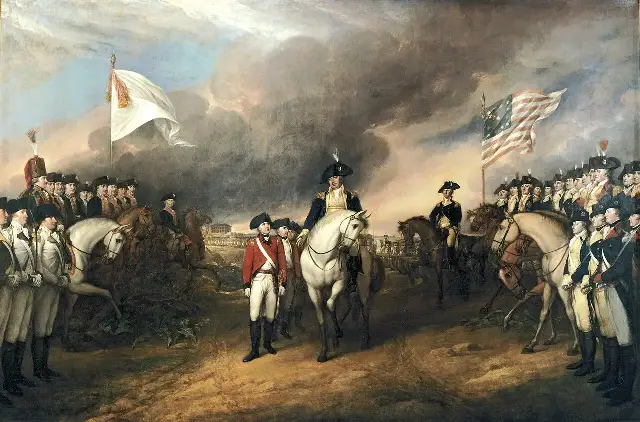
On October 19, 1781, nearly 7,100 British troops laid down their arms at Yorktown, Virginia — effectively winning America its independence.
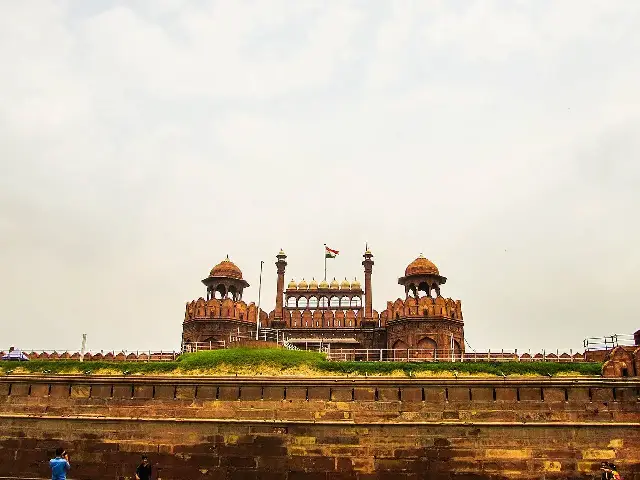
On August 15, 1947, India became an independent nation, ending nearly two centuries of British colonial rule.
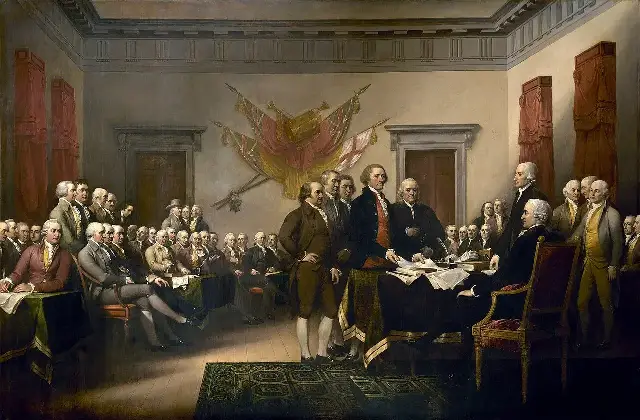
On July 4, 1776, the Continental Congress adopted the Declaration of Independence, giving the American Revolution its immortal voice.
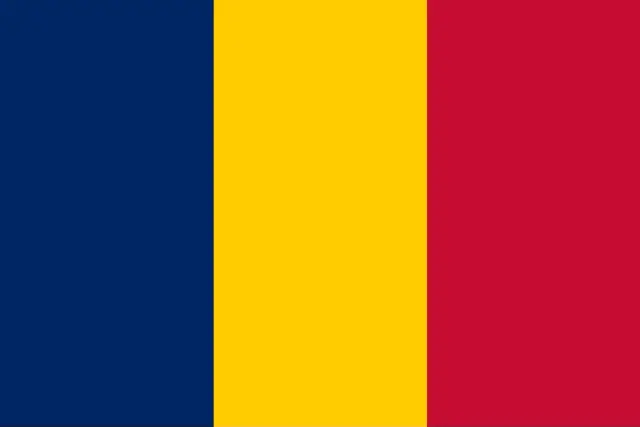
On August 11, 1960, the African nation of Chad proclaimed its independence from French rule and stepped onto the world stage.
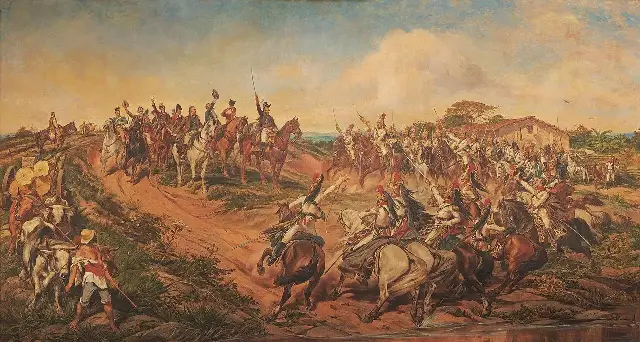
On September 7, 1822, Prince Dom Pedro raised his sword on the banks of the Ipiranga River and shouted "Independence or Death!" — and Brazil was born.