The Pale Blue Dot: Earth's Portrait From 6 Billion Kilometers
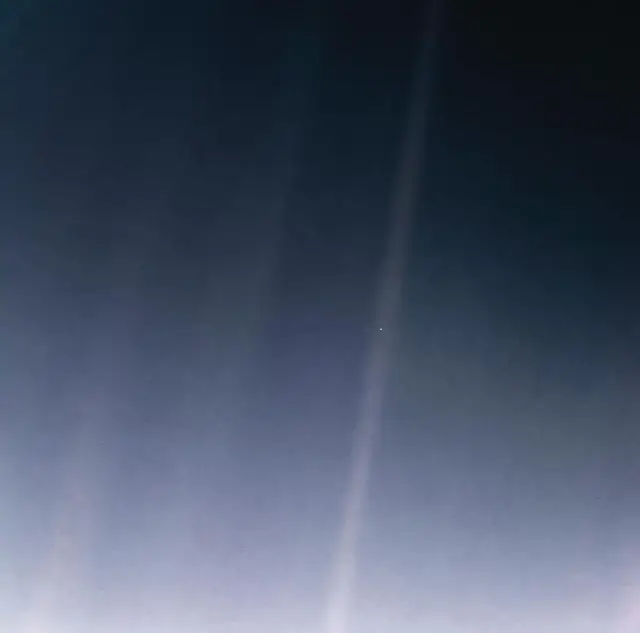
On Valentine's Day 1990, Voyager 1 turned its camera home one last time and photographed Earth as a single pale-blue pixel -- the most distant portrait of our planet ever taken.


On Valentine's Day 1990, Voyager 1 turned its camera home one last time and photographed Earth as a single pale-blue pixel -- the most distant portrait of our planet ever taken.
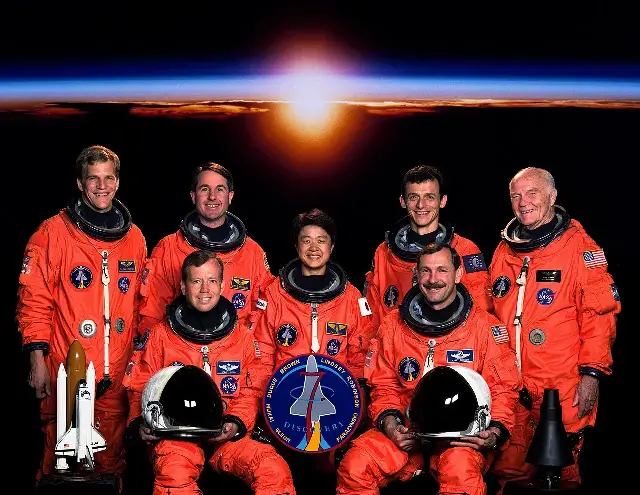
On October 29, 1998, 77-year-old John Glenn rode the shuttle Discovery back into orbit, 36 years after he became the first American to circle the Earth.
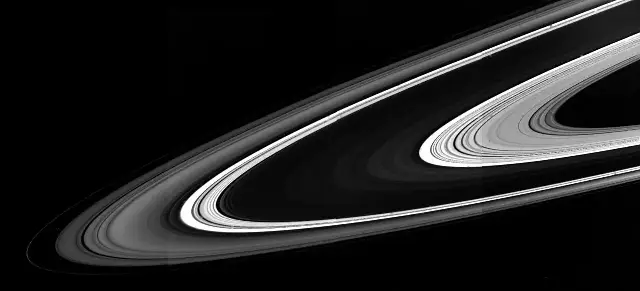
On November 12, 1980, Voyager 1 flew within 78,000 miles of Saturn, revealing braided rings, new moons, and Titan's thick nitrogen atmosphere.
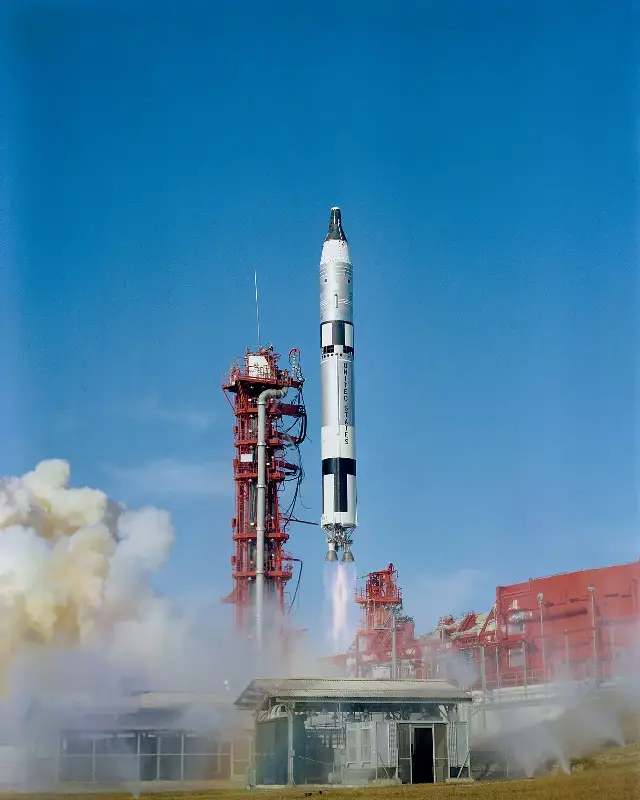
On November 11, 1966, Gemini 12 launched with James Lovell and Buzz Aldrin, whose 5.5 hours of spacewalks proved astronauts could work outside a capsule.
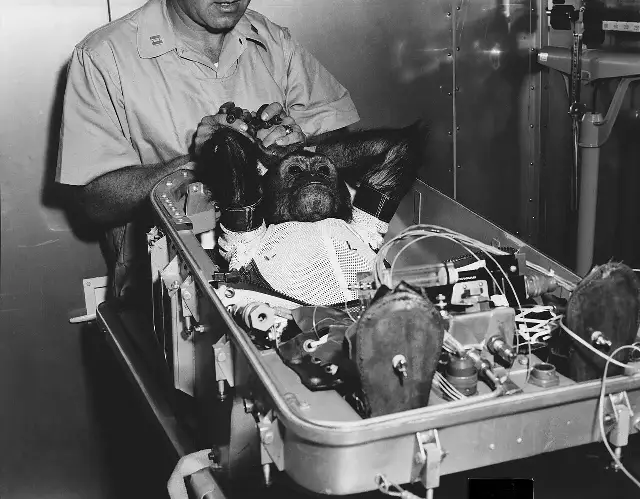
On November 29, 1961, a five-year-old chimpanzee named Enos rode NASA's Mercury-Atlas 5 into orbit — and when a faulty lever shocked him dozens of times, he kept working anyway.
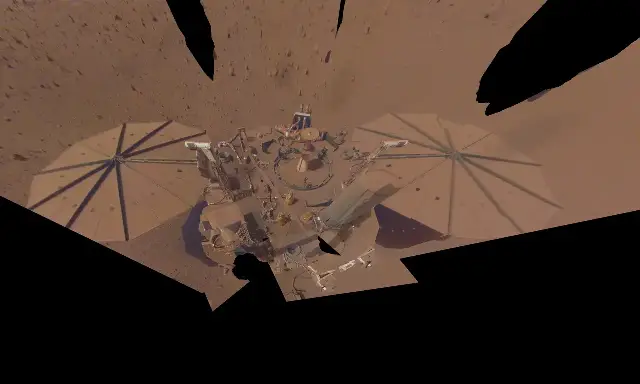
On November 26, 2018, NASA's InSight lander touched down on Mars to take the planet's pulse — listening for marsquakes and probing its hidden interior.
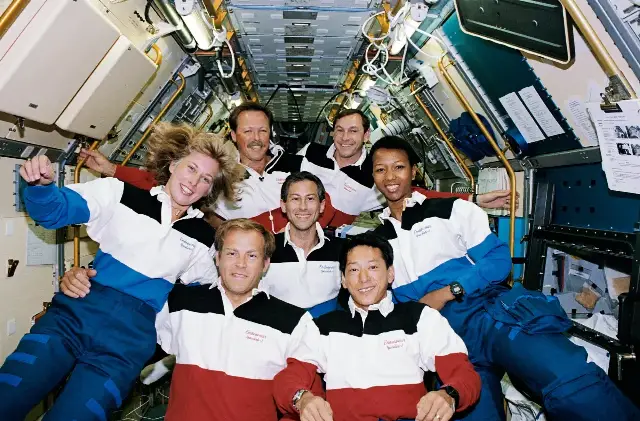
On September 12, 1992, the space shuttle Endeavour carried Mae Jemison into orbit, making her the first African-American woman in space.
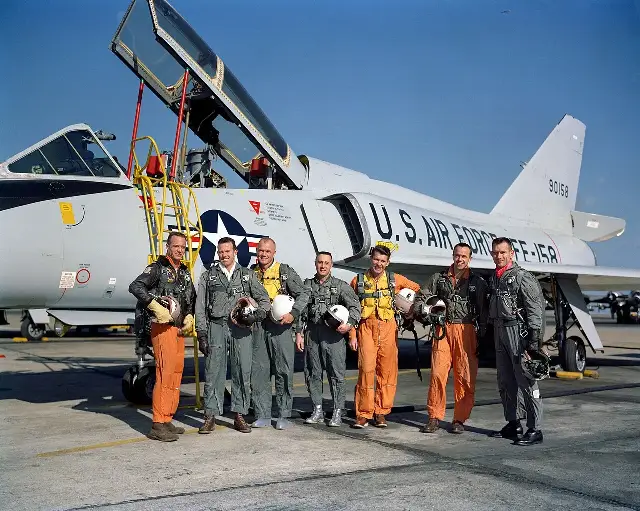
On April 9, 1959, NASA introduced the Mercury Seven — Carpenter, Cooper, Glenn, Grissom, Schirra, Shepard, and Slayton — America's first astronauts, at a press conference in Washington, D.C.
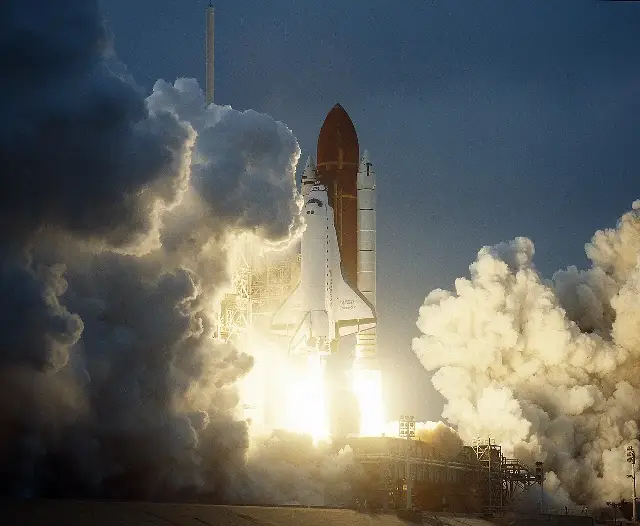
On May 7, 1992, the space shuttle Endeavour launched on its maiden voyage — and its crew pulled off the only three-person spacewalk in history to rescue a stranded satellite.
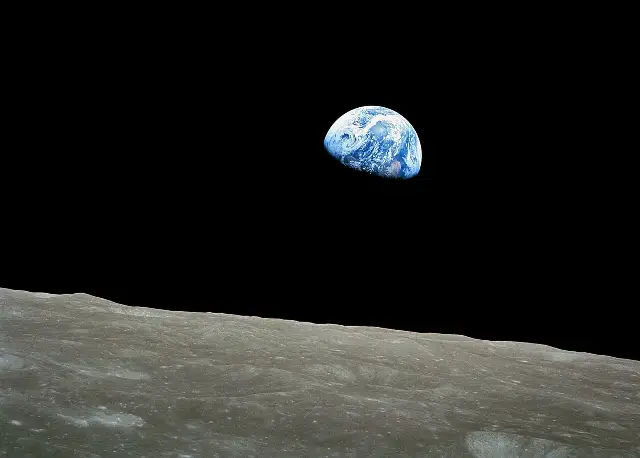
On Christmas Eve 1968, the crew of Apollo 8 broadcast live from lunar orbit, reading from Genesis and giving the world the iconic 'Earthrise' photo.
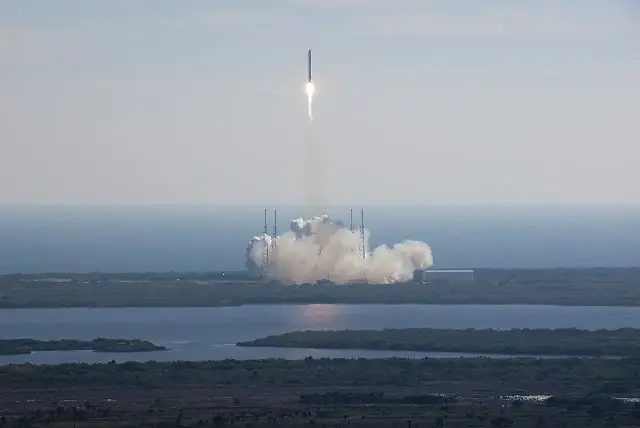
On December 8, 2010, SpaceX's Dragon capsule orbited Earth and splashed down safely -- a first for any private company.
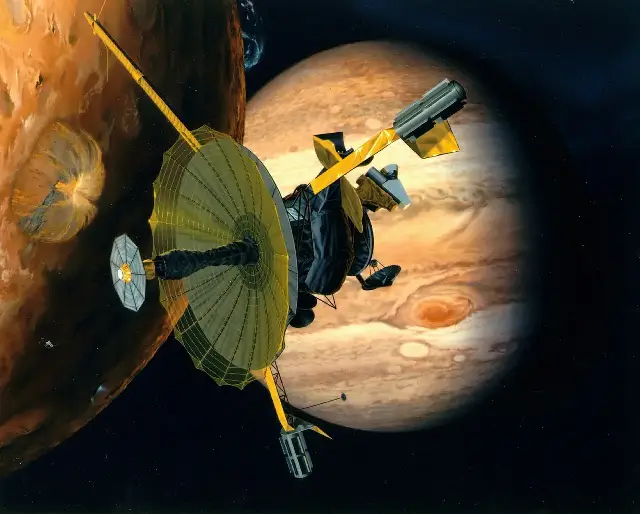
On December 7, 1995, NASA's Galileo spacecraft arrived at Jupiter, becoming the first craft to orbit an outer planet.
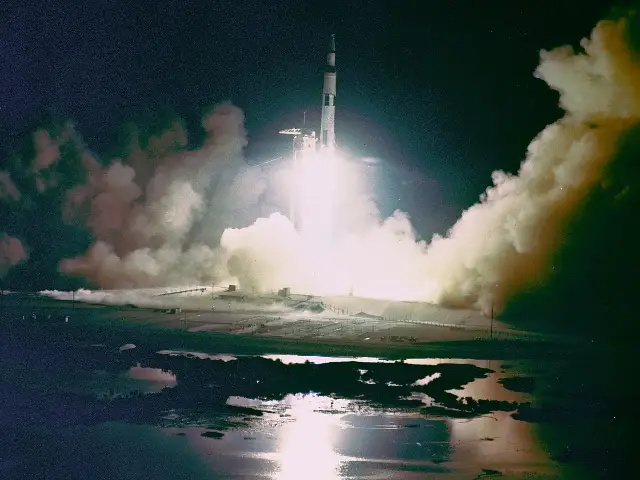
On December 7, 1972, Apollo 17 lifted off for the Moon, the last crewed mission ever to leave Earth orbit.
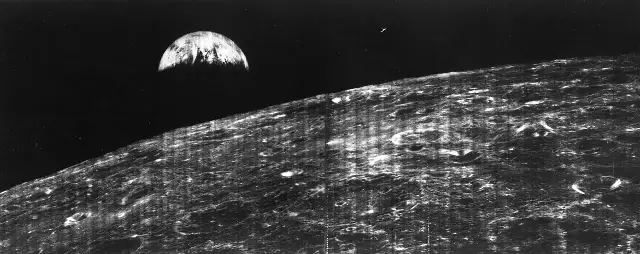
On August 23, 1966, a NASA spacecraft orbiting the Moon turned its camera homeward and took the first photograph of Earth from another world.
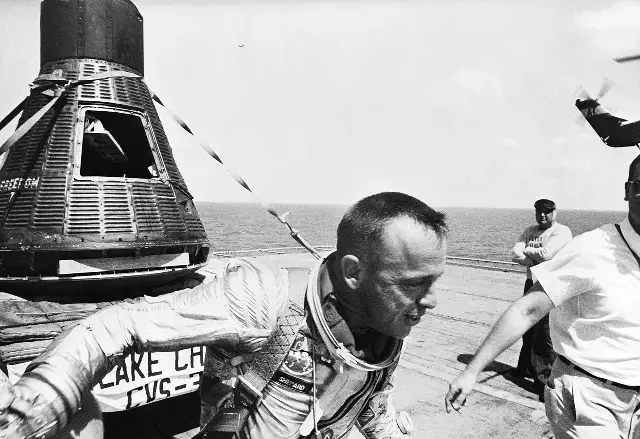
On May 5, 1961, Navy pilot Alan Shepard rode a Redstone rocket 116 miles up and became the first American in space — 23 days after the Soviets got there first.
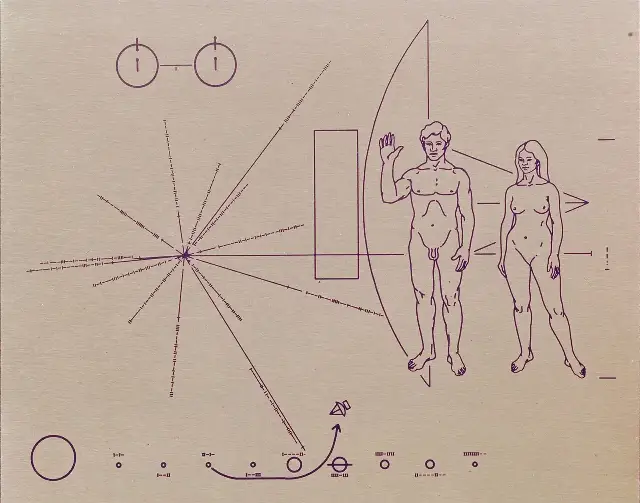
On June 13, 1983, NASA's Pioneer 10 crossed Neptune's orbit and became the first human-made object to travel beyond all the major planets.
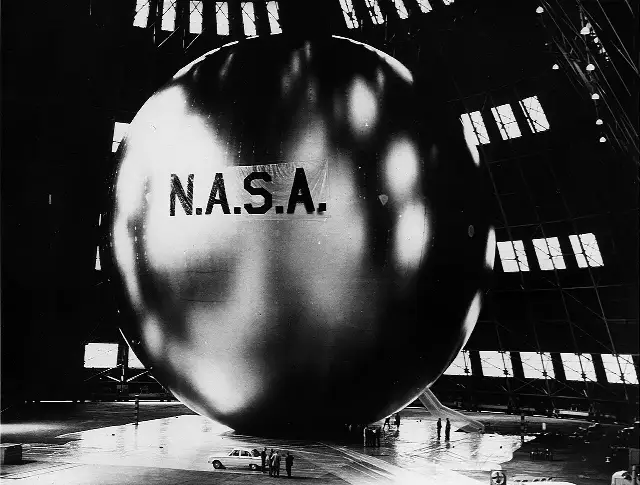
On August 12, 1960, NASA launched a 100-foot balloon into orbit — a passive satellite that bounced phone calls and TV signals around the world.
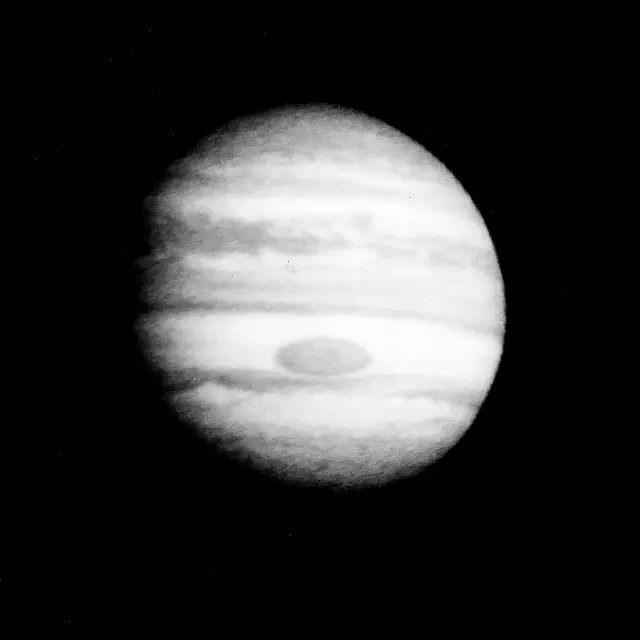
On December 3, 1973, NASA's Pioneer 10 swept past Jupiter, returning humanity's first close-up images of the giant planet.
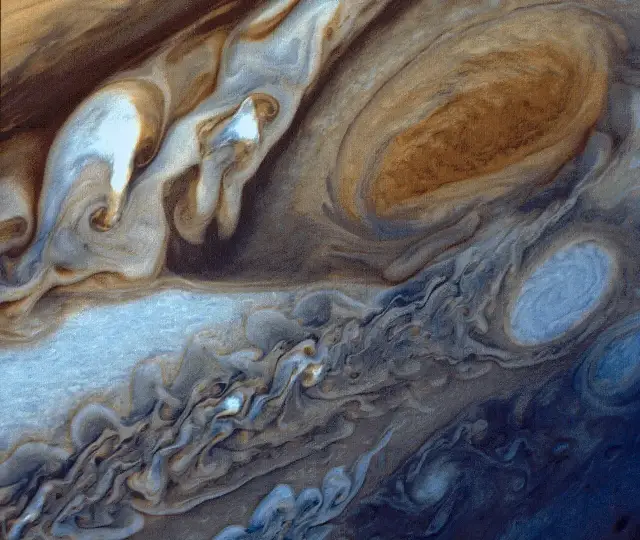
On March 5, 1979, a car-sized robot swept past Jupiter and rewrote the textbooks — finding erupting volcanoes on Io and a ring no one expected.
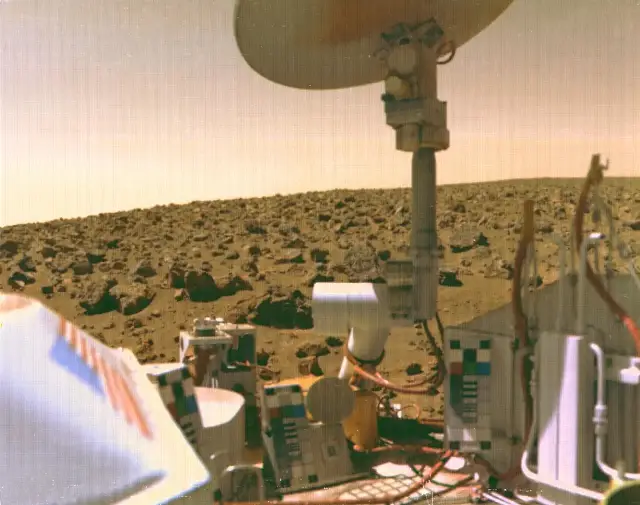
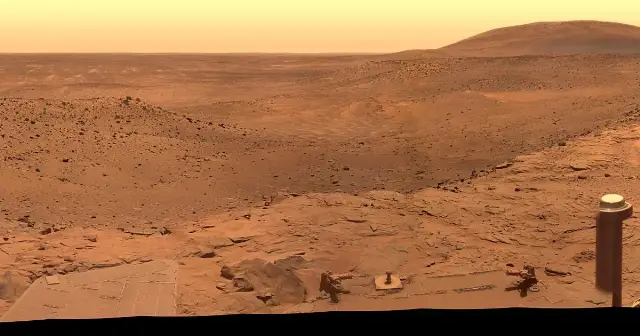
On September 3, 1976, NASA's Viking 2 lander touched down on Mars at Utopia Planitia, tilted on a rock, and began the first serious hunt for Martian life.
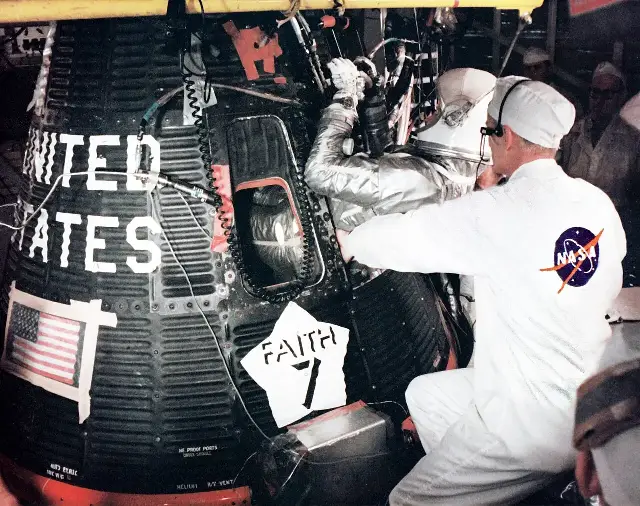
On May 15, 1963, Gordon Cooper flew 22 orbits in Faith 7 — the last time an American ever launched alone into orbit.
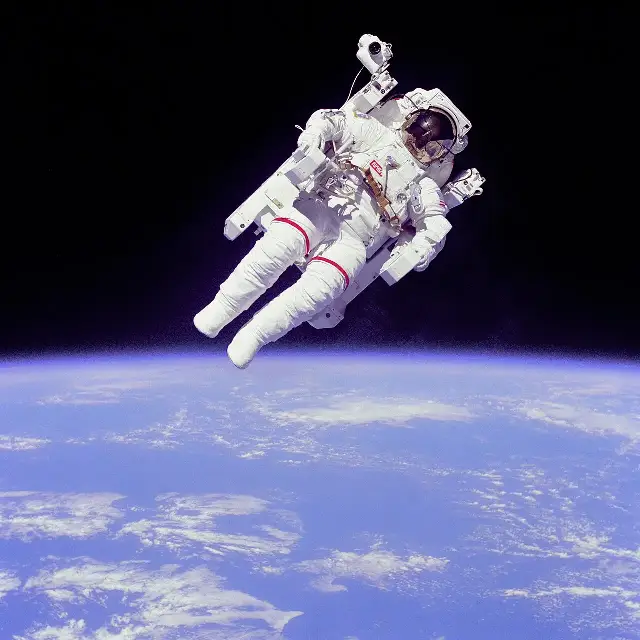
On February 7, 1984, astronaut Bruce McCandless II made the first untethered spacewalk, flying free from the space shuttle Challenger.
On December 4, 1965, astronauts Frank Borman and Jim Lovell launched aboard Gemini 7 for a grueling two-week mission that proved humans could survive the trip to the Moon.
On November 19, 1969, Apollo 12's lunar module Intrepid touched down on the Moon within walking distance of a robot probe that had been sitting there since 1967.
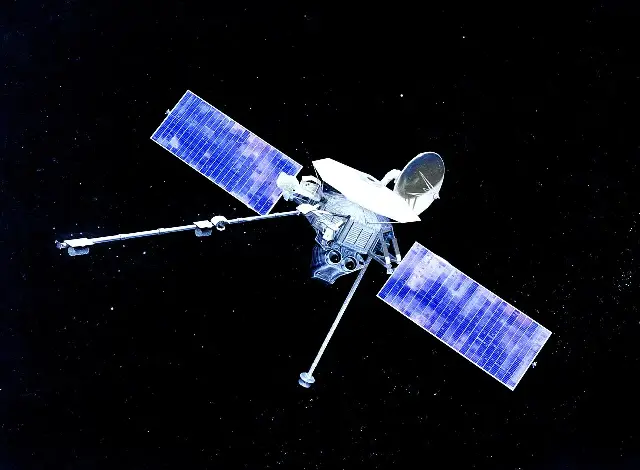
On March 29, 1974, NASA's Mariner 10 became the first spacecraft to fly past Mercury, revealing a cratered, moonlike world no telescope had ever resolved.
On August 30, 1983, Guion 'Guy' Bluford launched aboard Challenger's STS-8 mission, becoming the first African American in space.
On January 4, 2004, NASA's Spirit rover bounced to a landing inside Mars' Gusev Crater, starting a 90-day mission that would stretch into more than six years of exploration.
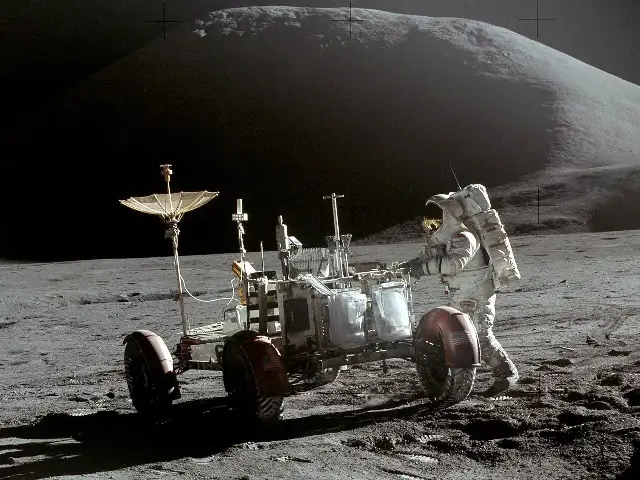
On July 31, 1971, Apollo 15 astronauts David Scott and Jim Irwin unfolded the Lunar Roving Vehicle and became the first humans to drive on the Moon.
On July 30, 1971, Apollo 15's lunar module Falcon settled beside Hadley Rille, beginning the most ambitious geological expedition ever attempted on another world.
On July 29, 1958, President Eisenhower signed the National Aeronautics and Space Act, creating a civilian space agency that would reach the Moon within eleven years.
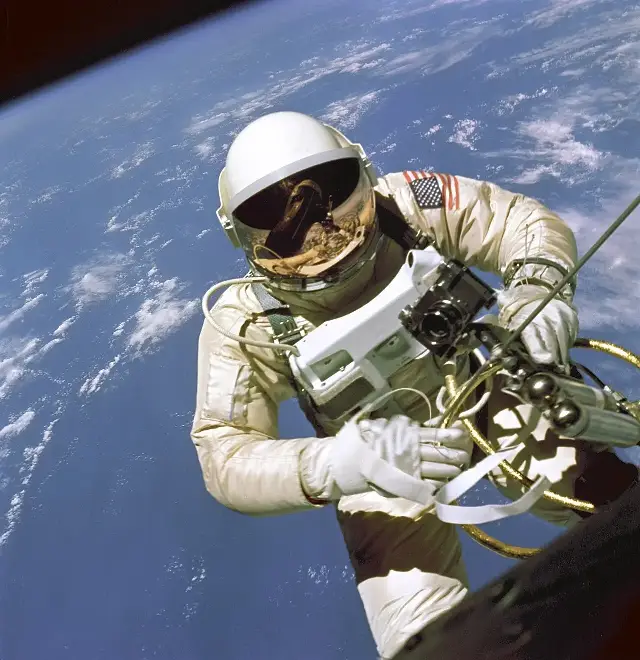
On June 3, 1965, astronaut Ed White floated out of Gemini 4 and became the first American to walk in space — and called coming back 'the saddest moment of my life.'
Twenty-one months after the Apollo 1 fire killed three astronauts, Apollo 7 launched on October 11, 1968 — and proved America could still reach the Moon.
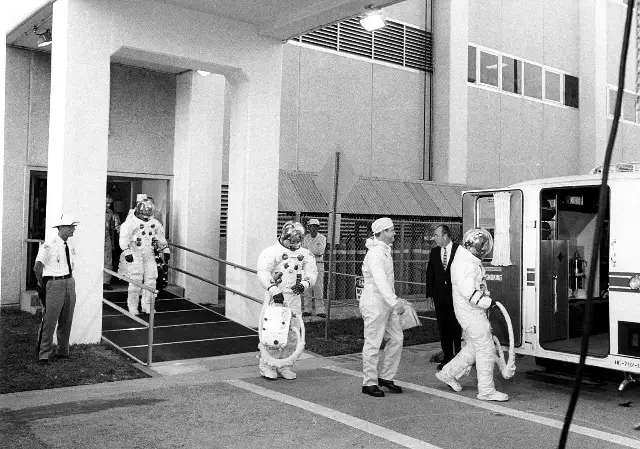
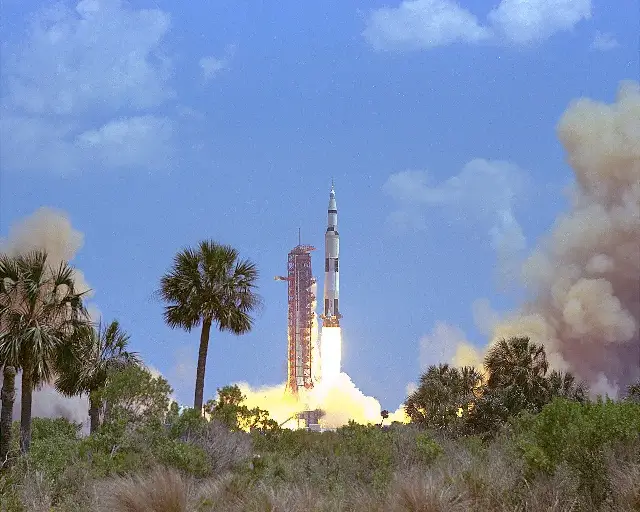
On April 16, 1972, Apollo 16 blasted off for the Moon — and a mid-flight malfunction nearly turned it back before it landed.
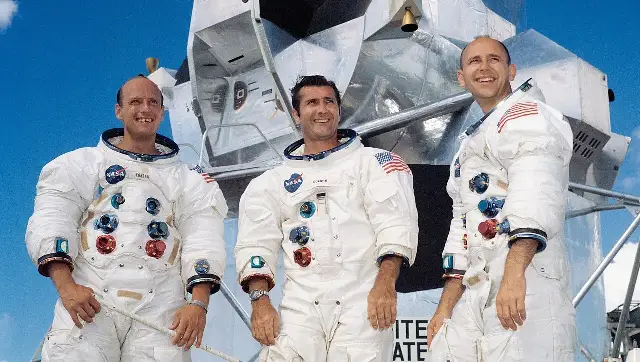
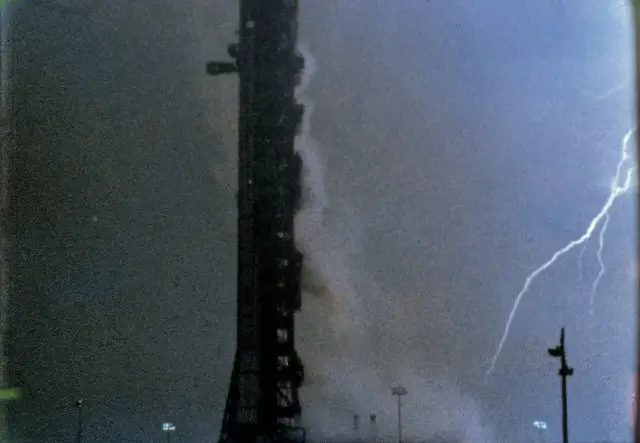
On November 14, 1969, lightning struck Apollo 12 twice just seconds after liftoff — but a young flight controller's quick thinking saved the moon mission.
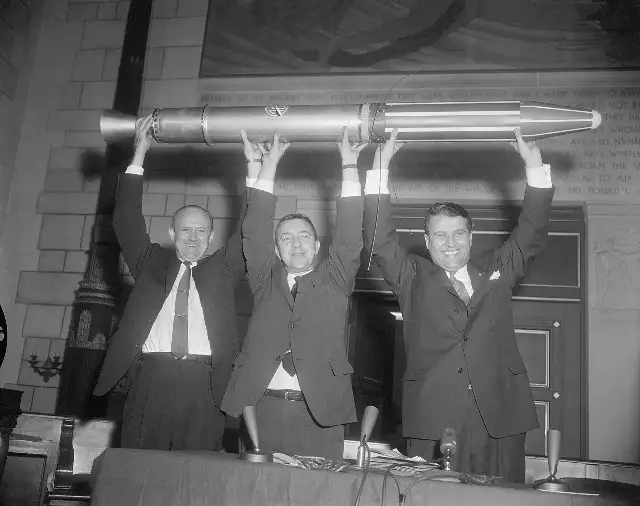
On January 31, 1958, Explorer 1 became America's first satellite, launched in just 84 days — and it discovered the radiation belts circling Earth.
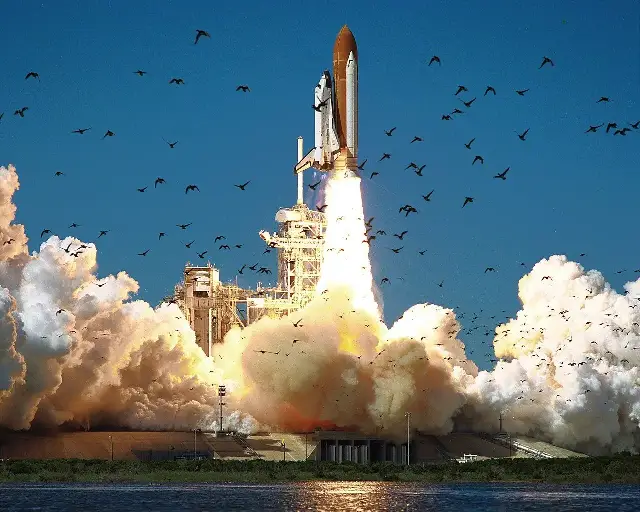
On January 28, 1986, the space shuttle Challenger broke apart 73 seconds after liftoff, claiming the lives of all seven crew members.
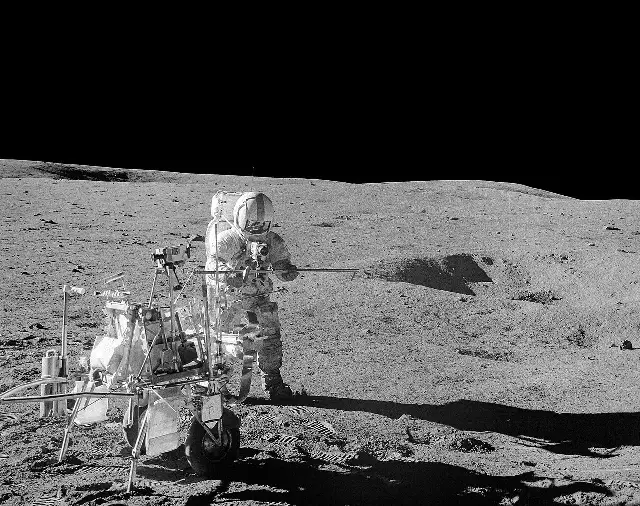
On February 5, 1971, Apollo 14 landed at Fra Mauro — and before leaving, commander Alan Shepard hit two golf balls across the lunar surface.
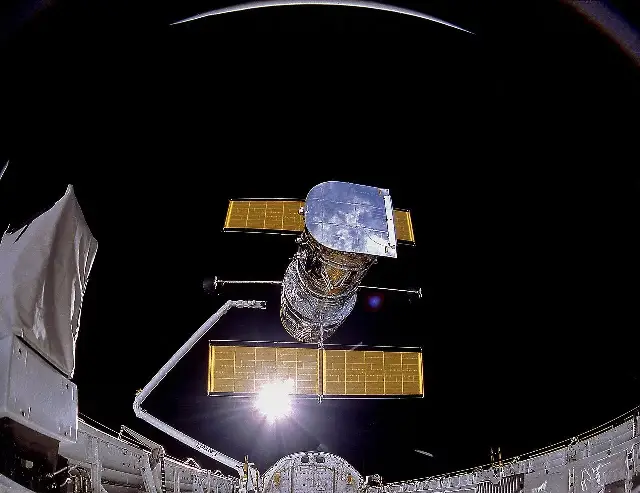
On April 25, 1990, the crew of Space Shuttle Discovery released the Hubble Space Telescope into orbit, opening humanity's clearest window on the cosmos.
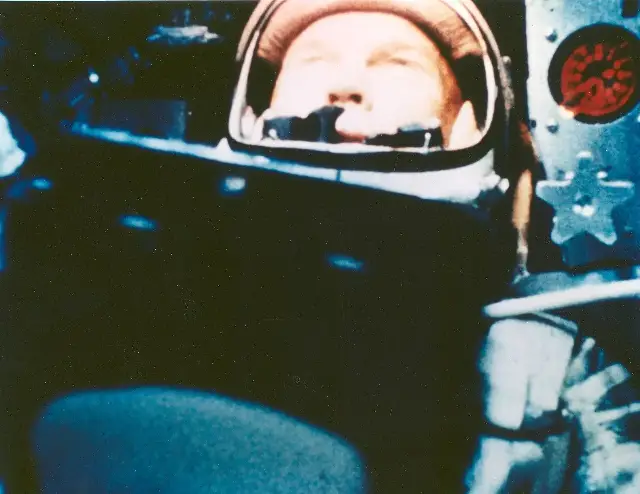
On February 20, 1962, John Glenn became the first American to orbit the Earth, circling the globe three times aboard the Mercury capsule Friendship 7.
Launched July 10, 1962, a tiny satellite beamed the first live television pictures across the Atlantic — and TV went global.
On July 20, 1969, the lunar module Eagle touched down in the Sea of Tranquility, and that night Neil Armstrong stepped onto the lunar surface — the first human on another world.
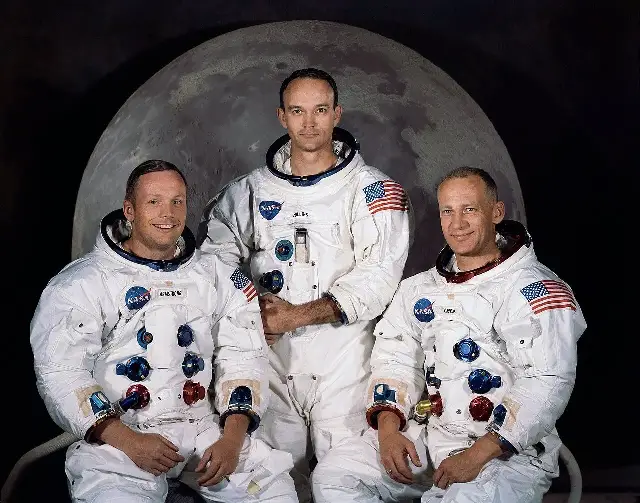
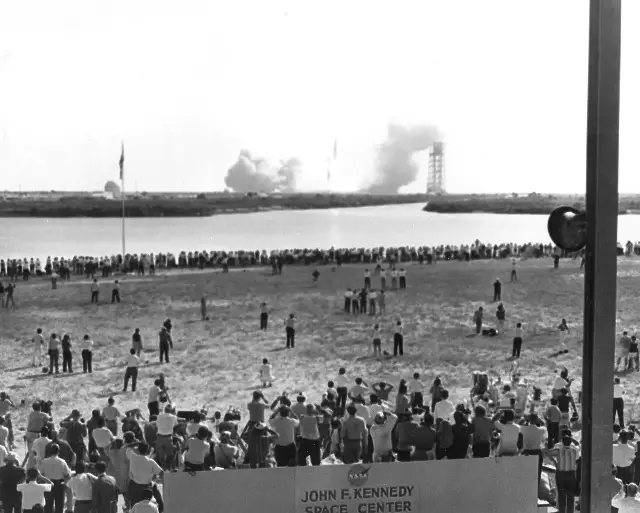
On July 16, 1969, a 363-foot Saturn V carried Neil Armstrong, Michael Collins, and Buzz Aldrin off Launch Complex 39A, beginning the first mission to land humans on the Moon.
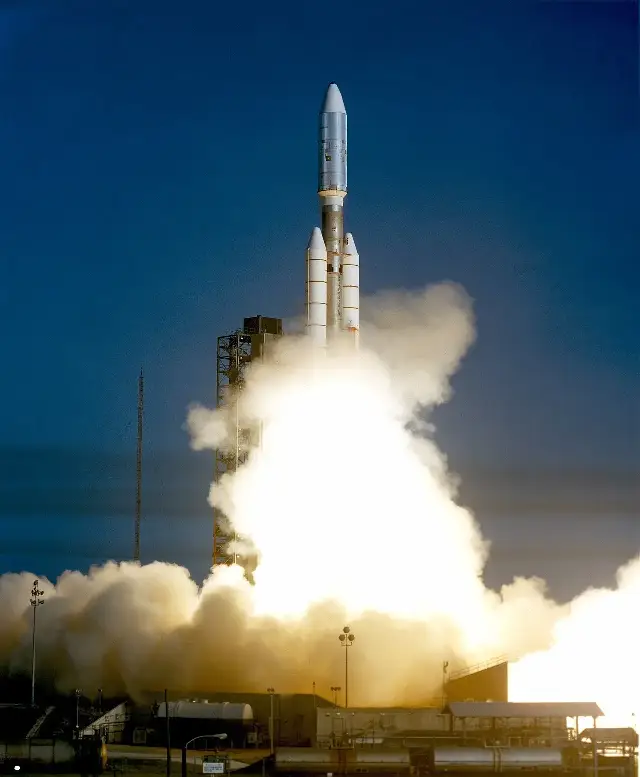
On September 5, 1977, NASA launched Voyager 1 — a probe built for five years that became the most distant human-made object in history.