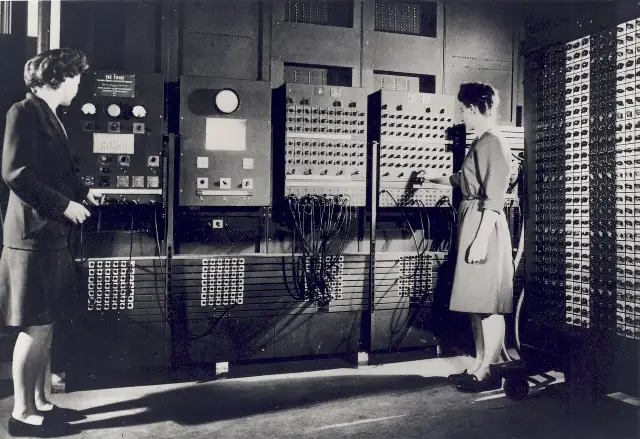
ENIAC: The 30-Ton Brain That Launched the Computer Age
On February 14, 1946, the Army and the University of Pennsylvania unveiled ENIAC, the first general-purpose electronic computer -- and it could out-calculate an artillery shell in flight.


On February 14, 1946, the Army and the University of Pennsylvania unveiled ENIAC, the first general-purpose electronic computer -- and it could out-calculate an artillery shell in flight.
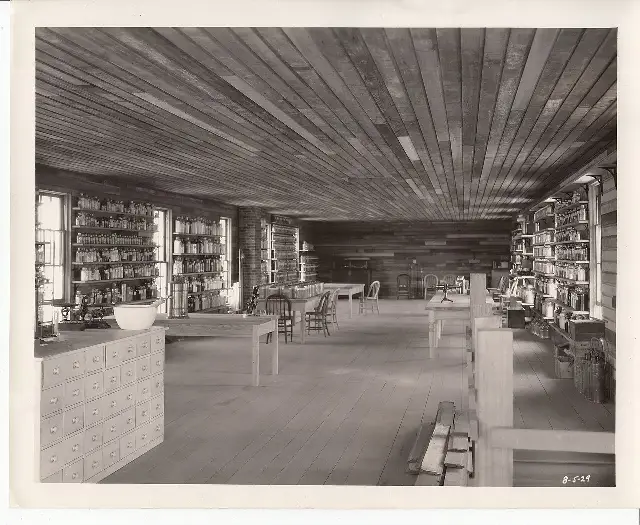
On October 21, 1879, a carbonized cotton thread filament burned for 13½ hours in Thomas Edison's Menlo Park laboratory, proving the practical light bulb.
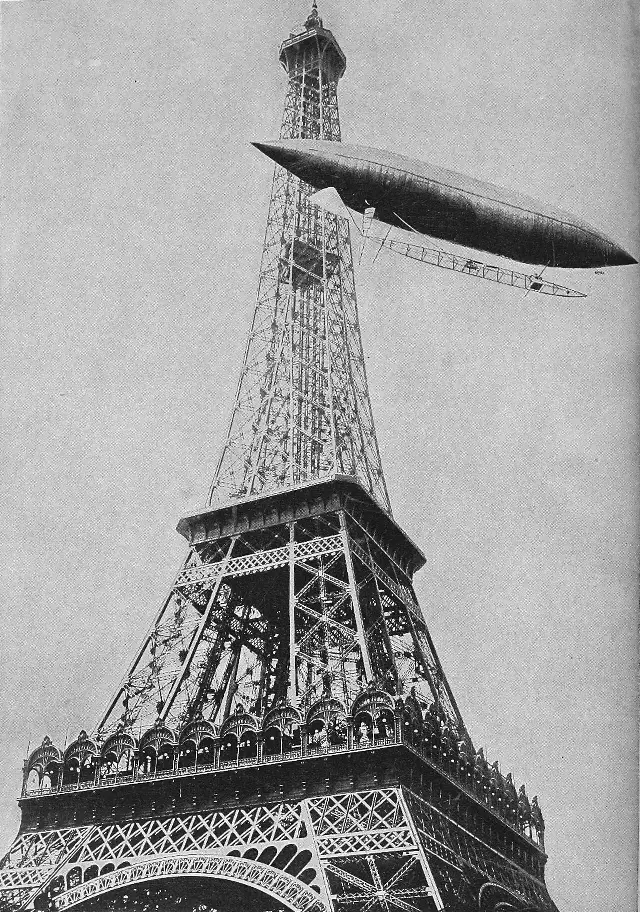
On October 19, 1901, Alberto Santos-Dumont flew his airship from Saint-Cloud around the Eiffel Tower and back in 29 minutes 30 seconds, winning a 100,000-franc prize after his engine quit mid-flight.
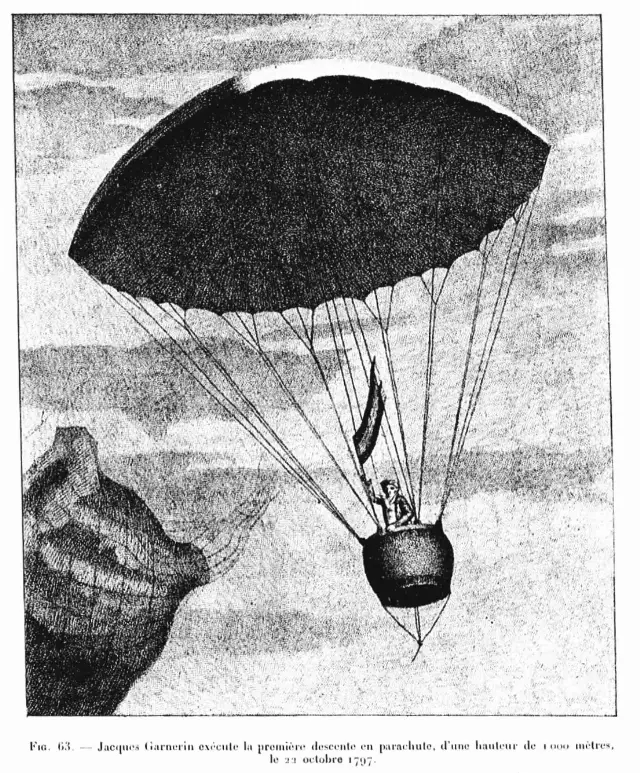
On October 22, 1797, French balloonist André-Jacques Garnerin cut loose from a hydrogen balloon 3,000 ft over Paris and floated down under silk — the first successful high-altitude parachute descent.
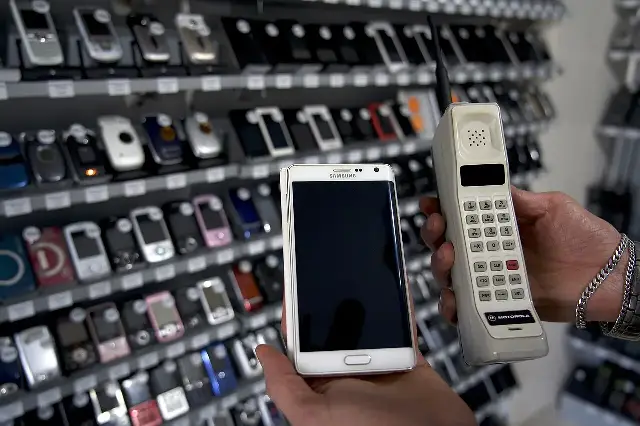
On April 3, 1973, Motorola engineer Martin Cooper made the first public call from a handheld cell phone on a New York sidewalk.
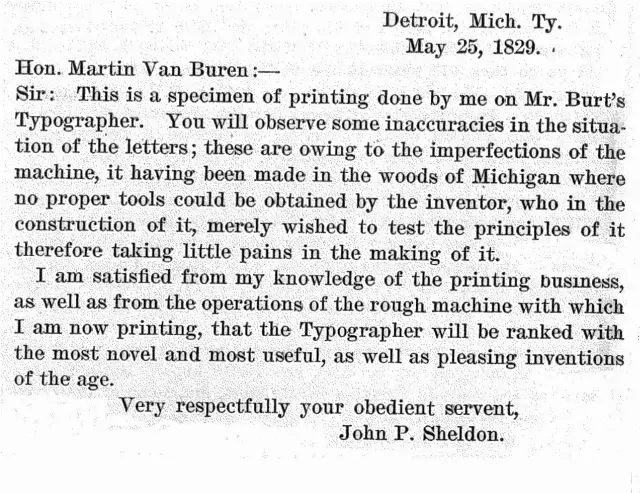
On July 23, 1829, Michigan surveyor William Austin Burt patented the 'Typographer' — the first working typewriter built in America, though its own demonstrator apologized for the crooked letters.
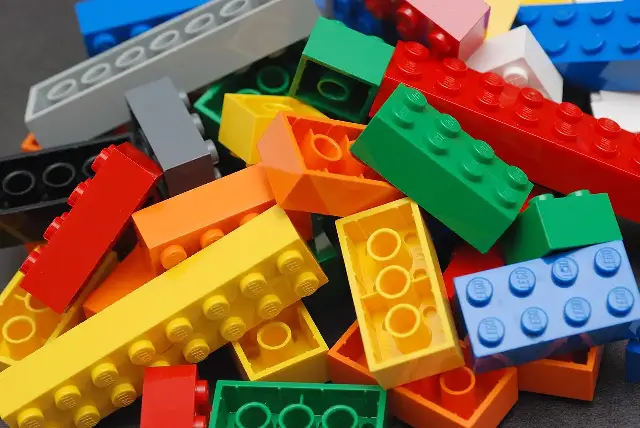
On January 28, 1958, Godtfred Kirk Christiansen filed the patent for the stud-and-tube LEGO brick — the tiny design that turned a Danish toy into a global icon.
On July 17, 1902, a 25-year-old engineer submitted drawings for a humidity-control system that became the world's first modern air conditioner.
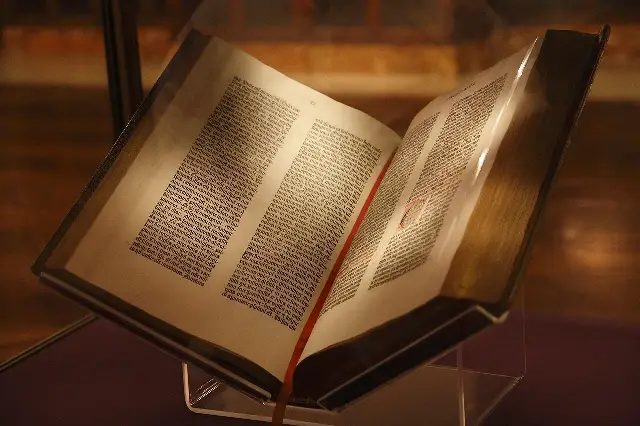
Johannes Gutenberg, who introduced movable-type printing to Europe, died in Mainz on February 3, 1468, after an invention that put books within reach of ordinary people for the first time.
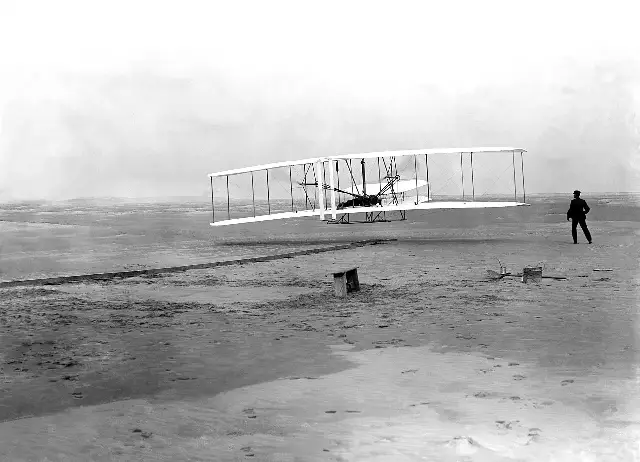
On May 22, 1906, the Wright brothers were granted U.S. Patent 821,393 for their flying machine — the three-axis control system that made powered flight truly controllable.
On May 8, 1886, the first glass of Coca-Cola was sold for five cents at an Atlanta pharmacy — a slow start for what became the world's most recognized brand.
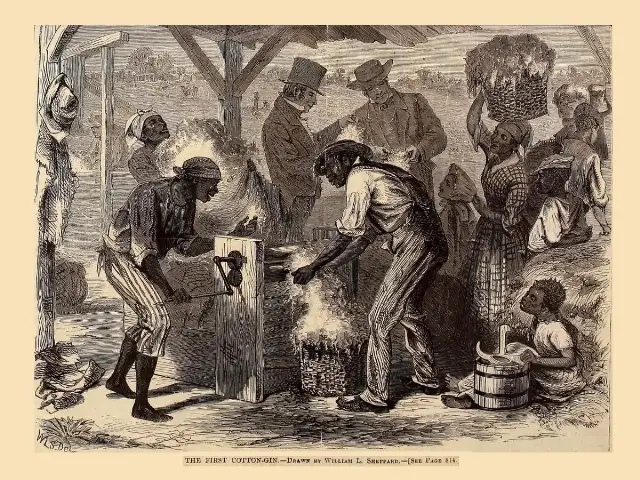
On March 14, 1794, Eli Whitney received a patent for the cotton gin, an invention meant to ease labor that instead fueled the brutal expansion of slavery.
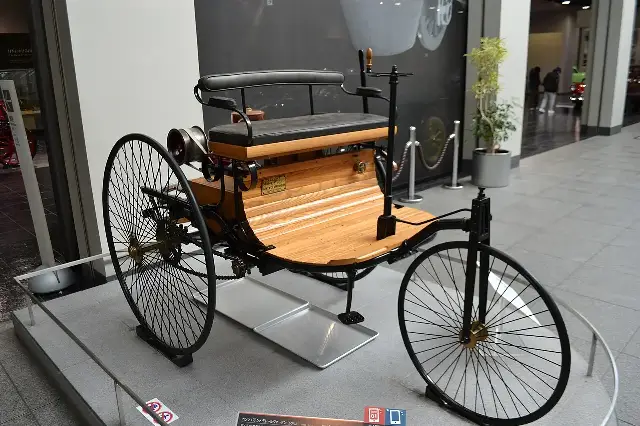
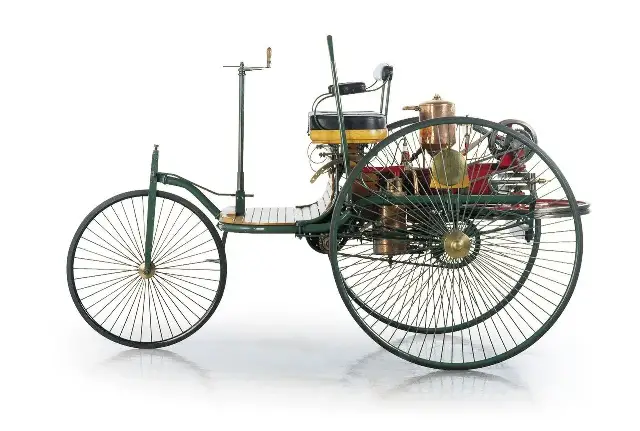
On July 3, 1886, Karl Benz drove his three-wheeled Motorwagen down a Mannheim street — the public debut of the automobile.
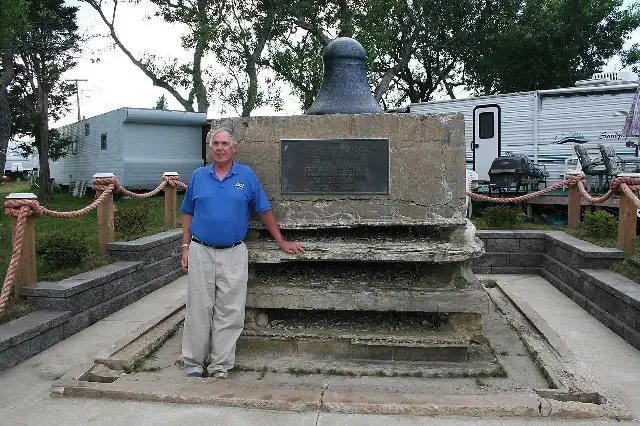
On Christmas Eve 1906, Reginald Fessenden transmitted what is remembered as the first radio broadcast of music and voice from Brant Rock, Massachusetts.
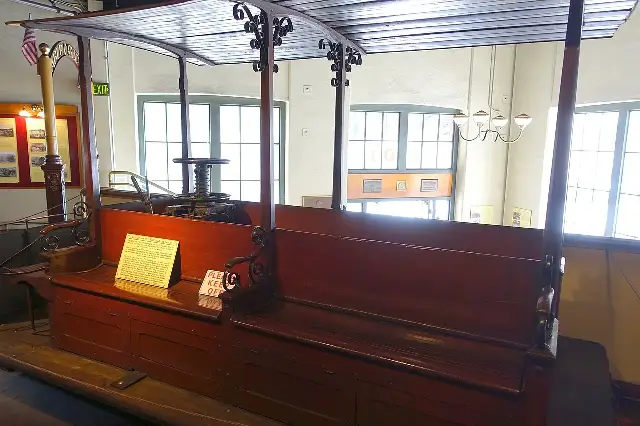
In the pre-dawn hours of August 2, 1873, Andrew Hallidie's cable car made its first successful test run up San Francisco's Clay Street — and changed city transit forever.
On June 23, 1868, Christopher Latham Sholes and two partners received the patent for a writing machine that would put a keyboard under the world's fingers.
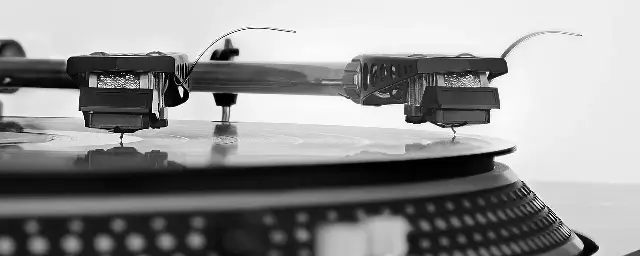
On June 21, 1948, Columbia Records unveiled the 33 1/3 rpm long-playing record at the Waldorf Astoria, launching the album era.
On June 15, 1844, Charles Goodyear received U.S. Patent No. 3,633 for vulcanized rubber, turning a sticky curiosity into a material of the modern world.
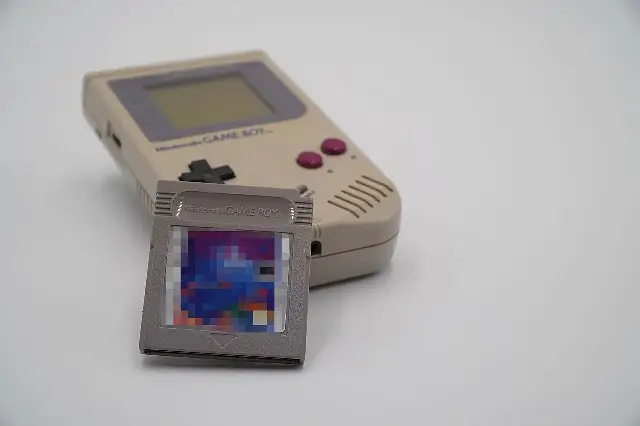
On June 6, 1984, Soviet researcher Alexey Pajitnov completed the first playable Tetris — a game of falling blocks that would conquer the world.
On June 6, 1933, Richard Hollingshead opened the world's first drive-in theater in Camden, New Jersey, after inventing it in his own backyard.
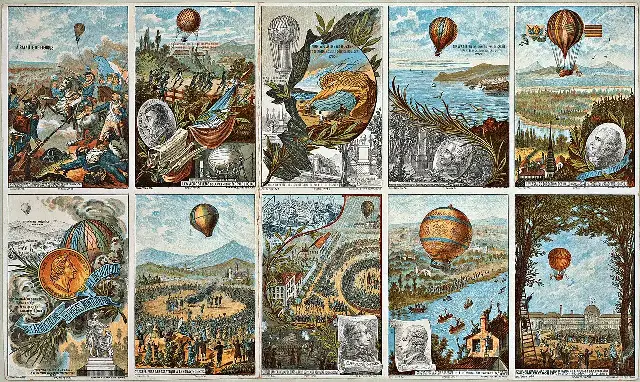
On June 4, 1783, two French papermakers launched a globe of linen and paper that rose a mile into the air — the first public flight in history, and the beginning of aviation.
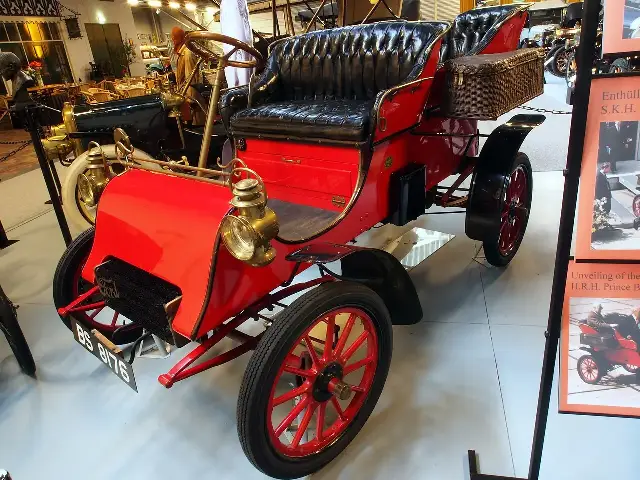
On June 16, 1903, Henry Ford and eleven investors signed the papers that would put the world on wheels.
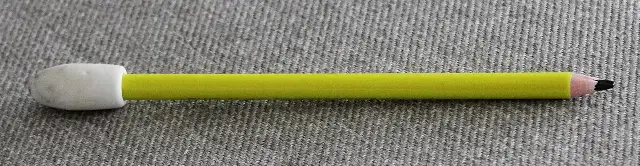
On March 30, 1858, Philadelphia stationer Hymen Lipman patented the first pencil with an attached eraser — and four years later sold the idea for $100,000.
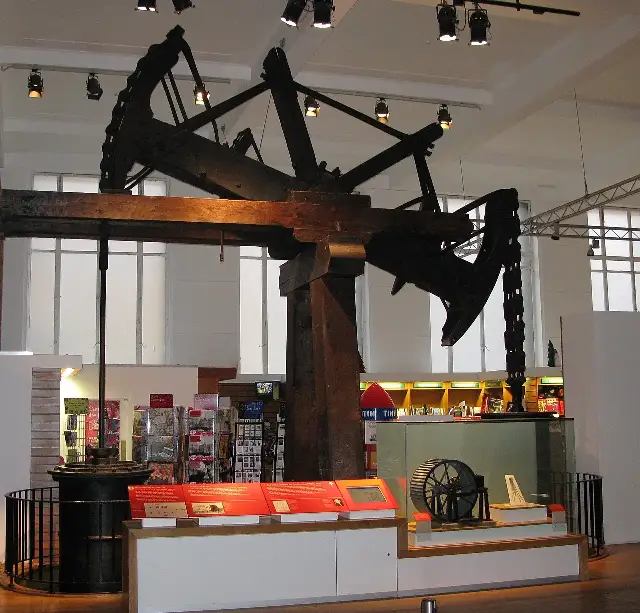
James Watt, born January 19, 1736, in Greenock, Scotland, perfected the steam engine and helped power the Industrial Revolution.
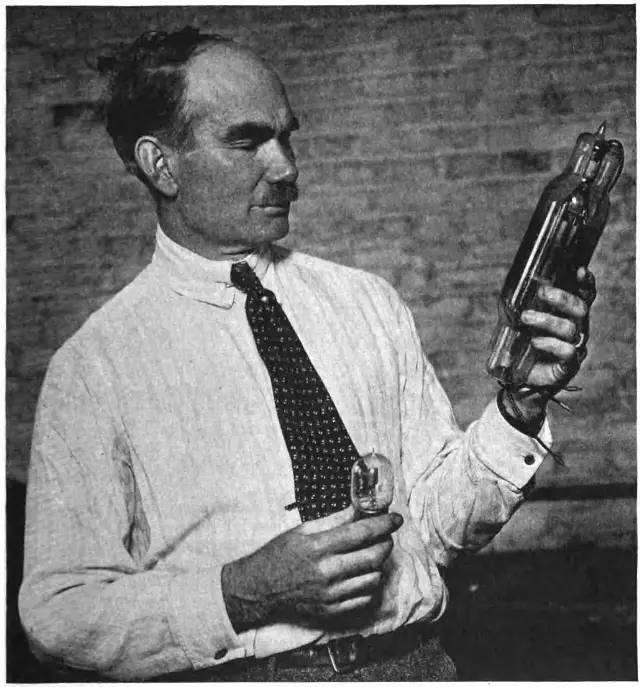
On January 12, 1910, inventor Lee de Forest transmitted the world’s first live opera broadcast — Acts II and III of Tosca — from the stage of New York’s Metropolitan Opera House.
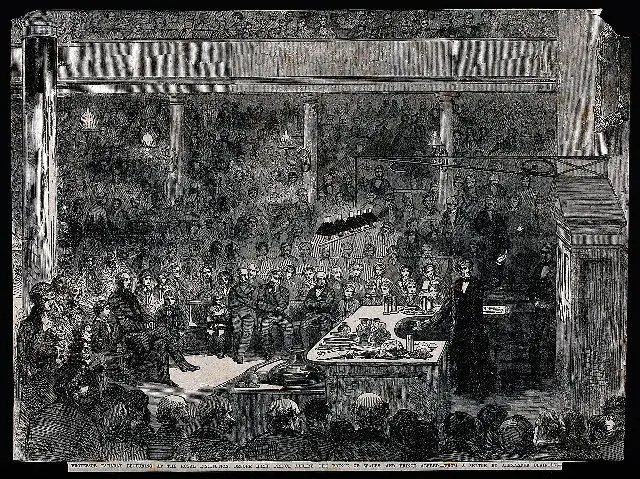
On August 29, 1831, Michael Faraday's notebook recorded the experiment that revealed electromagnetic induction — the principle behind nearly all the electricity in the modern grid.
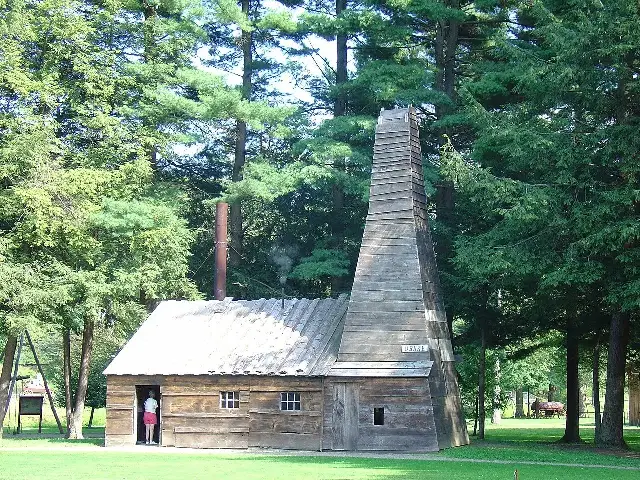
On August 27, 1859, Edwin Drake's drill struck oil at 69.5 feet near Titusville, Pennsylvania — the first well deliberately drilled for petroleum, and the spark of the modern oil industry.
On March 7, 1876, Alexander Graham Bell received U.S. Patent No. 174,465 for the telephone, after his application beat rival Elisha Gray's to the patent office by hours.
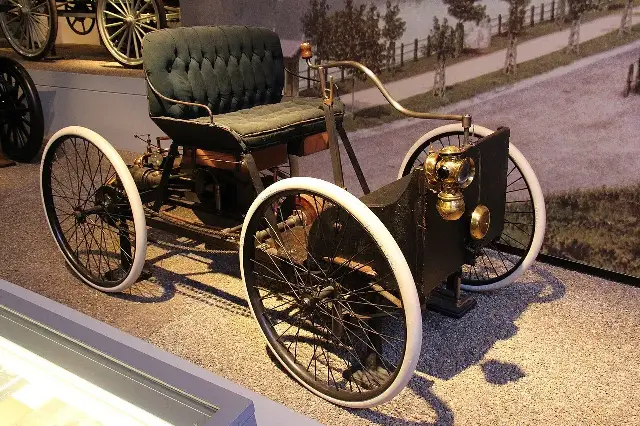
On June 4, 1896, Henry Ford took an axe to his workshop wall, rolled out his first car, and drove it through the dark streets of Detroit at 4 a.m.
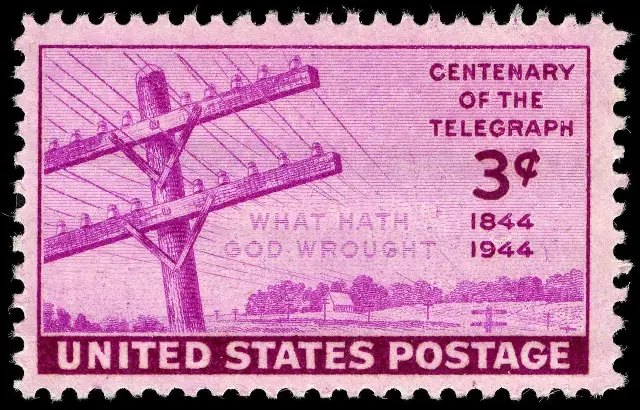
On May 24, 1844, Samuel Morse tapped out 'What hath God wrought!' from the U.S. Capitol to Baltimore — the first official message on the first U.S. telegraph line.
On February 13, 1880, Thomas Edison noticed a strange one-way current inside a light bulb, a curiosity he filed away that later became the foundation of all electronics.
On January 29, 1886, German engineer Karl Benz filed patent DRP 37435 for a "vehicle with gas engine operation" — the world's first practical automobile.
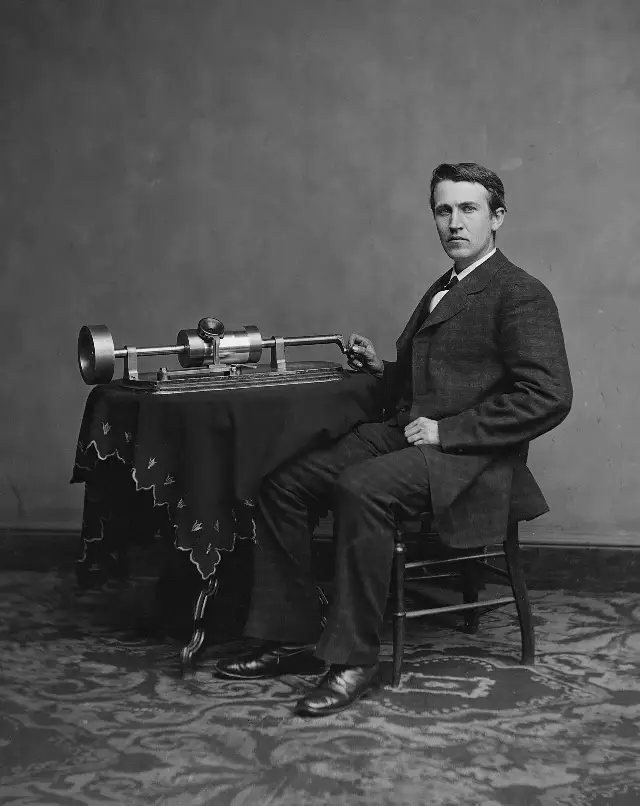
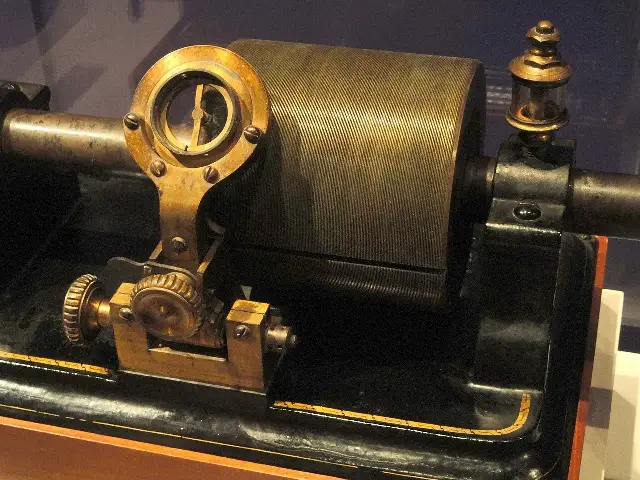
On February 19, 1878, Thomas Edison received U.S. Patent No. 200,521 for the phonograph — the first machine that could both record and play back sound.
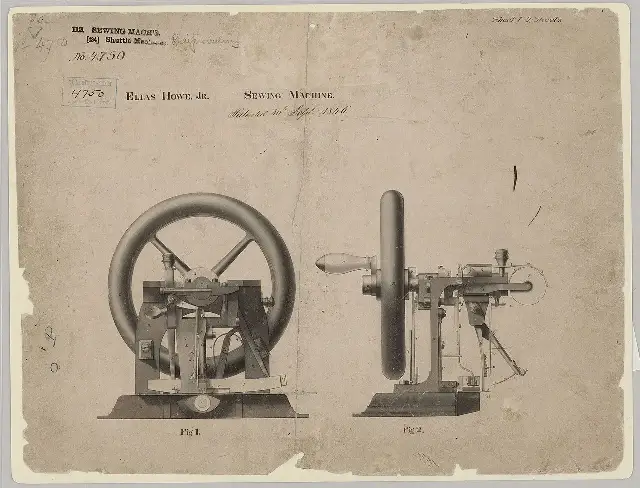
On September 10, 1846, Elias Howe received U.S. Patent No. 4,750 for his lockstitch sewing machine — and changed how the world makes clothes.