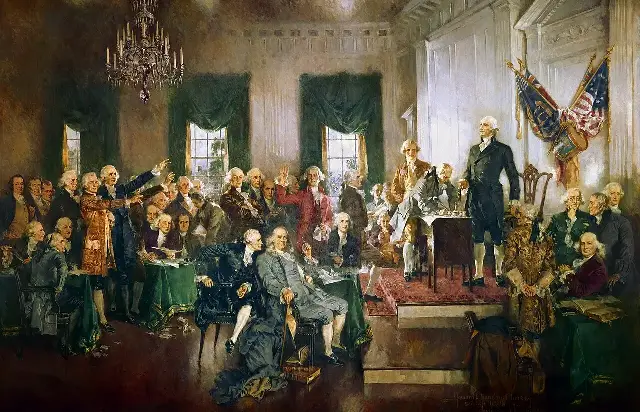
Thirty-Nine Men Sign a Piece of Parchment That Rules a Nation
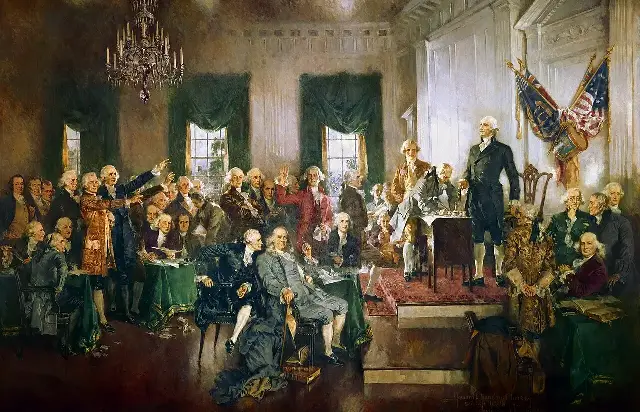
On September 17, 1787, thirty-nine delegates signed the U.S. Constitution in Philadelphia — a document almost nobody loved, written by men who openly doubted it would work.


On September 17, 1787, thirty-nine delegates signed the U.S. Constitution in Philadelphia — a document almost nobody loved, written by men who openly doubted it would work.
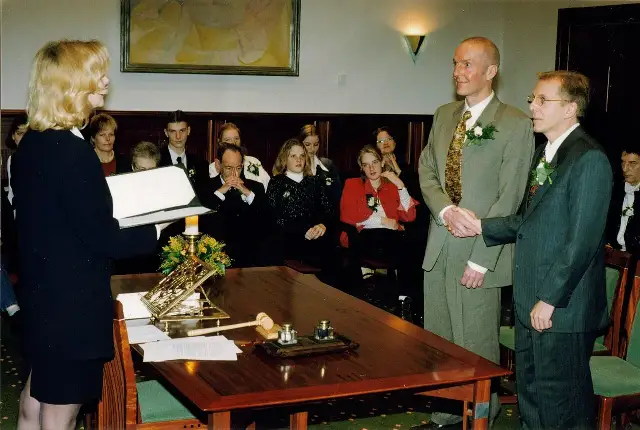
At midnight on April 1, 2001, Amsterdam's mayor married four same-sex couples as the Netherlands became the first country in the world to legalize same-sex marriage.
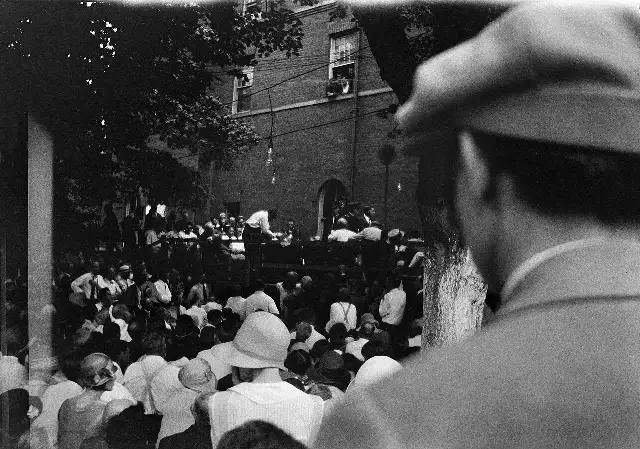
On July 21, 1925, a Tennessee jury took just nine minutes to convict teacher John Scopes of teaching evolution — ending the Scopes 'Monkey Trial' with a guilty verdict the defense actually asked for.
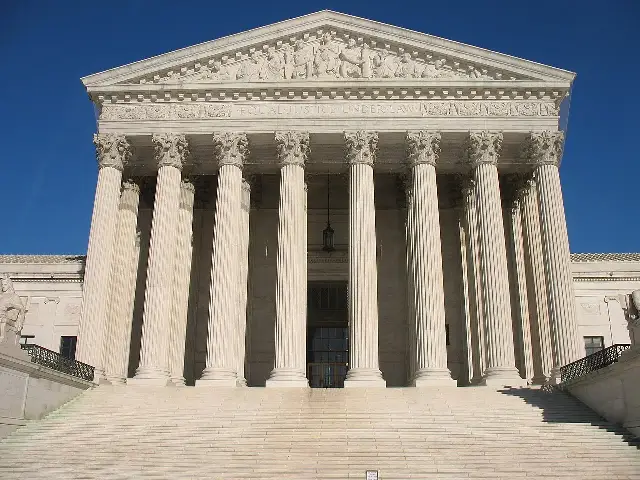
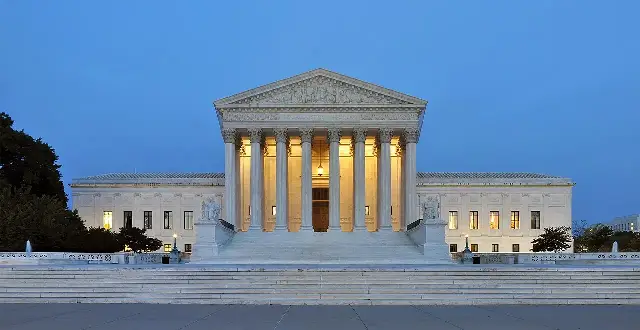
On January 22, 1973, the U.S. Supreme Court ruled 7–2 that the Constitution protects a woman's right to choose an abortion, a landmark that stood for nearly 50 years.
On December 13, 2000 — 36 days after the election — Al Gore conceded the presidency to George W. Bush, a day after the Supreme Court's 5–4 decision in Bush v. Gore ended the Florida recount.
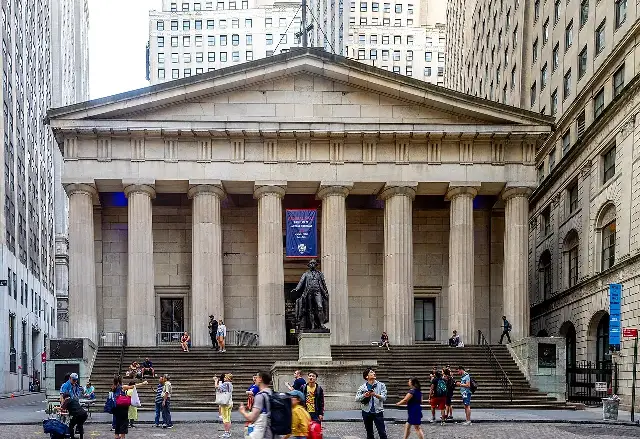
On September 24, 1789, George Washington signed the Judiciary Act, creating the Supreme Court and the federal court system — and completing America's three branches of government.
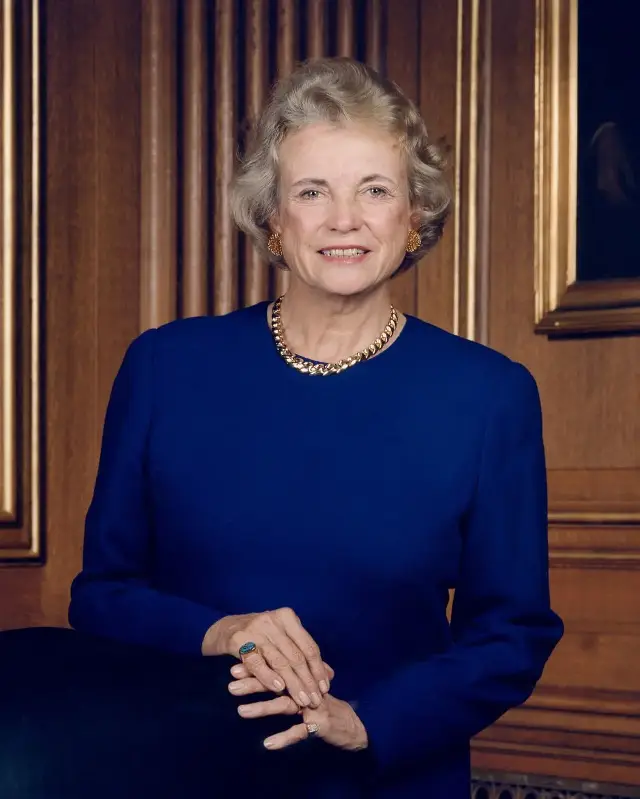
On July 7, 1981, President Reagan announced Sandra Day O'Connor as his Supreme Court nominee — the first woman ever chosen for the Court.
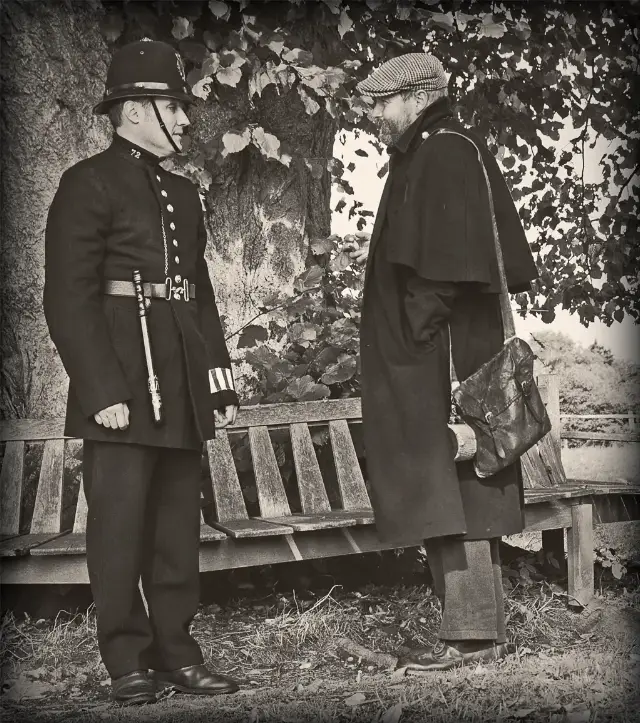
On September 29, 1829, about a thousand men in blue coats and top hats stepped onto London's streets — the world's first modern police force.
On June 23, 1972, President Nixon signed Title IX — 37 words banning sex discrimination in education that would revolutionize women's sports and schooling.
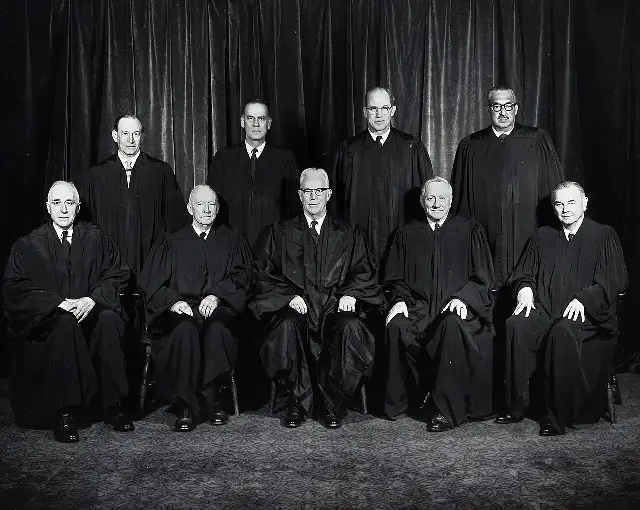
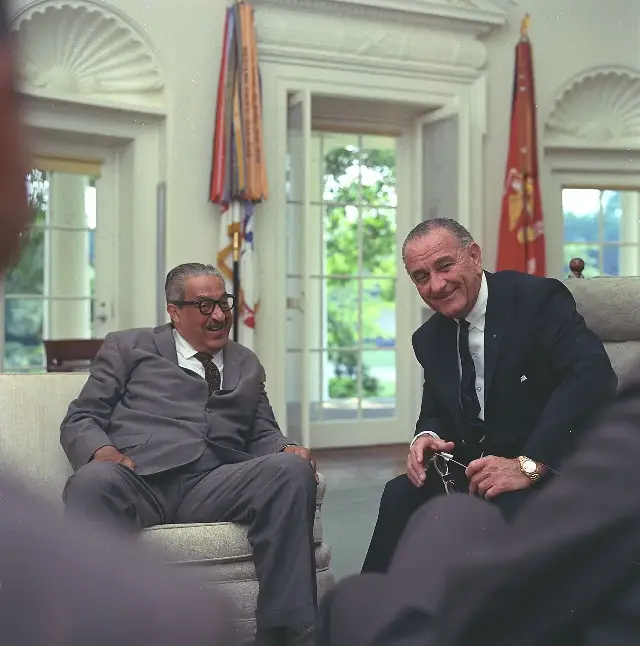
On August 30, 1967, the Senate confirmed Thurgood Marshall 69–11, making him the first Black justice in Supreme Court history.
On December 9, 1948, the United Nations adopted the Genocide Convention, the first treaty making genocide a crime under international law.
On October 2, 1967, Thurgood Marshall was sworn in as the first Black justice of the U.S. Supreme Court — the great-grandson of an enslaved man, now the Court's 96th justice.
On June 21, 1788, New Hampshire voted 57 to 47 to ratify the Constitution, becoming the ninth state and making the document the law of the land.
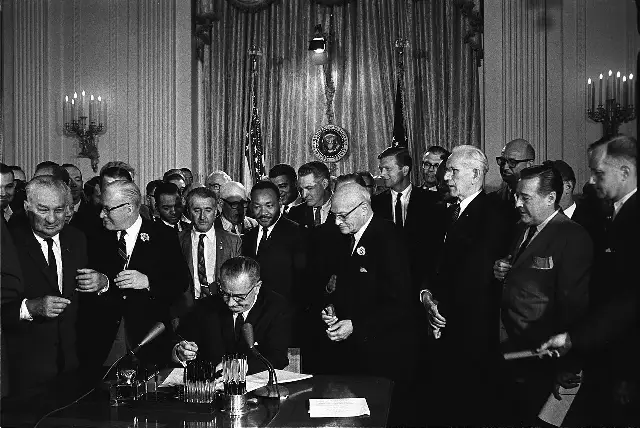
On June 19, 1964, after a 60-day filibuster, the U.S. Senate passed the Civil Rights Act 73 to 27, outlawing segregation and employment discrimination.
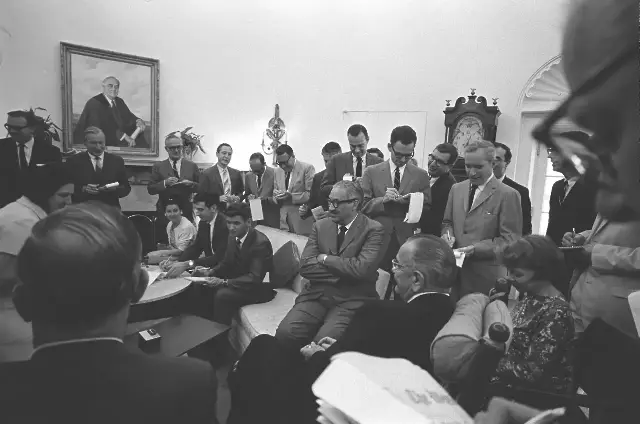
On June 13, 1967, President Lyndon Johnson nominated Thurgood Marshall to the Supreme Court, putting the first Black justice on America's highest court.
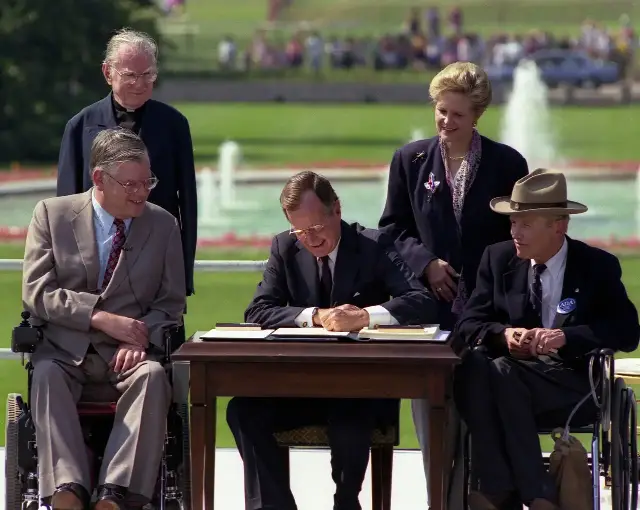
On July 26, 1990, more than 2,000 disability-rights advocates watched President George H. W. Bush sign the Americans with Disabilities Act into law.
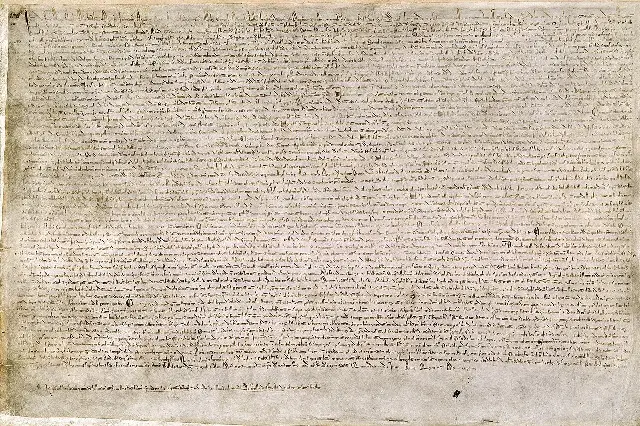
On June 15, 1215, King John of England was forced to seal Magna Carta at Runnymede, the first great written limit on a ruler's power.
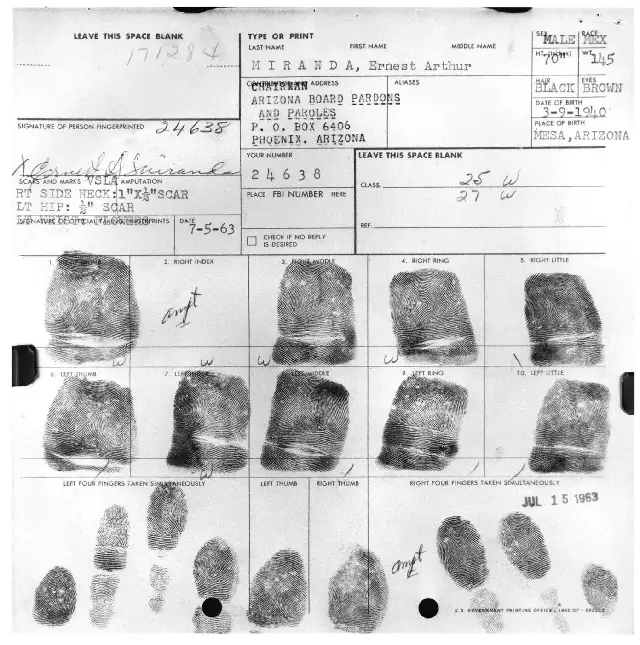
On June 13, 1966, the Supreme Court ruled that police must warn suspects of their rights before questioning — the origin of the words 'you have the right to remain silent.'
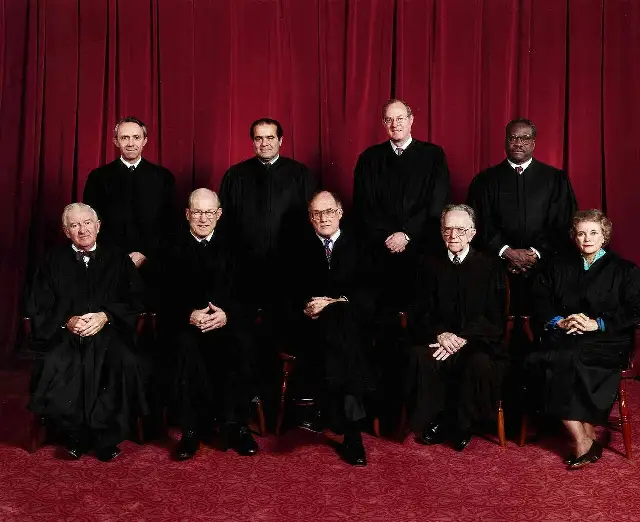
On September 25, 1981, Sandra Day O'Connor was sworn in as the first woman to sit on the U.S. Supreme Court, becoming the 102nd justice in its 191-year history.