
The Tea Party That Launched a Movement
On July 19, 1848, about 300 people crowded into a small chapel in Seneca Falls, New York, for the first women's rights convention ever organized by women — and lit the fuse of a 72-year fight.
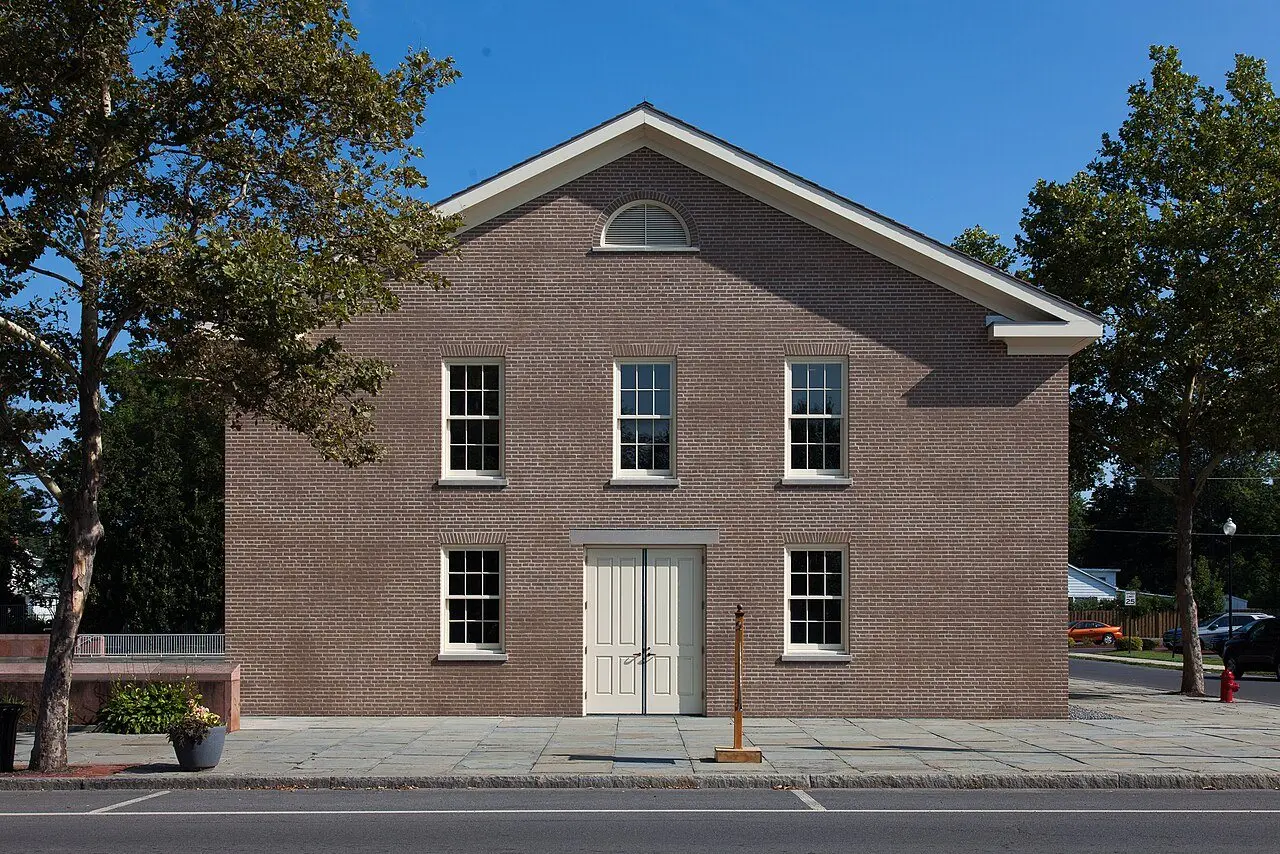
It started over afternoon tea. In July 1848, Lucretia Mott was visiting Elizabeth Cady Stanton in upstate New York, and at the home of Mary Ann McClintock the women — Stanton, Mott, Martha Coffin Wright, McClintock, and Jane Hunt — decided to stop talking about a women's rights meeting and actually hold one. They placed a small advertisement in the Seneca County Courier announcing "a convention to discuss the social, civil, and religious condition and rights of women," to be held July 19 and 20 at the Wesleyan Chapel in Seneca Falls. They hoped for fifty or a hundred curious locals.
About 300 people came. On the morning of Wednesday, July 19, Stanton stood before the crowd and read the Declaration of Sentiments, a document she had drafted over the previous days, modeled deliberately on the Declaration of Independence. Its preamble echoed the most famous sentence in American history: "We hold these truths to be self-evident: that all men and women are created equal." It then listed the injuries women suffered — barred from most professions and colleges, denied control of their own wages and property, shut out of the pulpit and the ballot box.
The roots of the meeting reached back eight years, to the 1840 World Anti-Slavery Convention in London, where Mott and Stanton had been forced to sit behind a partition, silenced because they were women. The women's rights movement grew directly out of the abolitionist movement. On the convention's second day, men were invited in — about 40 came, including the formerly enslaved abolitionist Frederick Douglass, whose newspaper, the North Star, would champion the cause.
The convention adopted the Declaration and debated its resolutions one by one. Nearly all passed easily — except the ninth, which declared it "the duty of the women of this country to secure to themselves their sacred right to the elective franchise." Even some supporters thought demanding the vote was too radical. Douglass spoke forcefully for it, and after long debate, it passed. In the end, 100 people — 68 women and 32 men — signed the Declaration of Sentiments, publicly committing themselves to women's full equality.
The ridicule was immediate and fierce; some early backers withdrew. But the convention had lit a fuse. Two weeks later came a larger meeting in Rochester, then national women's rights conventions every year. It would take 72 more years of organizing, protesting, and petitioning before the 19th Amendment was ratified in 1920, granting American women the constitutionally protected right to vote. The road from Seneca Falls to suffrage was long — but on July 19, 1848, the first step was taken, in a chapel, by a few hundred people who refused to wait any longer.
Photo: Kenneth C. Zirkel, CC BY-SA 3.0 (via Wikimedia Commons). The Wesleyan Chapel is shown as it appears today.