The Spiral Museum on Fifth Avenue
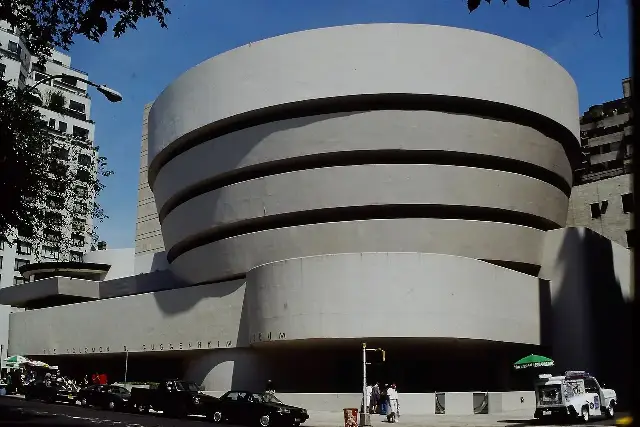
On October 21, 1959, Frank Lloyd Wright's spiral museum opened on Fifth Avenue — six months after the architect's death.


On October 21, 1959, Frank Lloyd Wright's spiral museum opened on Fifth Avenue — six months after the architect's death.
On August 28, 1922, New York station WEAF aired the first paid radio commercial — ten minutes selling apartments in Queens for a reported $50.
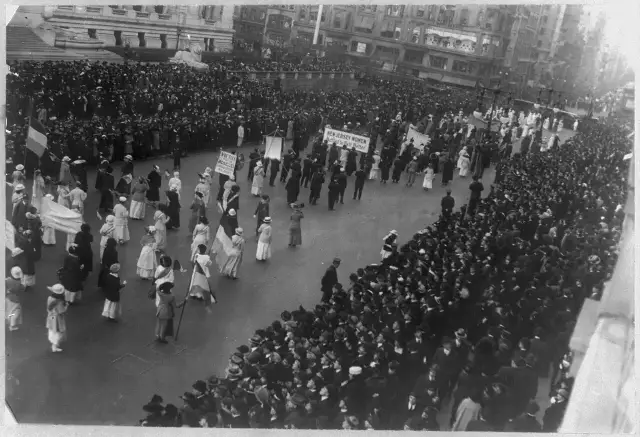
On October 23, 1915, tens of thousands of marchers filled New York's Fifth Avenue in the largest women's suffrage parade the nation had ever seen.
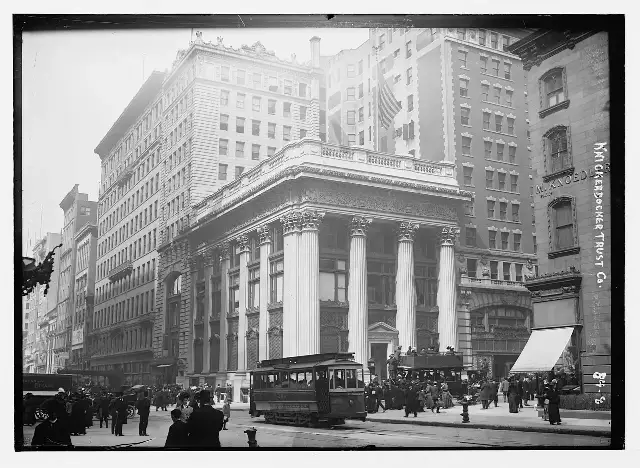
On October 22, 1907, a bank run drained $8 million from New York's Knickerbocker Trust in under three hours, igniting a panic that ended with the creation of the Federal Reserve.
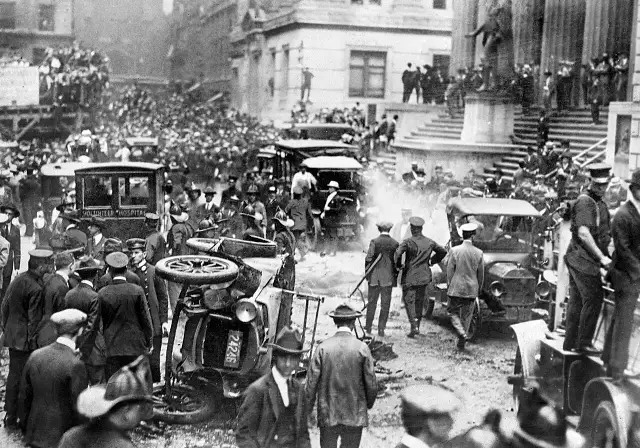
On September 16, 1920, a wagon bomb exploded outside J.P. Morgan at 23 Wall Street, killing 38 people in the deadliest terrorist attack on American soil to that date — and no one was ever charged.
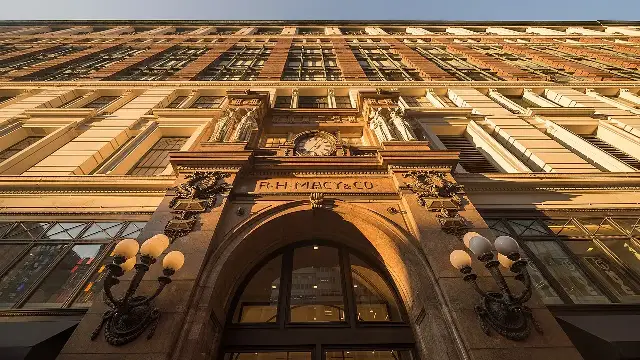
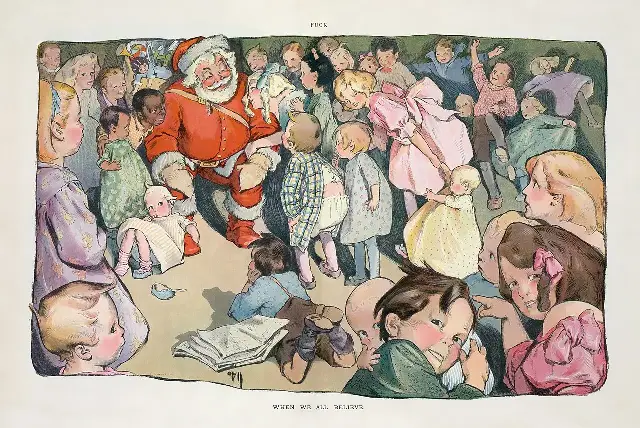
On November 27, 1924, Macy's employees staged a six-mile parade with zoo animals and Santa Claus — and accidentally launched a century-long American tradition.
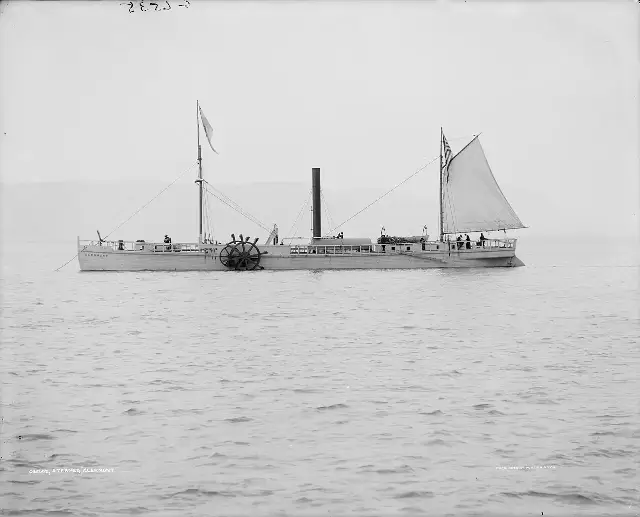
On August 17, 1807, Robert Fulton's steamboat defied a jeering crowd to sail from New York to Albany, launching the steam age on America's rivers.
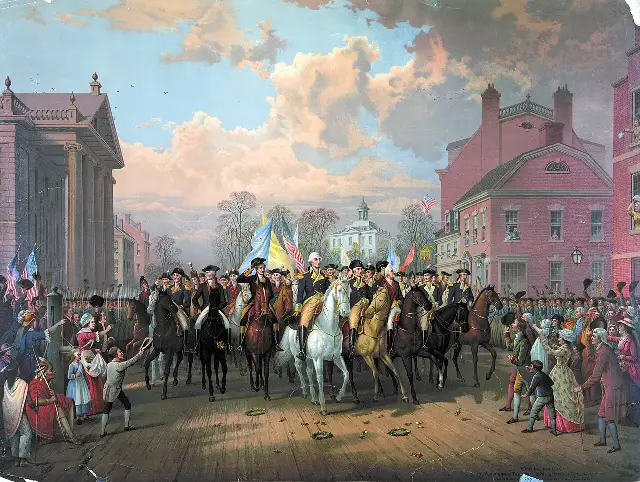
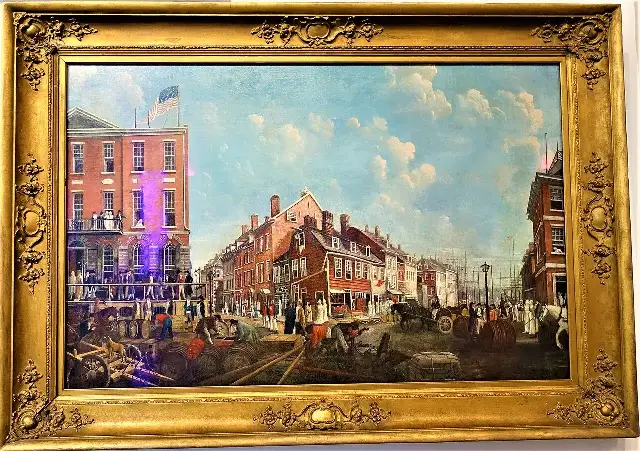
On November 25, 1783, the last British troops sailed out of New York and George Washington marched in — the final act of the American Revolution.
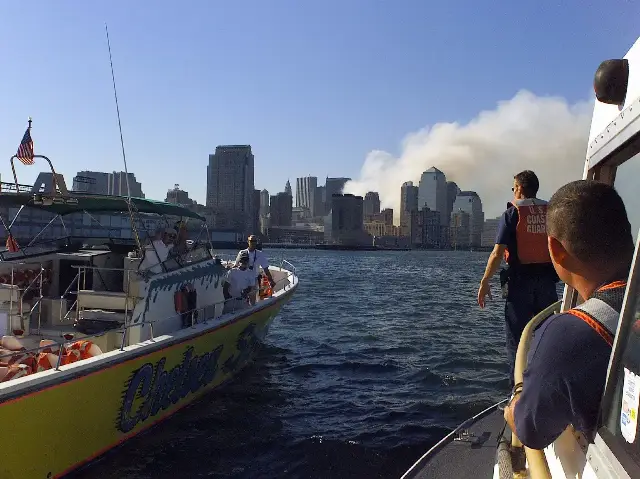
On September 11, 2001, with Manhattan's bridges and tunnels shut, an armada of ferries, tugs, and private boats evacuated roughly half a million people by water in about nine hours.
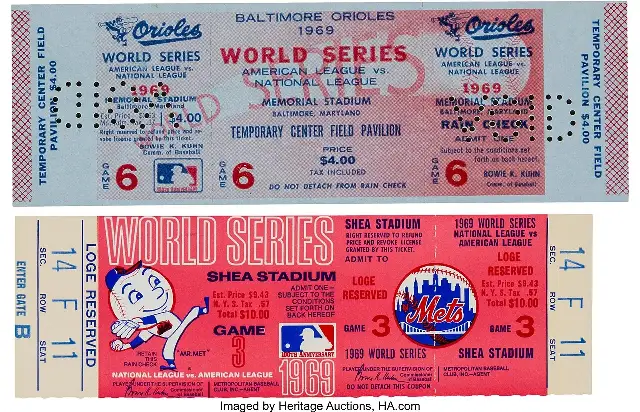
On October 16, 1969, the New York Mets — losers for seven straight years — beat the mighty Baltimore Orioles 5-3 to win the World Series.
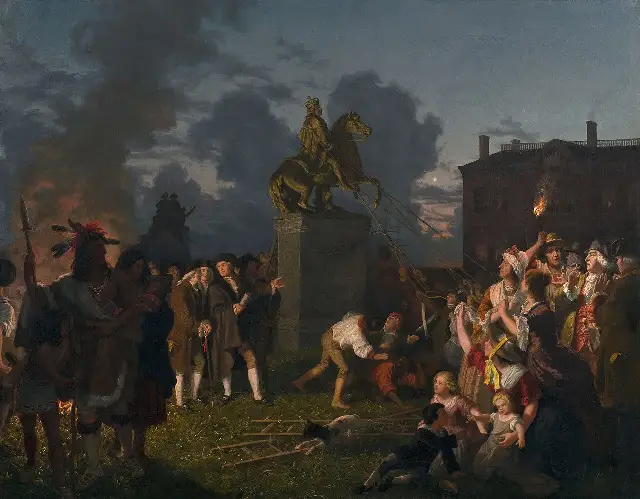
On July 9, 1776, George Washington had the Declaration of Independence read aloud to his army in New York — and that night, a king's statue came down.
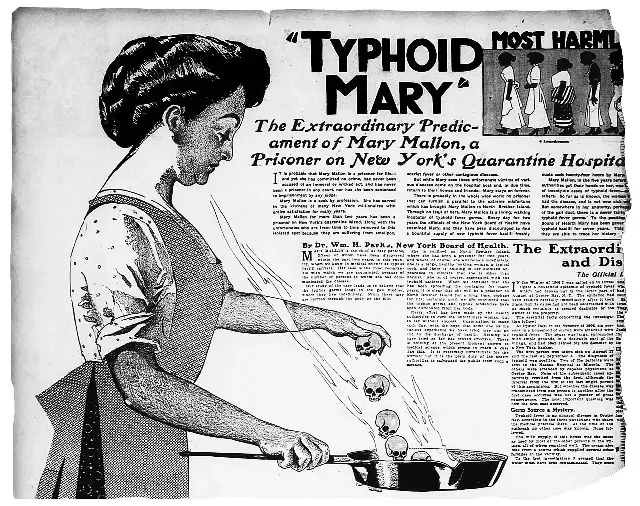
On March 27, 1915, Mary Mallon was quarantined for the second time on New York's North Brother Island — where she would live out her final 23 years.
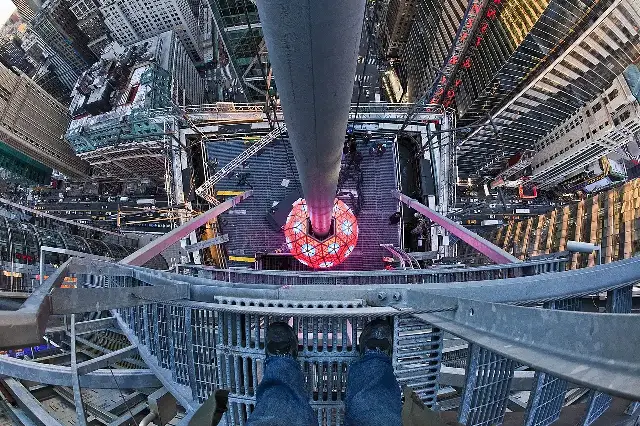
On December 31, 1907, a 700-pound ball of iron and wood slid down a Times Square flagpole at midnight — and a global New Year's ritual was born.
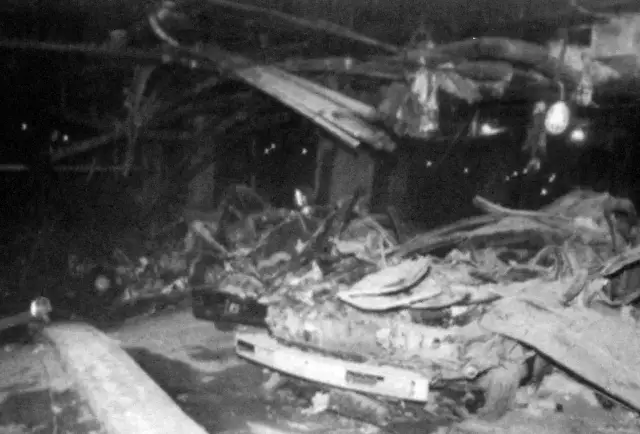
On February 26, 1993, a truck bomb exploded in the garage beneath the World Trade Center's North Tower, killing six people and wounding more than a thousand.
On July 4, 1817, New York broke ground on a 363-mile canal critics called "Clinton's Ditch" — and changed America forever.
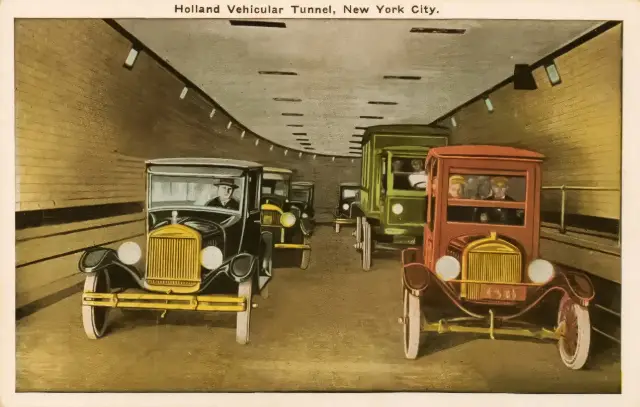
In the early hours of November 13, 1927, the Holland Tunnel opened to traffic — the first underwater tunnel built for cars, named for the engineer who never saw it finished.
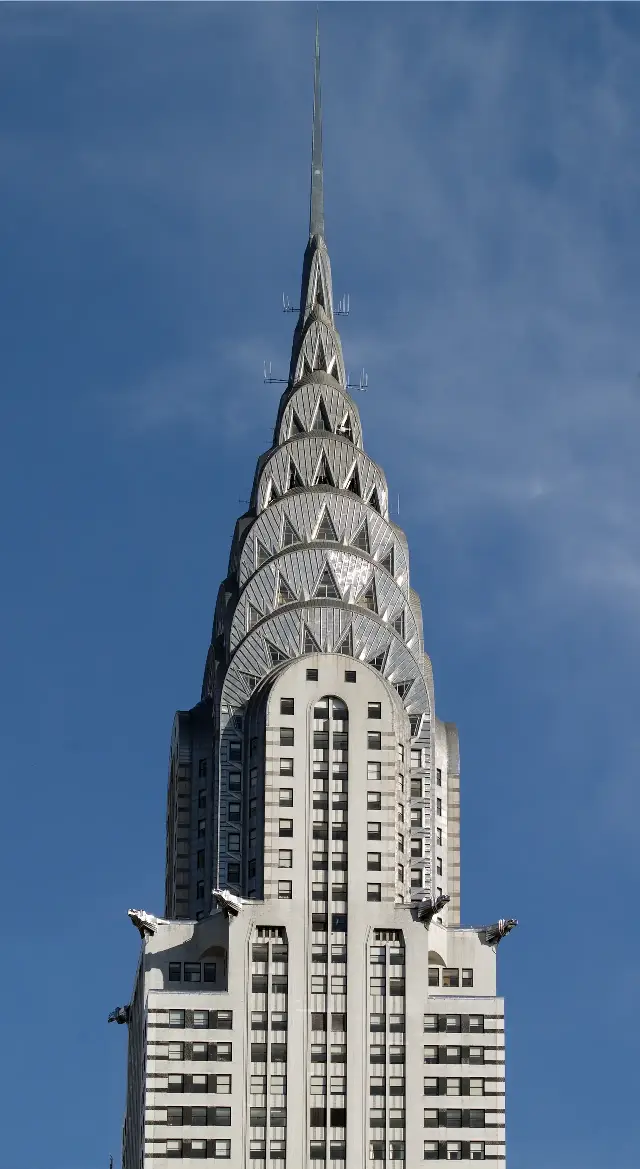
On May 27, 1930, the Chrysler Building opened to the public at 1,046 feet, winning New York's race to the sky with a secret spire hoisted in 90 minutes.
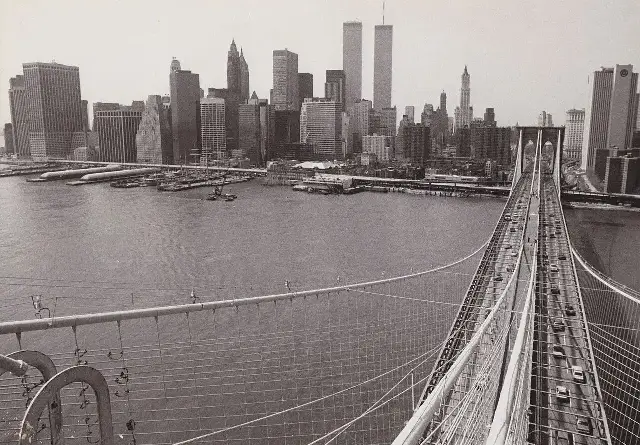
On May 26, 1977, Queens toymaker George Willig scaled the 110-story South Tower of the World Trade Center with homemade clamps — and was fined $1.10.
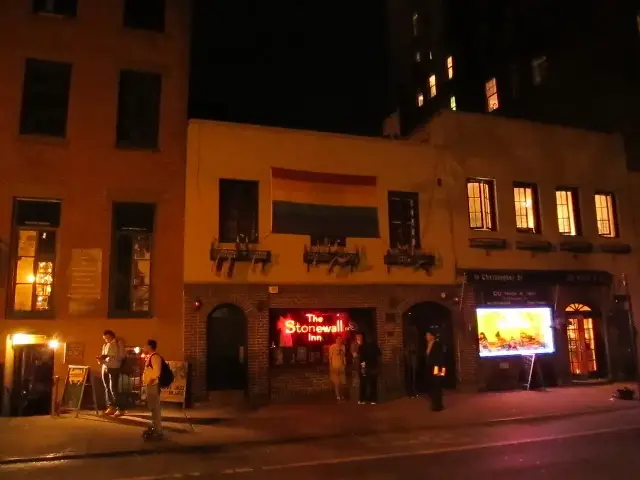
In the early hours of June 28, 1969, a routine police raid on a Greenwich Village gay bar became the uprising that launched the modern LGBTQ rights movement.
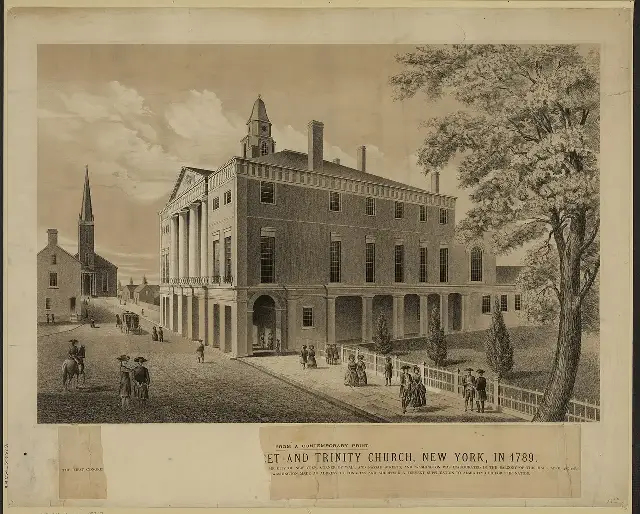
March 4, 1789 was the day America's new government was supposed to begin — but bad roads and worse weather meant almost no one made it to Federal Hall.
On November 7, 1929, just nine days after the Wall Street Crash, the Museum of Modern Art opened in New York on the 12th floor of an office building.
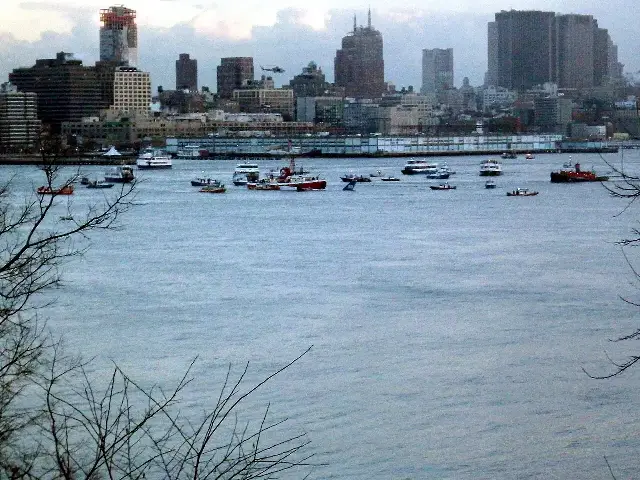
On January 15, 2009, US Airways Flight 1549 lost both engines to a bird strike and ditched in the Hudson River — and all 155 people aboard survived.
On February 21, 1965, the civil rights leader Malcolm X was gunned down in New York's Audubon Ballroom as he prepared to address his new movement.
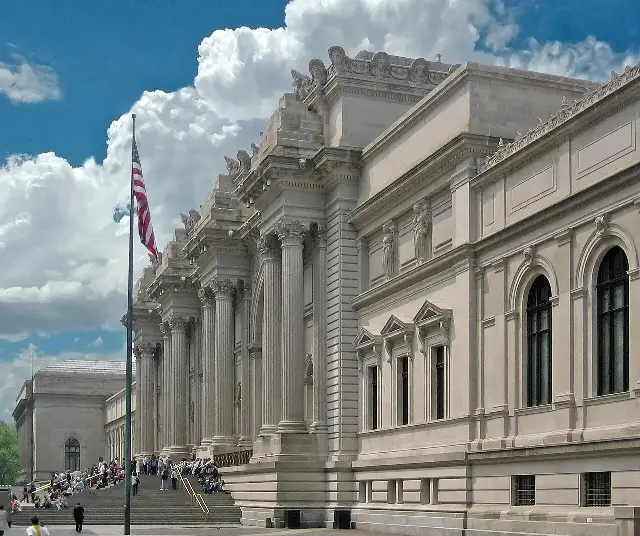
On February 20, 1872, the Metropolitan Museum of Art opened to the public for the first time in a leased former dance academy on Fifth Avenue.
On May 17, 1792, twenty-four brokers signed the Buttonwood Agreement on Wall Street, a one-page pact that became the founding document of the New York Stock Exchange.
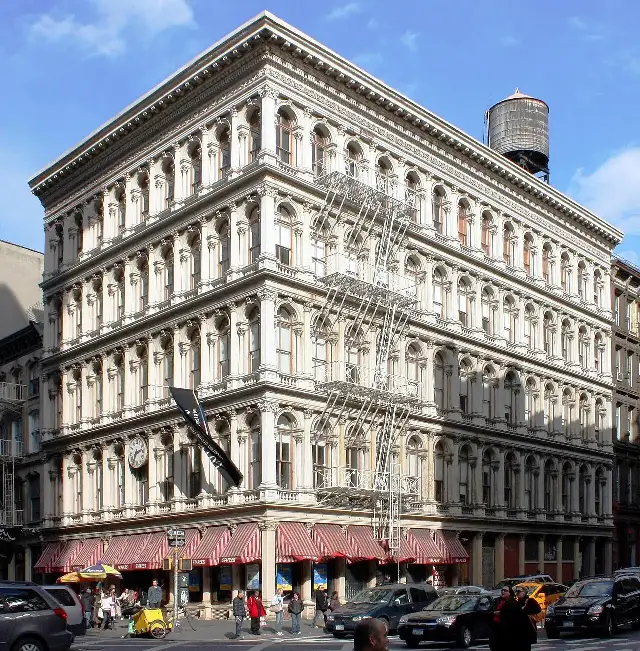
On March 23, 1857, the world's first safe passenger elevator opened in a New York department store — the invention that made skyscrapers possible.
On September 21, 1897, The Sun published a little girl's question and an editor's timeless answer — the most reprinted newspaper editorial in English.
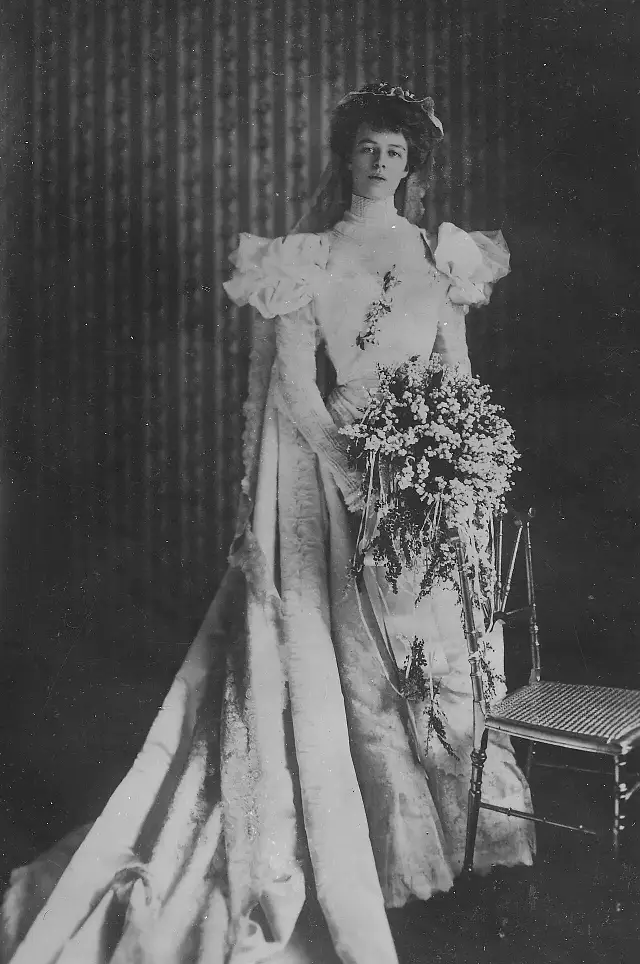
On March 17, 1905, Franklin D. Roosevelt married his distant cousin Eleanor in New York, with her uncle — President Theodore Roosevelt — giving away the bride.
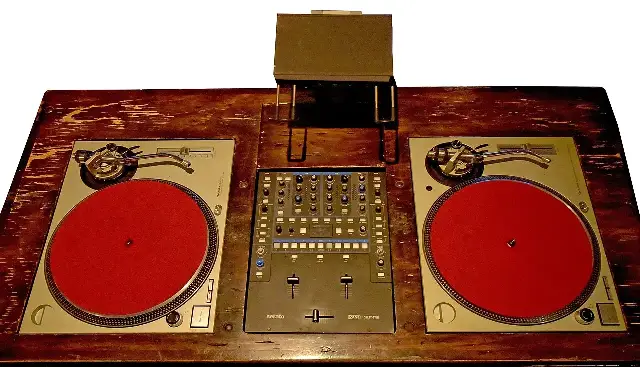
On August 11, 1973, a back-to-school party in a Bronx rec room launched hip-hop — thanks to a Jamaican-born DJ, two turntables, and the humble break.
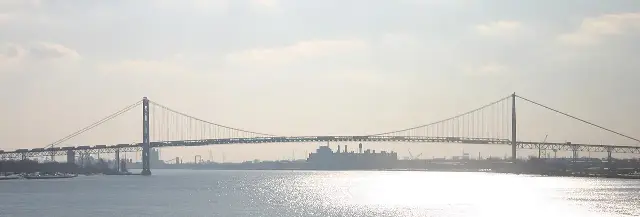
On November 21, 1964, New York opened the Verrazzano-Narrows Bridge, whose 4,260-foot main span made it the longest suspension bridge in the world.
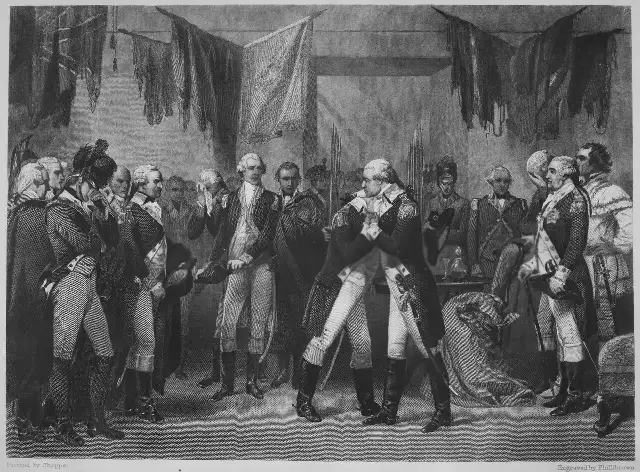
On December 4, 1783, George Washington summoned his officers to Fraunces Tavern in New York, raised a glass in farewell, and chose civilian life over military power.
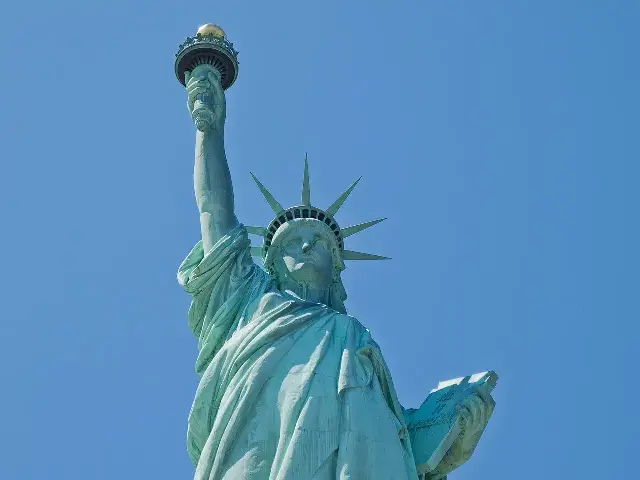
On August 5, 1884, in pouring rain, a six-ton block of Connecticut granite was lowered into place on Bedloe's Island — the cornerstone of the Statue of Liberty's pedestal.
On March 25, 1911, fire swept the Triangle Shirtwaist factory in New York City, killing 146 workers and transforming workplace safety law.
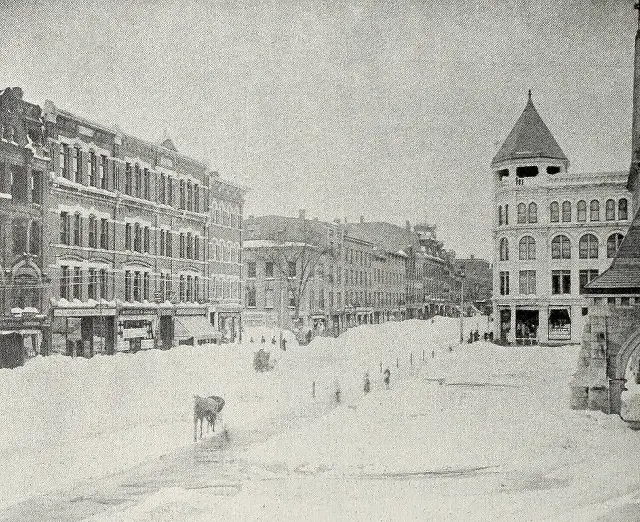
On March 11, 1888, a mild spring day gave way to one of the deadliest blizzards in American history — a storm that buried cities, killed more than 400 people, and forced America to go underground.
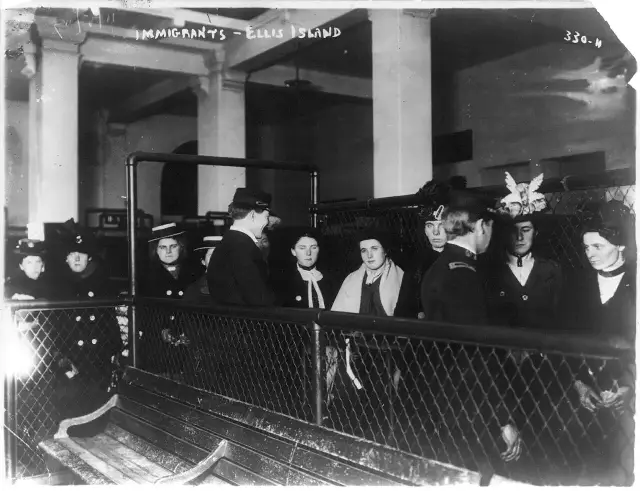
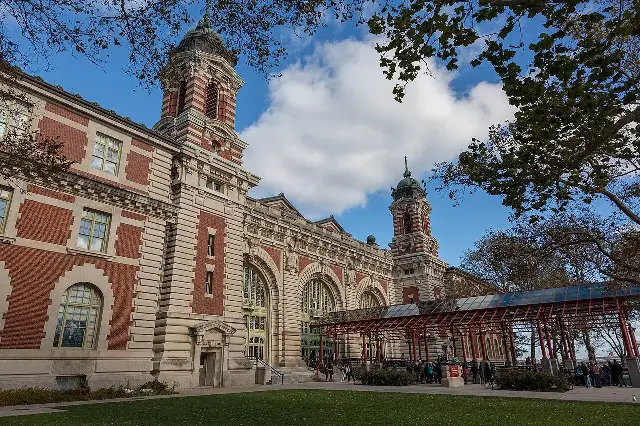
On January 1, 1892, Ellis Island opened as America's first federal immigration station, and Irish teenager Annie Moore became the first of 12 million newcomers to pass through its doors.
On July 28, 1945, a B-25 bomber lost in thick fog slammed into the Empire State Building, killing 14 — and an elevator operator survived a 75-story fall.
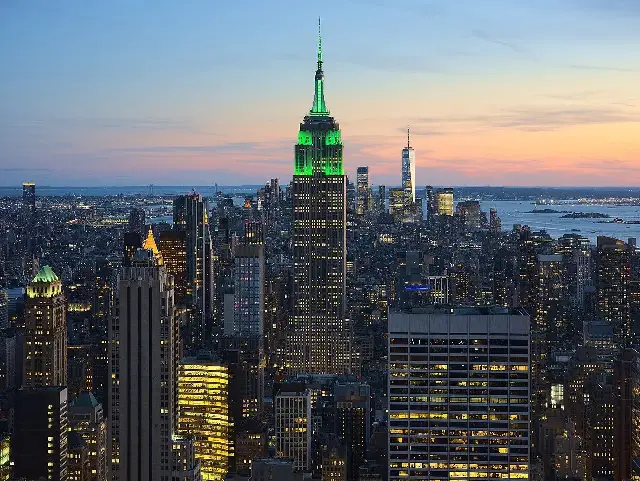
On May 1, 1931, the Empire State Building officially opened as the world's tallest building, lighting up Depression-era New York.
On November 12, 1954, the last detainee walked out of Ellis Island, closing the door on 62 years and more than 12 million immigrant journeys.
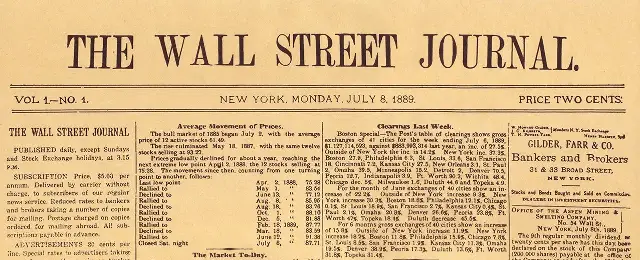
On July 8, 1889, a two-cent, four-page newcomer hit New York’s streets — and grew into America’s newspaper of business.
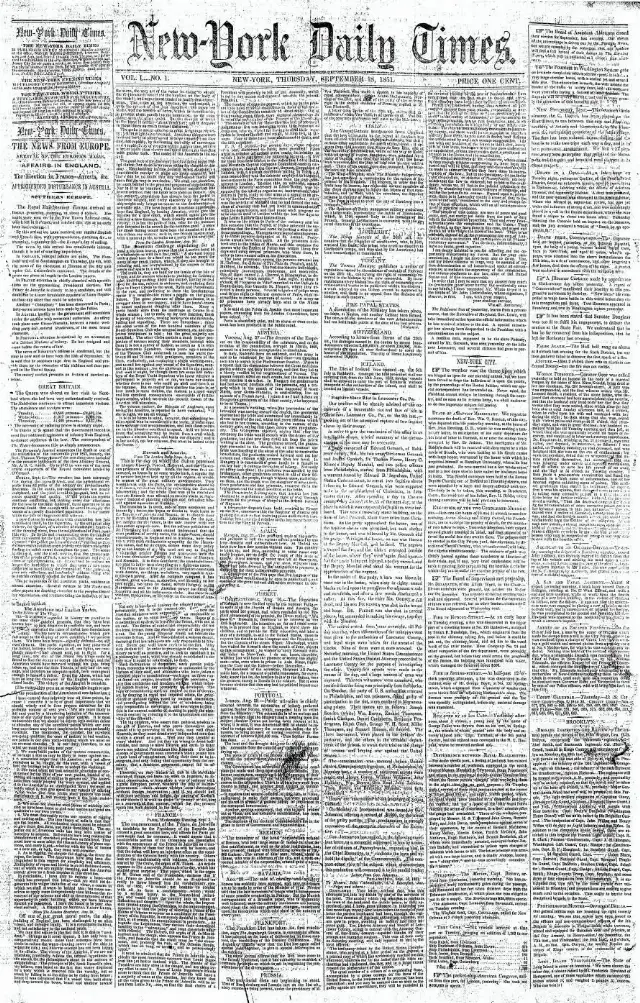
On September 18, 1851, Henry Jarvis Raymond and George Jones printed the first issue of the New-York Daily Times — a one-cent newspaper that would become The New York Times.