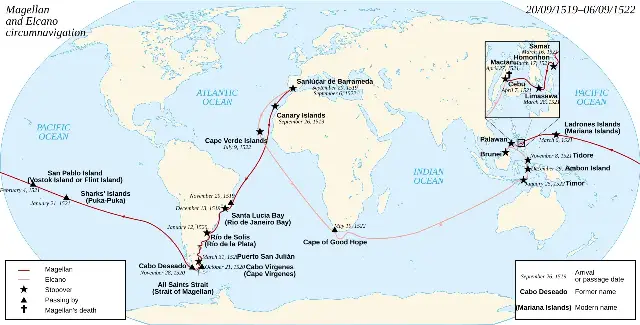
Magellan Finds the Strait at the End of the World
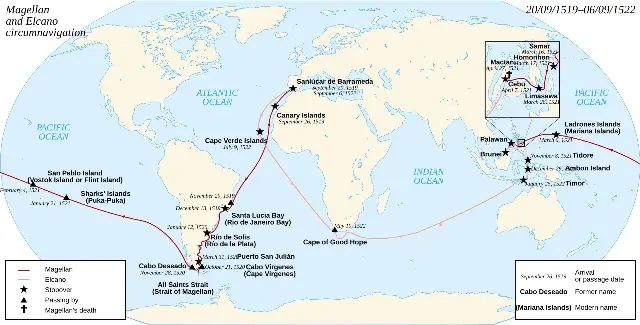
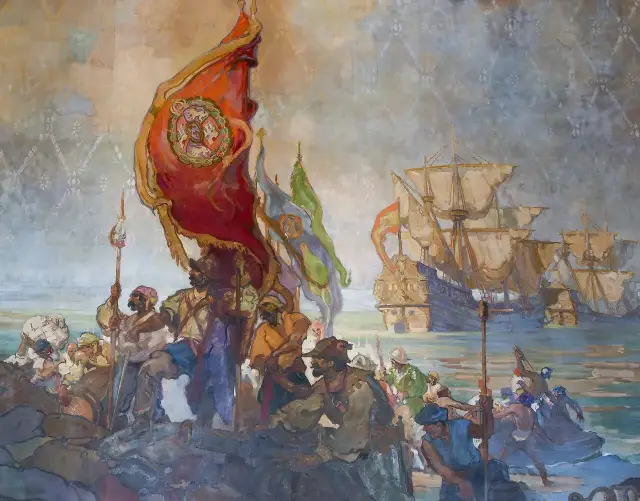
On October 21, 1520, Ferdinand Magellan's fleet entered the strait at the tip of South America, opening the first known sea passage to the Pacific.


On October 21, 1520, Ferdinand Magellan's fleet entered the strait at the tip of South America, opening the first known sea passage to the Pacific.
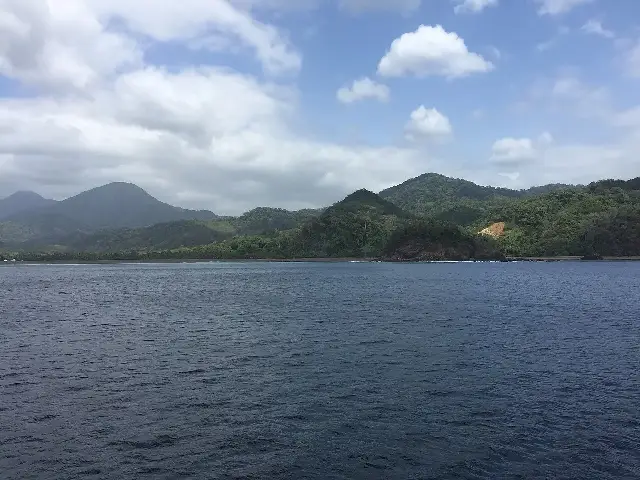
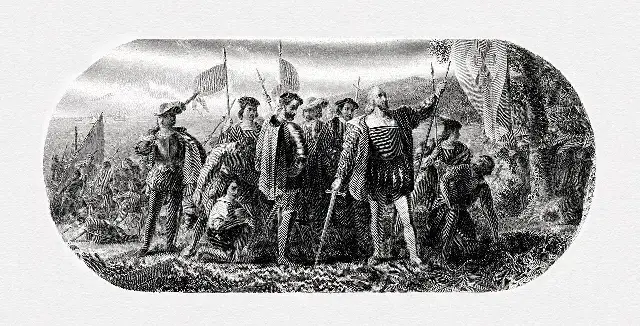
On July 31, 1498, after weeks becalmed in the doldrums, Columbus sighted three green peaks rising from the sea — and named the island Trinidad for the Holy Trinity.
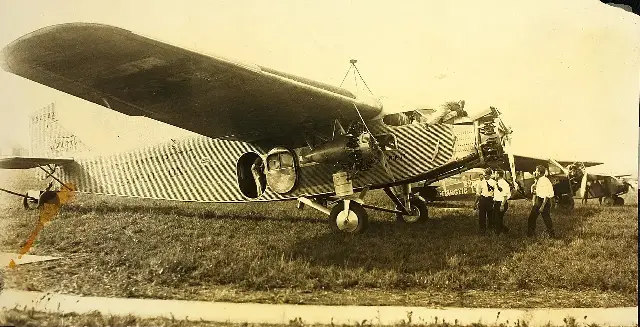
On November 28, 1929, Richard E. Byrd and three crewmates took off from Little America in the Ford trimotor Floyd Bennett on the first airplane flight over the South Pole.
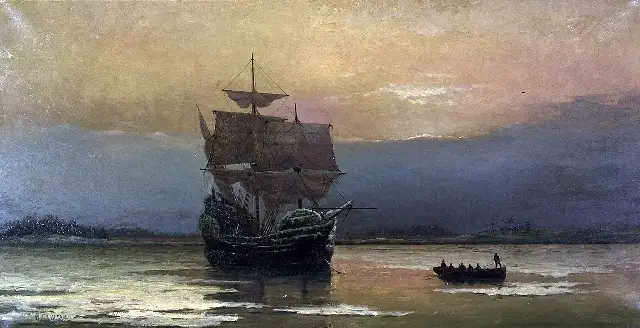
On September 16, 1620, the Mayflower finally sailed from Plymouth, England, carrying 102 passengers toward a wilderness none of them would have chosen — and toward the founding of New England.
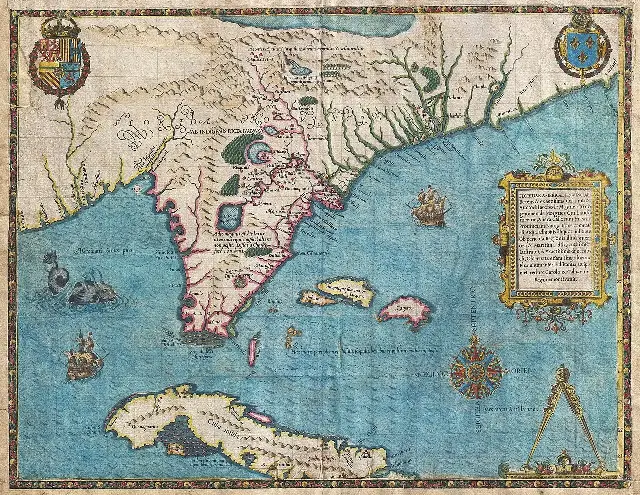
On April 2, 1513, Juan Ponce de León's expedition sighted the Florida coast and gave the peninsula its flowery name.
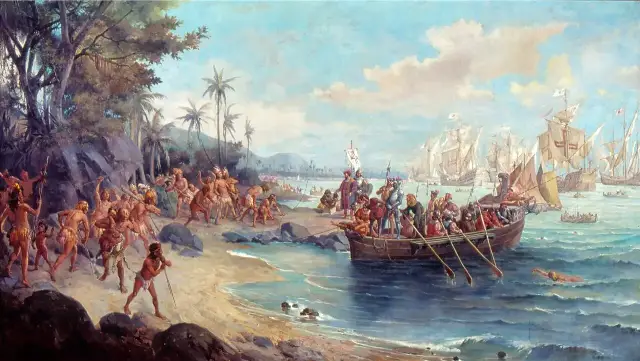
On April 22, 1500, Pedro Álvares Cabral's India-bound fleet sighted Brazil and claimed it for Portugal, setting the course for the only Portuguese-speaking nation in the Americas.
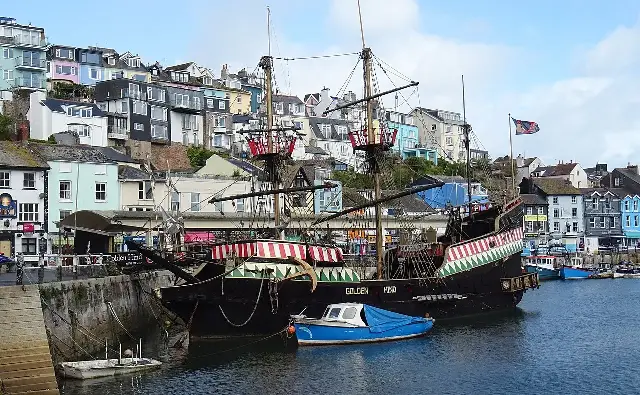
On September 26, 1580, the Golden Hind limped into Plymouth, completing the first English circumnavigation of the globe.
On September 25, 1513, Vasco Núñez de Balboa became the first European to see the Pacific from the Americas — then waded in and claimed it for Spain.
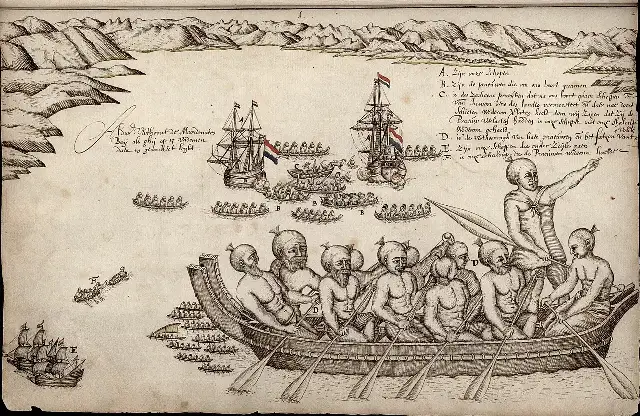
On December 13, 1642, Dutch explorer Abel Tasman became the first European to sight New Zealand, spotting the Southern Alps from 60 miles offshore.
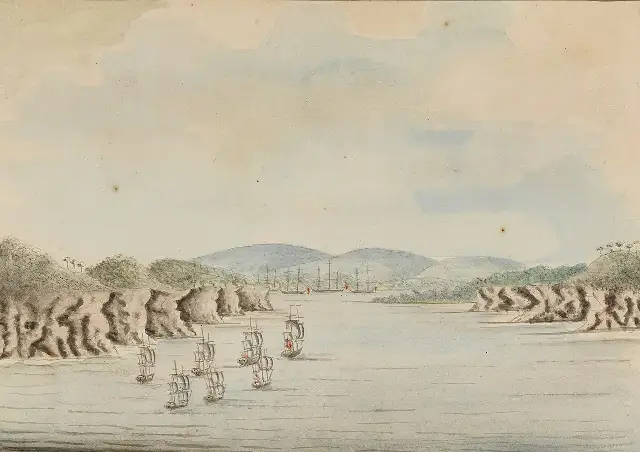
On January 18, 1788, the lead ship of Britain's First Fleet sailed into Botany Bay, beginning the European settlement of Australia — and the dispossession of its first peoples.
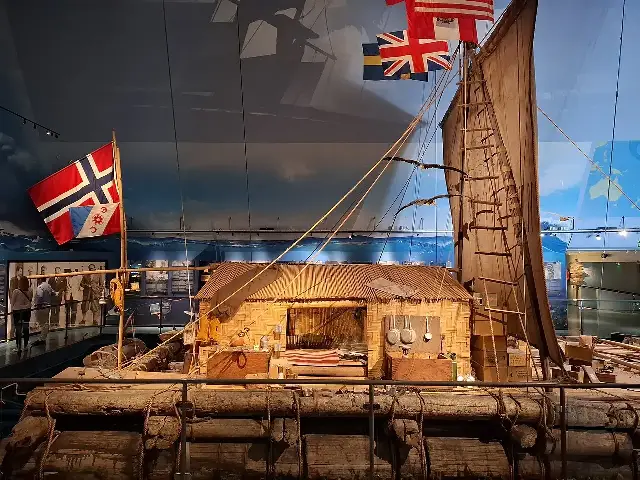
On August 7, 1947, Thor Heyerdahl's balsa-wood raft Kon-Tiki smashed onto a Pacific reef after 101 days at sea — proving an ancient design could cross an ocean.
On March 16, 1521, after three months crossing the Pacific without landfall, Ferdinand Magellan's starving crew sighted the mountains of Samar in the Philippines.
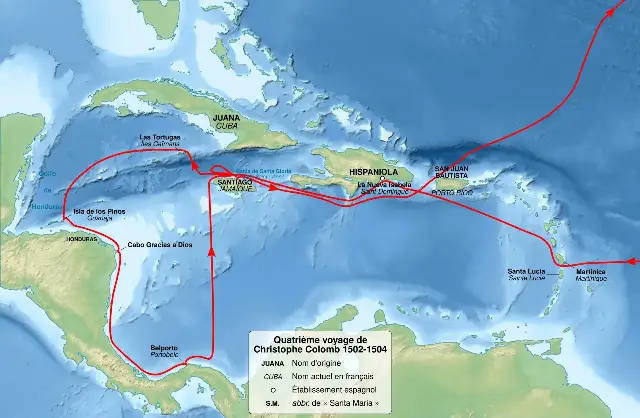
On May 9, 1502, an aging Columbus left Cádiz on his fourth and final voyage — a storm-battered quest for Asia that stranded him in Jamaica for a year.
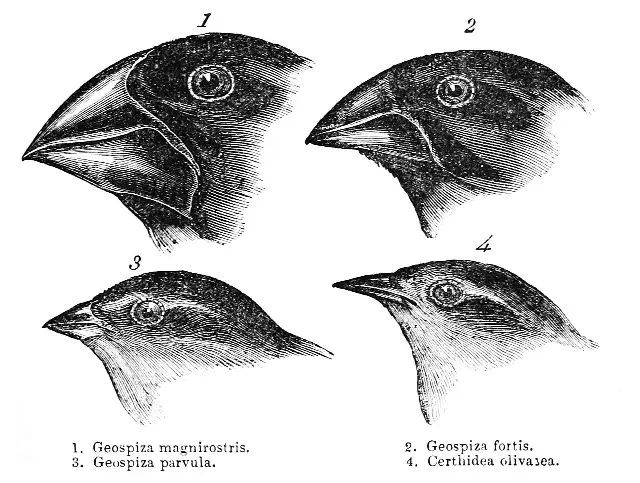
On September 15, 1835, HMS Beagle sighted the Galápagos Islands, beginning the five-week visit that would help Charles Darwin rethink the origin of species.
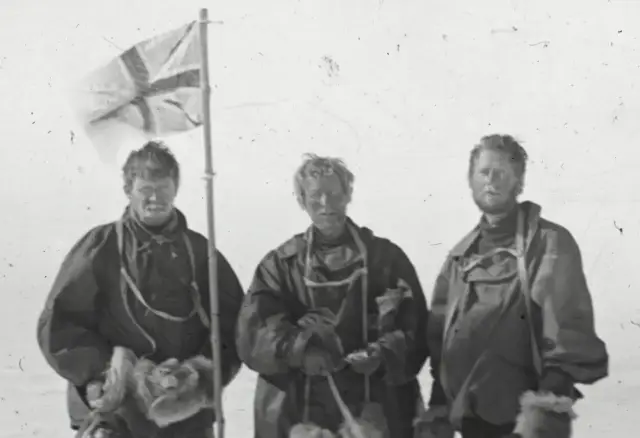
On January 16, 1909, three men from Shackleton's Nimrod expedition planted the Union Jack at the South Magnetic Pole after hauling their sledges some 1,260 miles across Antarctica.
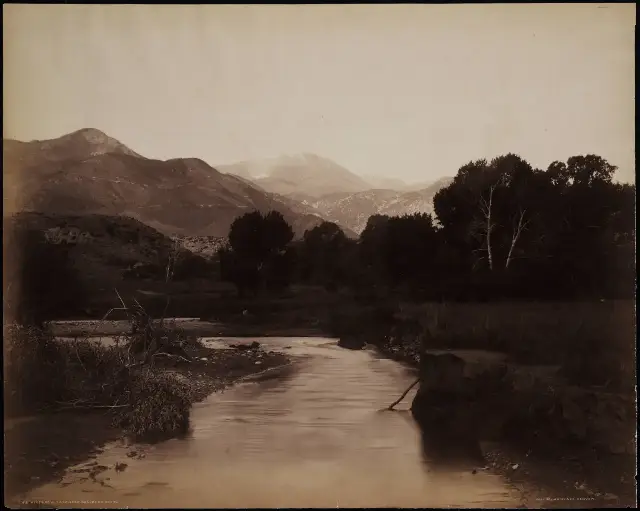
On November 15, 1806, explorer Zebulon Pike recorded his first sight of the towering 'Grand Peak' of the Rockies — then tried to climb it before dinner, and failed.
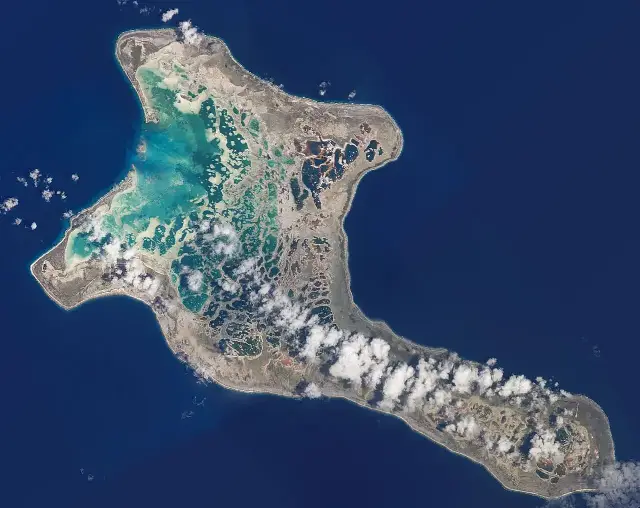
On Christmas Eve 1777, Captain James Cook sighted a low coral atoll in the Pacific and named it Christmas Island, now known as Kiritimati.
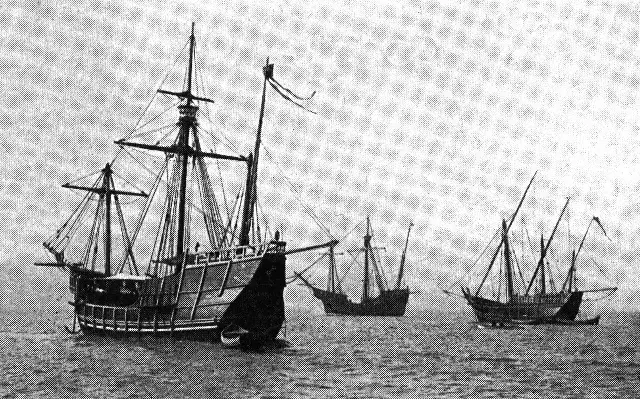
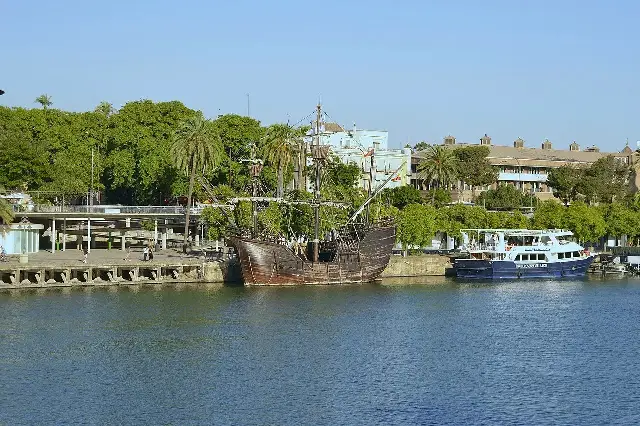
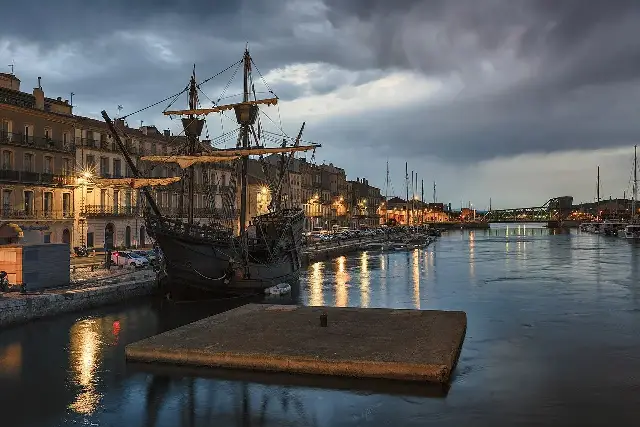
On the morning of August 3, 1492, Columbus sailed from Palos, Spain, with the Niña, the Pinta, and the Santa María on the voyage that would change the world.
On September 28, 1542, Juan Rodríguez Cabrillo sailed into San Diego Bay and became the first European to set foot on the West Coast of the United States.
On August 1, 1498, on his third voyage, Columbus reached the mainland of South America near Venezuela's Orinoco delta — the first recorded European encounter with the continent.
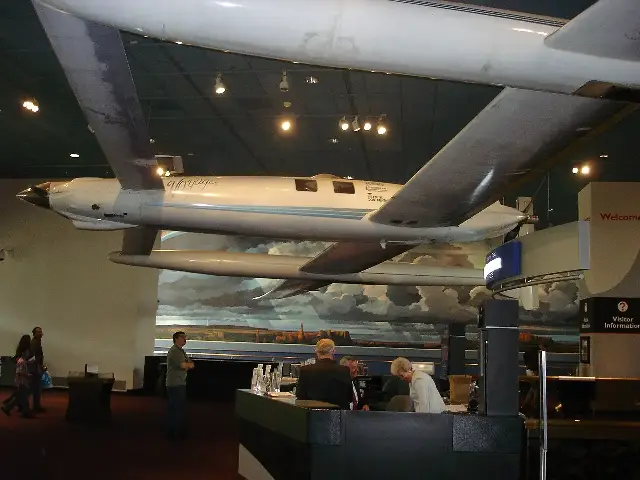
On December 23, 1986, Dick Rutan and Jeana Yeager landed the Voyager at Edwards Air Force Base, completing the first nonstop, non-refueled flight around the world.
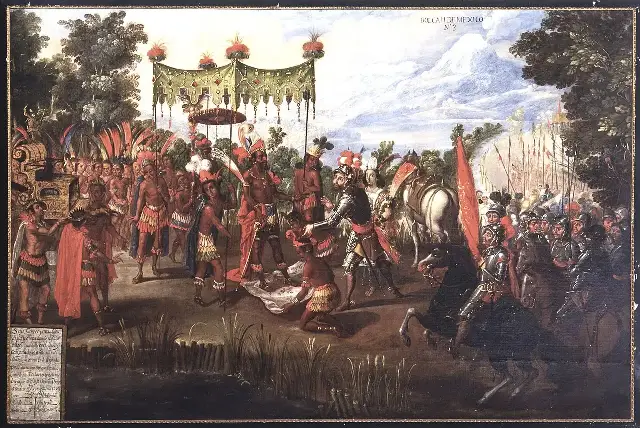
On November 8, 1519, Hernán Cortés walked the southern causeway into Tenochtitlan — a lake-city possibly larger than any in Europe — and was welcomed by Moctezuma II.
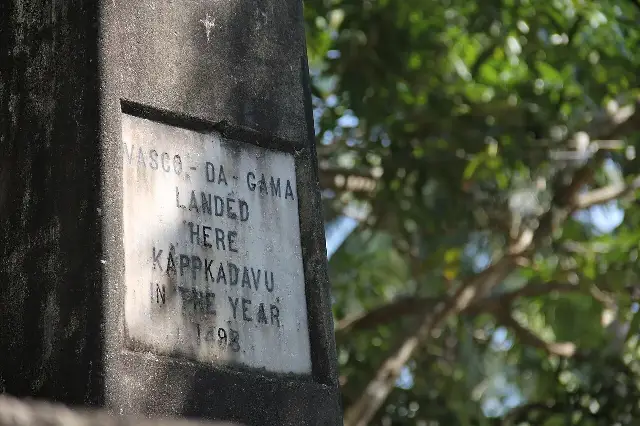
On May 20, 1498, Vasco da Gama's ships anchored off Calicut, India — completing the first sea voyage from Europe to Asia and changing world trade forever.
On January 14, 2005, ESA's Huygens probe landed on Saturn's moon Titan, phoning home from a world of methane rain — the most distant landing in history.
On November 3, 1493, Columbus sighted a mountainous Caribbean island on a Sunday and named it Dominica — Latin for the Lord's Day.
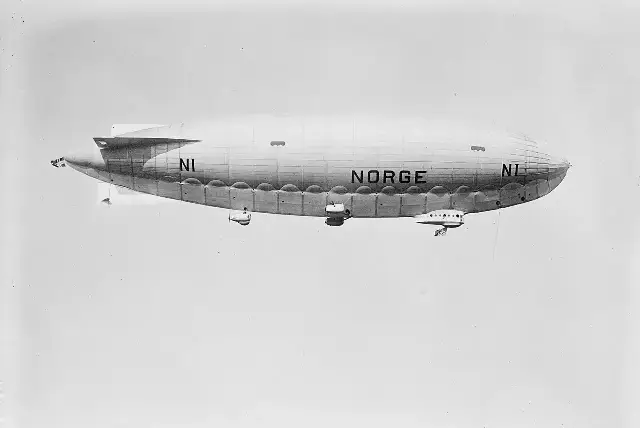
On May 12, 1926, the airship Norge carried Roald Amundsen, Umberto Nobile, and Lincoln Ellsworth over the North Pole — the first undisputed flight over the top of the world, then on to Alaska.
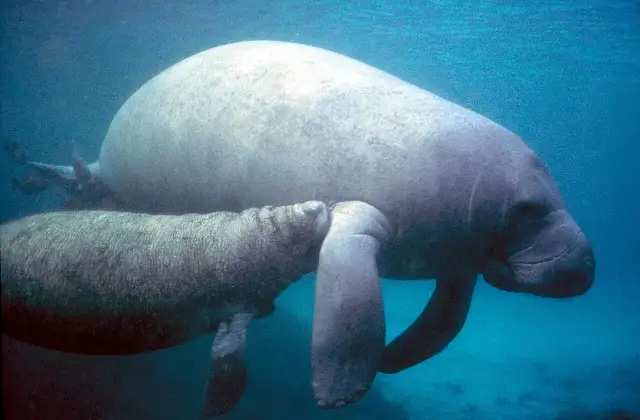
On January 9, 1493, Christopher Columbus recorded three 'mermaids' he had seen off Hispaniola the day before — manatees, and decidedly 'not half as beautiful as they are painted.'
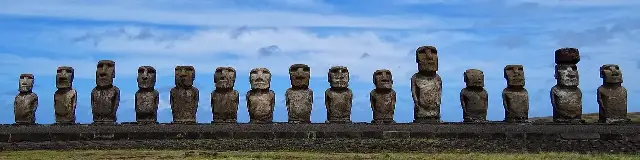
On April 5, 1722 — Easter Sunday — Dutch navigator Jacob Roggeveen made the first recorded European landing on Easter Island, naming it for the holy day.
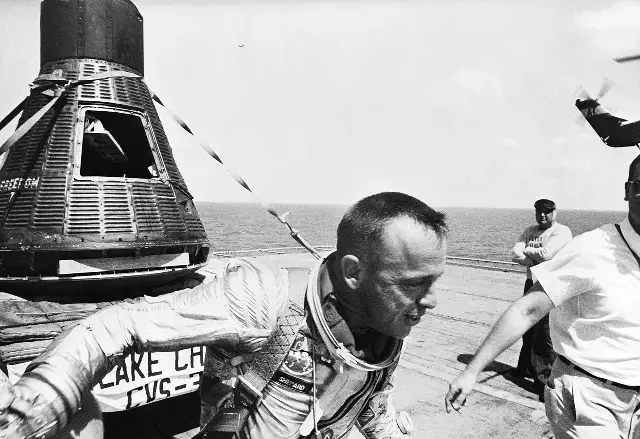
On May 5, 1961, Navy pilot Alan Shepard rode a Redstone rocket 116 miles up and became the first American in space — 23 days after the Soviets got there first.
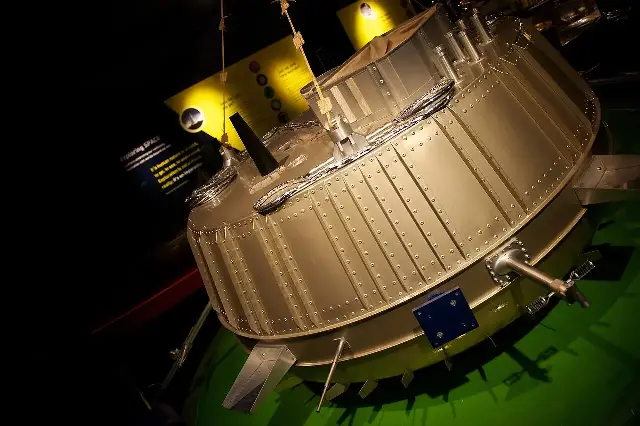
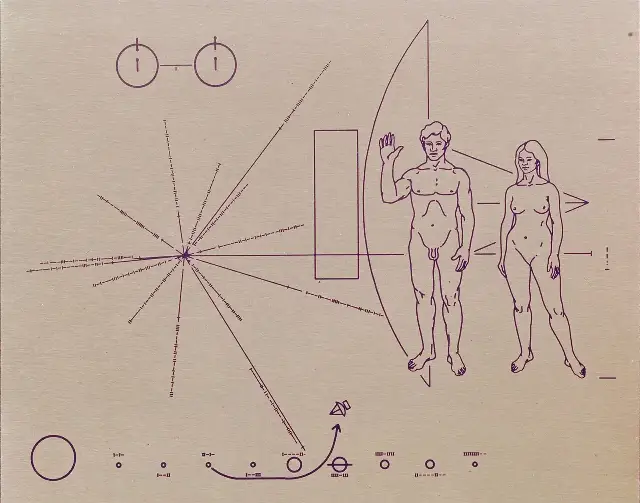
On June 13, 1983, NASA's Pioneer 10 crossed Neptune's orbit and became the first human-made object to travel beyond all the major planets.
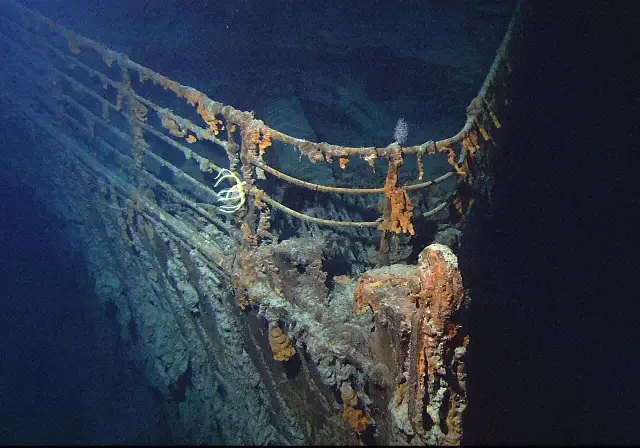
On September 1, 1985, Robert Ballard's team stopped hunting for the Titanic's hull and followed the trail of debris it had shed — and found the wreck 12,500 feet down.
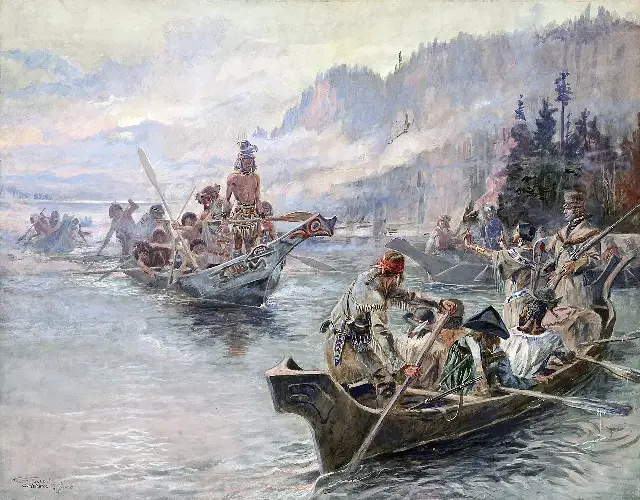
On May 14, 1804, the Lewis and Clark expedition pushed up the Missouri River into the vast Louisiana Purchase — and into American legend.
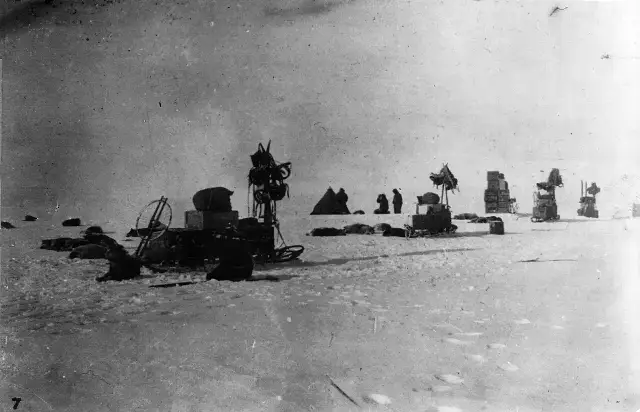
On March 7, 1912, Roald Amundsen walked into a Tasmanian post office and told the world he had beaten everyone to the South Pole.
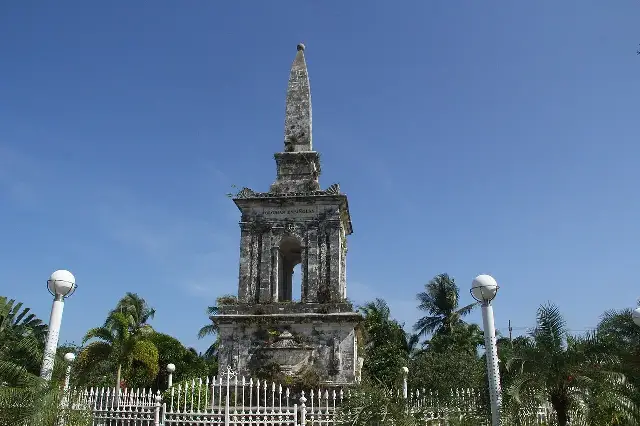
On April 27, 1521, Ferdinand Magellan was killed on the Philippine island of Mactan, ending his quest to sail around the world.
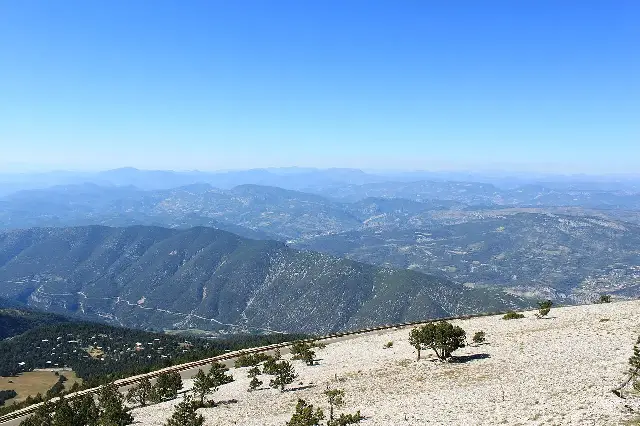
On April 26, 1336, the poet Petrarch climbed Mont Ventoux in Provence simply to see the view — an act some call the birth of the Renaissance spirit.
On May 2, 1670, Charles II granted the Hudson's Bay Company a royal charter — and with it, a fur-trade monopoly over a third of modern Canada.
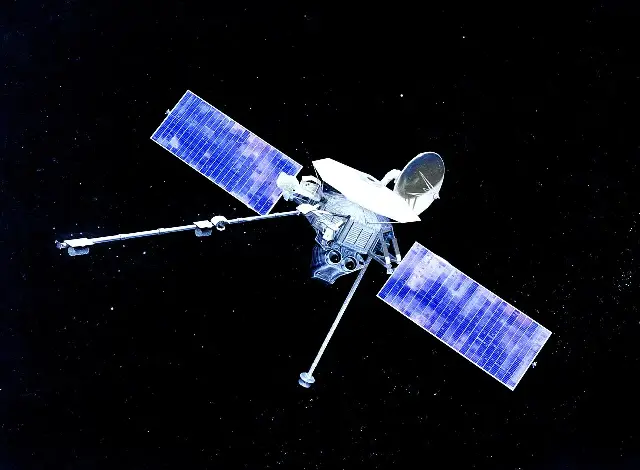
On March 29, 1974, NASA's Mariner 10 became the first spacecraft to fly past Mercury, revealing a cratered, moonlike world no telescope had ever resolved.
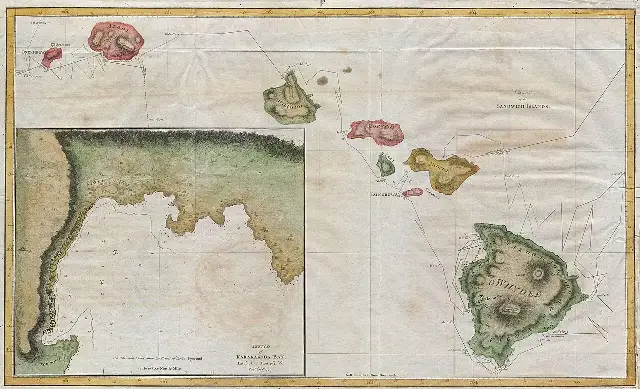
On January 18, 1778, Captain James Cook's ships sighted Oahu, the first known European encounter with the Hawaiian Islands.
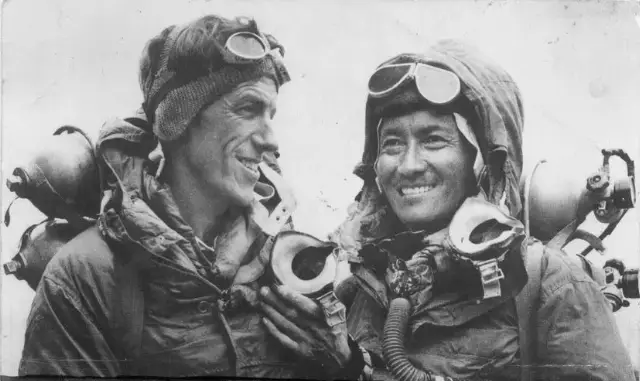
On May 29, 1953, Edmund Hillary and Tenzing Norgay stood on the summit of Mount Everest — the first people ever confirmed to reach the top of the world.
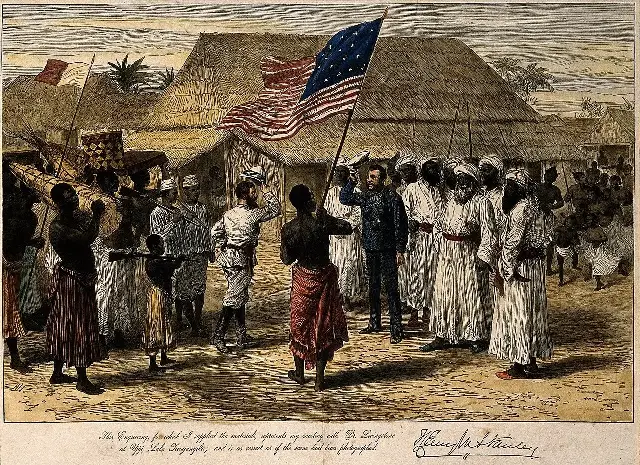
On November 10, 1871, journalist Henry Morton Stanley walked into a tiny African village and found the lost explorer the whole world had given up on.
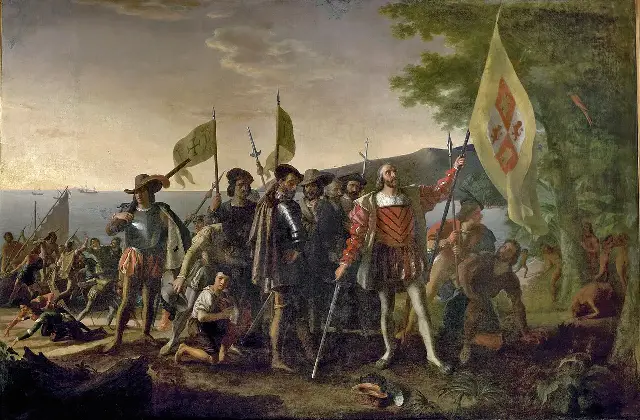
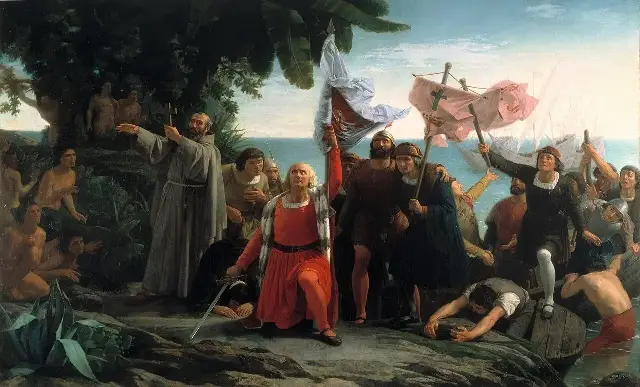
At 2 a.m. on October 12, 1492, a lookout on the Pinta spotted land — the moment that launched centuries of European exploration and colonization of the Americas.
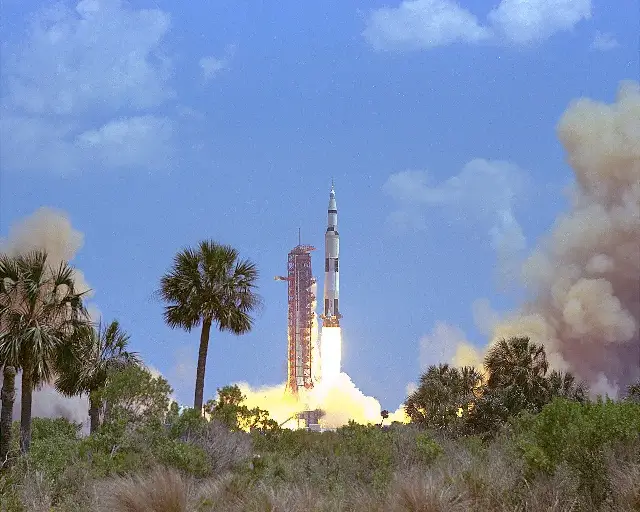
On April 16, 1972, Apollo 16 blasted off for the Moon — and a mid-flight malfunction nearly turned it back before it landed.
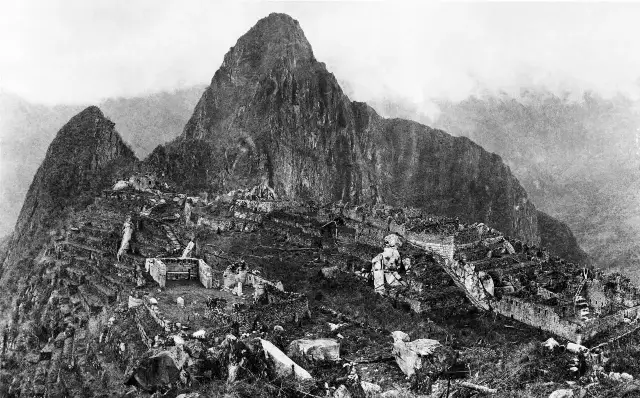
On July 24, 1911, a local farmer led Yale lecturer Hiram Bingham up a steep Andean slope — and Machu Picchu, hidden from the Spanish for centuries, entered the modern world.
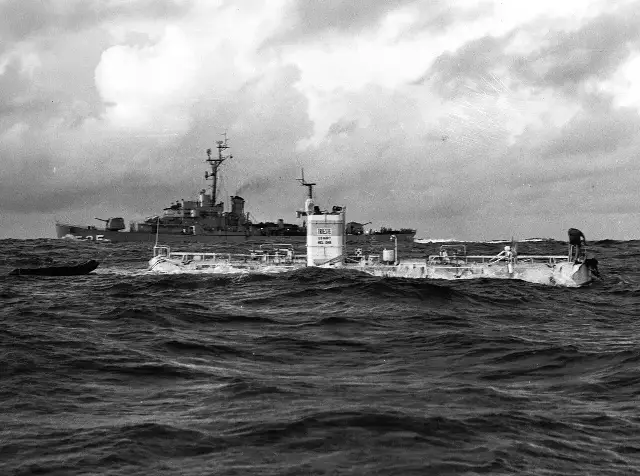
On January 23, 1960, Jacques Piccard and Don Walsh rode the bathyscaphe Trieste to the floor of the Challenger Deep, the deepest known point on Earth.
On September 20, 1519, Ferdinand Magellan sailed from Spain with five ships and about 270 men on the voyage that would become the first circumnavigation of the Earth.
On September 6, 1522, a rotting carrack called the Victoria limped into a Spanish harbor with 18 starving men aboard, completing the first voyage around the world.
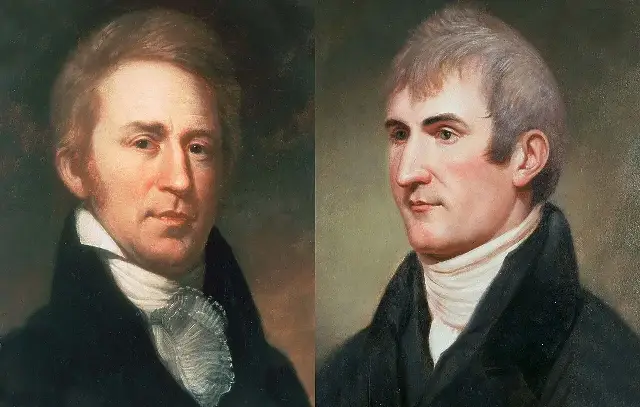
On September 23, 1806, Meriwether Lewis and William Clark sailed into St. Louis, completing the first recorded overland journey from the Mississippi River to the Pacific Ocean and back.