The Day Comedy Lost Groucho Marx
On August 19, 1977, Groucho Marx — the quick-witted Marx Brother who never stopped joking — died at 86, three days after Elvis stole his headlines.


On August 19, 1977, Groucho Marx — the quick-witted Marx Brother who never stopped joking — died at 86, three days after Elvis stole his headlines.
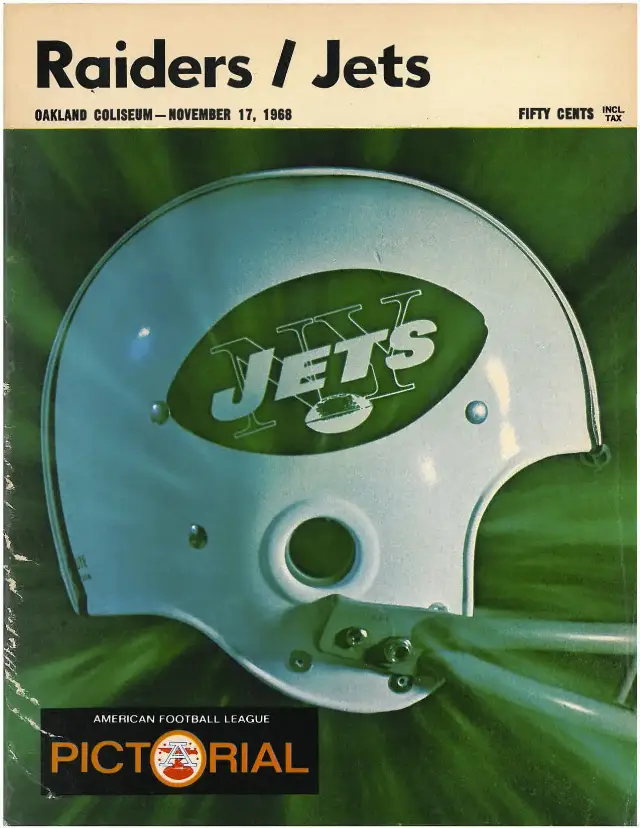
On November 17, 1968, NBC cut away from a Jets–Raiders thriller to air the children's movie Heidi — and viewers missed one of football's wildest finishes.
On April 7, 1927, AT&T's Bell Laboratories publicly demonstrated long-distance television, sending live images and voice of Commerce Secretary Herbert Hoover from Washington to New York.
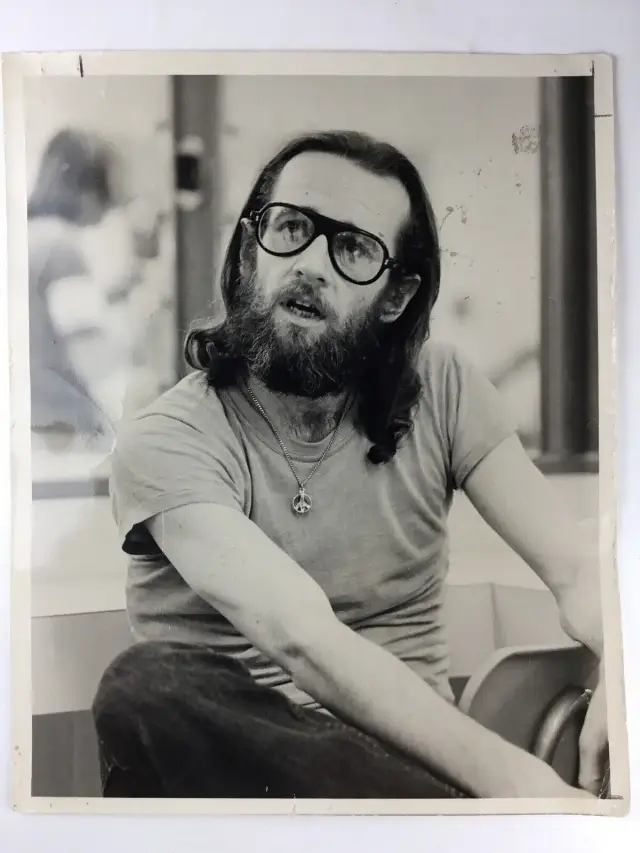
On October 11, 1975, "NBC's Saturday Night" — the show that became Saturday Night Live — debuted with host George Carlin and a cast of unknown comedians who would change American comedy.
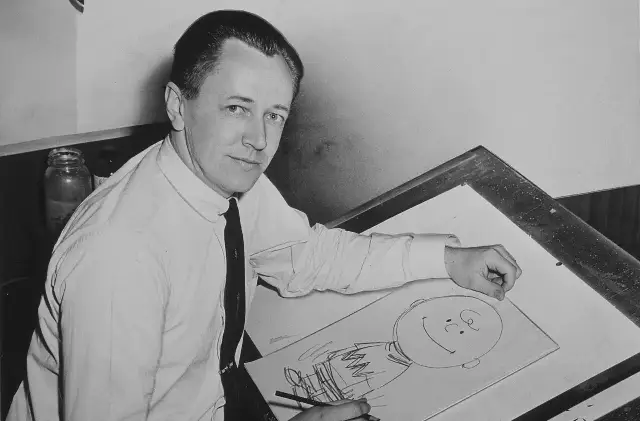
On December 9, 1965, a low-budget cartoon about a sad kid and a scrawny tree became a Christmas institution.
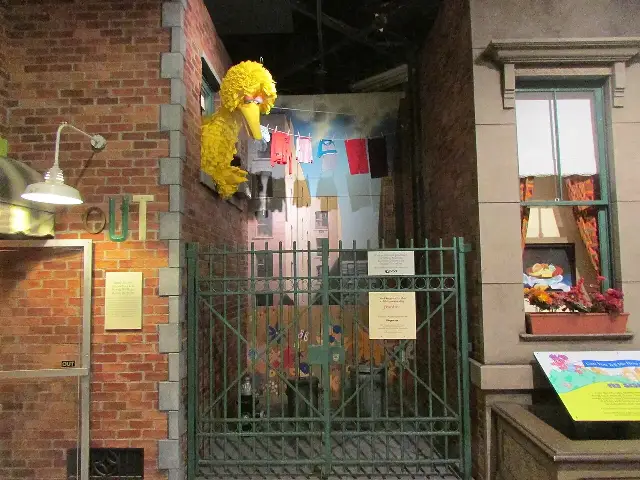
On November 10, 1969, Sesame Street premiered on American public television, bringing Jim Henson's Muppets and a groundbreaking educational curriculum to children's TV.
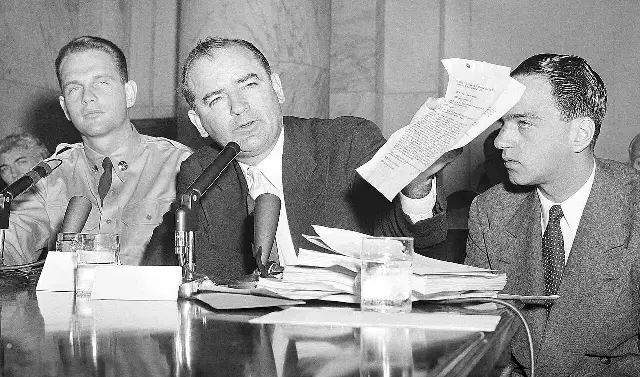
On June 9, 1954, Army lawyer Joseph Welch's televised rebuke of Senator Joseph McCarthy — 'Have you no sense of decency?' — broke the spell of McCarthyism.
On June 2, 1953, Elizabeth II was crowned at Westminster Abbey in the first fully televised coronation, watched by 27 million people in Britain alone.
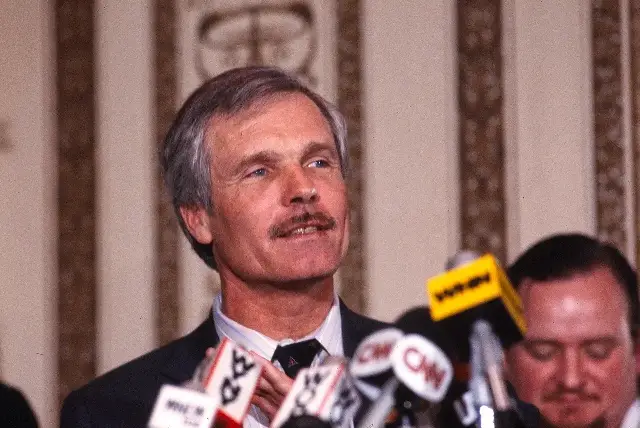
On June 1, 1980, Ted Turner launched CNN from Atlanta — the world's first 24-hour all-news network — and changed how the planet receives its news.
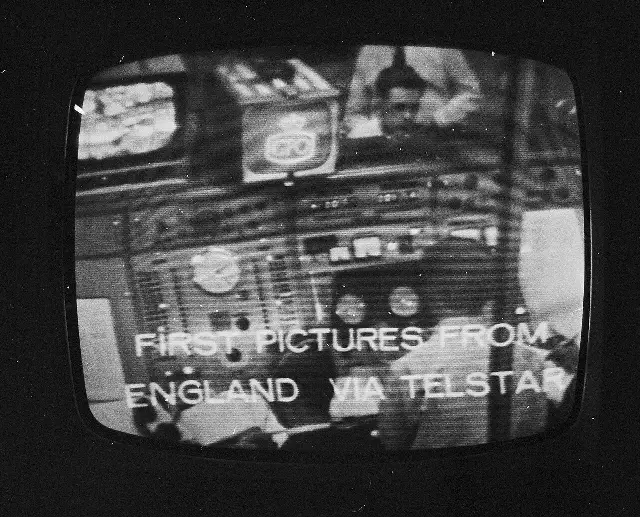
Launched July 10, 1962, a tiny satellite beamed the first live television pictures across the Atlantic — and TV went global.
On September 9, 1956, a 21-year-old Elvis Presley made his first appearance on The Ed Sullivan Show — and 60 million people watched.
On September 8, 1966, NBC aired "The Man Trap" — the first broadcast episode of a struggling new space show called Star Trek.
On October 5, 1969, Monty Python's Flying Circus premiered on the BBC to tiny audiences and hostile executives — then rewrote the rules of comedy.