The Province That Bet Everything on a Railway
On July 20, 1871, British Columbia became Canada's sixth province after Ottawa promised to absorb the colony's debt and build a transcontinental railway.

On July 20, 1871, British Columbia became Canada's sixth province after Ottawa promised to absorb the colony's debt and build a transcontinental railway.
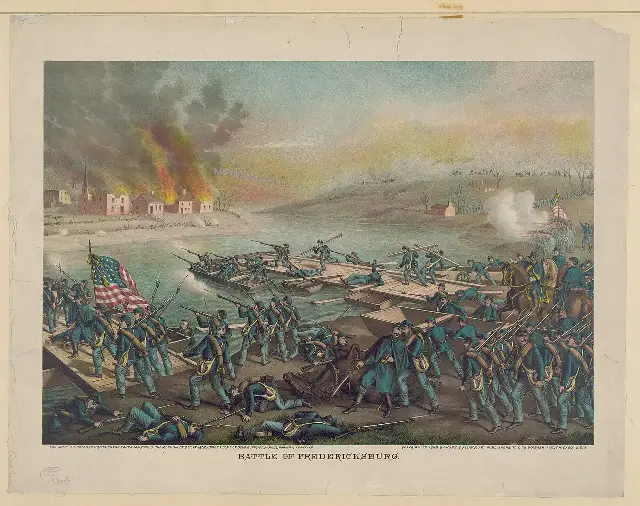
On December 13, 1862, Union troops launched wave after wave of frontal assaults against Confederate defenses at Marye's Heights, in one of the Civil War's most one-sided battles.
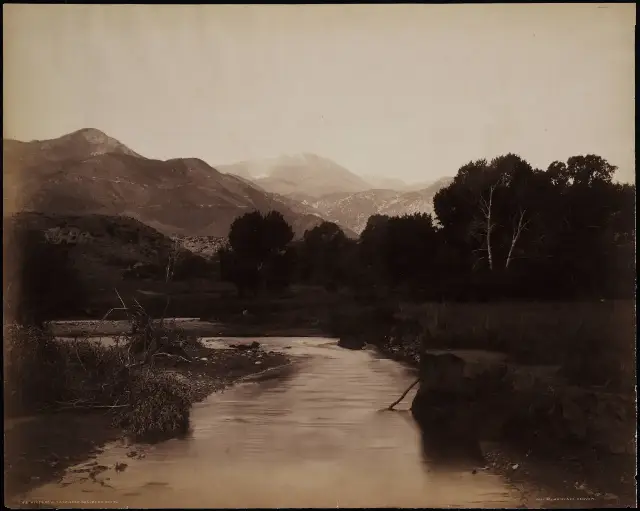
On November 15, 1806, explorer Zebulon Pike recorded his first sight of the towering 'Grand Peak' of the Rockies — then tried to climb it before dinner, and failed.
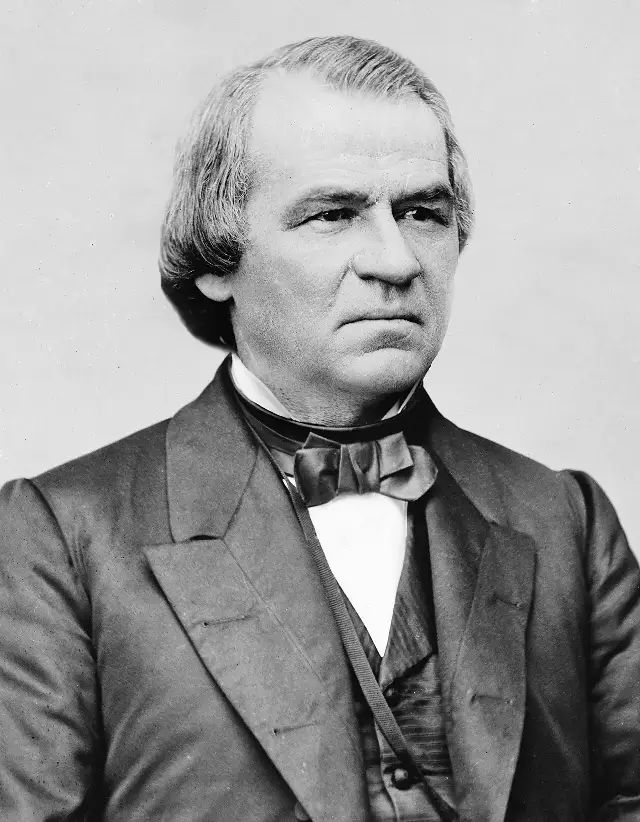
On May 26, 1868, the Senate acquitted President Andrew Johnson on impeachment charges by a single vote — 35 to 19 — setting a precedent for every impeachment since.
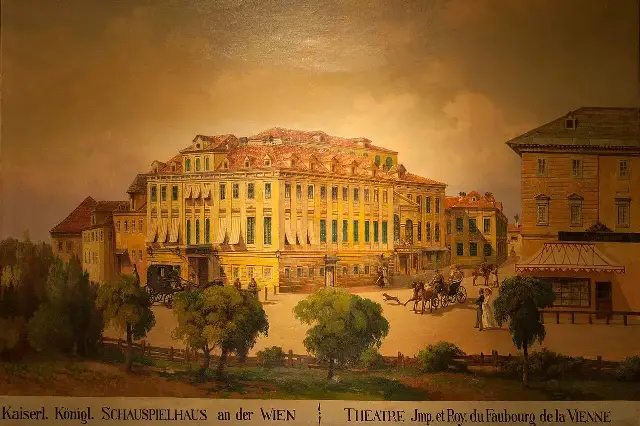
On December 22, 1808, Beethoven's Fifth Symphony received its world premiere at a freezing, marathon all-Beethoven concert in Vienna.
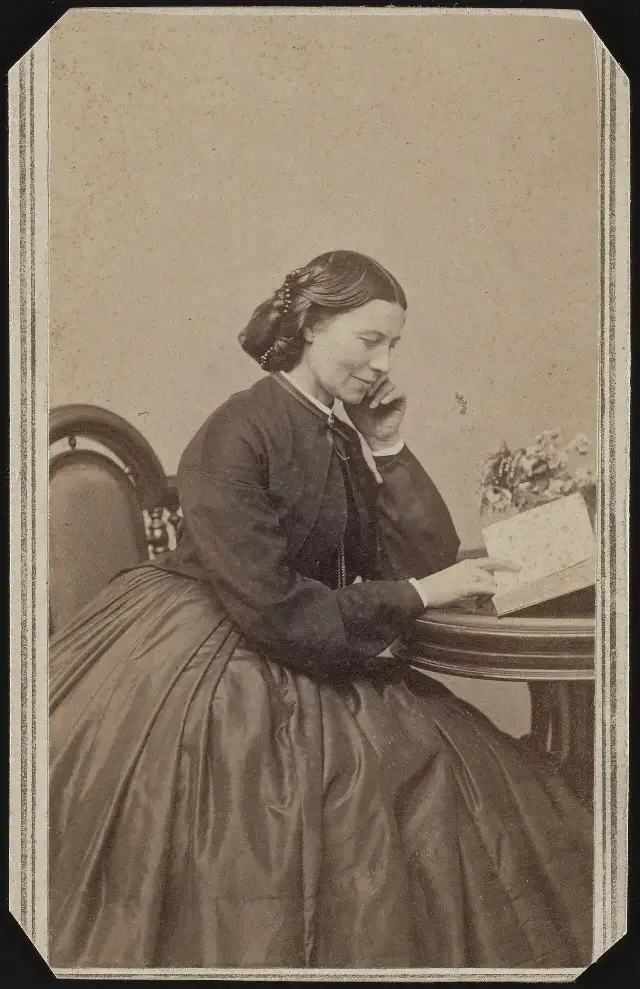
On May 21, 1881, Clara Barton founded the American Red Cross at a meeting in her Washington apartment, bringing a European idea of neutral wartime aid to America.
On May 20, 1873, a Reno tailor and a San Francisco merchant received U.S. Patent No. 139,121 for riveted work pants — the official birthday of blue jeans.
On May 5, 1809, Mary Dixon Kies of Connecticut received a U.S. patent for weaving straw with silk — the first patent ever issued to a woman in her own name.
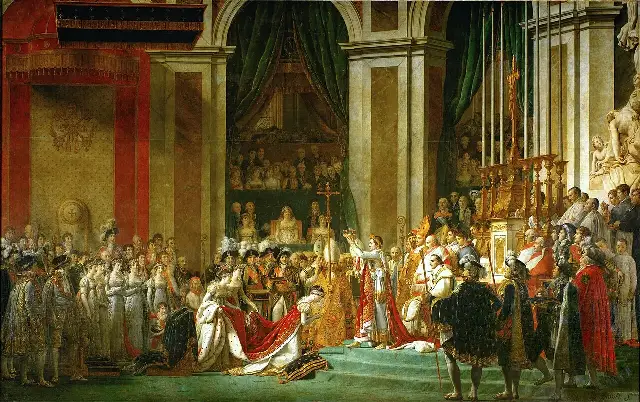
On December 2, 1804, Napoleon Bonaparte crowned himself Emperor of the French at Notre-Dame, with Pope Pius VII watching from the sidelines.
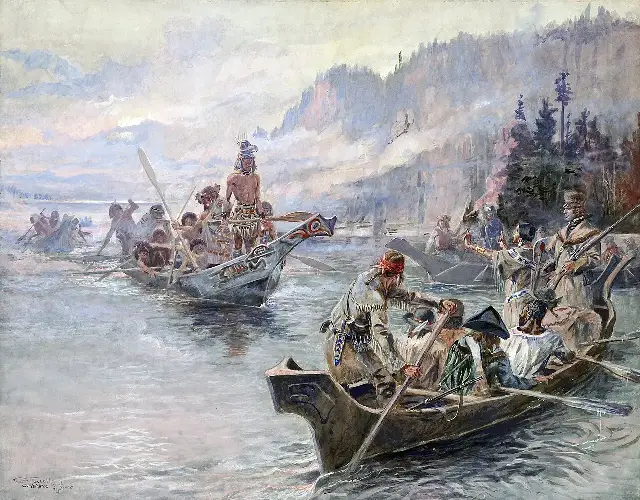
On May 14, 1804, the Lewis and Clark expedition pushed up the Missouri River into the vast Louisiana Purchase — and into American legend.
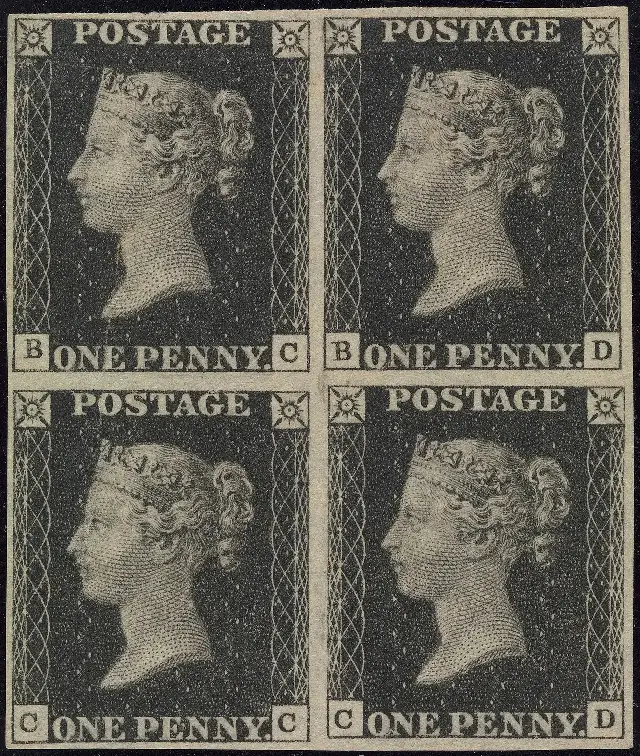
On May 1, 1840, Britain's Penny Black went on sale — the world's first adhesive postage stamp, making mail affordable for ordinary people for the first time.
Albert Einstein was born in Ulm, Germany, on March 14, 1879 — a slow-speaking boy who would rewrite physics with a patent-office desk and four extraordinary papers.
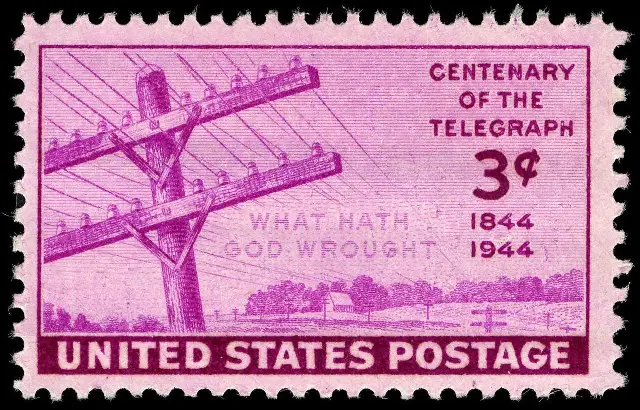
On May 24, 1844, Samuel Morse tapped out 'What hath God wrought!' from the U.S. Capitol to Baltimore — the first official message on the first U.S. telegraph line.