Otello: The Night a 73-Year-Old Verdi Conquered La Scala
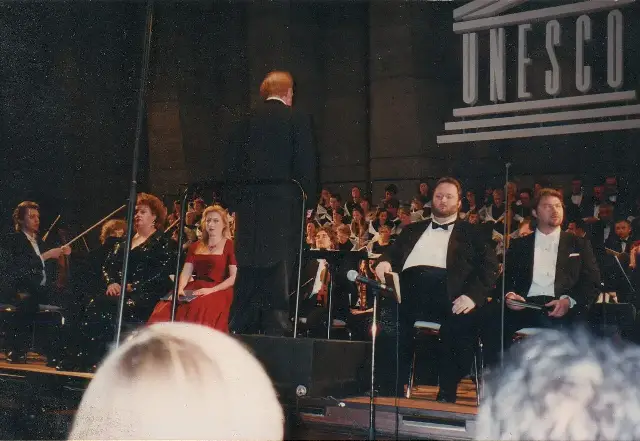
On February 5, 1887, Giuseppe Verdi's Otello premiered at La Scala in Milan — the triumphant comeback of a composer who had retired from opera fifteen years earlier.


On February 5, 1887, Giuseppe Verdi's Otello premiered at La Scala in Milan — the triumphant comeback of a composer who had retired from opera fifteen years earlier.
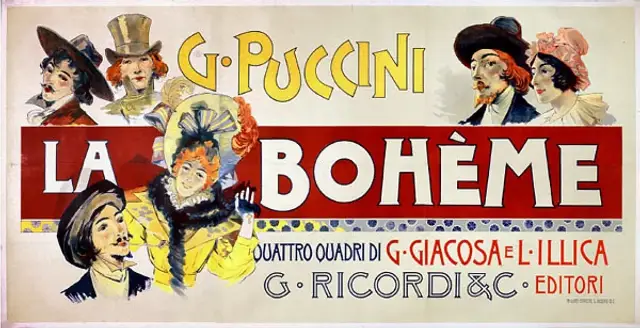
Puccini's La Bohème premiered at Turin's Teatro Regio on February 1, 1896, to a chilly reception from the critics — then went on to become one of the most beloved operas ever written.
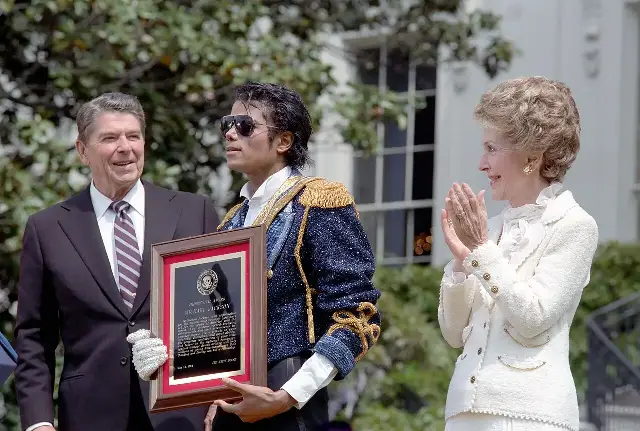
On November 30, 1982, Michael Jackson released Thriller — the album that became the best-selling record of all time and changed pop music forever.
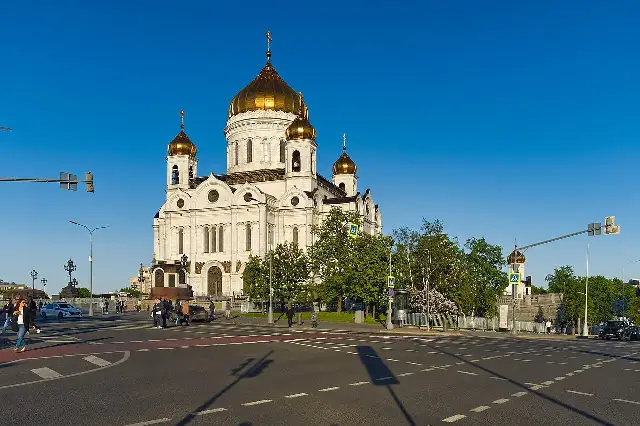
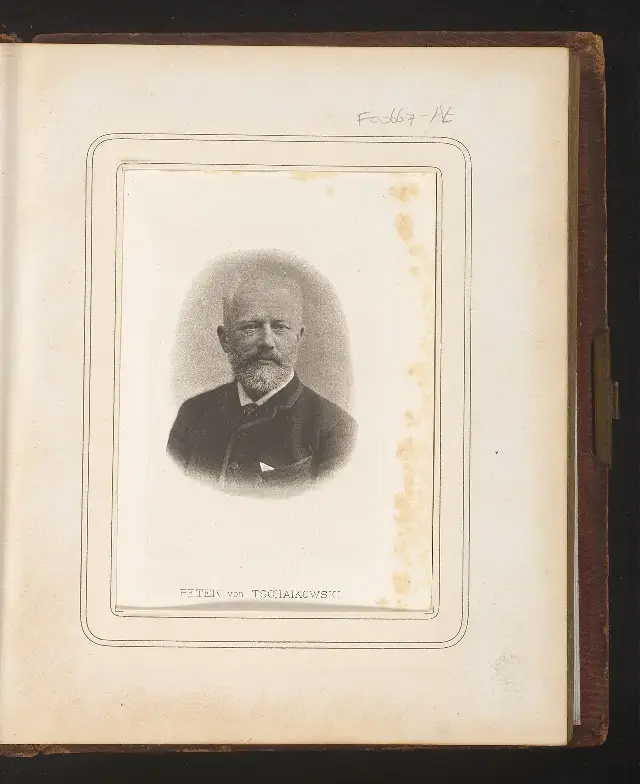
On August 20, 1882, Tchaikovsky's 1812 Overture premiered under a tent in Moscow — with real cannons, church bells, and a composer who called it loud and noisy.
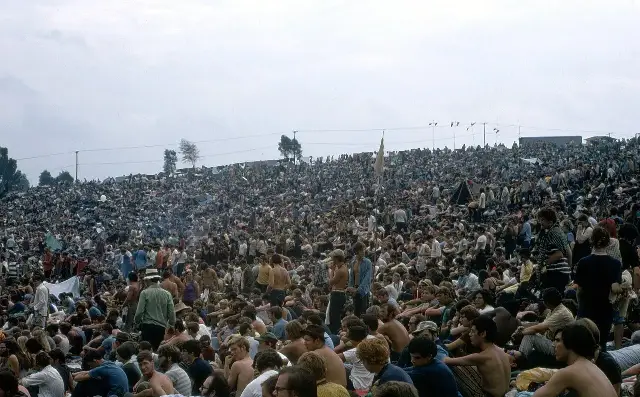
On the morning of August 18, 1969, Jimi Hendrix closed Woodstock with a searing Star-Spangled Banner that became the sound of a generation.
On July 22, 1893, Wellesley professor Katharine Lee Bates rode a wagon to the summit of Pikes Peak and wrote the verses that became 'America the Beautiful.'
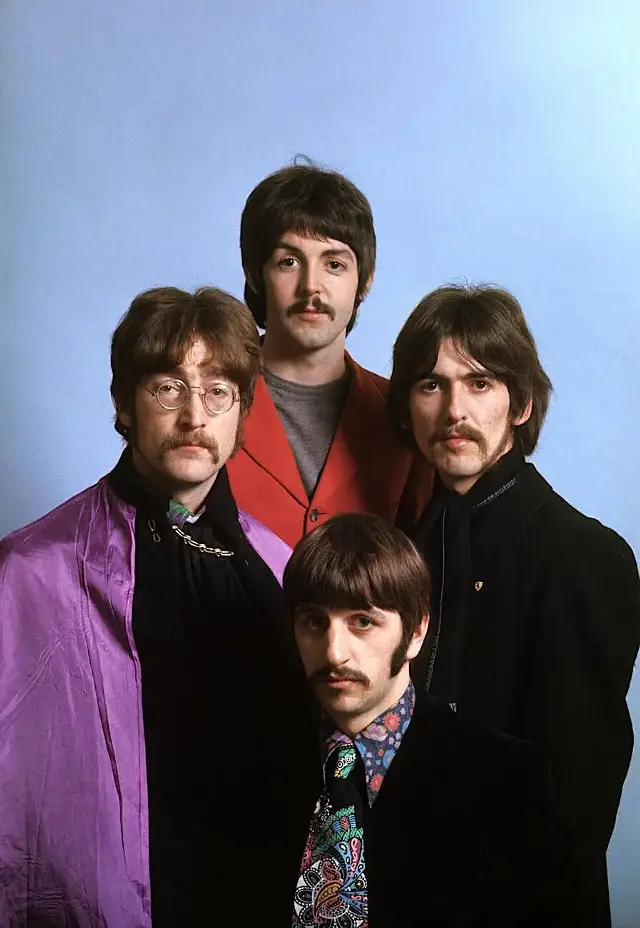
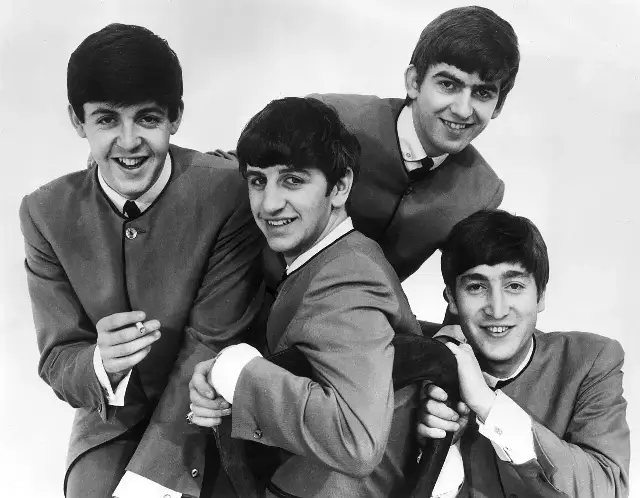
On January 30, 1969, the Beatles played an unannounced 42-minute set on the roof of their Apple Corps headquarters — the last time they ever performed in public together.
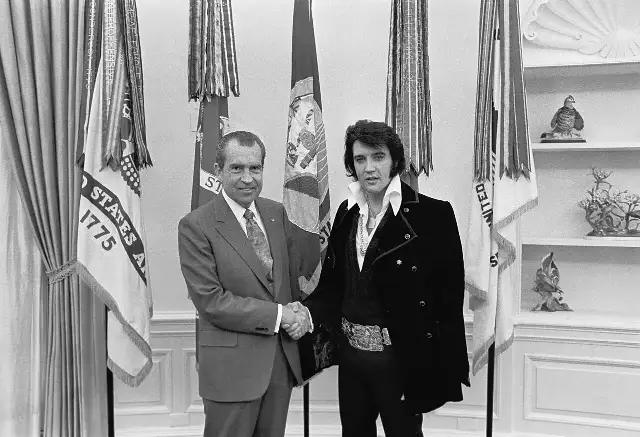
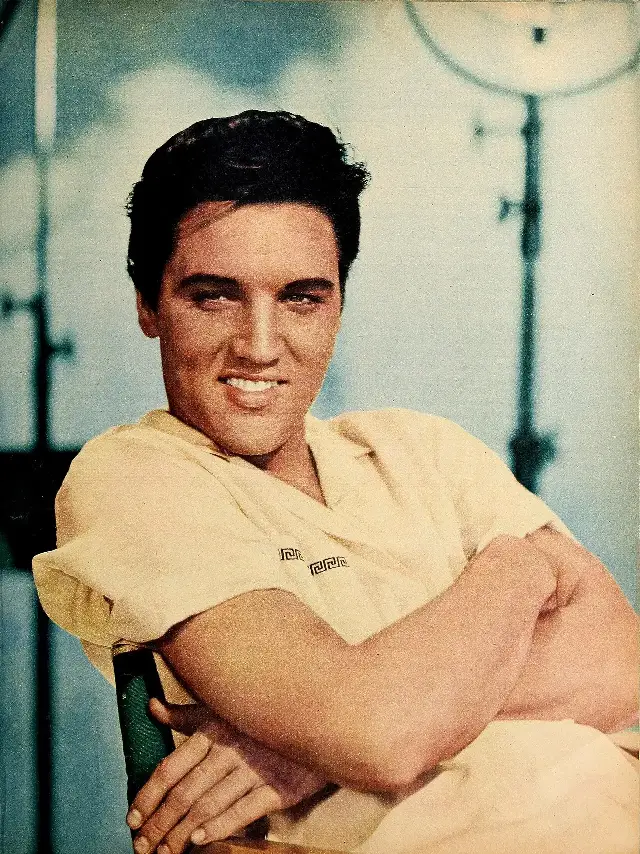
On August 16, 1977, Elvis Presley was found dead at Graceland at age 42, ending the life of rock and roll's first global superstar.
On November 27, 1967, Capitol Records released Magical Mystery Tour as an 11-track American LP — and accidentally created the version of the album the world would keep.
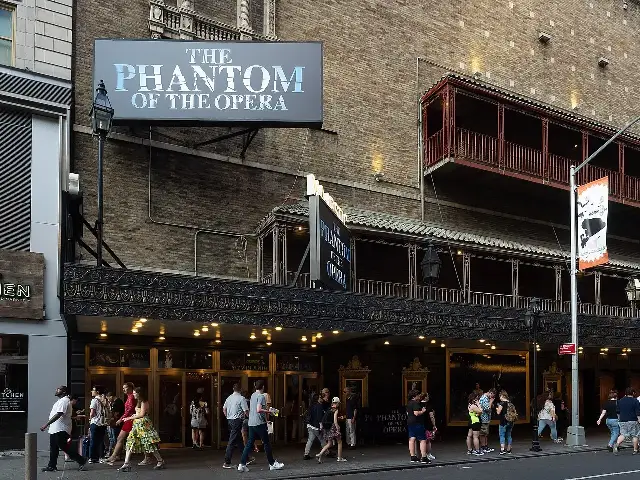
On January 26, 1988, Andrew Lloyd Webber's The Phantom of the Opera opened at Broadway's Majestic Theatre — and ran for 35 years, becoming the longest-running show in Broadway history.
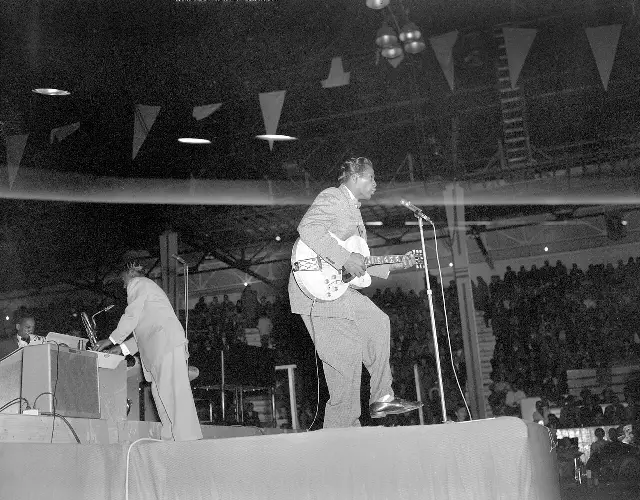
On January 23, 1986, the first Rock and Roll Hall of Fame induction ceremony at New York's Waldorf-Astoria honored Chuck Berry, Elvis Presley, and the other founders of rock.
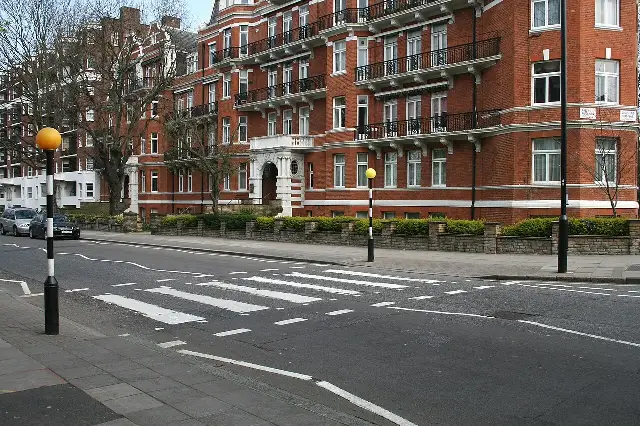
On August 8, 1969, the Beatles spent ten minutes crossing a London zebra crossing for a photograph — creating the most imitated album cover in history.
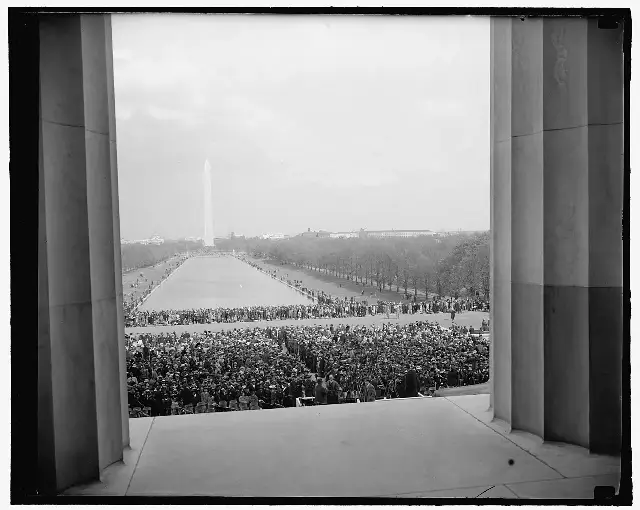
On Easter Sunday, April 9, 1939, contralto Marian Anderson sang before 75,000 people at the Lincoln Memorial after the DAR barred her from Constitution Hall because she was Black.
On July 5, 1954, a 19-year-old Elvis Presley fooled around with a blues song during a break at Sun Studio — and accidentally cut the record that launched rock 'n' roll.
On May 7, 1824, a deaf Beethoven "conducted" the premiere of his Ninth Symphony in Vienna — and had to be turned around to see the cheering crowd.
On November 13, 1940, Walt Disney's Fantasia premiered in New York — an animated concert film in pioneering stereo sound that flopped first and became a classic.
On October 9, 1940, in wartime Liverpool, John Lennon was born — and grew up to write some of the most famous songs ever recorded.
On December 22, 1808, Beethoven's Fifth Symphony received its world premiere at a freezing, marathon all-Beethoven concert in Vienna.
On March 4, 1877, Tchaikovsky's Swan Lake premiered in Moscow to a shrug — the composer died never knowing it would become the most famous ballet on Earth.
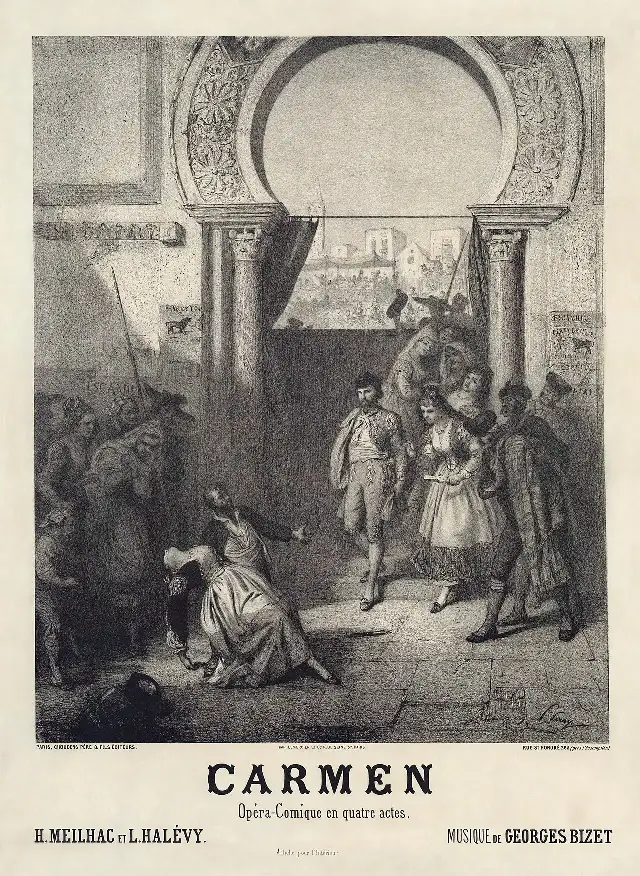
On March 3, 1875, Bizet's Carmen shocked Paris with a heroine who lived free and died onstage — the audience hated it, and the composer never knew it would conquer the world.
On December 20, 1957, rock-and-roll star Elvis Presley picked up his Army draft notice at Graceland, just as his career hit its peak.
On October 5, 1962, the Beatles released their debut single Love Me Do on Parlophone — it only reached number 17 in Britain, but it was the first faint chime of a revolution.
On June 21, 1948, Columbia Records unveiled the 33 1/3 rpm long-playing record at the Waldorf Astoria, launching the album era.
Two nights after Ed Sullivan, the Beatles played their first real U.S. concert for 8,092 screaming fans at Washington, D.C.'s Washington Coliseum.
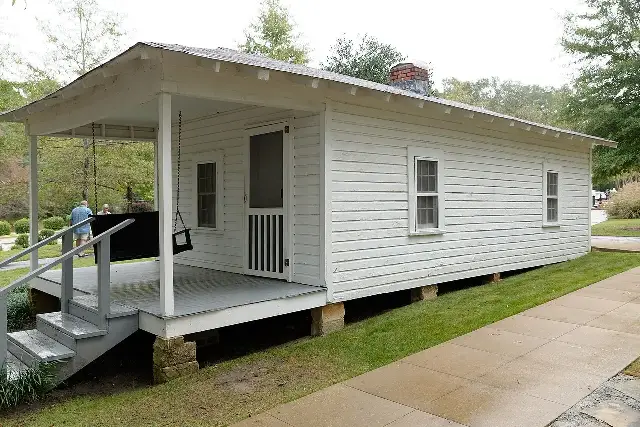
On January 8, 1935, Elvis Aaron Presley was born in a two-room shotgun house in Tupelo, Mississippi — the surviving twin who would grow up to shake the world of music.
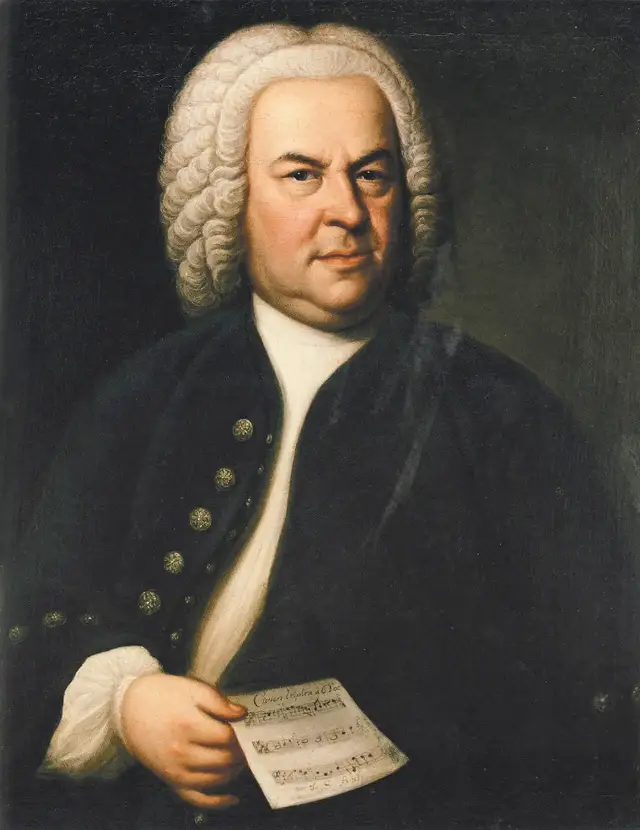
On March 21, 1685, a boy from a family of town musicians was born in Eisenach, Germany — and grew up to become Johann Sebastian Bach.
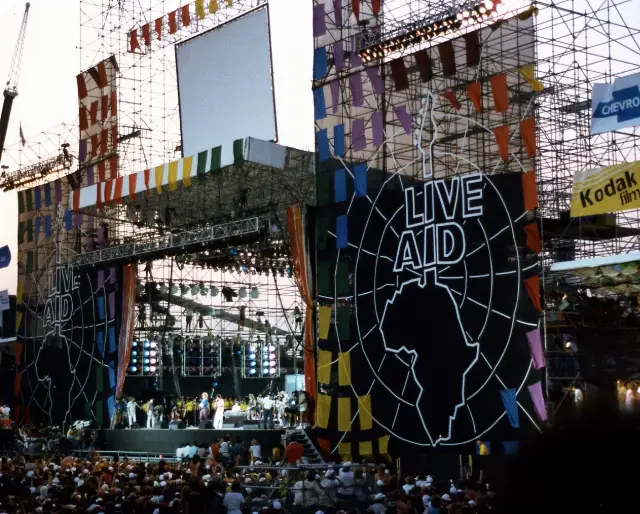
On July 13, 1985, two concerts on two continents played to nearly 40 percent of humanity, all to fight famine in Ethiopia.
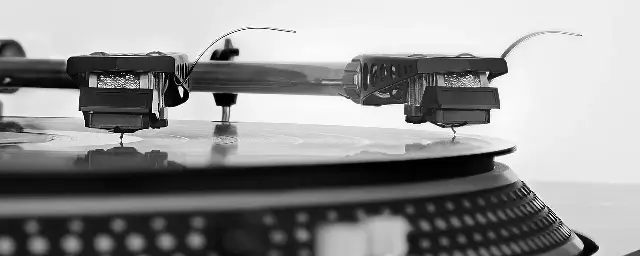
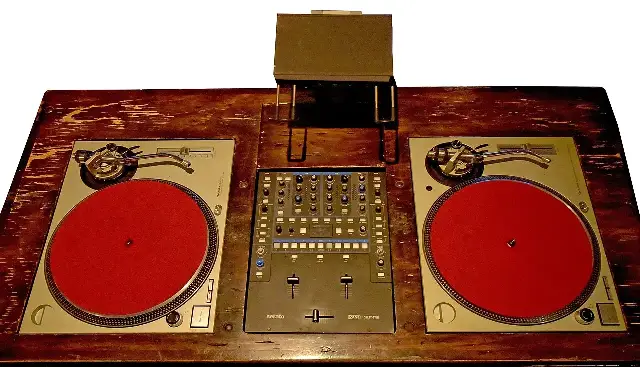
On August 11, 1973, a back-to-school party in a Bronx rec room launched hip-hop — thanks to a Jamaican-born DJ, two turntables, and the humble break.
On July 25, 1965, Bob Dylan strapped on an electric guitar at the Newport Folk Festival and split the music world in two.
On May 4, 1959, the music industry handed out its first Grammy Awards — at two small banquet halls on opposite coasts, where an Italian love song and a cartoon chipmunk beat Frank Sinatra.
On November 11, 1938, radio star Kate Smith introduced Irving Berlin's 'God Bless America' on her CBS show, and the nation adopted it overnight.
On June 1, 1967, the Beatles released Sgt. Pepper's Lonely Hearts Club Band in Britain, the album that turned pop records into high art.
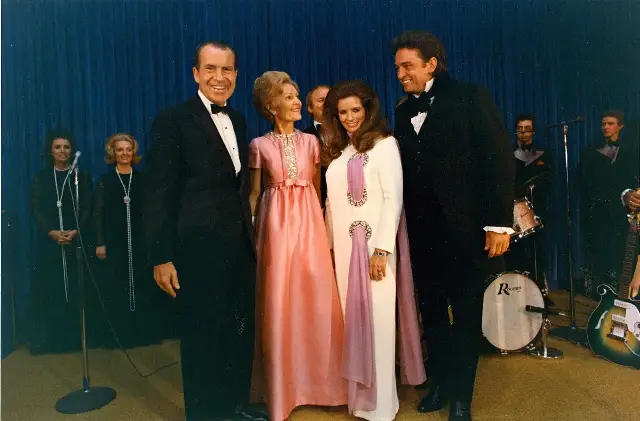
On January 13, 1968, Johnny Cash walked into California’s Folsom State Prison and recorded a live concert that rebooted his career and became one of the greatest albums ever made.
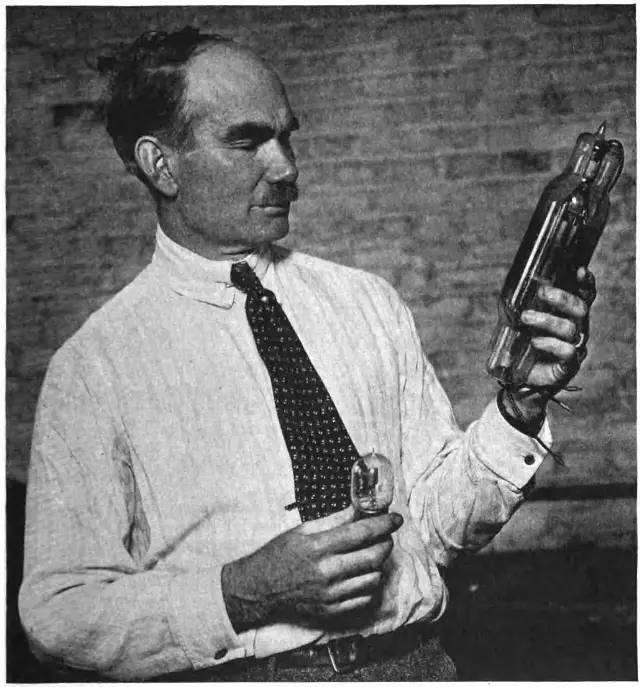
On January 12, 1910, inventor Lee de Forest transmitted the world’s first live opera broadcast — Acts II and III of Tosca — from the stage of New York’s Metropolitan Opera House.
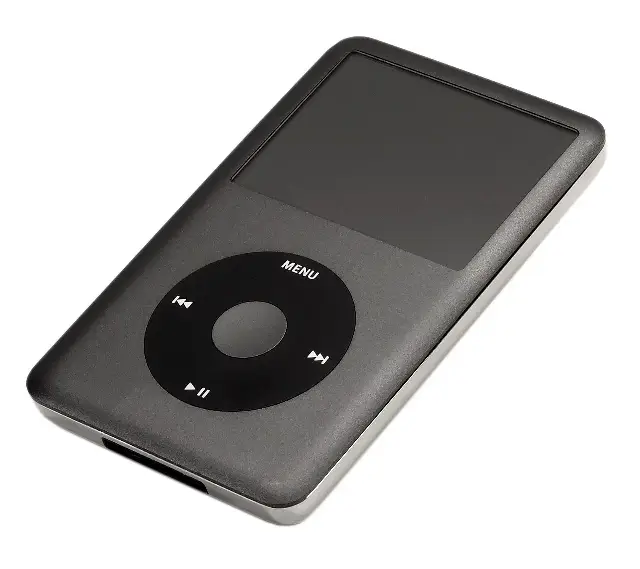
On October 23, 2001, Steve Jobs unveiled the iPod — a little white box that promised “1,000 songs in your pocket” and changed music forever.
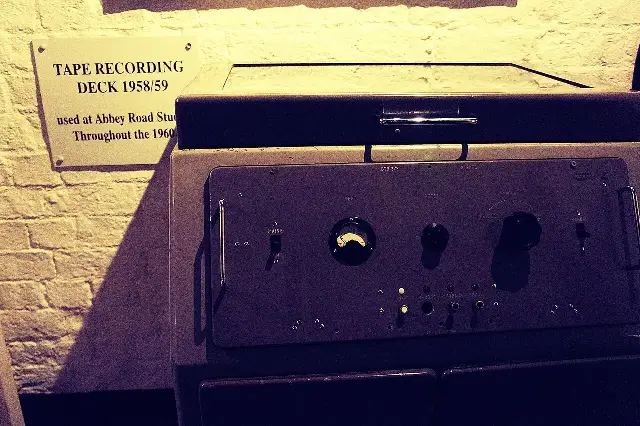
On March 22, 1963, Parlophone rush-released the Beatles' debut album "Please Please Me" — most of it recorded in a single day.
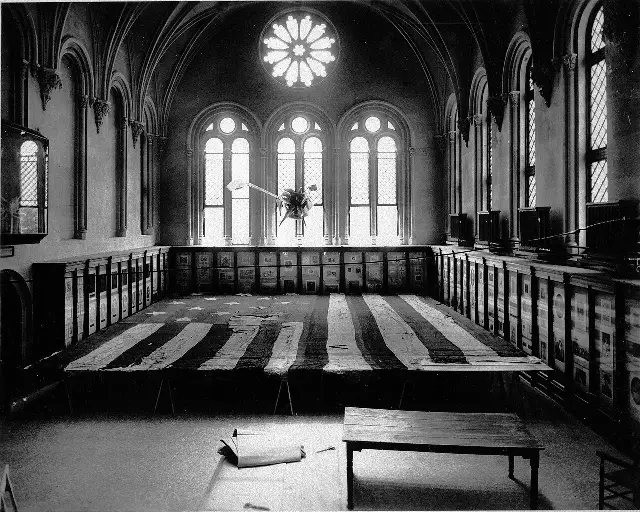
On March 3, 1931, President Herbert Hoover signed the law that made "The Star-Spangled Banner" the official national anthem of the United States.
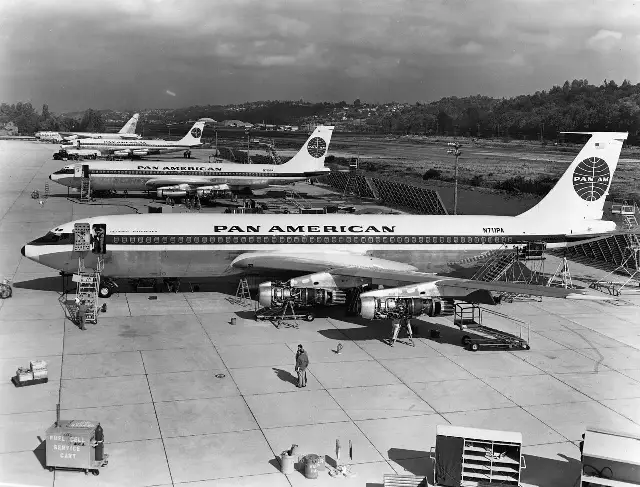
On February 7, 1964, Pan Am Flight 101 touched down at JFK with four Liverpudlians aboard — and thousands of screaming fans waiting on the tarmac.
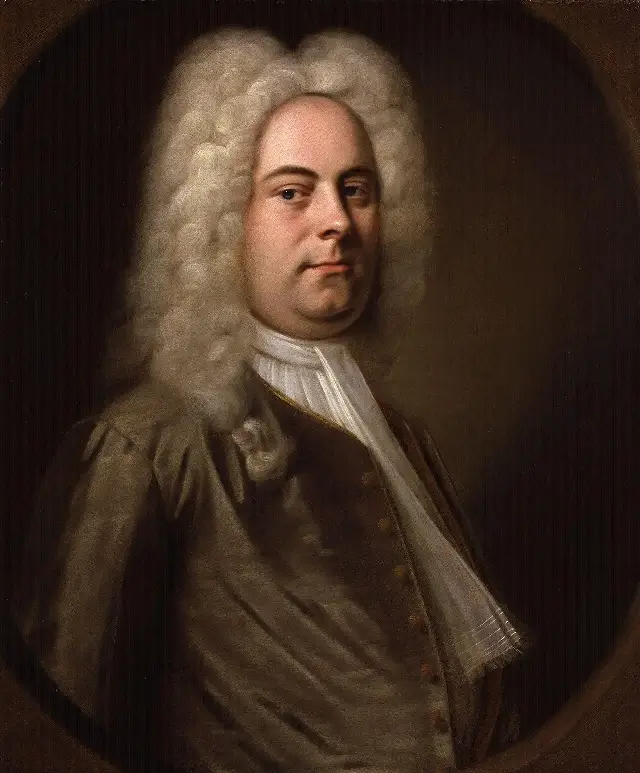
Handel's Messiah premiered in a Dublin concert hall on April 13, 1742 — a charity performance that launched what would become the world's most beloved choral work.
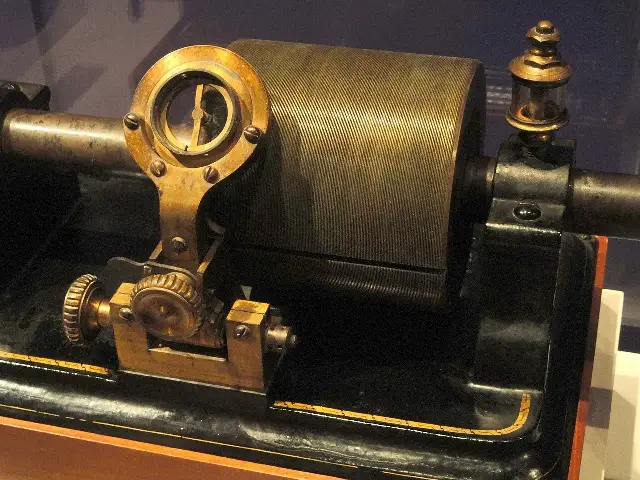
On February 19, 1878, Thomas Edison received U.S. Patent No. 200,521 for the phonograph — the first machine that could both record and play back sound.
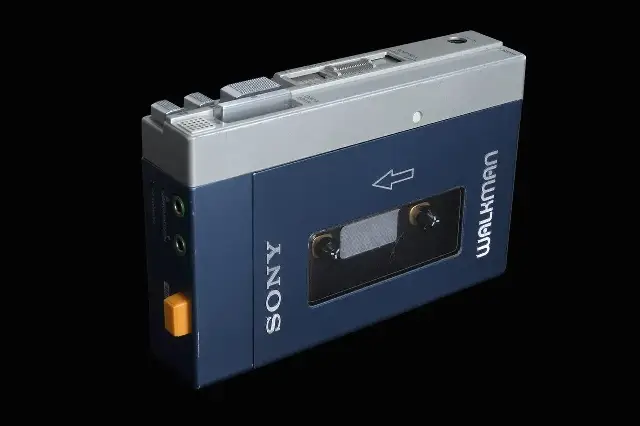
On July 1, 1979, Sony's Walkman TPS-L2 went on sale in Japan, turning music into a private soundtrack and launching the personal-audio era.
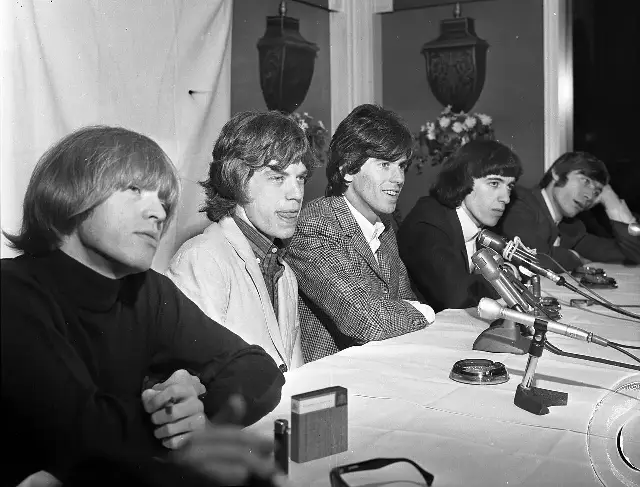
On July 12, 1962, a little-known blues band filled in at London's Marquee Club — and the Rolling Stones played their very first gig.
On September 9, 1956, a 21-year-old Elvis Presley made his first appearance on The Ed Sullivan Show — and 60 million people watched.