Black Tuesday: The Day the Roaring Twenties Ended
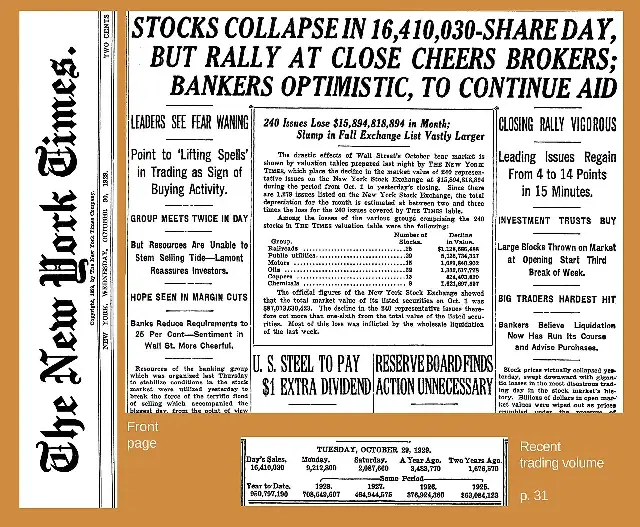
On October 29, 1929, more than 16.4 million shares changed hands in a single panicked day, and the stock market collapse known as Black Tuesday lit the fuse of the Great Depression.

On October 29, 1929, more than 16.4 million shares changed hands in a single panicked day, and the stock market collapse known as Black Tuesday lit the fuse of the Great Depression.
On July 30, 1932, Los Angeles opened the Xth Olympiad in the depths of the Great Depression — and quietly reinvented how the Olympic Games are staged forever.
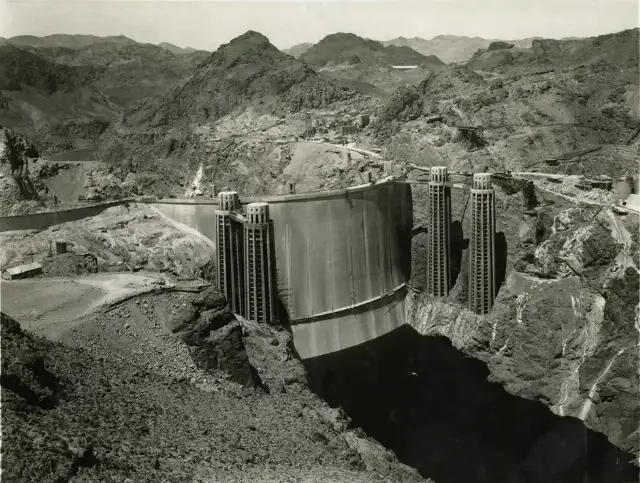
On September 30, 1935, Franklin Roosevelt dedicated Hoover Dam before 10,000 people in 102-degree heat — and called it mankind's greatest feat.
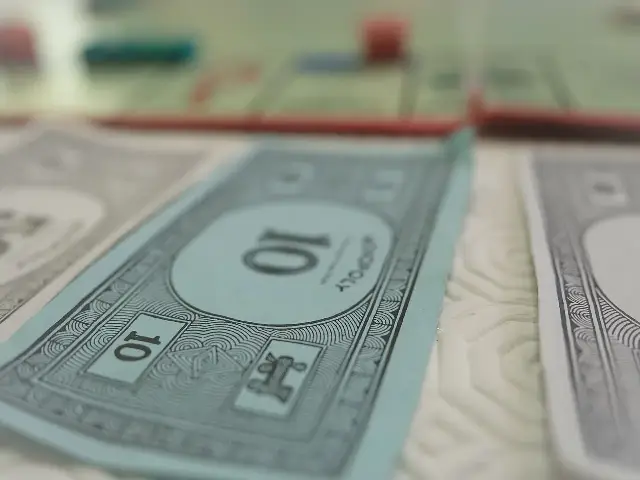
On November 5, 1935, Parker Brothers began marketing Monopoly, turning a Depression-era parlor game about Atlantic City real estate into the best-selling board game of all time.
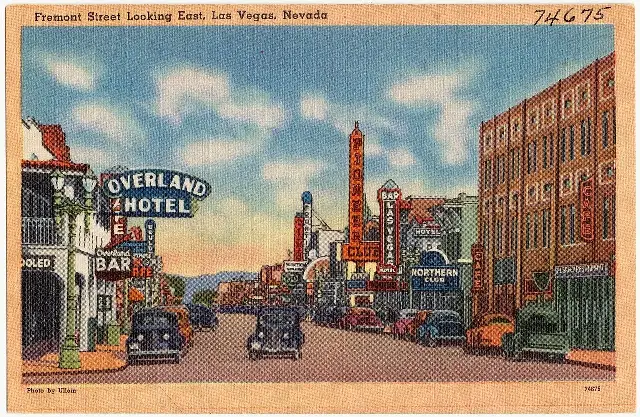
On March 19, 1931, Nevada governor Fred Balzar signed the bill legalizing commercial gambling, launching the industry that built Las Vegas.
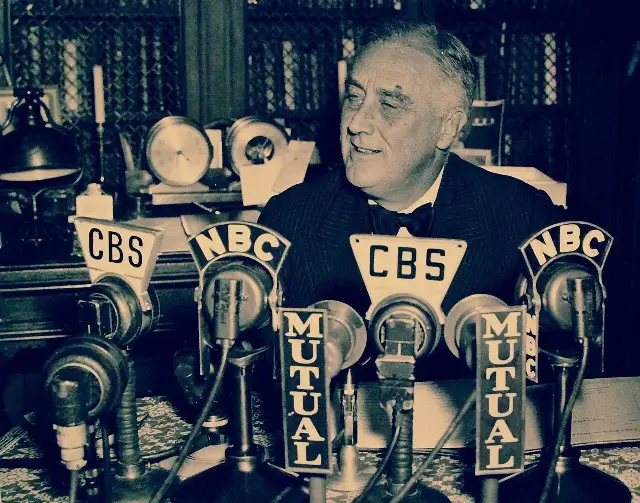
On the evening of March 12, 1933, Franklin D. Roosevelt went on the radio to explain the banking crisis in plain words — and invented a new kind of presidential leadership.
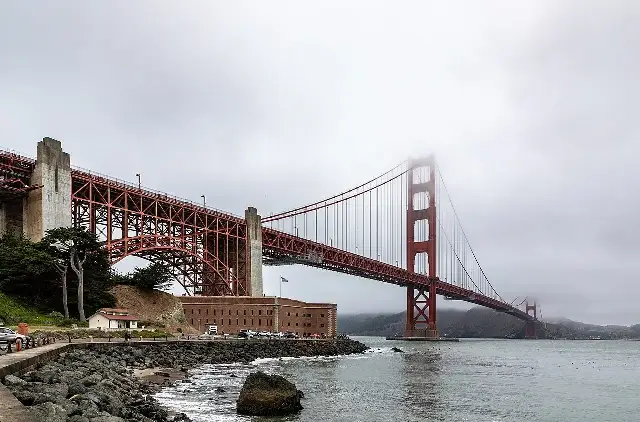
On January 5, 1933, with America deep in the Great Depression, workers broke ground on the Golden Gate Bridge — a single 4,200-foot leap across a strait engineers had called unspannable.
On May 27, 1937, some 200,000 people walked, skated, and danced across the Golden Gate Bridge on its first day — before a single car was allowed.
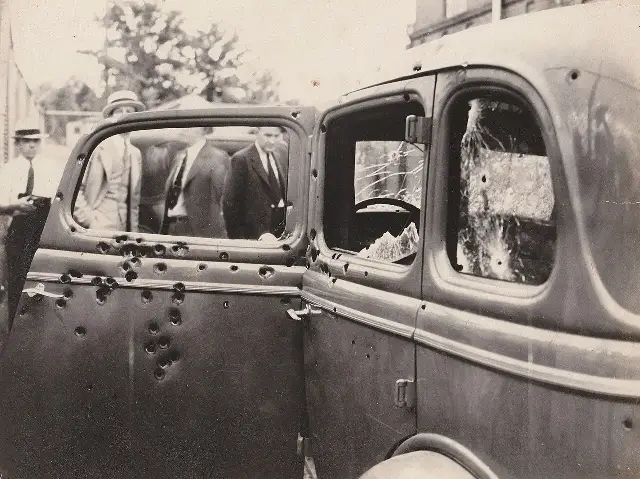
On May 23, 1934, a six-man posse led by Texas Ranger Frank Hamer ambushed and killed outlaws Bonnie Parker and Clyde Barrow on a Louisiana road.