The Quiet Birth of America's Spy Agency
On September 18, 1947, the National Security Act took effect and the Central Intelligence Agency came into existence — born from the shock of Pearl Harbor and the chill of the Cold War.
America went into World War II with almost no spies — and came out determined never to be caught blind again.
The surprise attack on Pearl Harbor in 1941 had taught a searing lesson: the United States had been drowning in information and starving for understanding. Warnings existed, but nobody connected them. During the war, President Franklin Roosevelt created the Office of Strategic Services, the OSS — America's first real spy agency, run by the legendary "Wild Bill" Donovan. The OSS pulled off daring missions across Europe and Asia. Then, when the war ended, President Harry Truman shut it down almost overnight.
But the world was changing. The Soviet Union was swallowing Eastern Europe, and a new kind of conflict — the Cold War — was taking shape. Truman needed someone to make sense of it all. His answer was the National Security Act of 1947, which he signed on July 26, 1947, aboard his presidential plane. When the act took effect on September 18, 1947, it created three enduring institutions: the National Security Council, a unified Department of Defense — and the Central Intelligence Agency.
The CIA grew out of a small postwar outfit called the Central Intelligence Group. Its first director was Rear Admiral Roscoe H. Hillenkoetter, a career naval officer who had already been running the group since May — the September date simply made the new agency official. The early CIA was tiny and focused on analysis — reading newspapers, debriefing travelers, and writing reports. But the Cold War had other plans. Within months, the agency was running its first covert operations, including efforts to influence elections in Italy in 1948. A 1949 law gave it the power to keep its budget and staff secret.
The agency's record since then is a study in contradictions. It helped win the Cold War with brilliant intelligence work — and it also backed coups, ran secret prisons, and missed enormous events, from the fall of the Shah of Iran to the September 11 attacks. Truman himself later said he never intended the CIA to become a covert-action machine; he had wanted an information service.
Love it or distrust it, the CIA matters because it represents one of the hardest questions in a democracy: how much secrecy can a free society tolerate in the name of security? That question was born on September 18, 1947, in a law signed on an airplane — and America has been arguing about the answer ever since.
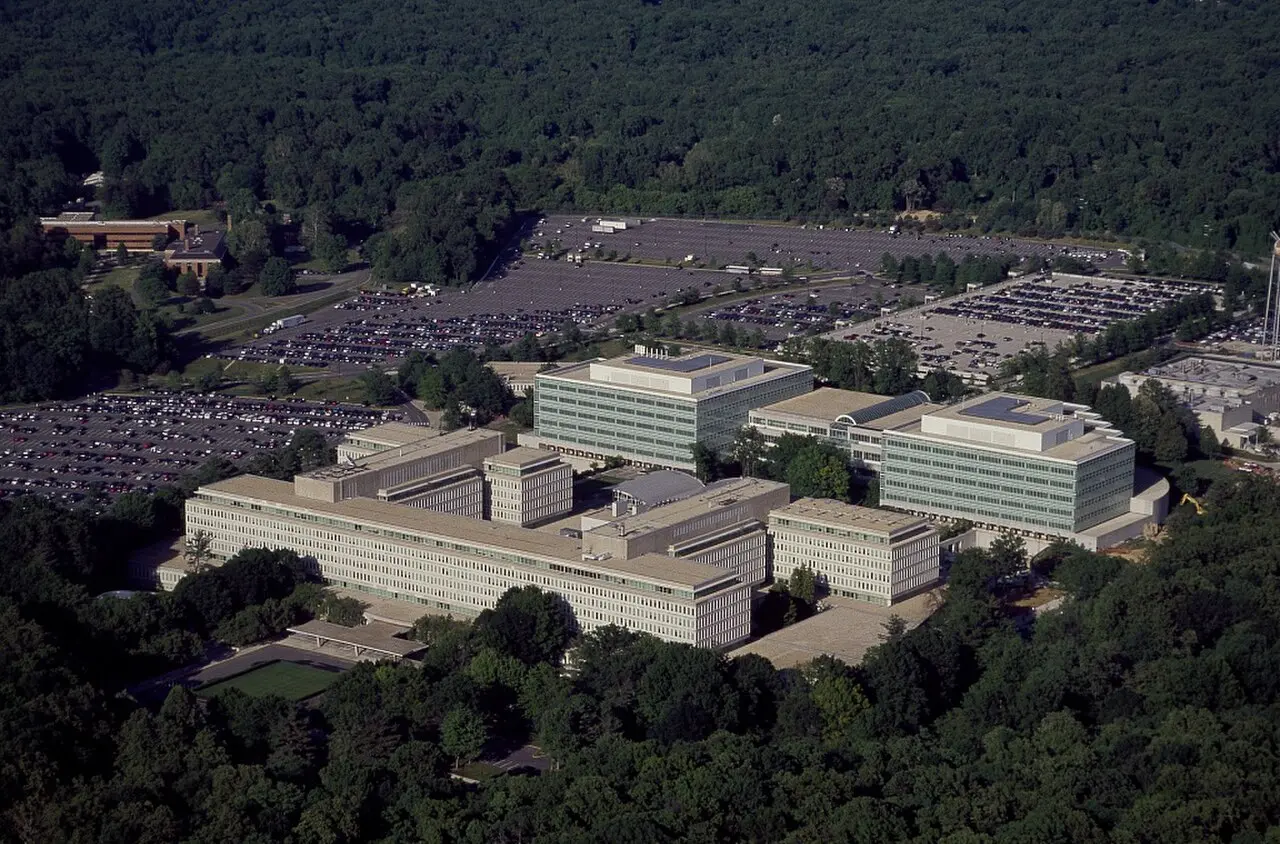
Photo: aerial view of CIA headquarters, Langley, Virginia, by Carol M. Highsmith (2014), Library of Congress collection, public domain, via Wikimedia Commons.