
The Duel of Words That Put Lincoln on the Map
On August 21, 1858, Abraham Lincoln and Stephen Douglas faced off in Ottawa, Illinois, in the first of seven debates that made Lincoln a national figure.
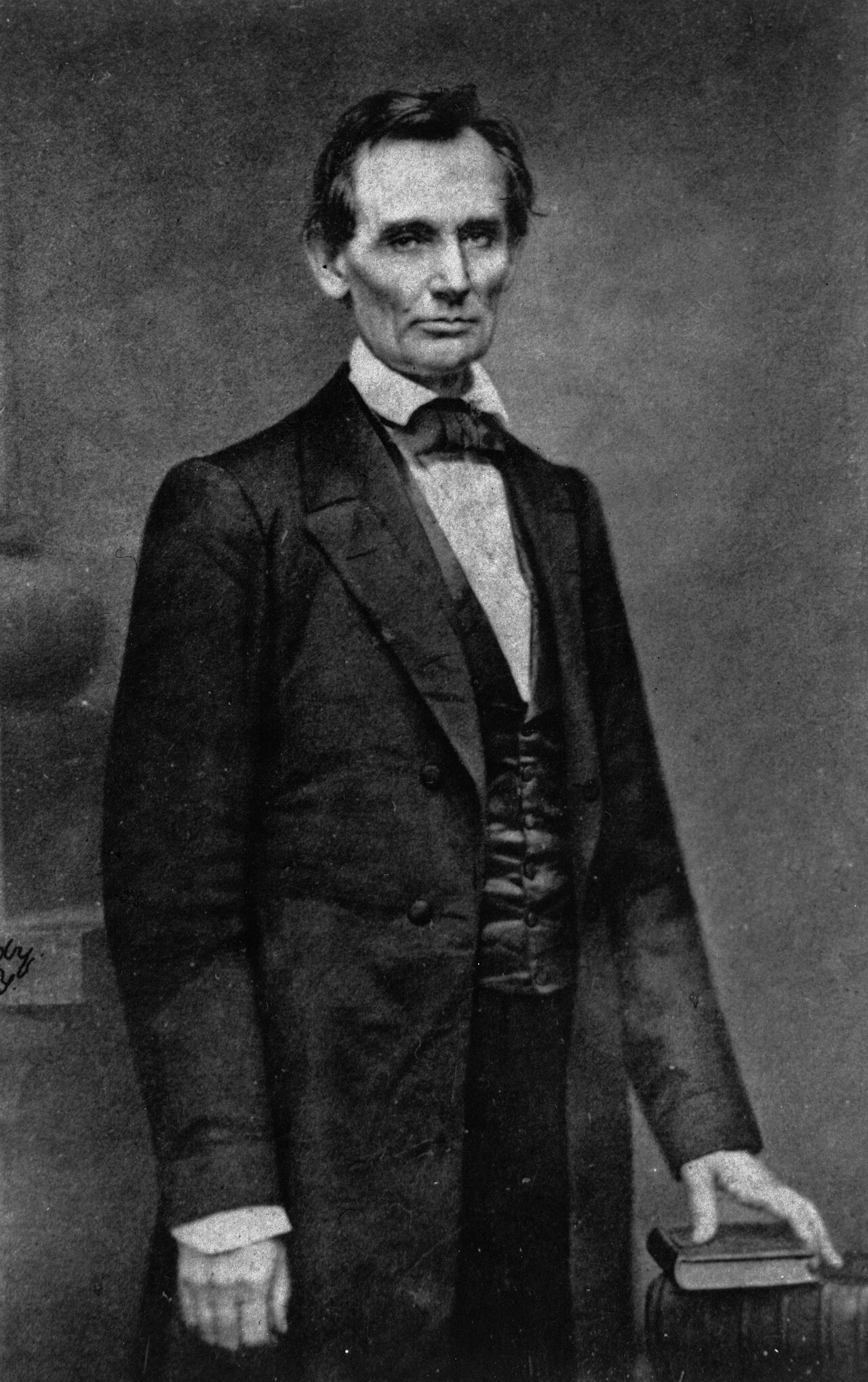
It was a blazing Saturday in August, and the town of Ottawa, Illinois, population about 9,000, was deluged in dust. By wagon, by rail, by canal, they came — farmers who had turned their backs on the plow, families, children, bands and marching companies — until the crowd in the town square numbered some 10,000, by some estimates far more. They had come to watch two men argue about slavery.
On August 21, 1858, Abraham Lincoln and Senator Stephen A. Douglas took the platform in Ottawa for the first of seven face-to-face debates that would run through the autumn. Lincoln was the challenger: a tall, awkward former congressman running for Douglas's U.S. Senate seat. Douglas, the famous "Little Giant," was the most powerful Democrat in America. The only question on the table was slavery — and, above all, whether it should be allowed to spread into the nation's western territories.
Douglas's position was his famous doctrine of "popular sovereignty": let the people of each territory vote slavery up or down. Two months earlier, Lincoln had answered him in Springfield with his "House Divided" speech, warning that a house divided against itself could not stand. Now, under the blazing sun, unprotected by shade trees, the audience listened to three hours of argument — an hour from Douglas, an hour and a half from Lincoln, and a half-hour rebuttal. Newspapers across the country would print the debates in full, and people read them like novels.
The debates' most fateful moment came at the second meeting, on August 27 in Freeport. Lincoln cornered Douglas with a trap: could the people of a territory lawfully exclude slavery before statehood, even after the Supreme Court's Dred Scott decision had declared Congress powerless to stop its spread? Douglas answered that territories had "the lawful means to introduce it or exclude it as they please" — they could simply refuse to pass the local laws slavery needed to survive. Southern Democrats denounced the answer as the "Freeport Heresy." It helped Douglas hold Illinois, but it split the Democratic Party wide open, and two years later the split cost him the presidency.
When the votes were finally counted in the Illinois legislature — for state legislators, not voters, chose U.S. senators then — Douglas won the seat. But Lincoln had won something larger. The debates had made him a national figure, the Republican Party's most compelling voice against the spread of slavery. Two years later, the two rivals met again — this time in the presidential election of 1860. Douglas won the rematch in the Senate but lost the war: Lincoln took the presidency and led the nation through the Civil War.
Lincoln made sure the debates lived on. They were published as a book in 1860, and he took his argument east: on February 27, 1860, before a skeptical New York audience at Cooper Union, he delivered a meticulously researched speech defending the founders' hostility to slavery's expansion. It electrified the room and the newspapers — and when the Republican convention met that May, the lanky Illinois lawyer nobody had heard of two years earlier walked away with the presidential nomination.
On that dusty August day in Ottawa, nobody could know what the future held. But the Lincoln-Douglas debates remain the gold standard of American political argument — proof that in a democracy, a great debate can change the course of a life, a career, and a country.
Photo: Mathew Brady, public domain (via Wikimedia Commons).