Six Men, Nine Logs, 4,300 Miles: The Kon-Tiki Wrecks Onto History
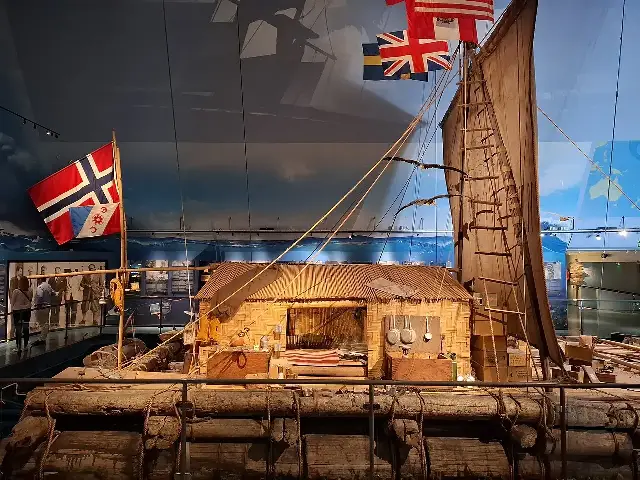
On August 7, 1947, Thor Heyerdahl's balsa-wood raft Kon-Tiki smashed onto a Pacific reef after 101 days at sea — proving an ancient design could cross an ocean.


On August 7, 1947, Thor Heyerdahl's balsa-wood raft Kon-Tiki smashed onto a Pacific reef after 101 days at sea — proving an ancient design could cross an ocean.
On November 14, 1889, reporter Nellie Bly boarded a steamer in New York determined to circle the globe faster than Jules Verne's fictional Phileas Fogg.
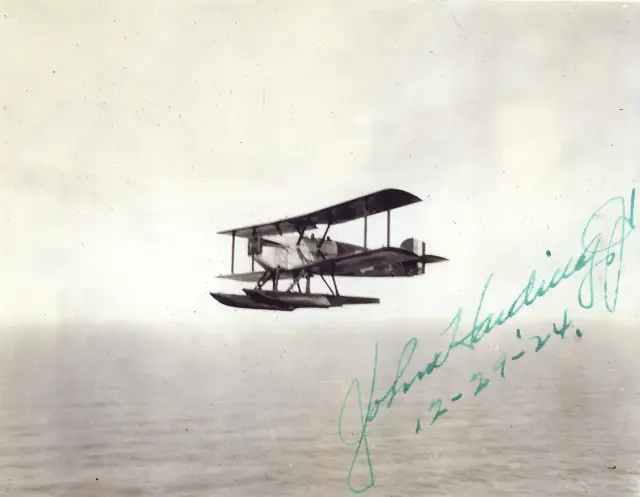
On September 28, 1924, three battered U.S. Army biplanes landed in Seattle, completing the first flight around the world in history.
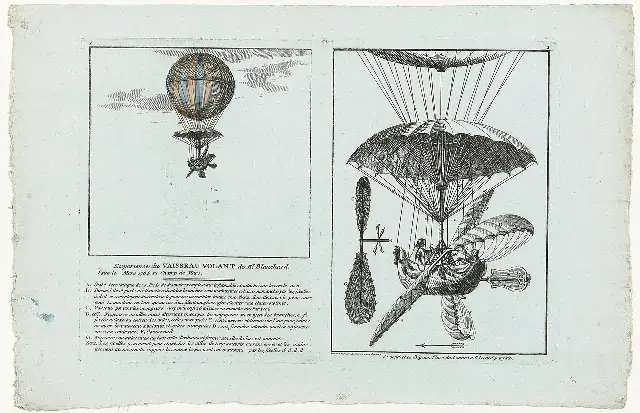
On January 9, 1793, Jean-Pierre Blanchard rose from a Philadelphia prison yard in a hydrogen balloon — the first manned flight in America, watched by George Washington.
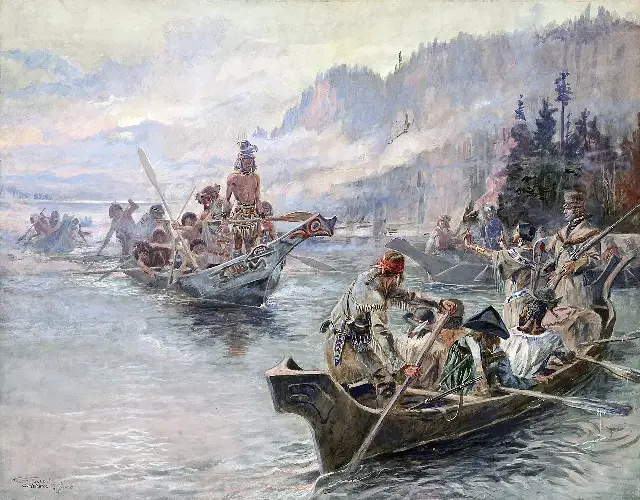
On May 14, 1804, the Lewis and Clark expedition pushed up the Missouri River into the vast Louisiana Purchase — and into American legend.
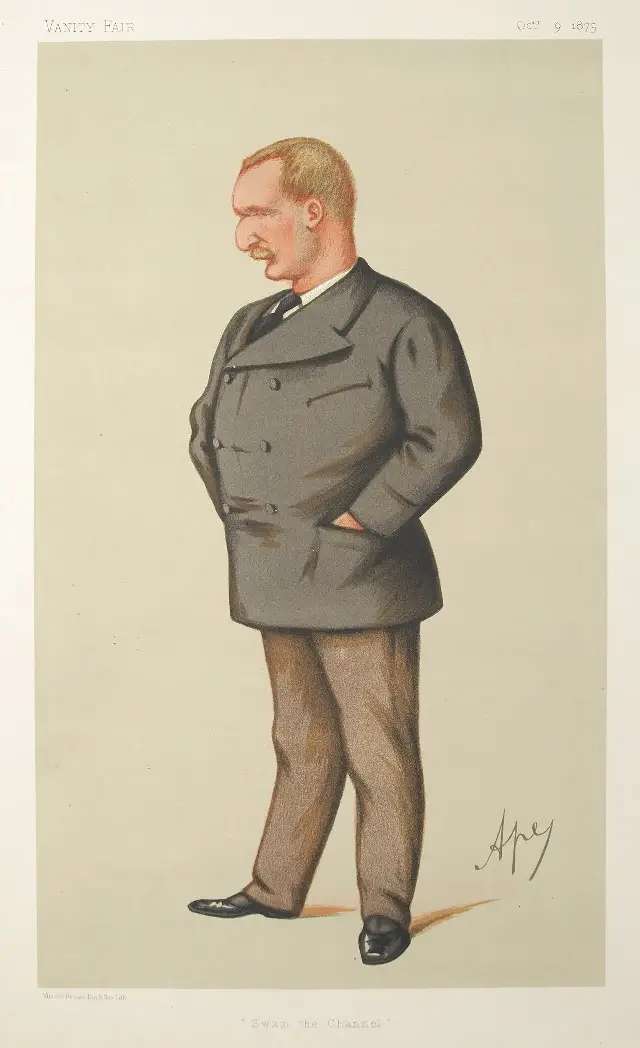
On August 25, 1875, Matthew Webb climbed ashore in France, the first person ever to swim the English Channel.
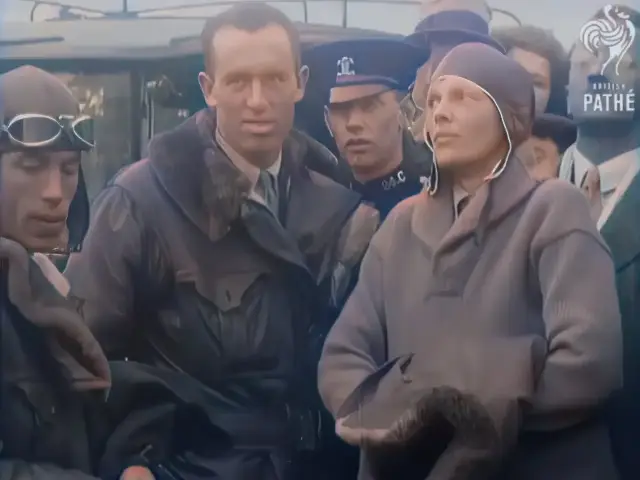
On June 18, 1928, Amelia Earhart landed at Burry Port, Wales, becoming the first woman to fly across the Atlantic Ocean.
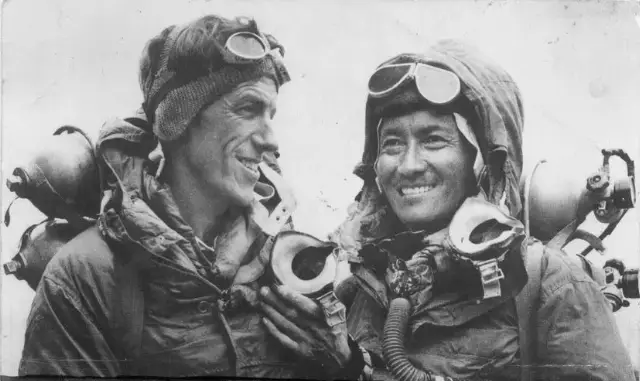
On May 29, 1953, Edmund Hillary and Tenzing Norgay stood on the summit of Mount Everest — the first people ever confirmed to reach the top of the world.
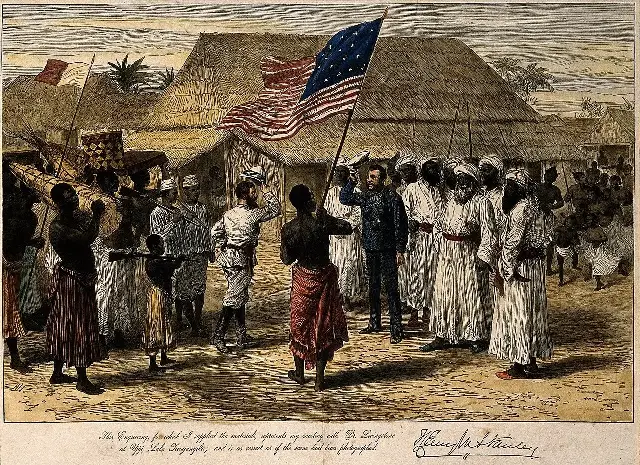
On November 10, 1871, journalist Henry Morton Stanley walked into a tiny African village and found the lost explorer the whole world had given up on.
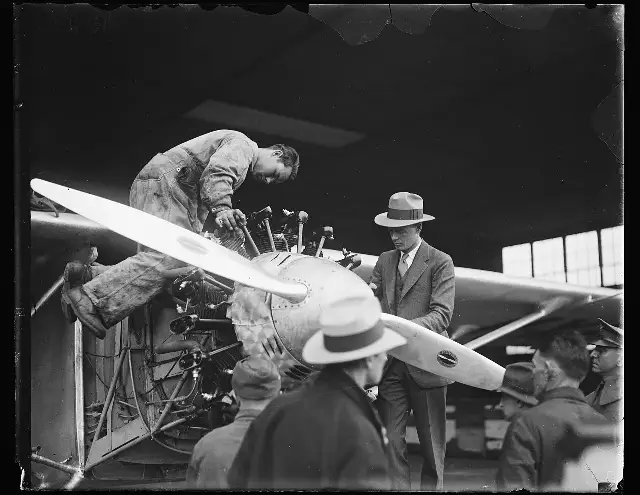
On May 20, 1927, Charles Lindbergh took off from Roosevelt Field for the first solo nonstop transatlantic flight, landing in Paris 33½ hours later.
On January 25, 1890, reporter Nellie Bly completed a record-breaking 72-day solo journey around the world, beating Jules Verne's fictional eighty days.
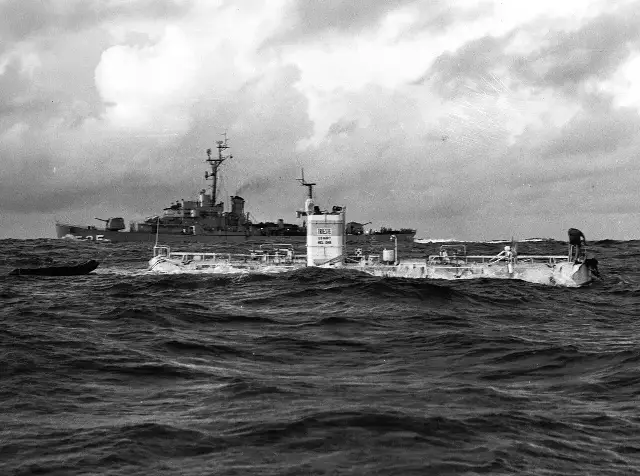
On January 23, 1960, Jacques Piccard and Don Walsh rode the bathyscaphe Trieste to the floor of the Challenger Deep, the deepest known point on Earth.
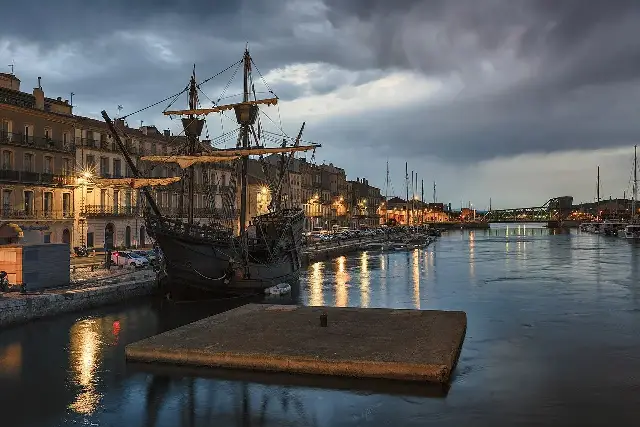
On September 6, 1522, a rotting carrack called the Victoria limped into a Spanish harbor with 18 starving men aboard, completing the first voyage around the world.