The Sickly Boy Who Became the Strenuous Life
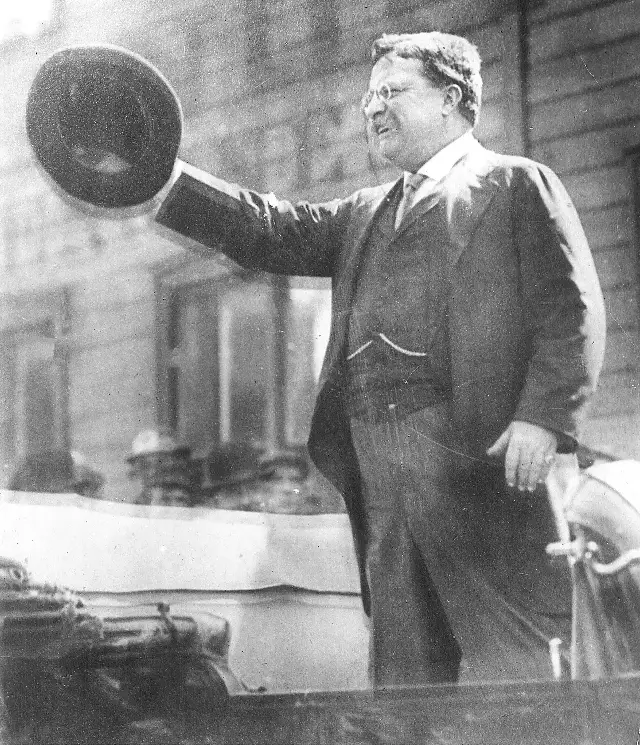
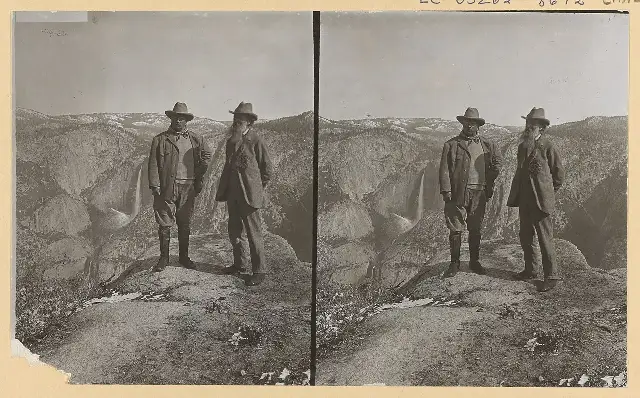
On October 27, 1858, Theodore Roosevelt was born a sickly, asthmatic boy in Manhattan — and grew up to remake the American presidency.
On October 27, 1858, Theodore Roosevelt was born a sickly, asthmatic boy in Manhattan — and grew up to remake the American presidency.
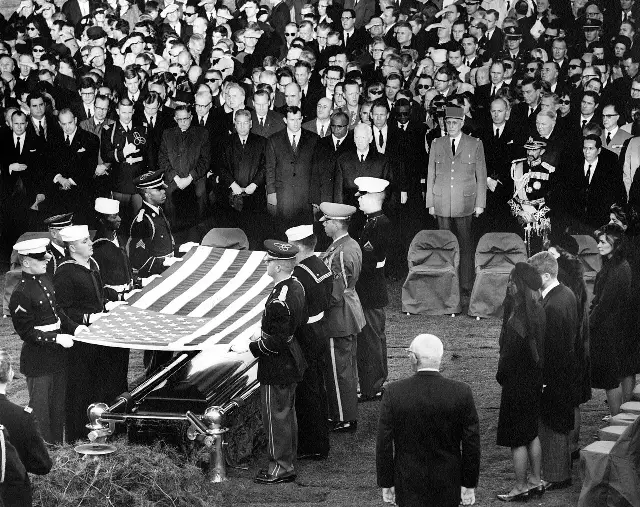
On November 25, 1963, three days after his assassination, President John F. Kennedy was buried at Arlington as the world watched and his widow lit an eternal flame.
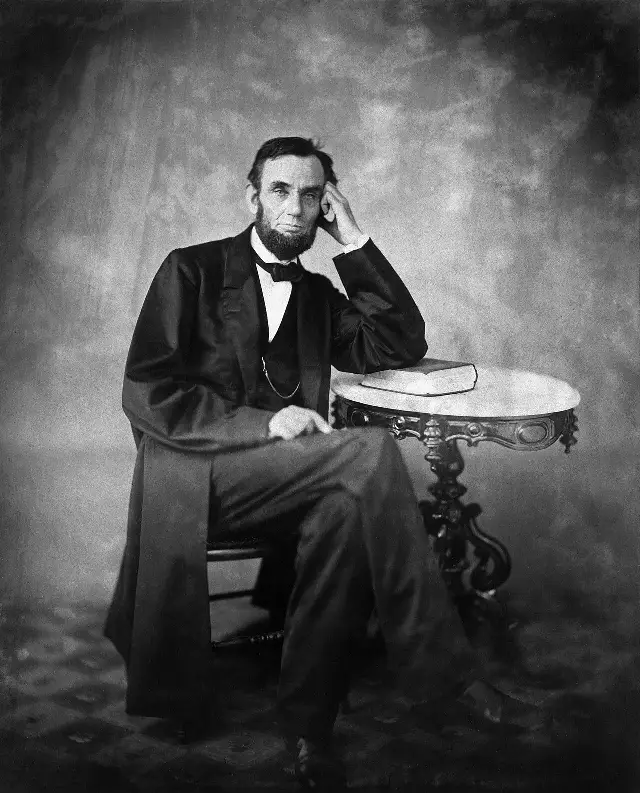
On October 15, 1860, eleven-year-old Grace Bedell wrote Abraham Lincoln a letter that changed the face of his presidency — literally.
On October 14, 1912, Theodore Roosevelt was shot in Milwaukee — then delivered his ninety-minute campaign speech anyway.
On October 13, 1792, a Masonic ceremony laid the cornerstone of the President's House — the building we now call the White House.
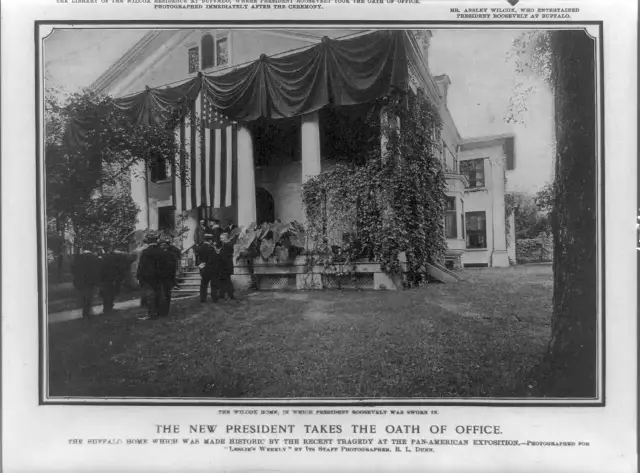
On September 14, 1901, hours after William McKinley died, Theodore Roosevelt took the presidential oath in the library of a friend's Buffalo home.
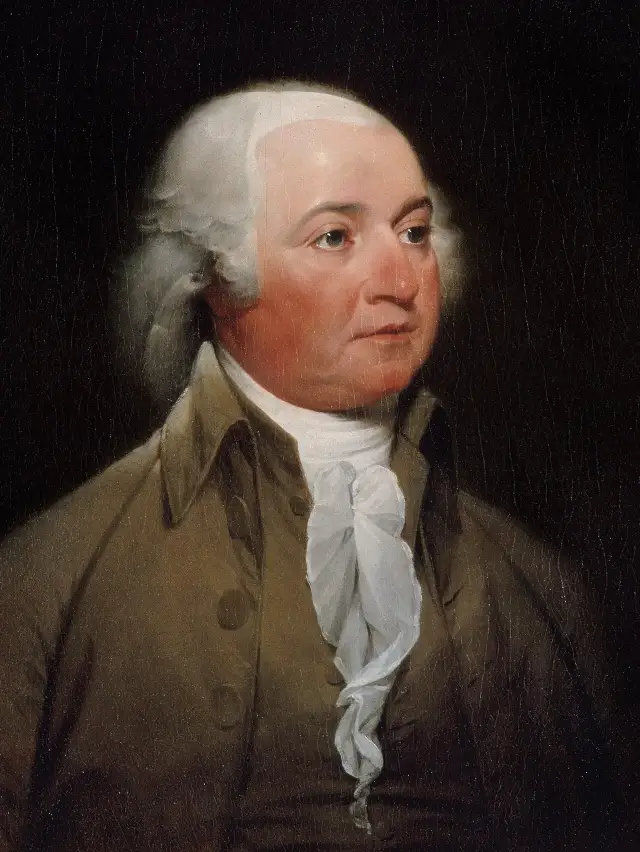
On July 4, 1826 — fifty years to the day after the Declaration — John Adams and Thomas Jefferson died within hours of each other.
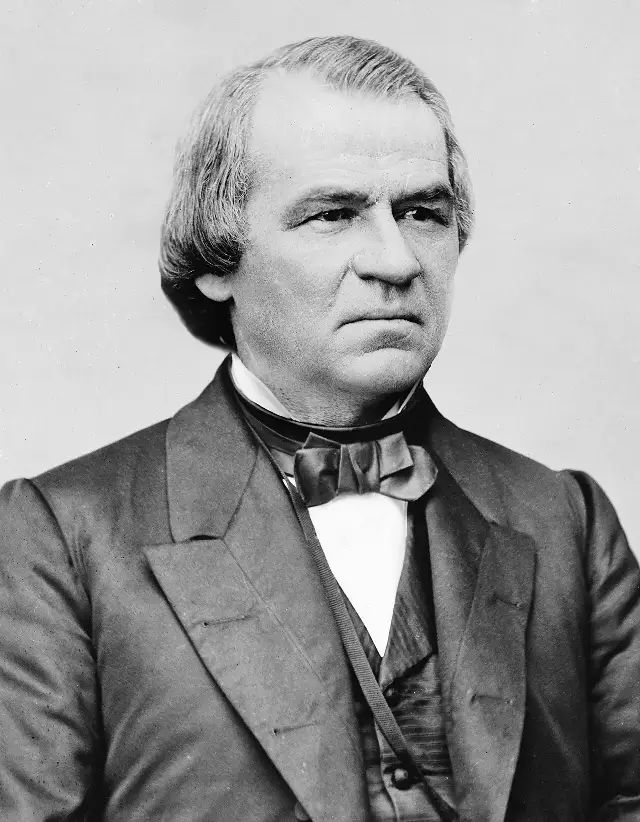
On May 26, 1868, the Senate acquitted President Andrew Johnson on impeachment charges by a single vote — 35 to 19 — setting a precedent for every impeachment since.
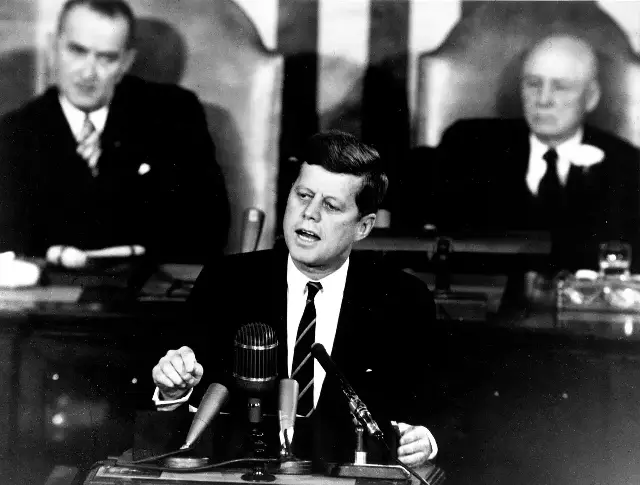
On May 25, 1961, President Kennedy told Congress America would land a man on the Moon before the decade was out — before NASA had even orbited an astronaut.
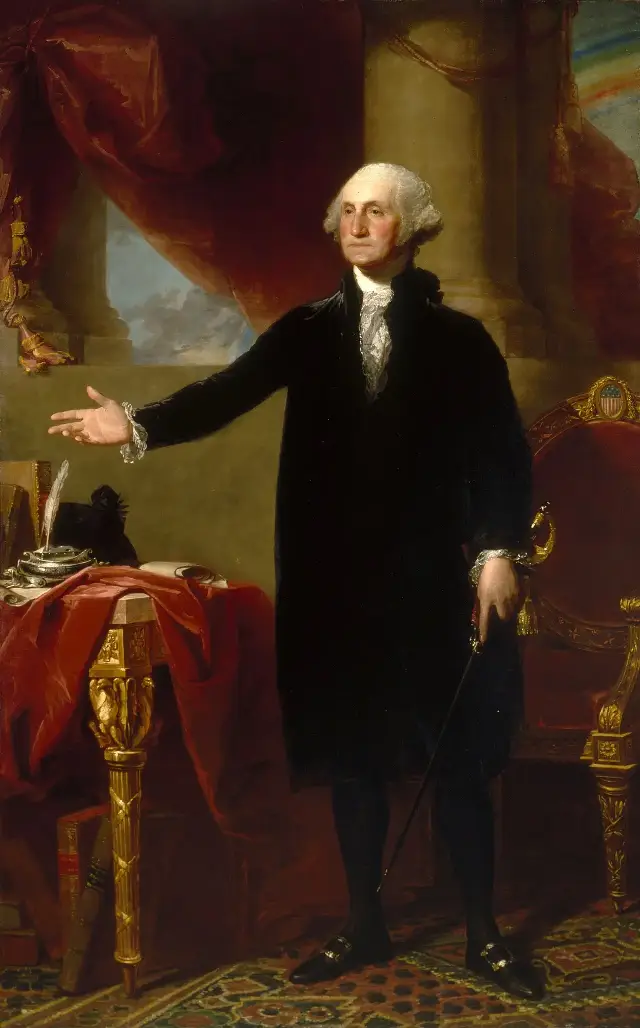
From December 1788 through January 7, 1789, America's first presidential election picked George Washington — still the only unanimous choice in the nation's history.
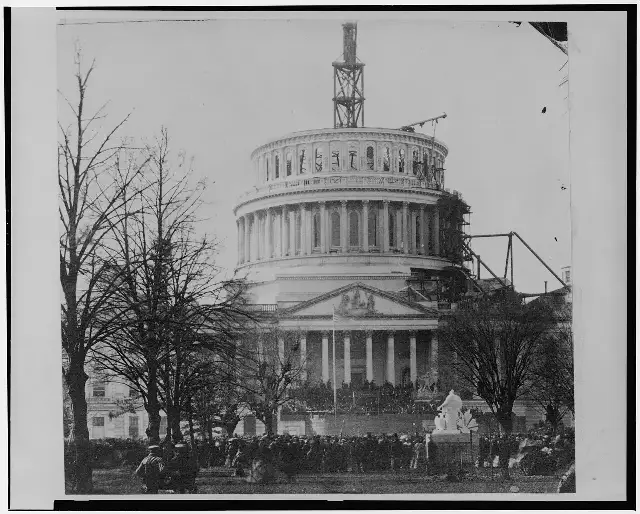
On March 4, 1861, Abraham Lincoln was sworn in as the 16th president at the unfinished U.S. Capitol, pleading for the Union weeks before the Civil War began.
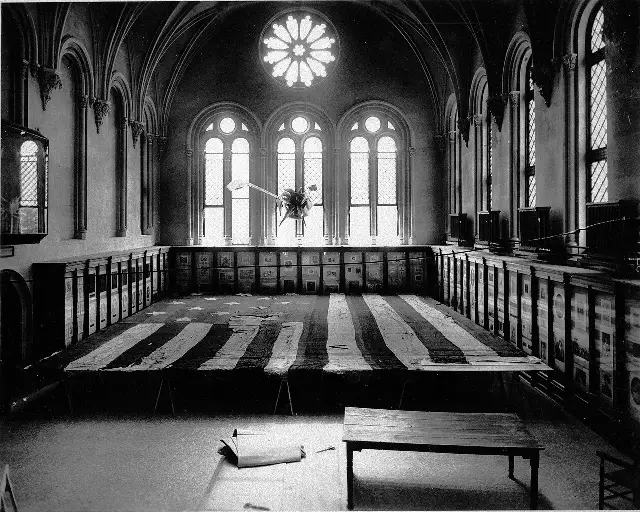
On March 3, 1931, President Herbert Hoover signed the law that made "The Star-Spangled Banner" the official national anthem of the United States.
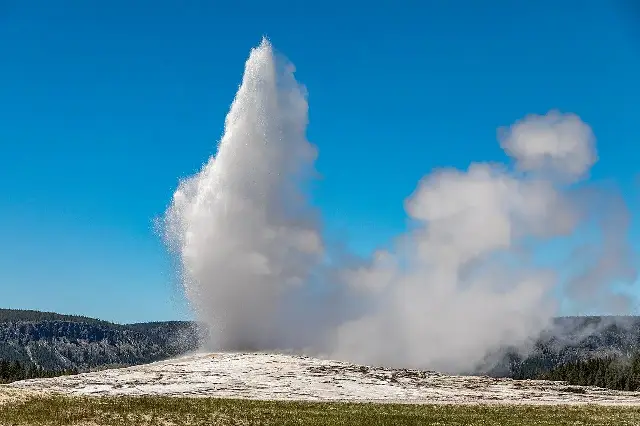
On March 1, 1872, President Ulysses S. Grant signed the Yellowstone National Park Protection Act, creating the world's first national park.
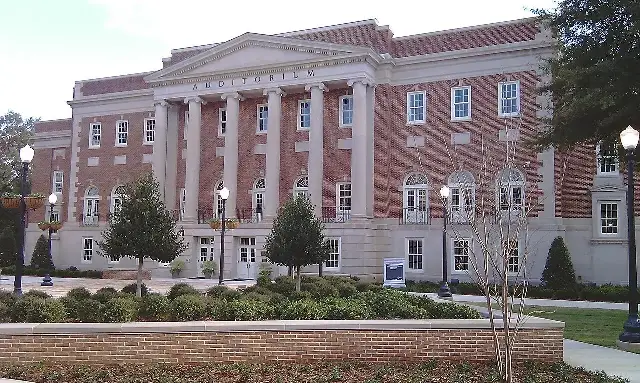
On June 11, 1963, Alabama's governor blocked two Black students from registering at the University of Alabama — and that night President Kennedy called civil rights a moral issue on TV.
On April 14, 1865 — five days after Lee's surrender — actor John Wilkes Booth shot President Abraham Lincoln at Ford's Theatre, making Lincoln the first U.S. president assassinated.