The Sickly Boy Who Became the Strenuous Life
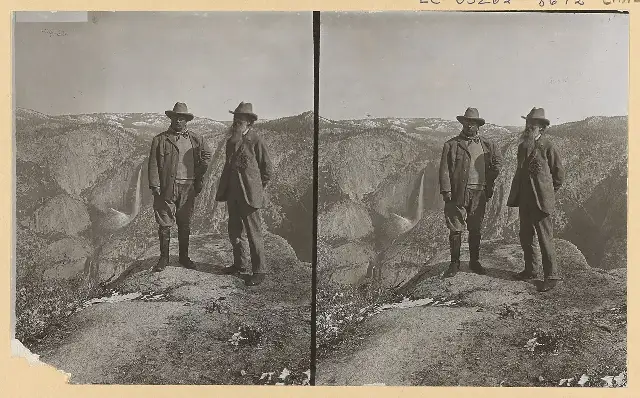
On October 27, 1858, Theodore Roosevelt was born a sickly, asthmatic boy in Manhattan — and grew up to remake the American presidency.


On October 27, 1858, Theodore Roosevelt was born a sickly, asthmatic boy in Manhattan — and grew up to remake the American presidency.
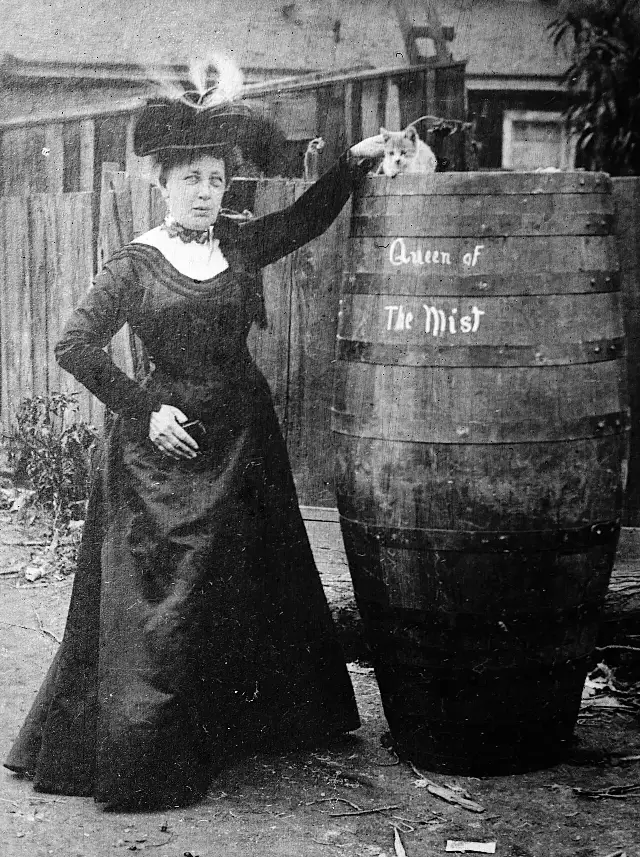
On her 63rd birthday, October 24, 1901, schoolteacher Annie Edson Taylor became the first person to survive going over Niagara Falls in a barrel.
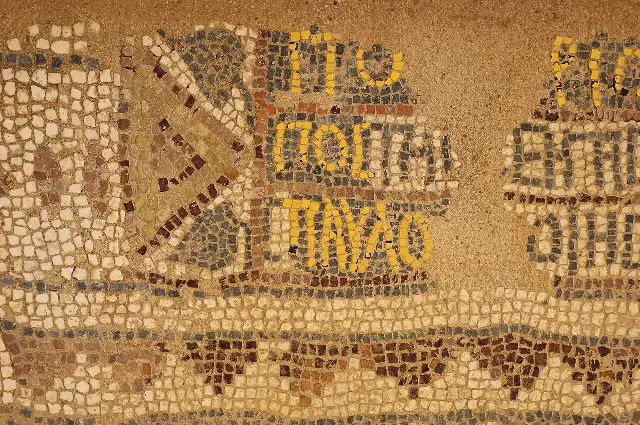
On October 23, 42 BC, the republican army of Brutus was destroyed at Philippi in northern Greece, leaving Mark Antony and Octavian masters of Rome and sealing the Republic's fate.
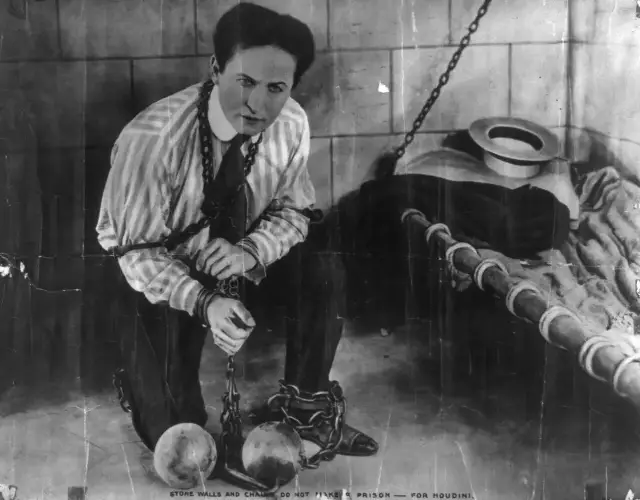
On October 22, 1926, a McGill student named J. Gordon Whitehead struck an unprepared Harry Houdini in the stomach in a Montreal dressing room; the great escape artist died nine days later.
Tradition holds that on January 6, 1412, a peasant girl was born in Domrémy, France, who would crown a king, save a nation, and be burned at the stake before her twentieth birthday.
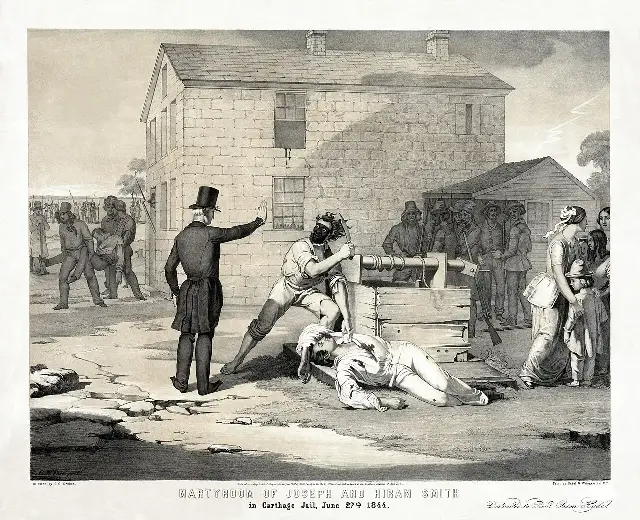
On June 27, 1844, a mob stormed the jail in Carthage, Illinois, and murdered Joseph Smith — the first American presidential candidate ever assassinated — and his brother Hyrum.
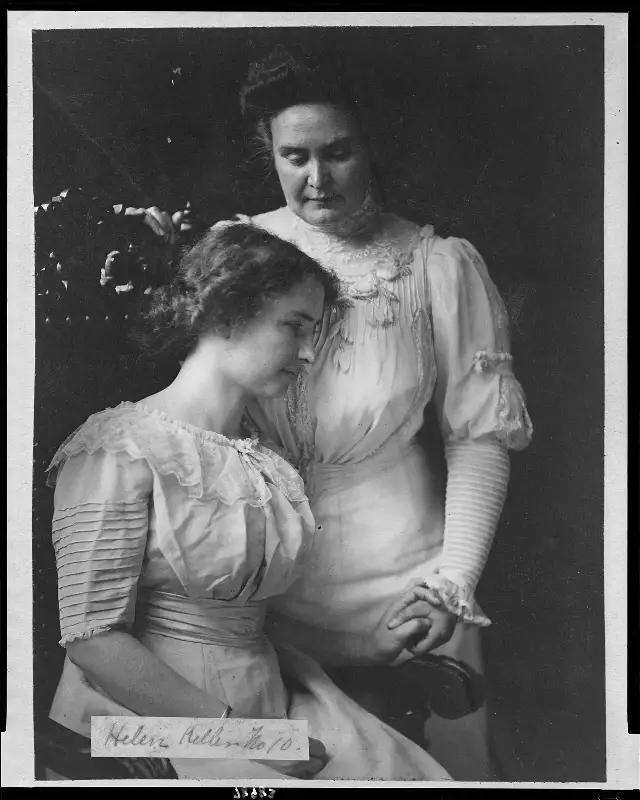
On March 3, 1887, a 20-year-old half-blind teacher arrived at an Alabama farmhouse to meet a deaf-blind 6-year-old — and began one of history's great transformations.
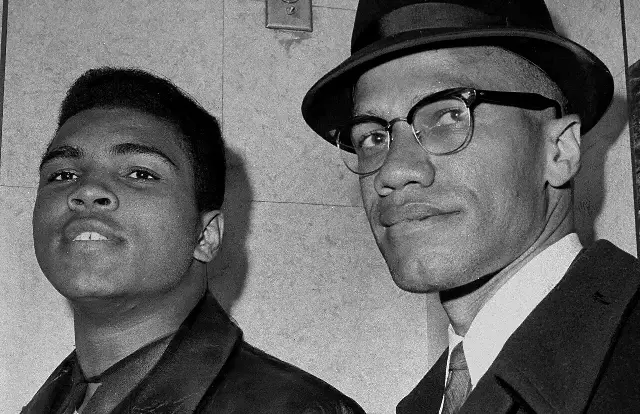
On May 19, 1925, Malcolm Little was born in Omaha, Nebraska — the boy who would become Malcolm X, one of the most powerful and challenging voices of the civil rights era.
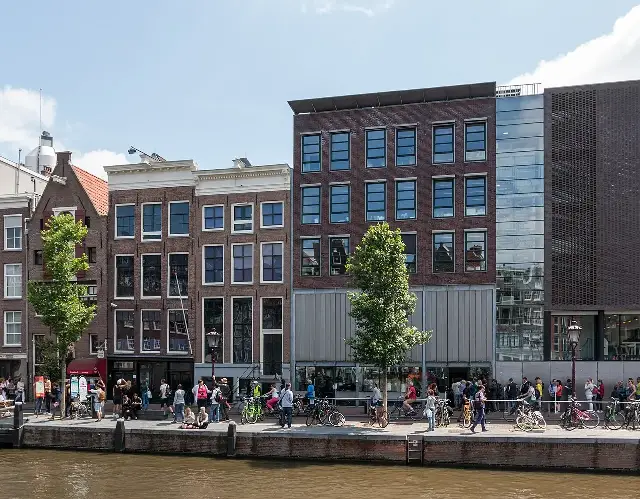
On June 25, 1947, Contact Publishing in Amsterdam released Het Achterhuis — The Diary of Anne Frank — turning a murdered teenager's hidden notebooks into one of history's most-read books.
Albert Einstein was born in Ulm, Germany, on March 14, 1879 — a slow-speaking boy who would rewrite physics with a patent-office desk and four extraordinary papers.
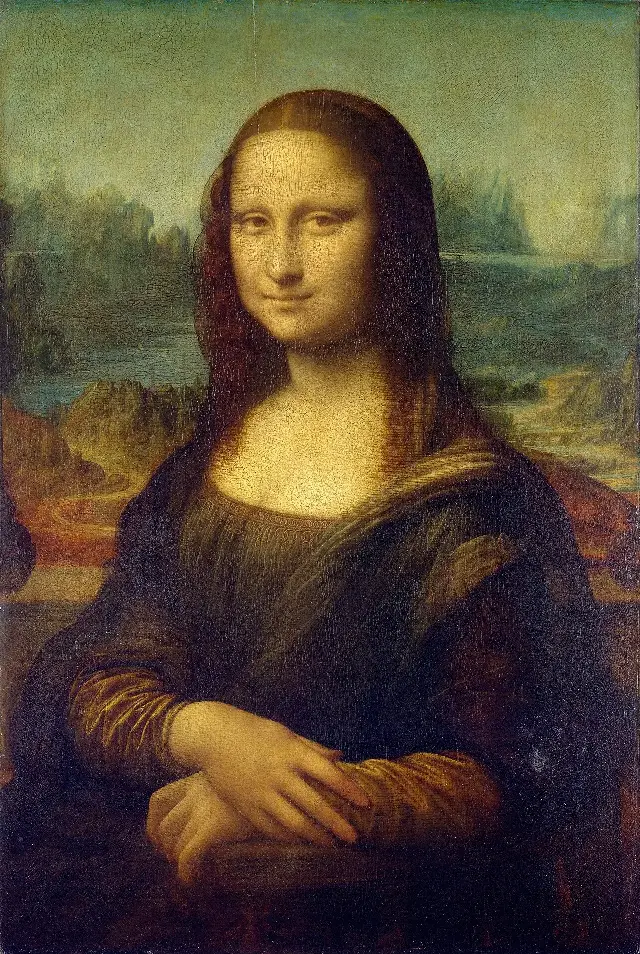
On May 2, 1519, Leonardo da Vinci — painter of the Mona Lisa and author of thousands of pages of inventions — died at Clos Lucé in France.
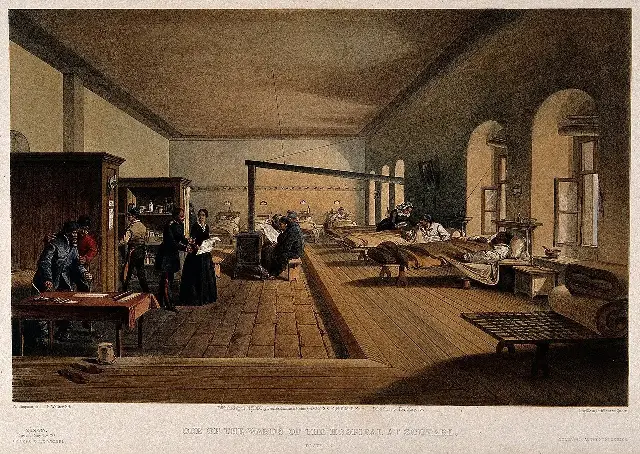
Born May 12, 1820, Florence Nightingale founded modern nursing through her Crimean War service, her pioneering use of statistics, and the world's first secular nursing school.