The Luxury Car Born From Henry Ford's Failure
On August 22, 1902, investors left with a dead car company hired an engineer to liquidate it — and he talked them into building Cadillacs instead.
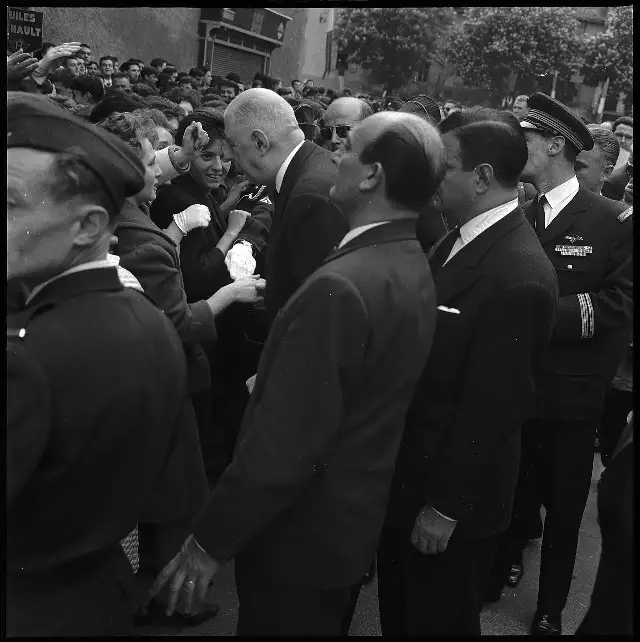
In March 1902, Henry Ford walked out of his own company. After a bitter dispute with his investors, Ford left the Henry Ford Company — taking his name and his plans with him — and went on to found the Ford Motor Company. His former backers, William Murphy and Lemuel Bowen, were left with an empty factory and a pile of parts. Their plan was simple: liquidate everything and cut their losses.
To appraise the plant, they hired Henry Martyn Leland, a master machinist who ran the Leland & Faulconer Manufacturing Company in Detroit. Leland inspected the machinery — and saw something better than scrap. He had a refined single-cylinder engine design of his own, unused and ready. Instead of selling the factory for parts, he argued, why not build automobiles with it?
Murphy and Bowen agreed. On August 22, 1902, the old company was reorganized under a new name: the Cadillac Automobile Company — named for Antoine Laumet de La Mothe, sieur de Cadillac, the French explorer who had founded Detroit in 1701 — and set up shop in the old Henry Ford Company factory at Cass Street and Amsterdam Avenue.
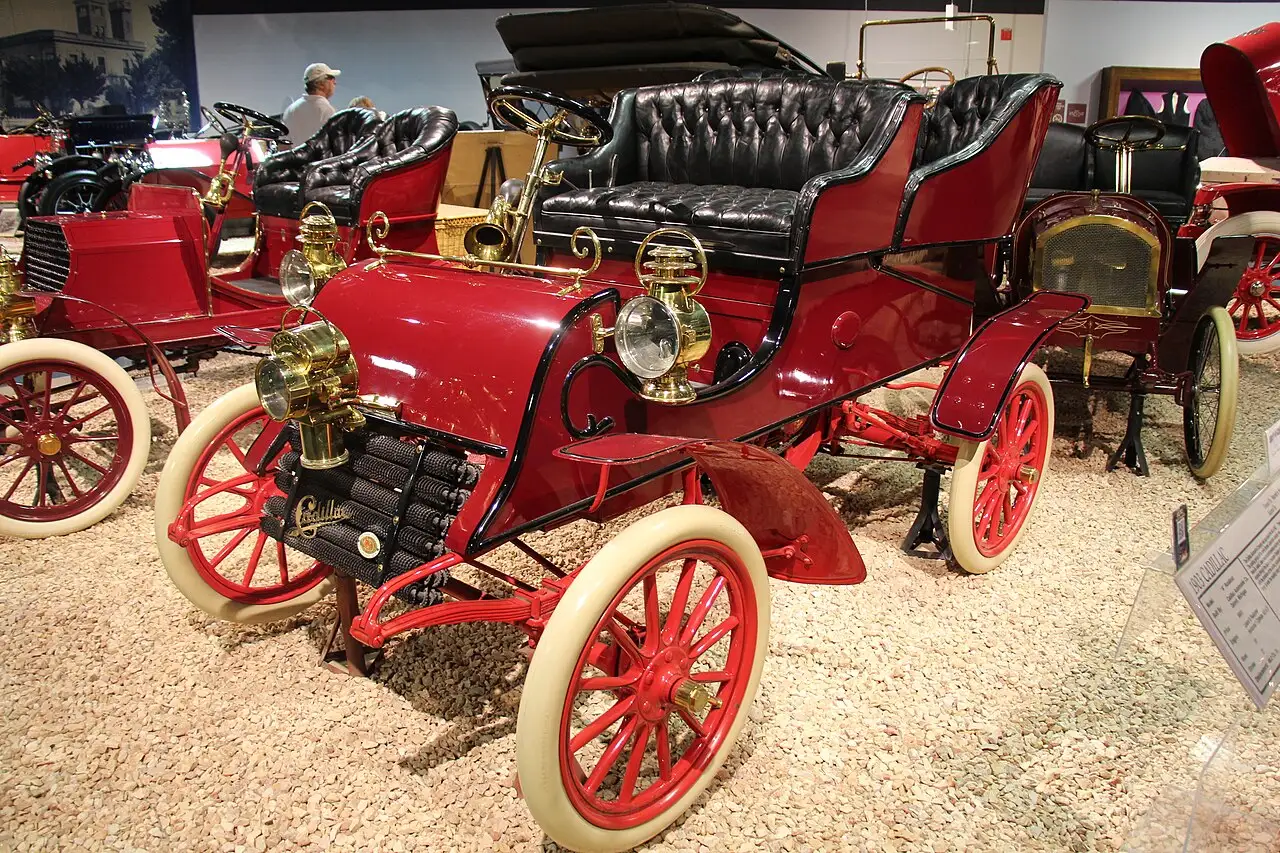
Leland's obsession was precision. While rivals built cars by hand-fitting parts, Cadillac machined components so precisely that they were interchangeable — a revolutionary idea in 1902. The first Cadillac automobiles, the Runabout and the Tonneau, rolled out that October: two-seat horseless carriages with a 10-horsepower engine. At the New York Auto Show in January 1903, they drew more than 2,000 firm orders, and Cadillac's reputation for reliability was born.
The precision philosophy paid off spectacularly. In 1908, Cadillac won the Dewar Trophy — the auto industry's highest honor — for the interchangeability of its parts, and won it again in 1912 for the electric self-starter. Leland's precision methods were soon copied across the industry and became the basis of manufacturing practices still in use today. Cadillac even standardized the way we drive: its Type 53 was the first car with the modern control layout — gear lever and handbrake between the front seats, key-started ignition, and three pedals for gas, brake, and clutch. By 1914, Cadillac was putting the first production V8 engine into a car. General Motors bought the company in 1909, and “Cadillac” became the byword for American luxury — so much so that Leland himself eventually left to found Lincoln, which became the luxury marque of none other than Ford.
A company founded on the ruins of Henry Ford's failure became the standard of the world. Not a bad return on a liquidation appraisal.
Photo: Sicnag, CC BY 2.0 (via Wikimedia Commons).