The Soldier Nobody Knew: America's Unknown of 1921
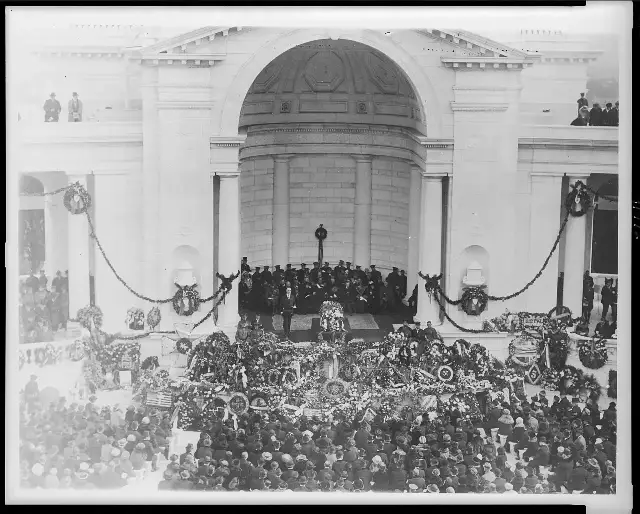
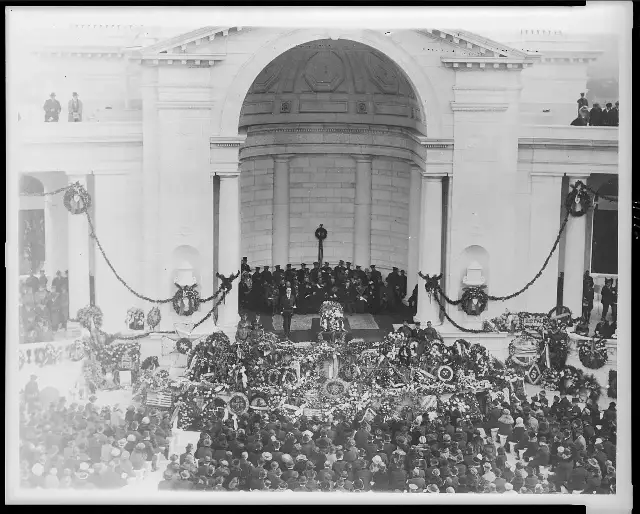
On November 11, 1921, an unidentified American soldier from World War I was buried at Arlington National Cemetery in a state funeral led by President Harding.
On November 11, 1921, an unidentified American soldier from World War I was buried at Arlington National Cemetery in a state funeral led by President Harding.
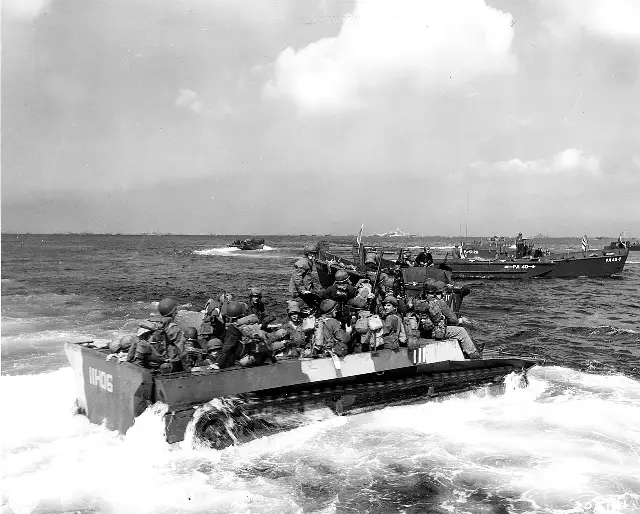
On April 1, 1945, more than 50,000 U.S. troops stormed ashore on Okinawa, opening the bloodiest battle of the Pacific War.
On July 12, 1862, Abraham Lincoln signed the bill creating the Army Medal of Honor — America's highest award for battlefield valor.
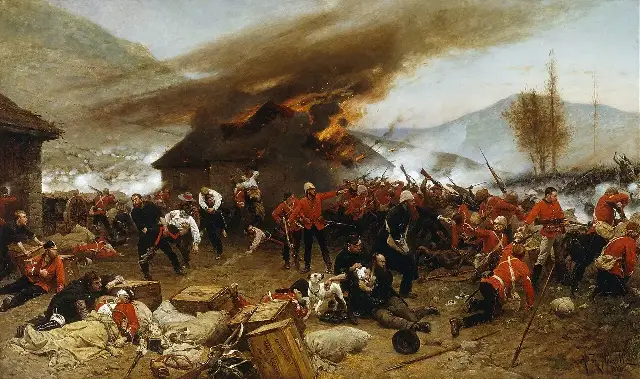
On January 22, 1879, about 150 British soldiers held a mission station in South Africa against some 4,000 Zulu warriors through a night of hand-to-hand fighting.
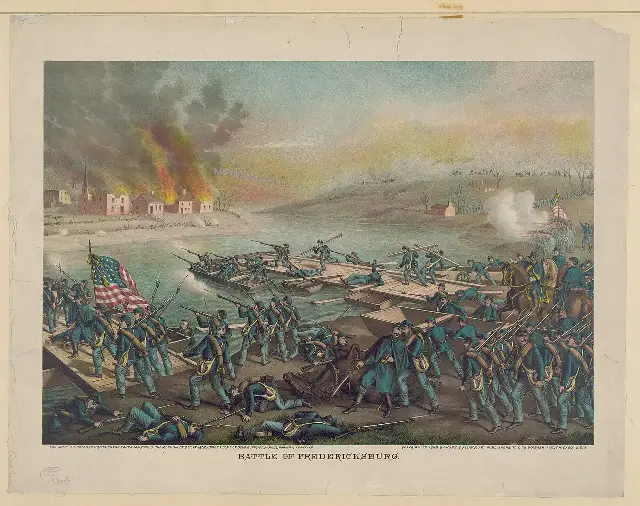
On December 13, 1862, Union troops launched wave after wave of frontal assaults against Confederate defenses at Marye's Heights, in one of the Civil War's most one-sided battles.
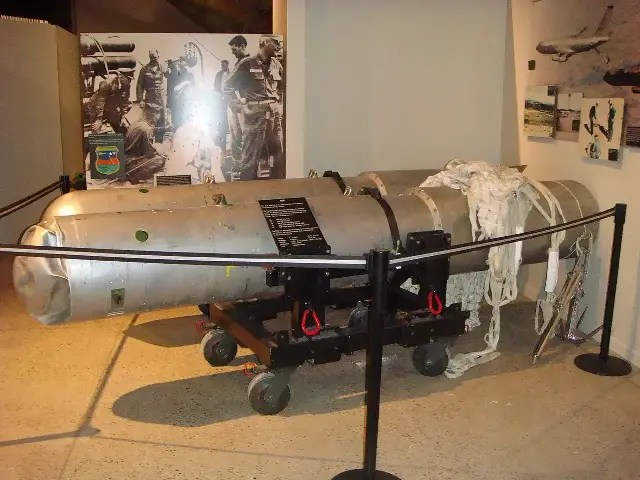
On January 17, 1966, a mid-air collision over Palomares, Spain, scattered four American hydrogen bombs across a farming village and the sea — and started an 80-day hunt.
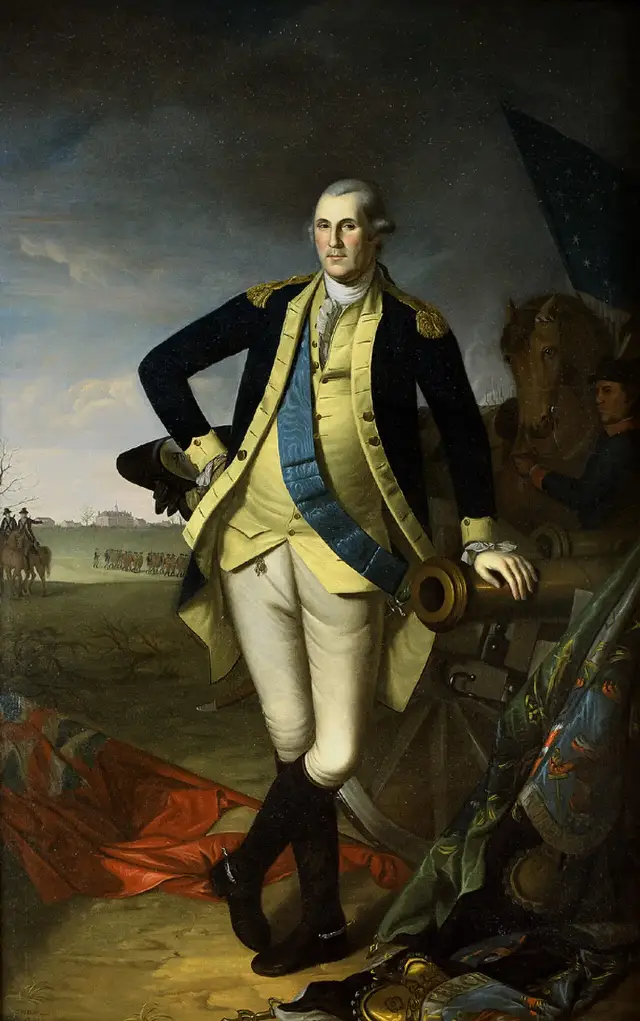
On March 15, 1783, George Washington defused a near-mutiny of unpaid officers with an unannounced appearance and a famous line about his spectacles.
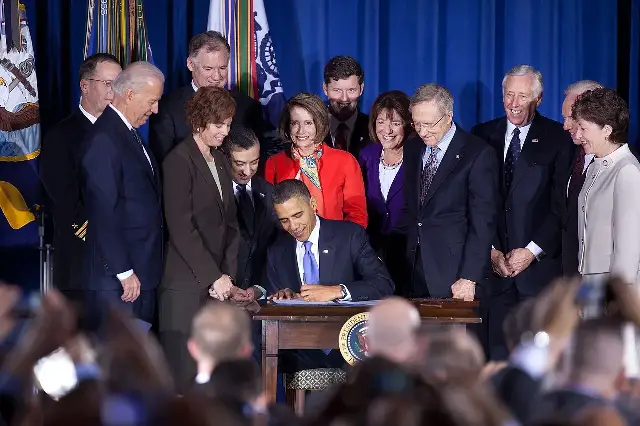
On December 22, 2010, President Barack Obama signed the repeal of 'Don't Ask, Don't Tell,' ending the ban on openly gay service in the U.S. military.
On November 11, 1921, an unidentified American soldier from World War I was buried at Arlington National Cemetery in a state funeral led by President Harding.
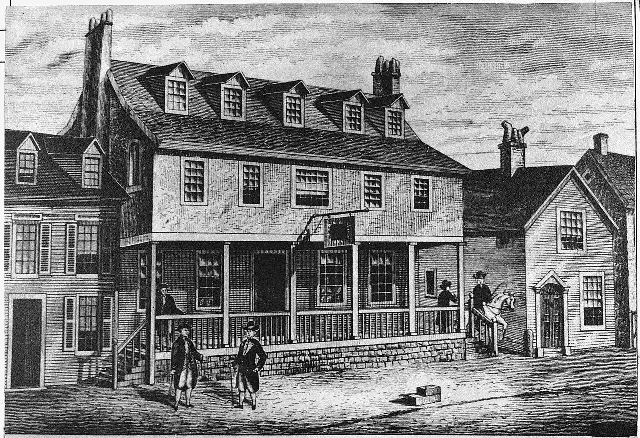
On November 10, 1775, the Continental Congress ordered two battalions of Marines raised — and recruiter Samuel Nicholas set up shop at Philadelphia's Tun Tavern.
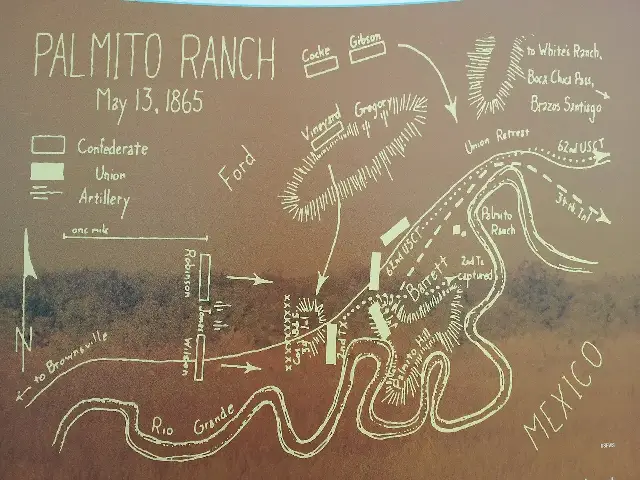
On May 13, 1865, Union and Confederate troops fought the last land battle of the Civil War in Texas — more than a month after Lee surrendered.
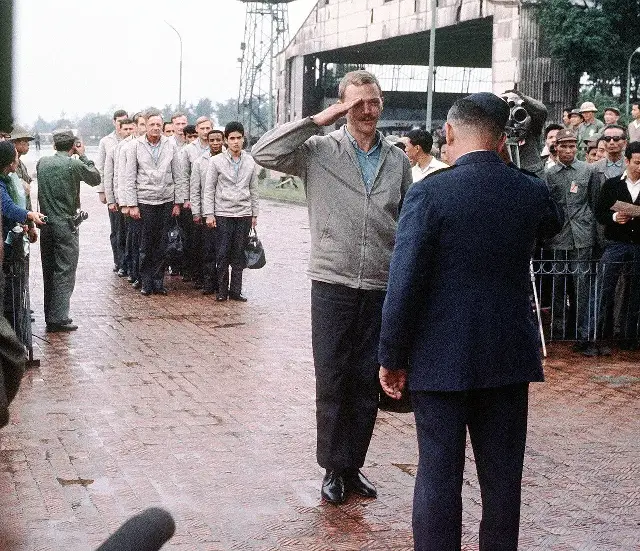
On March 29, 1973, the last U.S. combat troops left Vietnam, ending America's direct role in the war.
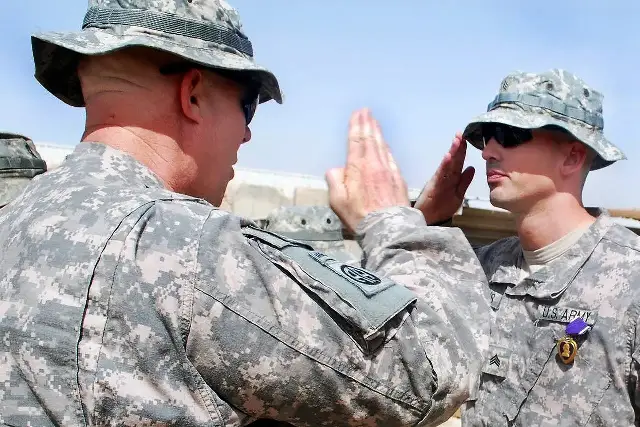
On August 7, 1782, George Washington created America's first military decoration — a purple cloth heart honoring ordinary soldiers, not officers.
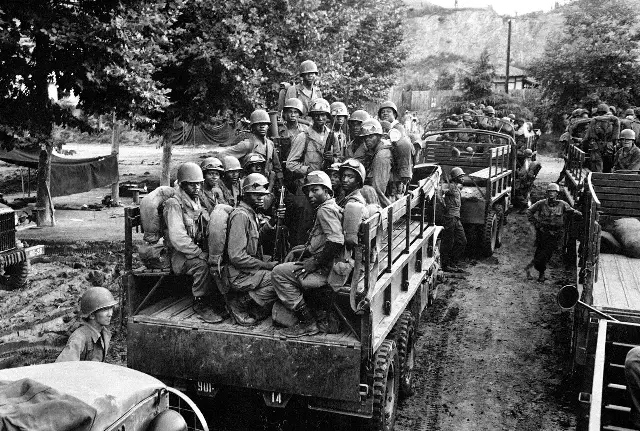
On July 26, 1948, President Truman signed Executive Order 9981, ending official segregation in the U.S. armed forces — and the Korean War would prove it worked.
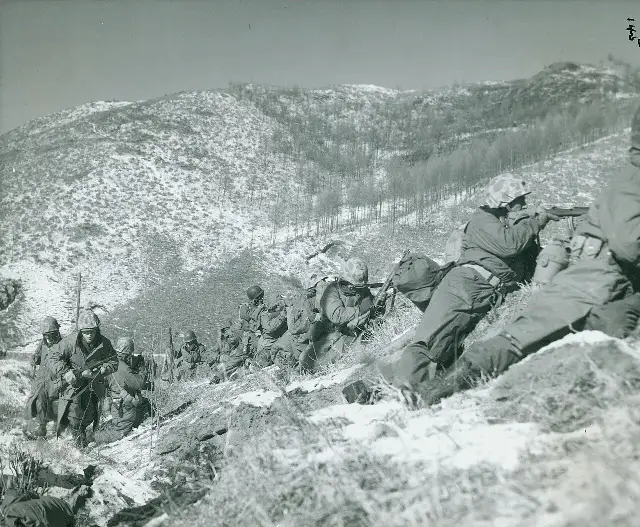
At 4 a.m. on June 25, 1950, North Korean troops stormed across the 38th parallel, igniting a war that still shapes the world today.
On June 22, 1941, Nazi Germany invaded the Soviet Union with more than 3.8 million troops — the largest military offensive ever launched.
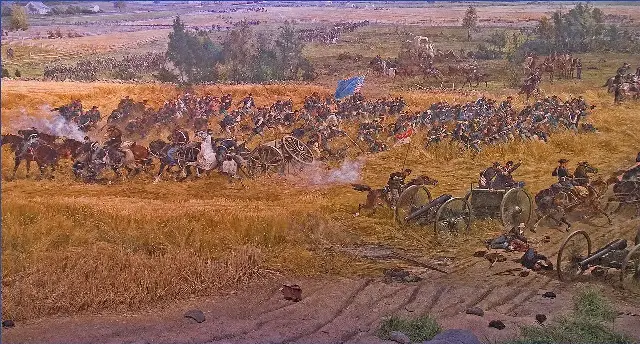
On July 3, 1863, some 12,500 Confederates marched across open ground at Gettysburg in Pickett's Charge — and the tide of the Civil War turned.
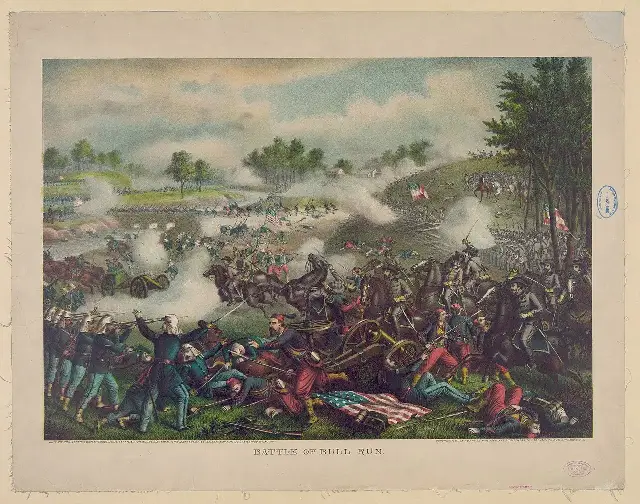
On July 21, 1861, hundreds of civilians came out to watch the Civil War's first major battle near Manassas, Virginia — and ended up fleeing for their lives as the Union army broke.