The Night Budapest Tore Down Stalin
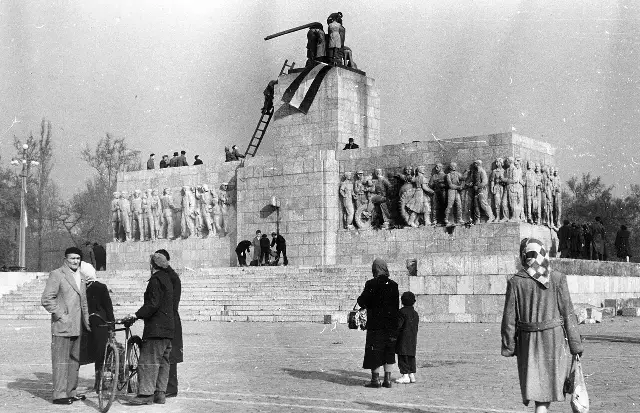
On October 23, 1956, Hungarian students and workers rose against Soviet domination, toppling Stalin's giant bronze statue in Budapest on the revolution's first night.


On October 23, 1956, Hungarian students and workers rose against Soviet domination, toppling Stalin's giant bronze statue in Budapest on the revolution's first night.
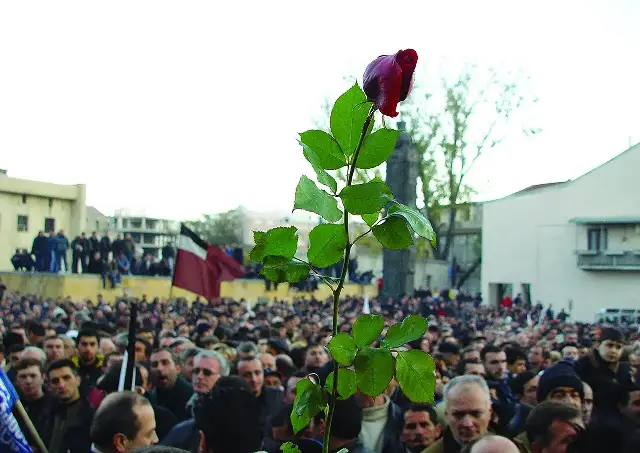
On November 23, 2003, Georgia's Eduard Shevardnadze resigned after three weeks of peaceful protests, ending the bloodless Rose Revolution.
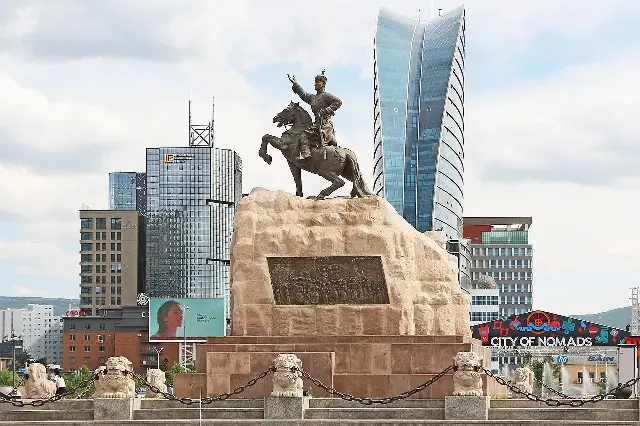
On July 11, 1921, revolutionaries proclaimed a new people's government in Mongolia, ending foreign occupation — the day Mongolians still celebrate as their national day.
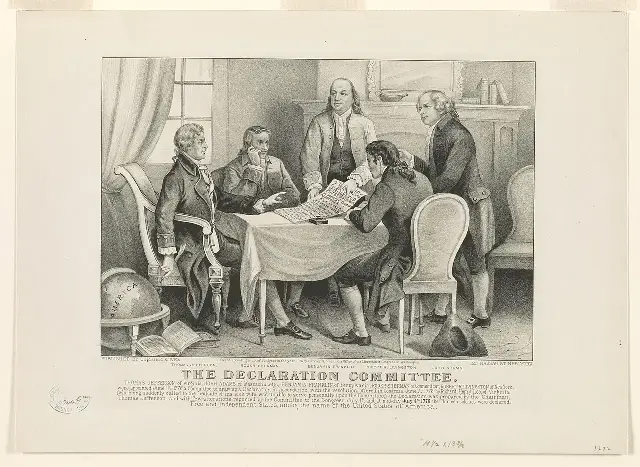
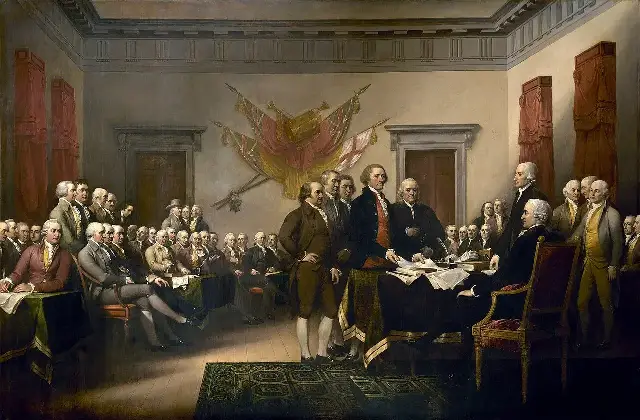
On June 11, 1776, Congress appointed five men — including Jefferson, Adams, and Franklin — to draft the document that became the Declaration of Independence.
On December 29, 1911, delegates in Nanjing elected Sun Yat-sen provisional president of China, closing the book on more than two millennia of imperial rule.
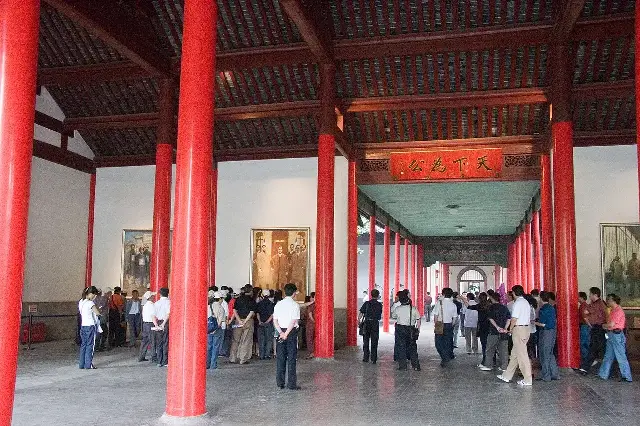
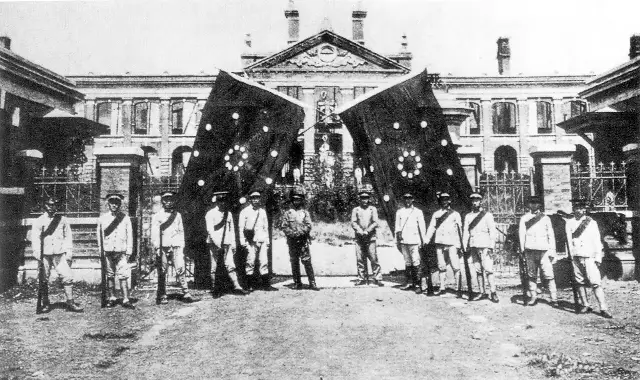
On October 10, 1911, a botched bomb plot forced revolutionaries in Wuchang to mutiny ahead of schedule — and the uprising they started ended more than 2,000 years of imperial rule in China.
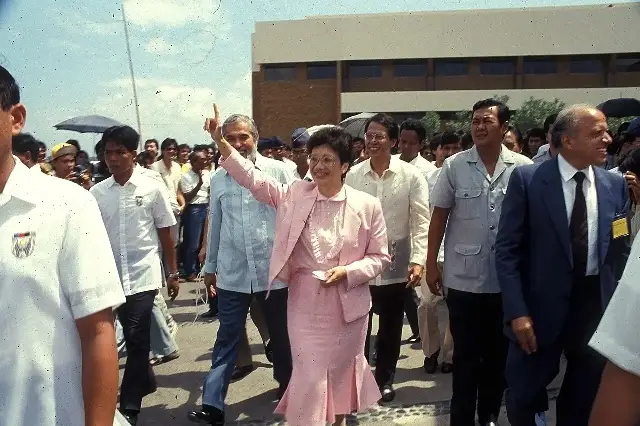
On February 25, 1986, Corazon Aquino was sworn in as president of the Philippines, capping the peaceful People Power Revolution that ended Ferdinand Marcos's two-decade rule.
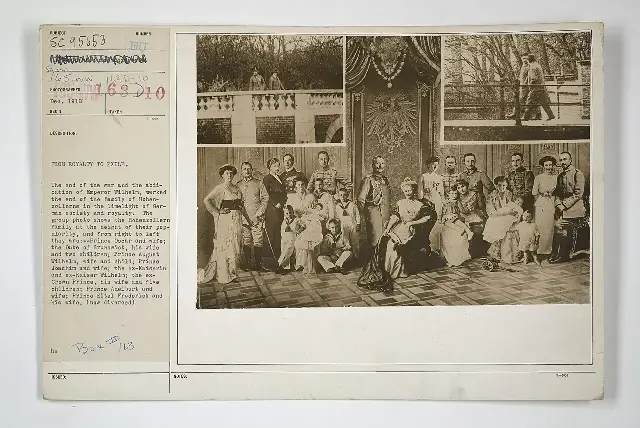
On November 9, 1918, Kaiser Wilhelm II's abdication was announced without his consent, and two rival republics were proclaimed in Berlin the same afternoon.
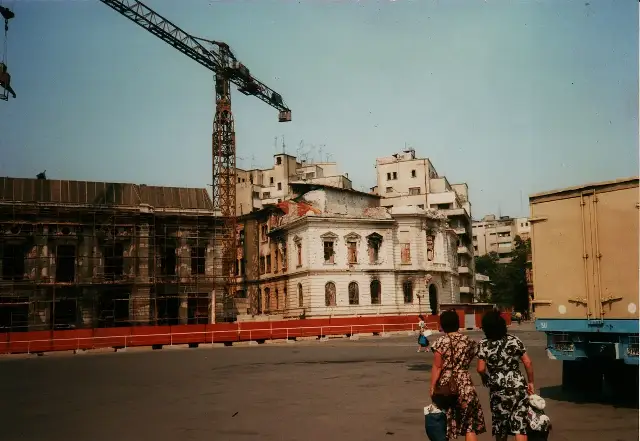
On December 22, 1989, Romania's dictator Nicolae Ceausescu fled Bucharest by helicopter as protesters stormed Communist Party headquarters, ending 24 years of brutal rule.
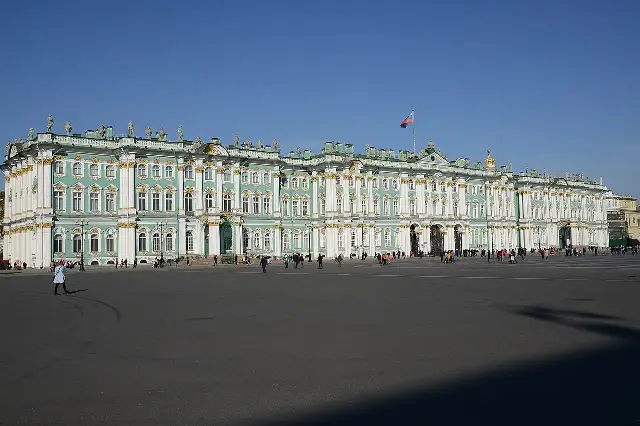
On November 7, 1917 (October 25 in Russia's old calendar), the Bolsheviks seized the Winter Palace in an almost bloodless coup that reshaped the 20th century.
On February 12, 1912, a six-year-old boy's abdication ended more than 2,000 years of imperial rule in China.
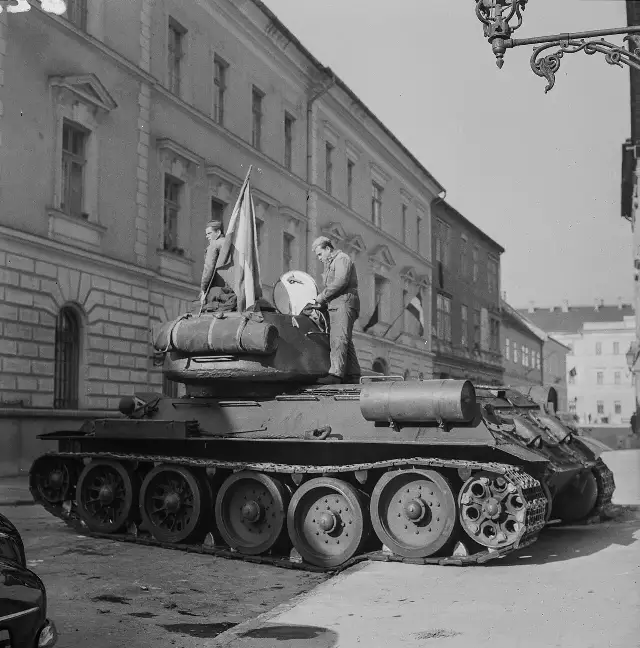
On November 4, 1956, the Soviet Union launched Operation Whirlwind against Budapest, crushing Hungary's revolution and sending some 200,000 refugees fleeing west.
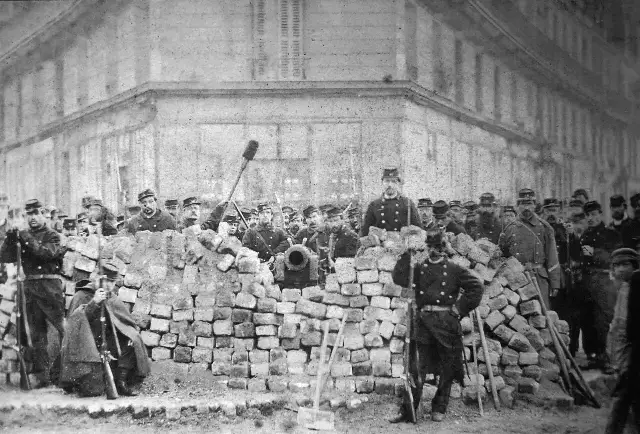
On March 18, 1871, Parisian workers and soldiers defied the French government, seized the city's cannons, and launched the Paris Commune — the world's first workers' government.
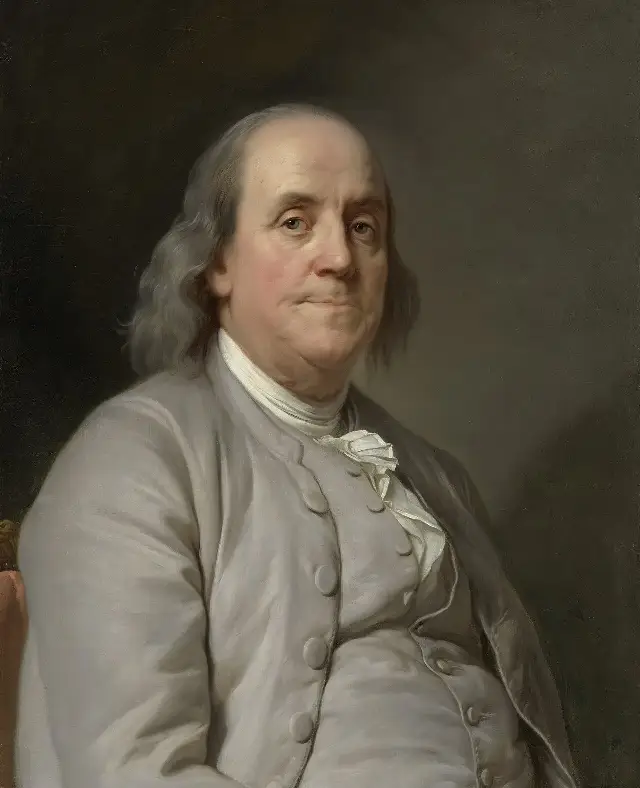
On July 26, 1775 — a full year before the Declaration of Independence — the Continental Congress created America's postal service and made Benjamin Franklin its first postmaster general.
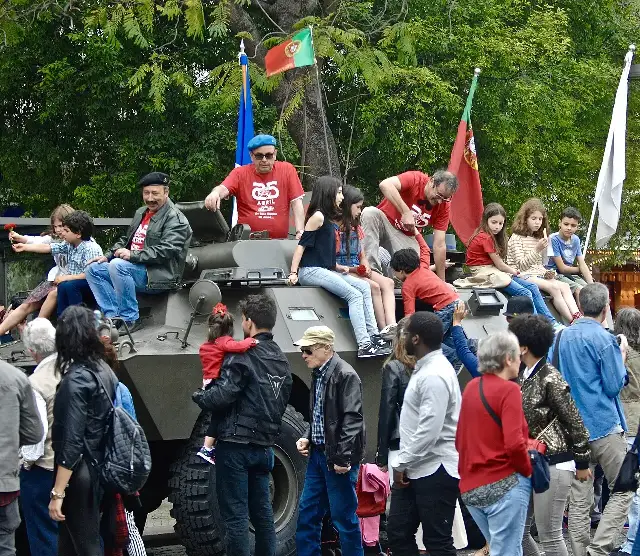
On April 25, 1974, two coded songs on Portuguese radio launched the Carnation Revolution, ending nearly 50 years of dictatorship in under a day.
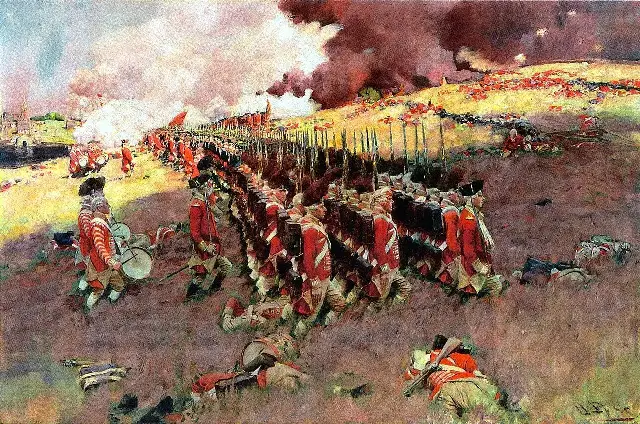
On June 17, 1775, untrained American farmers stood their ground against the mighty British Army — and proved a revolution could fight.
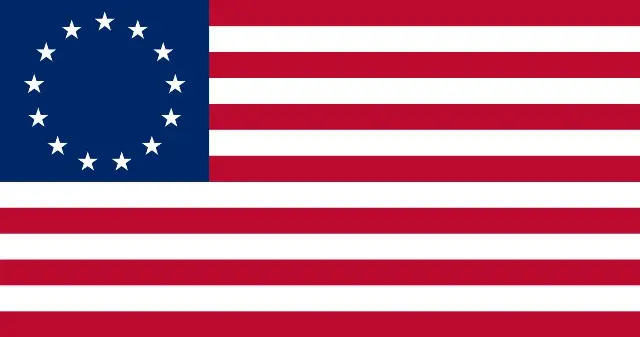
On June 14, 1777, the Continental Congress adopted the Stars and Stripes as America's flag — the birthday celebrated every year as Flag Day.
On July 4, 1776, the Continental Congress adopted the Declaration of Independence, giving the American Revolution its immortal voice.
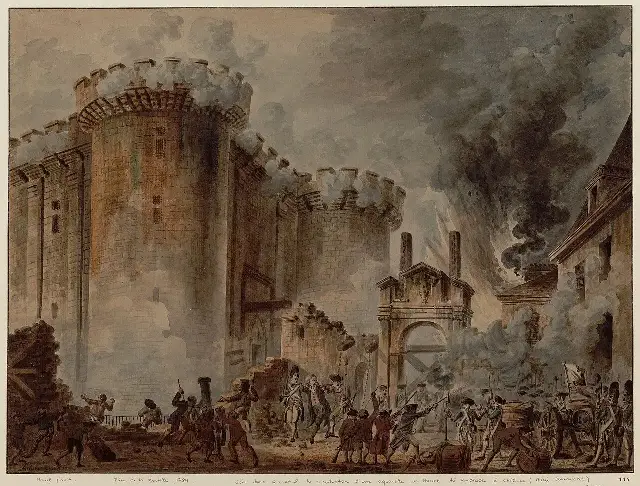
On July 14, 1789, Parisians stormed the Bastille — a nearly empty prison whose fall became the flashpoint of the French Revolution.