Born Into the Fire: The Making of Malcolm X
On May 19, 1925, Malcolm Little was born in Omaha, Nebraska — the boy who would become Malcolm X, one of the most powerful and challenging voices of the civil rights era.
Before Malcolm X was even born, the Ku Klux Klan came looking for him. As he later told it, his mother was pregnant with him when hooded riders galloped up to the family's home in Omaha, Nebraska, brandishing shotguns and shouting for his father to come out.
He was born Malcolm Little on May 19, 1925, in Omaha, one of eight children of Earl and Louise Little. His father was a Baptist minister and a follower of Marcus Garvey's movement for Black pride and self-reliance — and that made him a target. The threats followed the family to Michigan, where, when Malcolm was four, a racist mob set their house on fire while the town's all-white firefighters stood and watched. Two years later, in 1931, Earl Little's body was found laid across the town's streetcar tracks. The authorities called it an accident. Malcolm never believed it.
The loss broke the family. In 1937 his mother suffered a breakdown and was committed to a state mental hospital, and the children were scattered among foster homes and orphanages. Malcolm, though, was a gifted student — at the top of his junior high class, dreaming of becoming a lawyer. That dream died in the eighth grade, when a teacher he admired told him that law was no realistic goal for a Black boy. He dropped out, drifted to Boston and then to Harlem, and fell into street crime. In 1946 he was arrested for burglary and sentenced to ten years in prison.
Prison is where Malcolm Little became Malcolm X. Behind bars he encountered the Nation of Islam, and he threw himself into study and discipline with the same intensity that had once made him a top student. Paroled in 1952, he dropped his surname — "Little" was, to him, a slave name — and took the X. Within a few years he was the Nation of Islam's most electrifying minister, preaching from the pulpit of its Harlem mosque, building its membership, and forcing America to confront a message it did not want to hear: that Black Americans should stand tall, take pride in themselves, and stop waiting for anyone's permission to be free.
His path kept evolving. In 1964, after breaking with the Nation of Islam, he made the pilgrimage to Mecca — an experience that broadened his vision of human brotherhood — and founded new organizations devoted to Black dignity and human rights. He was assassinated on February 21, 1965, while speaking at the Audubon Ballroom in Manhattan. He was 39.
Malcolm X remains one of the most debated figures in American history, but his core insistence — on self-respect, on Black pride, on the right of the oppressed to define themselves — reshaped the civil rights conversation and still echoes through American life. He began as a boy the Klan tried to terrorize before birth, and he ended as a man whose voice could not be silenced even by an assassin's bullets.
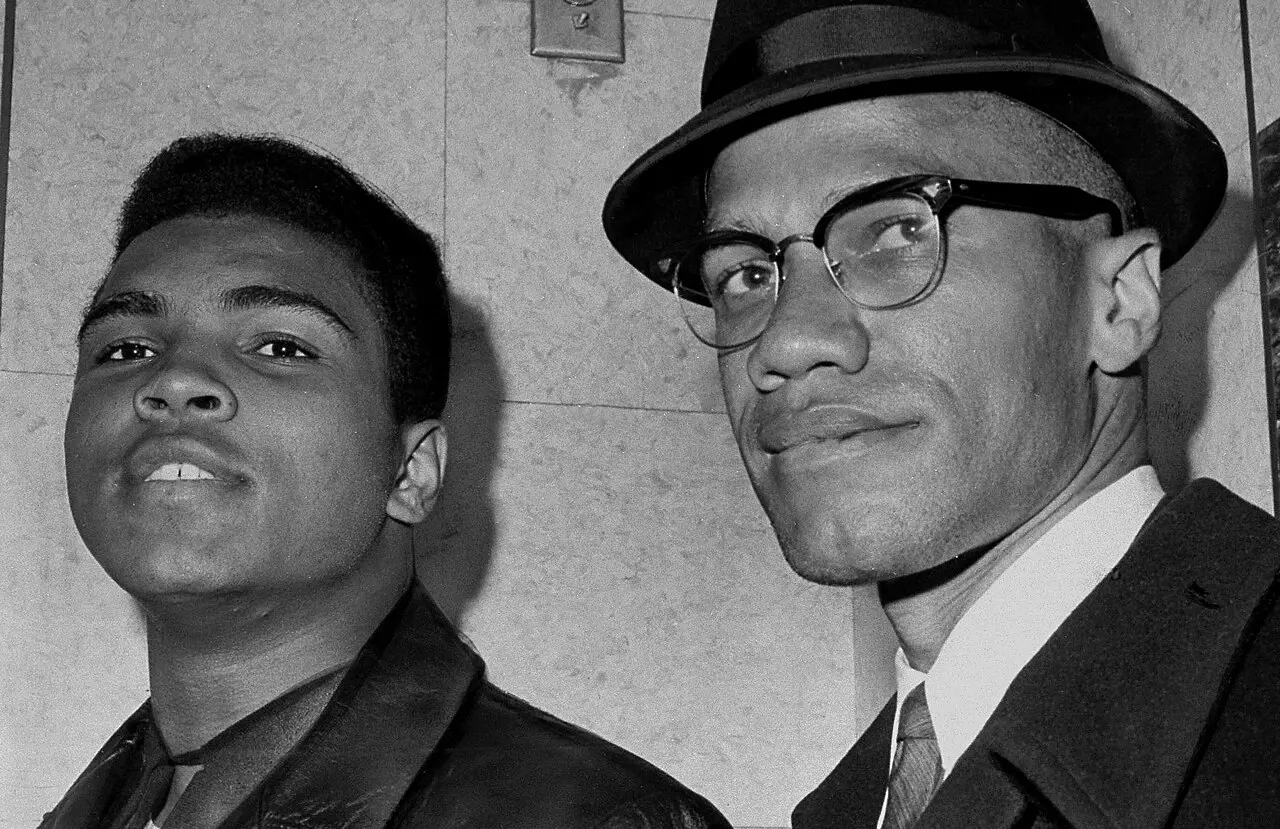
Photo: United Press International, public domain (via Wikimedia Commons).