Three Flags in Twenty Days: America Doubles in Size
On December 20, 1803, the French tricolor came down and the Stars and Stripes rose over New Orleans, completing the Louisiana Purchase.
The greatest real-estate deal in history was sealed not with a handshake, but with a flag.
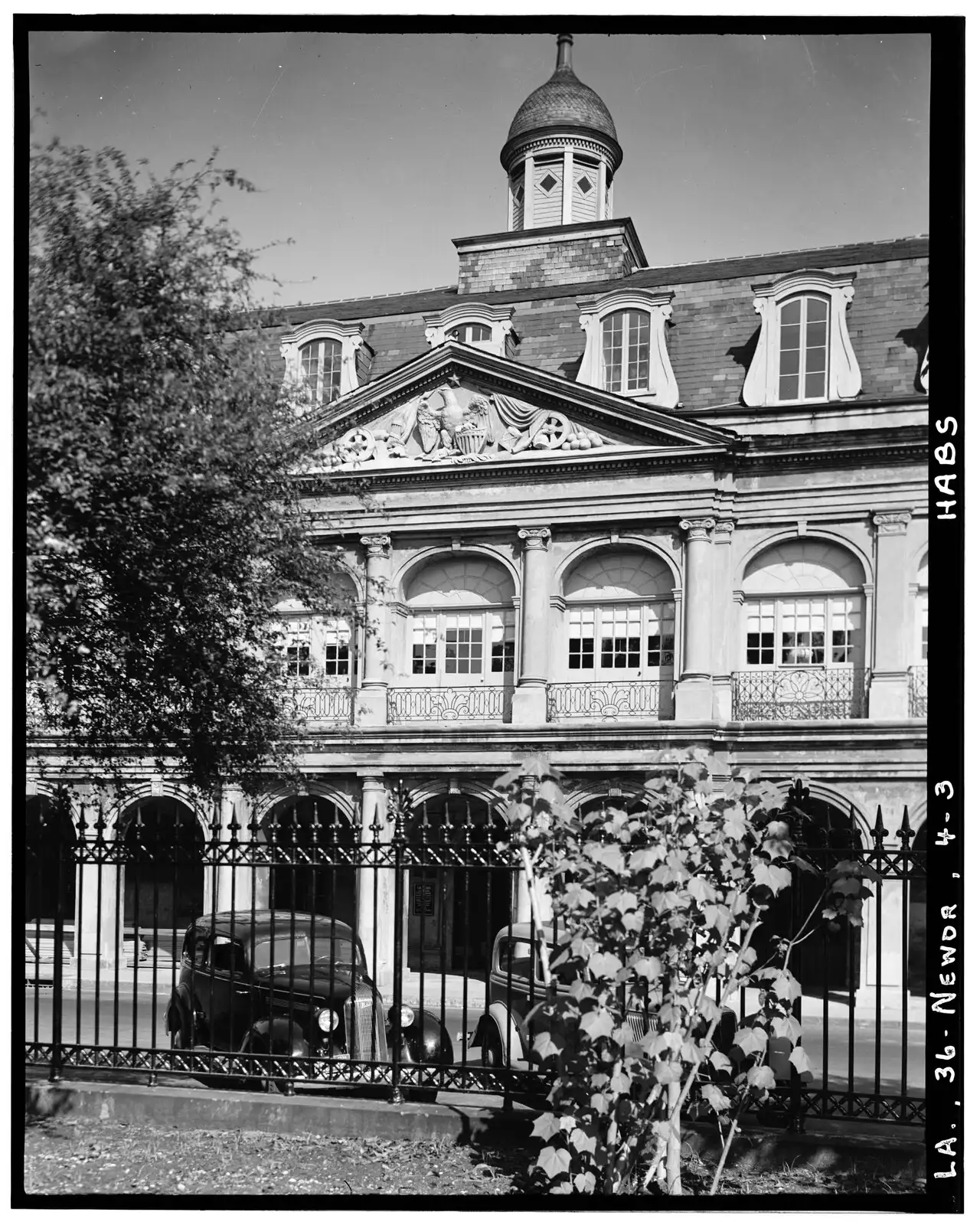
On December 20, 1803, residents of New Orleans gathered in the Place d'Armes — today's Jackson Square — to watch the formal transfer of Louisiana to the United States. French Prefect Pierre Clément de Laussat lowered the French tricolor; the Stars and Stripes rose in its place. It was the final act of the Louisiana Purchase, the deal in which France sold some 828,000 square miles of North America to the young United States for $15 million — roughly four cents an acre.
The bargain had been almost accidental. President Thomas Jefferson had sent envoys to buy only New Orleans and its surroundings, to secure American trade on the Mississippi. But France's dreams of a New World empire had collapsed: a slave revolt in Saint-Domingue (modern Haiti) and yellow fever had destroyed Napoleon's forces there, and with war against Britain looming again, Napoleon needed cash. His officials stunned the Americans by offering all of Louisiana. The treaty was signed in Paris on April 30, 1803, and the Senate ratified it that October by 24 votes to 7 — even though Jefferson himself privately doubted the Constitution allowed it.
The ceremony was solemn and strangely moving. Just twenty days earlier, Spanish officials had lowered their own flag in the same square, handing the territory to France — three flags in twenty days. Laussat later wrote in his memoirs of the French troops marching past with 'precision, order, dignity and a touching calm,' and confessed: 'More than one tear was shed at the moment when the flag disappeared from that shore.' That night, French, Spanish, and American residents celebrated together, raising toasts to all three nations.
Overnight, the United States had doubled in size, gaining land that would become fifteen states. The purchase secured the Mississippi, set Lewis and Clark marching west, and set the young republic on the path to continental power. It also opened vast new chapters of conflict — over the expansion of slavery, and over the Indigenous peoples whose homelands were being claimed. At roughly four cents an acre, the purchase remains one of the great bargains in history — though the Indigenous nations whose homelands were being sold were never consulted, and the enslaved people carried westward in the decades that followed paid the purchase's true price. A flag can change hands in an afternoon. The consequences take centuries.
Photo: Historic American Buildings Survey, 1936, public domain (via Wikimedia Commons).