The Airship Race Around the Eiffel Tower
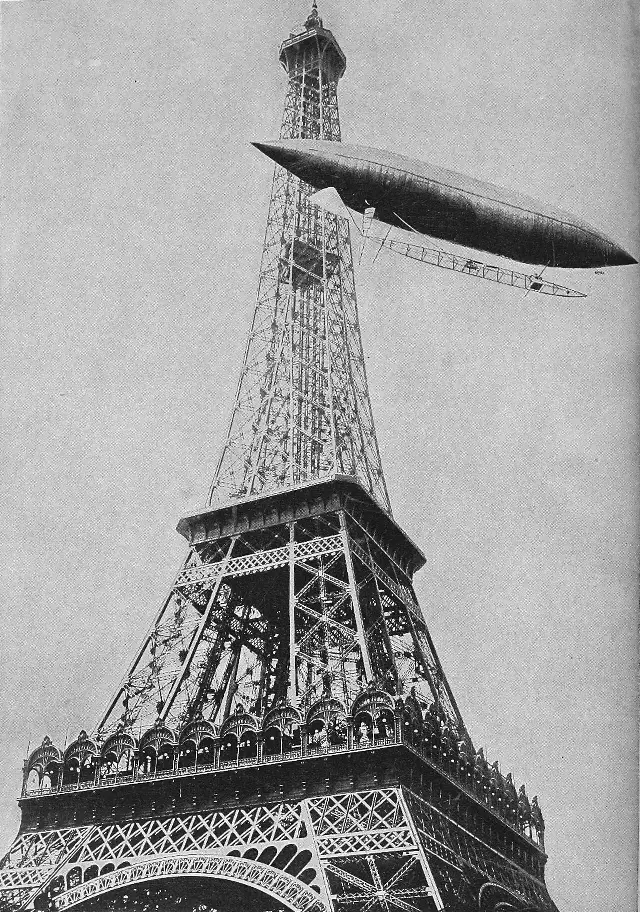
On October 19, 1901, Alberto Santos-Dumont flew his airship from Saint-Cloud around the Eiffel Tower and back in 29 minutes 30 seconds, winning a 100,000-franc prize after his engine quit mid-flight.


On October 19, 1901, Alberto Santos-Dumont flew his airship from Saint-Cloud around the Eiffel Tower and back in 29 minutes 30 seconds, winning a 100,000-franc prize after his engine quit mid-flight.
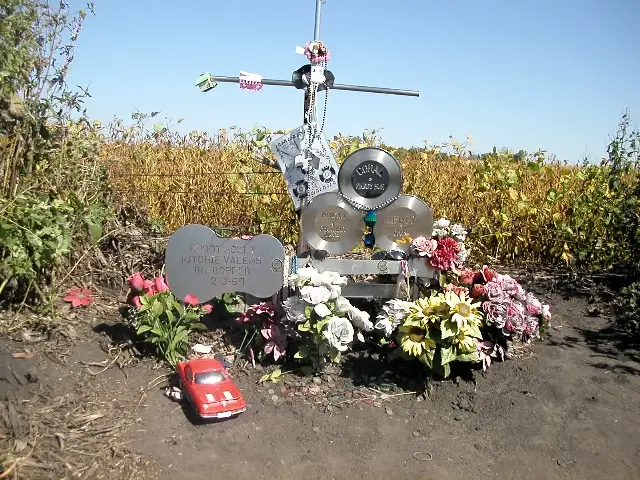
On February 3, 1959, a small plane crashed in an Iowa cornfield, killing rock-and-roll stars Buddy Holly, Ritchie Valens, and the Big Bopper — a loss Don McLean immortalized as "the day the music died."
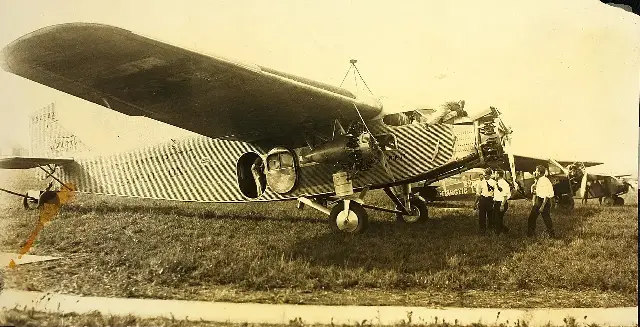
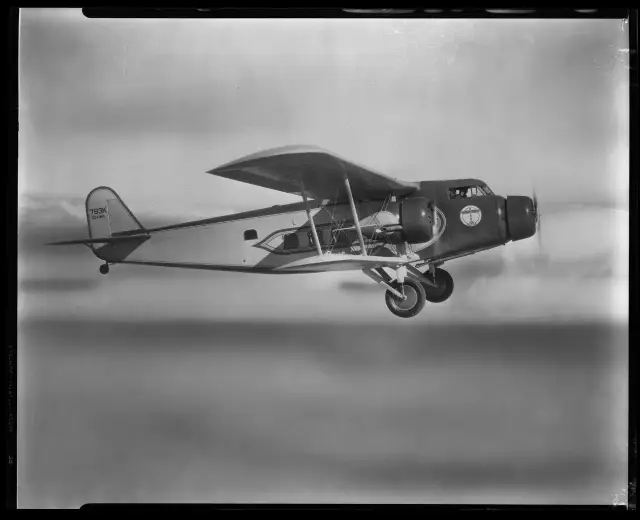
On November 28, 1929, Richard E. Byrd and three crewmates took off from Little America in the Ford trimotor Floyd Bennett on the first airplane flight over the South Pole.
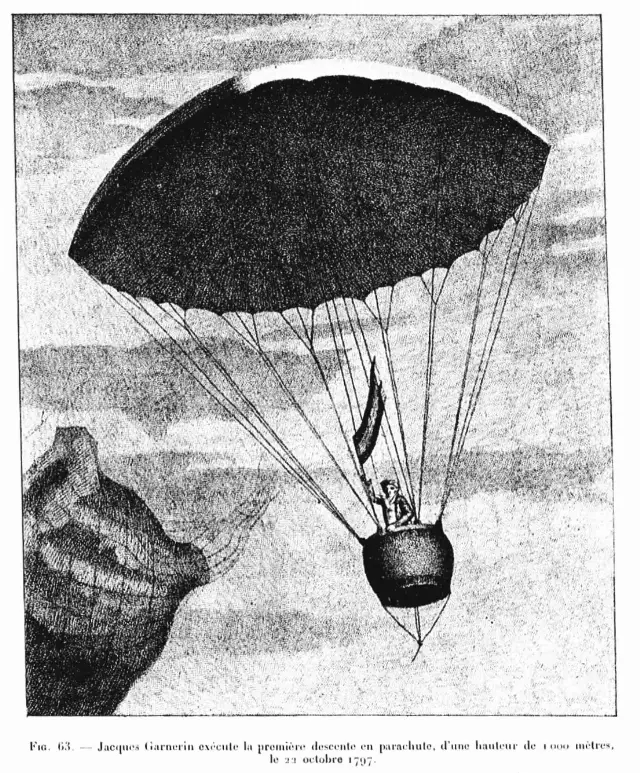
On October 22, 1797, French balloonist André-Jacques Garnerin cut loose from a hydrogen balloon 3,000 ft over Paris and floated down under silk — the first successful high-altitude parachute descent.
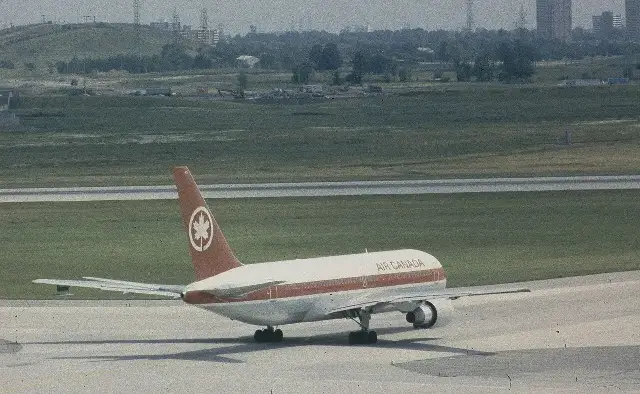
On July 23, 1983, Air Canada Flight 143 ran out of fuel at 41,000 feet — and its crew glided the powerless Boeing 767 to a miraculous landing on a Manitoba drag strip.
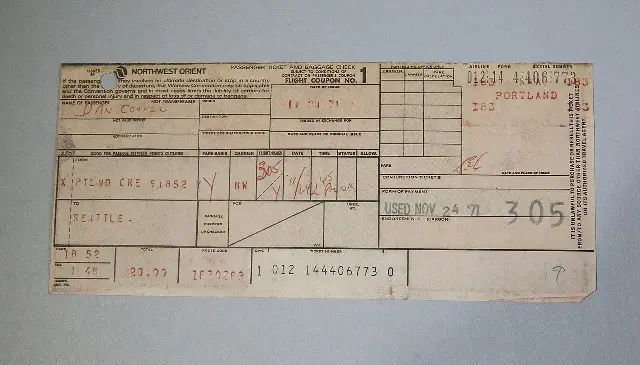
On November 24, 1971, a man calling himself Dan Cooper hijacked a Seattle-bound jet, took $200,000, and parachuted into the night — never to be found.
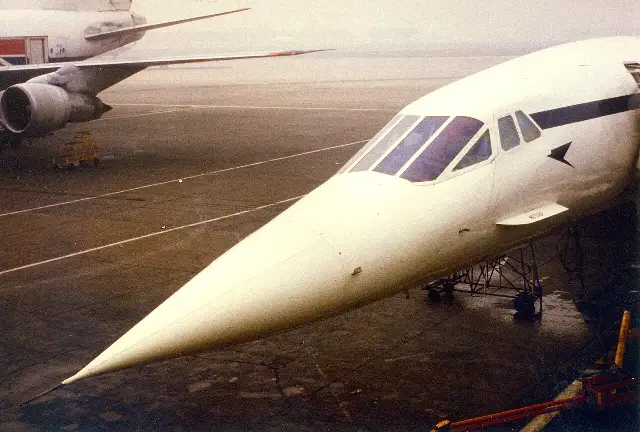
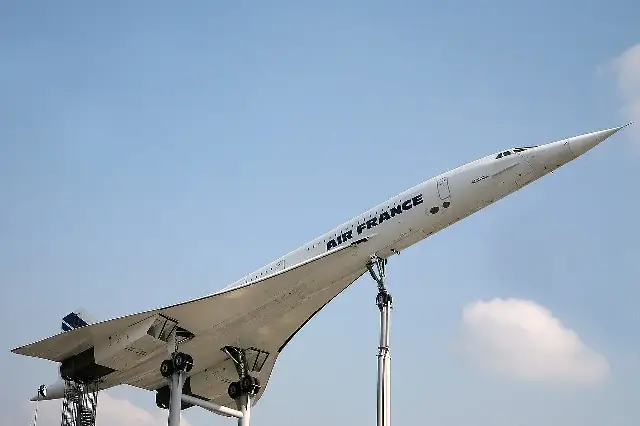
On January 21, 1976, the first supersonic passenger flights took off from London and Paris, shrinking the Atlantic to three and a half hours.
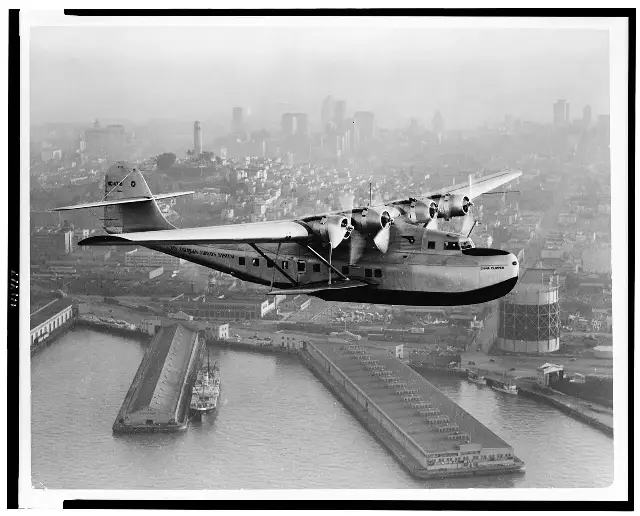
On November 22, 1935, Pan Am's flying boat China Clipper left Alameda, California, with the first transpacific airmail — an eight-day island-hopping journey to Manila.
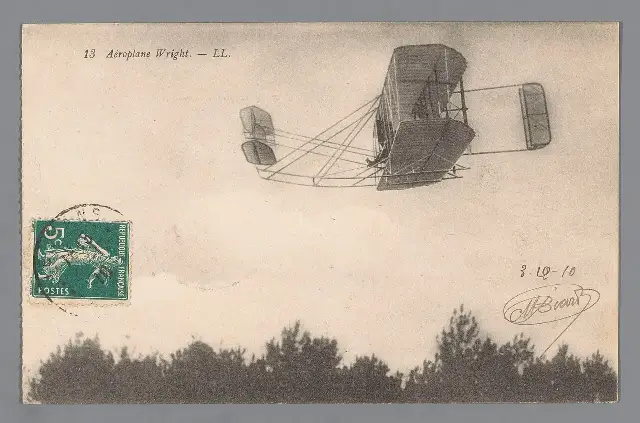
On August 8, 1908, Wilbur Wright's first public flight in France lasted just 1 minute 45 seconds — and ended years of European scorn in a single afternoon.
On March 27, 1977, two Boeing 747s collided on a foggy runway in Tenerife — the deadliest aviation accident in history, and the reason pilots changed how they talk.
On May 22, 1906, the Wright brothers were granted U.S. Patent 821,393 for their flying machine — the three-axis control system that made powered flight truly controllable.
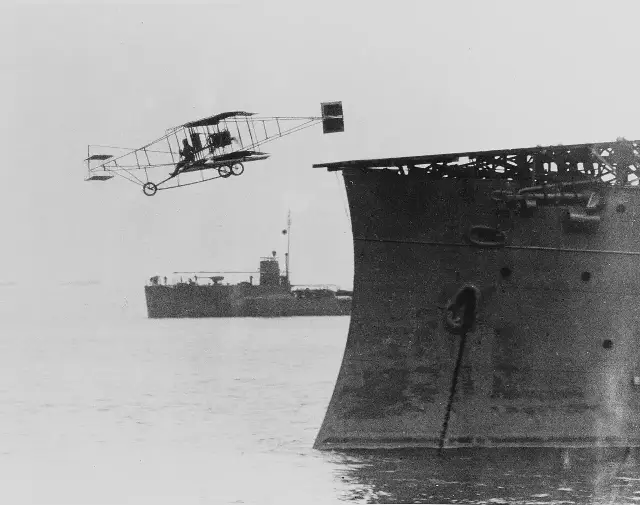
On November 14, 1910, Eugene Ely flew a flimsy biplane off the bow of the USS Birmingham — the first airplane takeoff from a warship, and the birth of naval aviation.
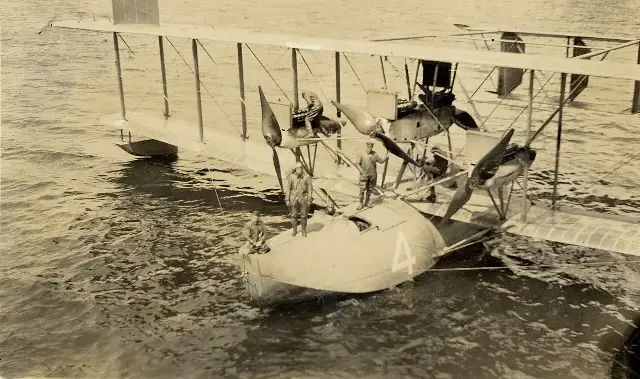
On May 27, 1919, the Navy flying boat NC-4 landed in Lisbon harbor, becoming the first aircraft in history to fly across an ocean.
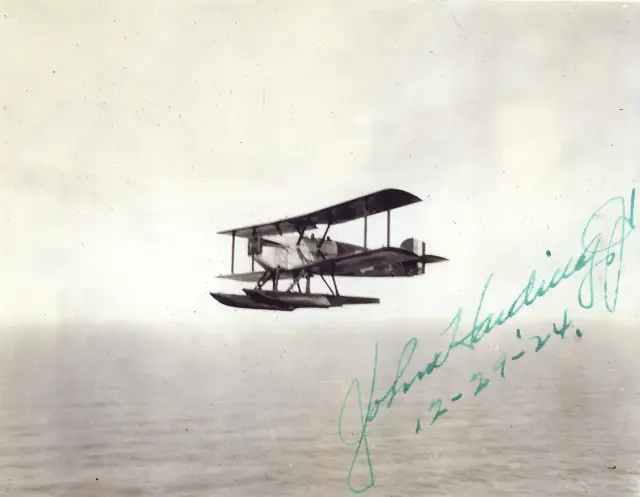
On September 28, 1924, three battered U.S. Army biplanes landed in Seattle, completing the first flight around the world in history.
On December 23, 1986, Dick Rutan and Jeana Yeager landed the Voyager at Edwards Air Force Base, completing the first nonstop, non-refueled flight around the world.
On July 2, 1900, a 61-year-old retired count floated his giant rigid airship over Lake Constance — and the airship age began.
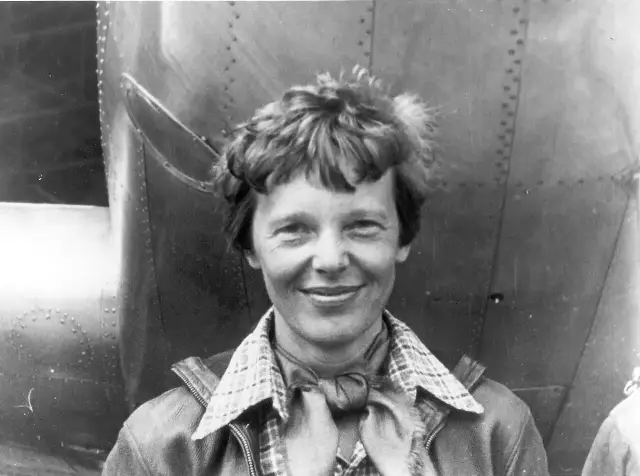
On July 2, 1937, Amelia Earhart's radio fell silent over the Pacific — and the world's most famous pilot was never seen again.
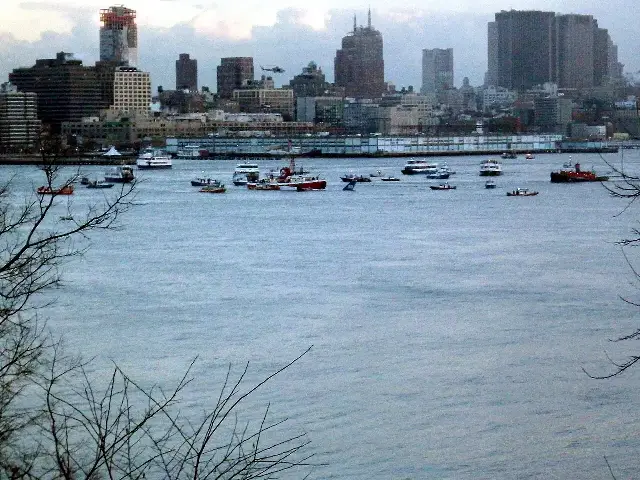
On January 15, 2009, US Airways Flight 1549 lost both engines to a bird strike and ditched in the Hudson River — and all 155 people aboard survived.
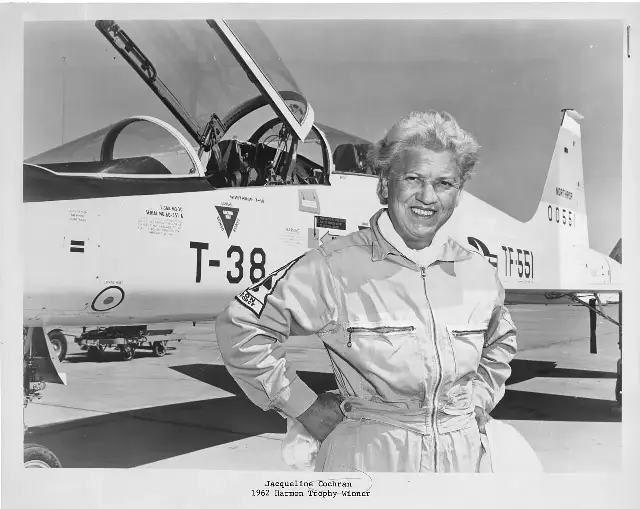
On May 18, 1953, Jacqueline Cochran became the first woman to break the sound barrier, flying a borrowed F-86 Sabre jet over Rogers Dry Lake, California.
On June 24, 1947, pilot Kenneth Arnold reported nine mysterious objects racing past Mount Rainier — and accidentally launched the flying saucer era.
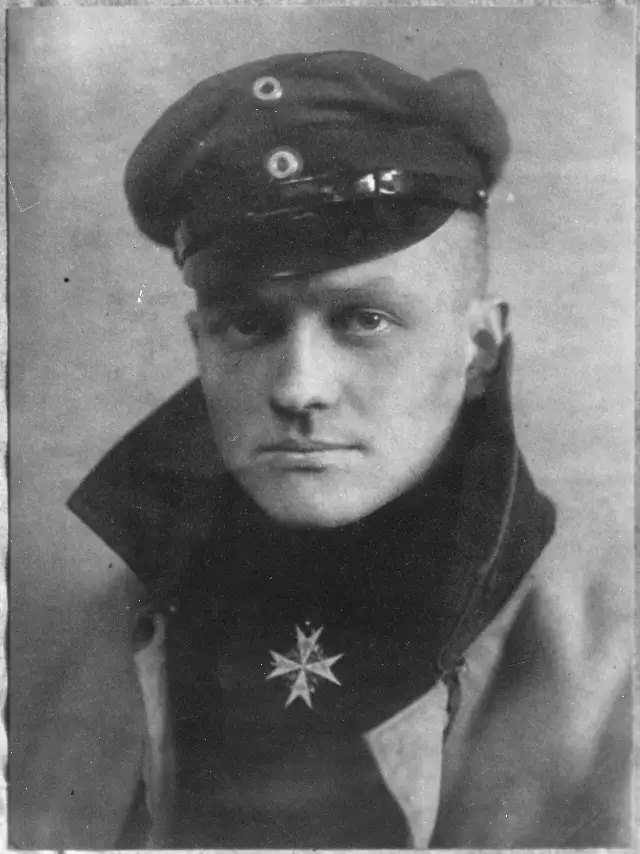
On April 21, 1918, Manfred von Richthofen — the Red Baron, the deadliest flying ace of World War I with 80 victories — was shot down over France and killed at 25.
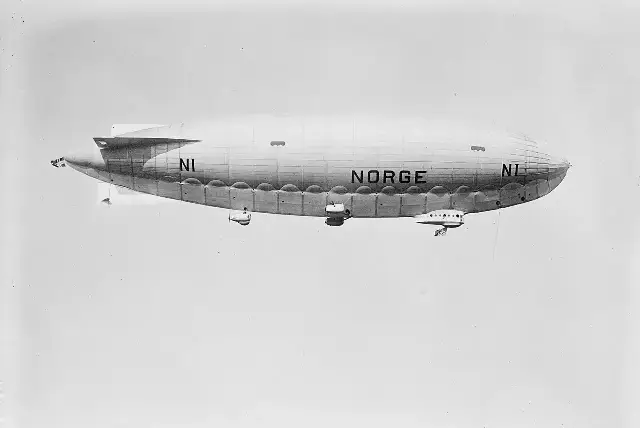
On May 12, 1926, the airship Norge carried Roald Amundsen, Umberto Nobile, and Lincoln Ellsworth over the North Pole — the first undisputed flight over the top of the world, then on to Alaska.
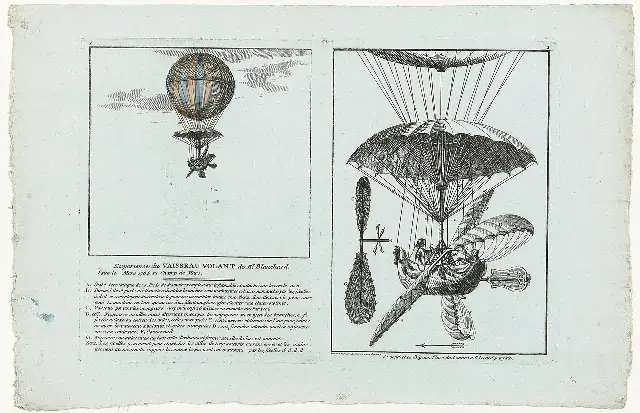
On January 9, 1793, Jean-Pierre Blanchard rose from a Philadelphia prison yard in a hydrogen balloon — the first manned flight in America, watched by George Washington.
On July 15, 1916, lumber millionaire William E. Boeing founded the Pacific Aero Products Company in Seattle — the company that became Boeing.
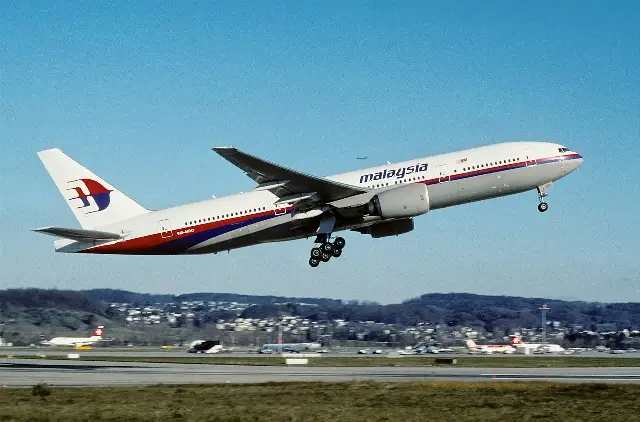
Malaysia Airlines Flight 370 took off for Beijing on March 8, 2014, with 239 people aboard — and became aviation's greatest mystery.
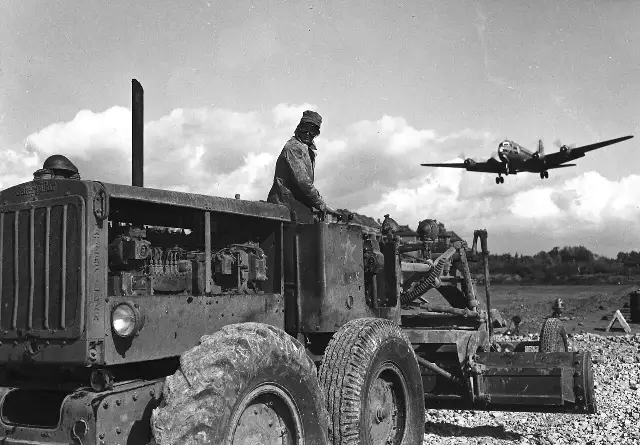
On June 26, 1948, the first American cargo planes took off for blockaded Berlin, launching Operation Vittles — the massive airlift that kept two million people alive for nearly a year.
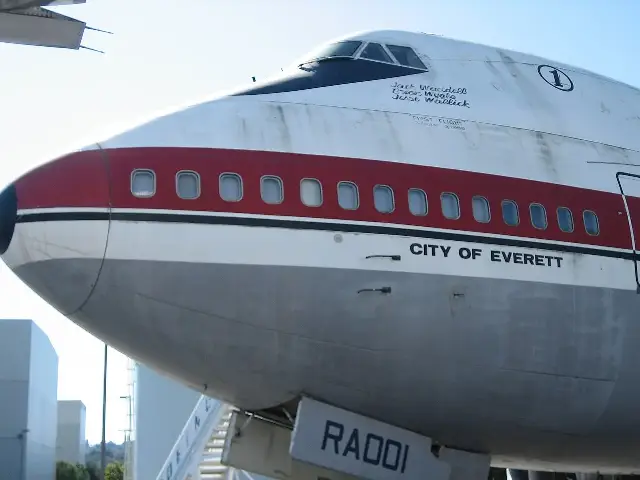
On February 9, 1969, the Boeing 747 took its first flight from Paine Field, launching the jumbo-jet era of air travel.
On May 15, 1930, nurse and pilot Ellen Church flew the first stewardess trip, inventing the flight-attendant profession on a 13-stop mail plane.
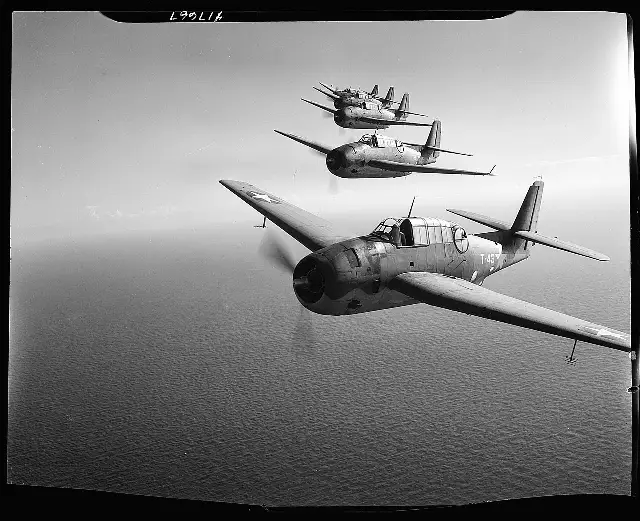
On December 5, 1945, five U.S. Navy bombers took off from Florida on a routine training flight — and vanished, giving birth to the Bermuda Triangle legend.
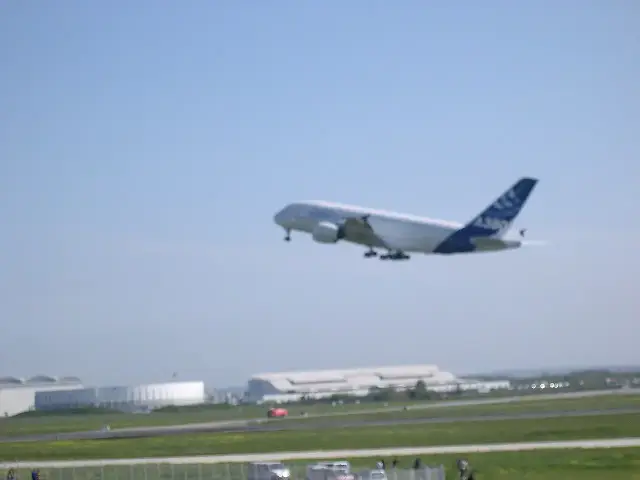
On April 27, 2005, the Airbus A380 — the largest passenger airplane ever built — made its first flight from Toulouse, France.
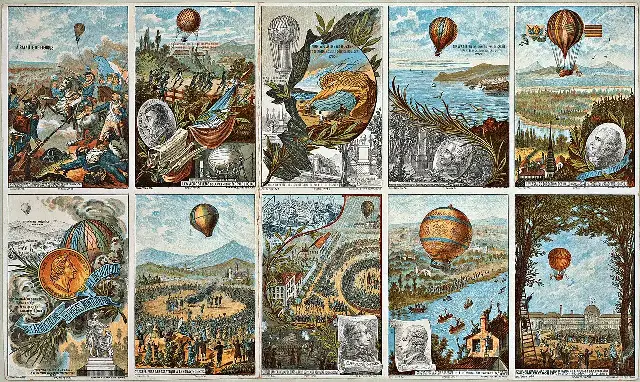
On June 4, 1783, two French papermakers launched a globe of linen and paper that rose a mile into the air — the first public flight in history, and the beginning of aviation.
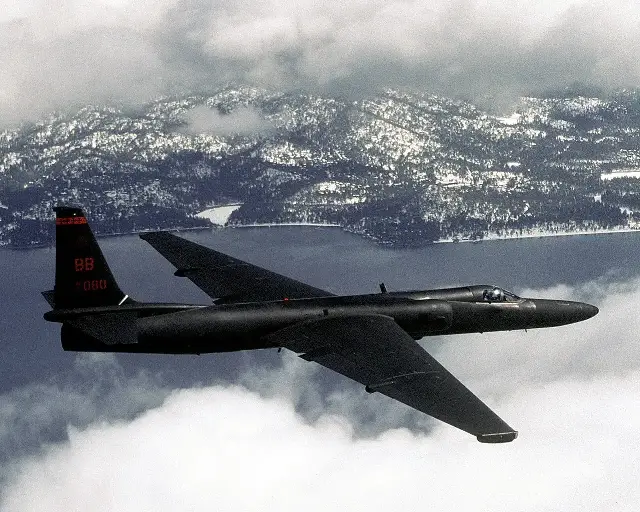
On May 1, 1960, CIA pilot Francis Gary Powers was shot down over the Soviet Union, and the lie America told about it wrecked a peace summit.
On January 11, 1935, Amelia Earhart became the first person to fly solo from Honolulu, Hawaii, to Oakland, California — a daring 2,408-mile journey across the Pacific.
On March 2, 1969, the supersonic airliner Concorde took to the sky for the first time, flying a 27-minute test flight from Toulouse, France.
On July 28, 1945, a B-25 bomber lost in thick fog slammed into the Empire State Building, killing 14 — and an elevator operator survived a 75-story fall.
On June 24, 1948, the Soviet Union sealed off West Berlin — and the Allies answered by supplying two million people entirely from the sky.
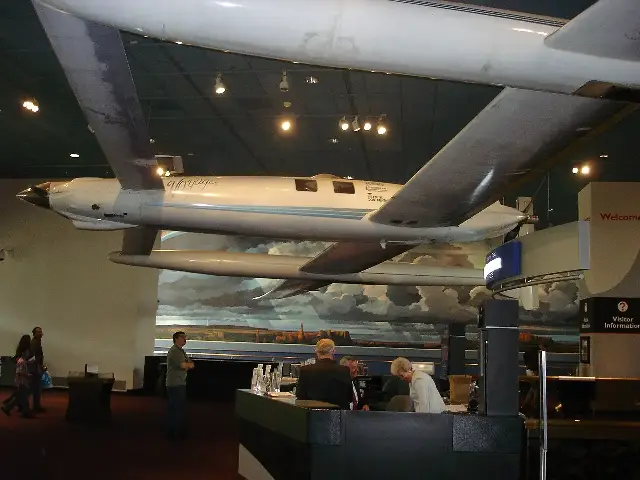
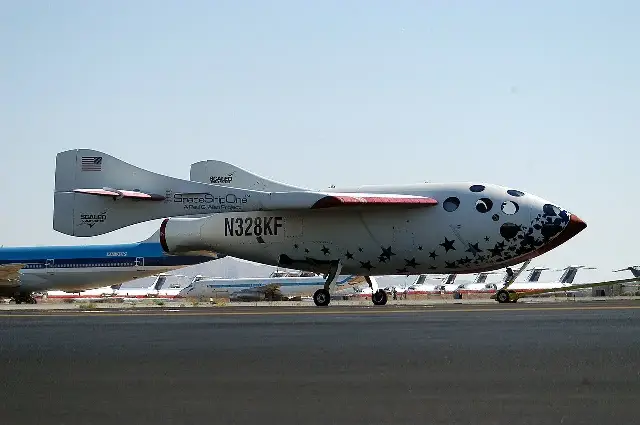
On June 21, 2004, SpaceShipOne became the first privately built and funded spacecraft to carry a person into space.
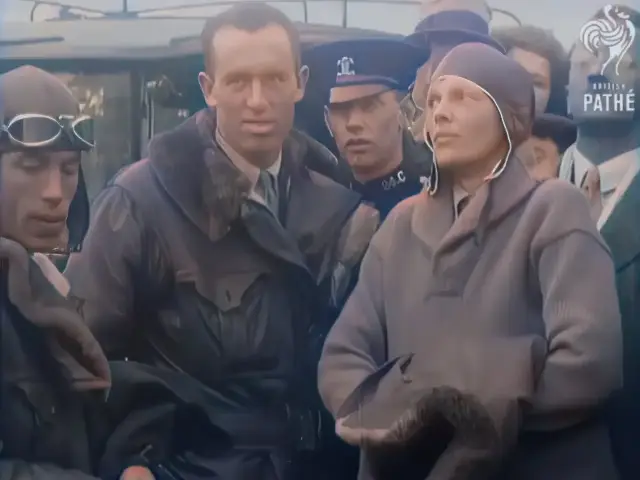
On June 18, 1928, Amelia Earhart landed at Burry Port, Wales, becoming the first woman to fly across the Atlantic Ocean.
On May 21, 1927, Charles Lindbergh landed the Spirit of St. Louis at Le Bourget, Paris, completing the first solo nonstop flight across the Atlantic.
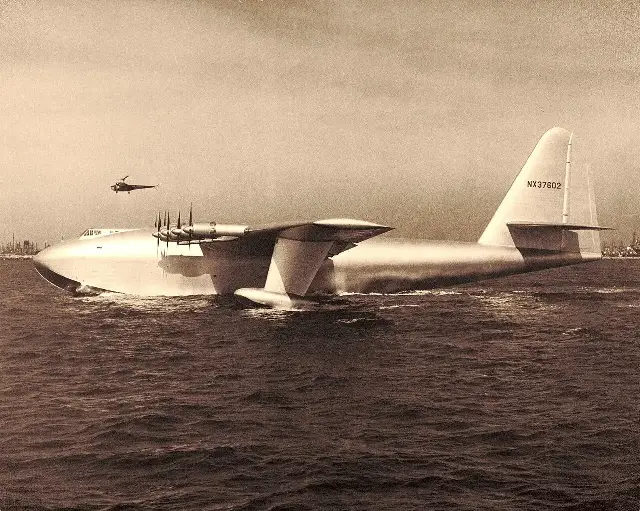
On November 2, 1947, Howard Hughes lifted the largest airplane ever built 70 feet over Long Beach Harbor for 26 seconds — its only flight, ever.
On October 14, 1947, Chuck Yeager flew faster than sound with two broken ribs and a sawed-off broom handle — then the world wasn't told for months.
On May 20, 1927, Charles Lindbergh took off from Roosevelt Field for the first solo nonstop transatlantic flight, landing in Paris 33½ hours later.
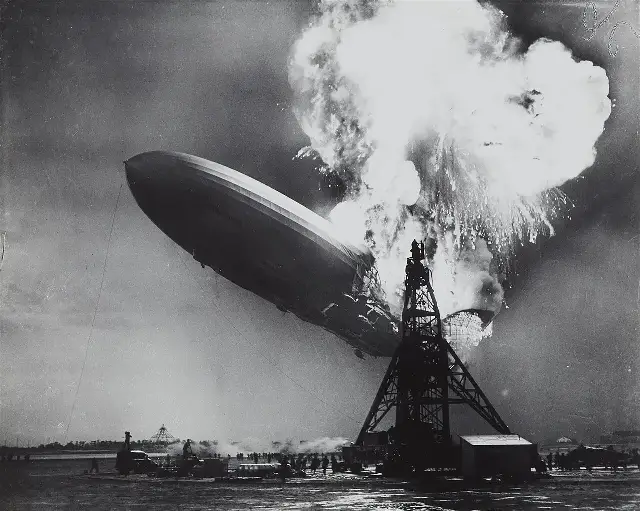
On May 6, 1937, the German airship Hindenburg caught fire while landing at Lakehurst, New Jersey, killing 36 people and ending the age of the passenger airship.
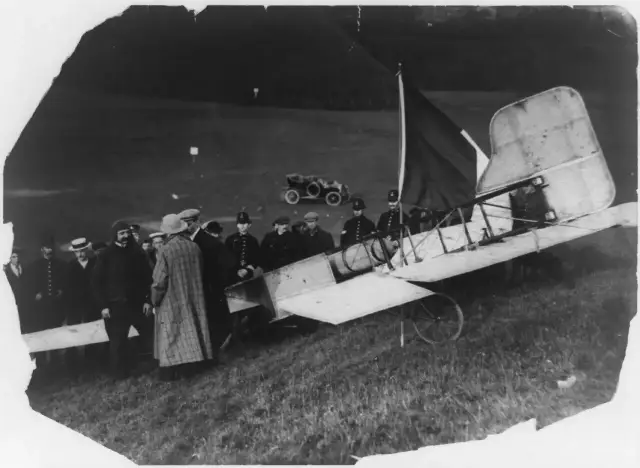
On July 25, 1909, Louis Blériot took off from Calais at dawn and landed near Dover 36 minutes later — the first airplane flight across the English Channel.
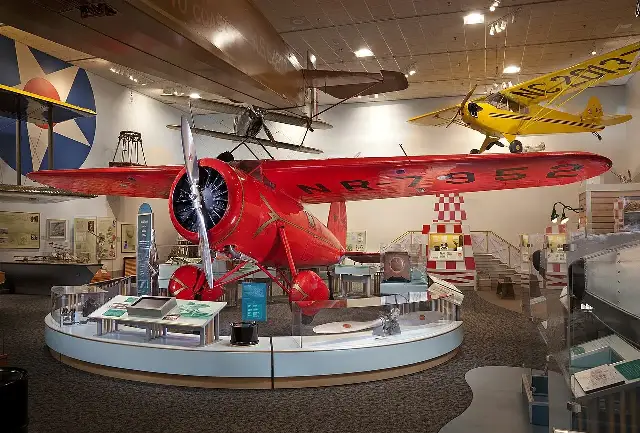
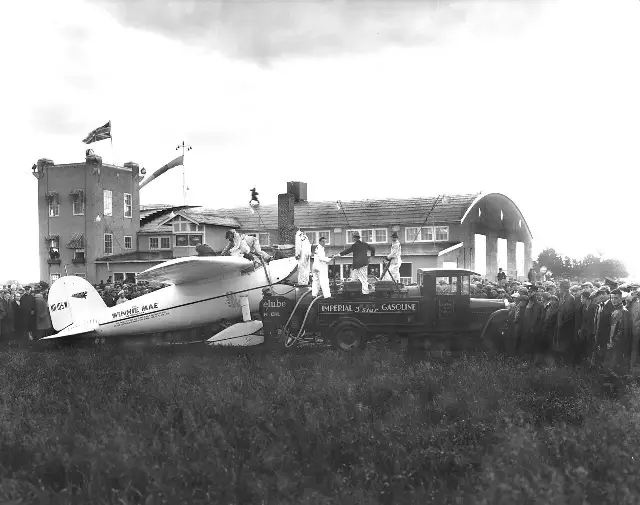
On July 22, 1933, one-eyed aviator Wiley Post landed his Lockheed Vega, the Winnie Mae, in New York — completing the first solo flight around the world in 7 days, 18 hours, 49 minutes.