United Artists: The Day the Stars Took Over Hollywood
On February 5, 1919, Charlie Chaplin, Mary Pickford, Douglas Fairbanks and D. W. Griffith founded United Artists so that artists — not studios — would control their films.
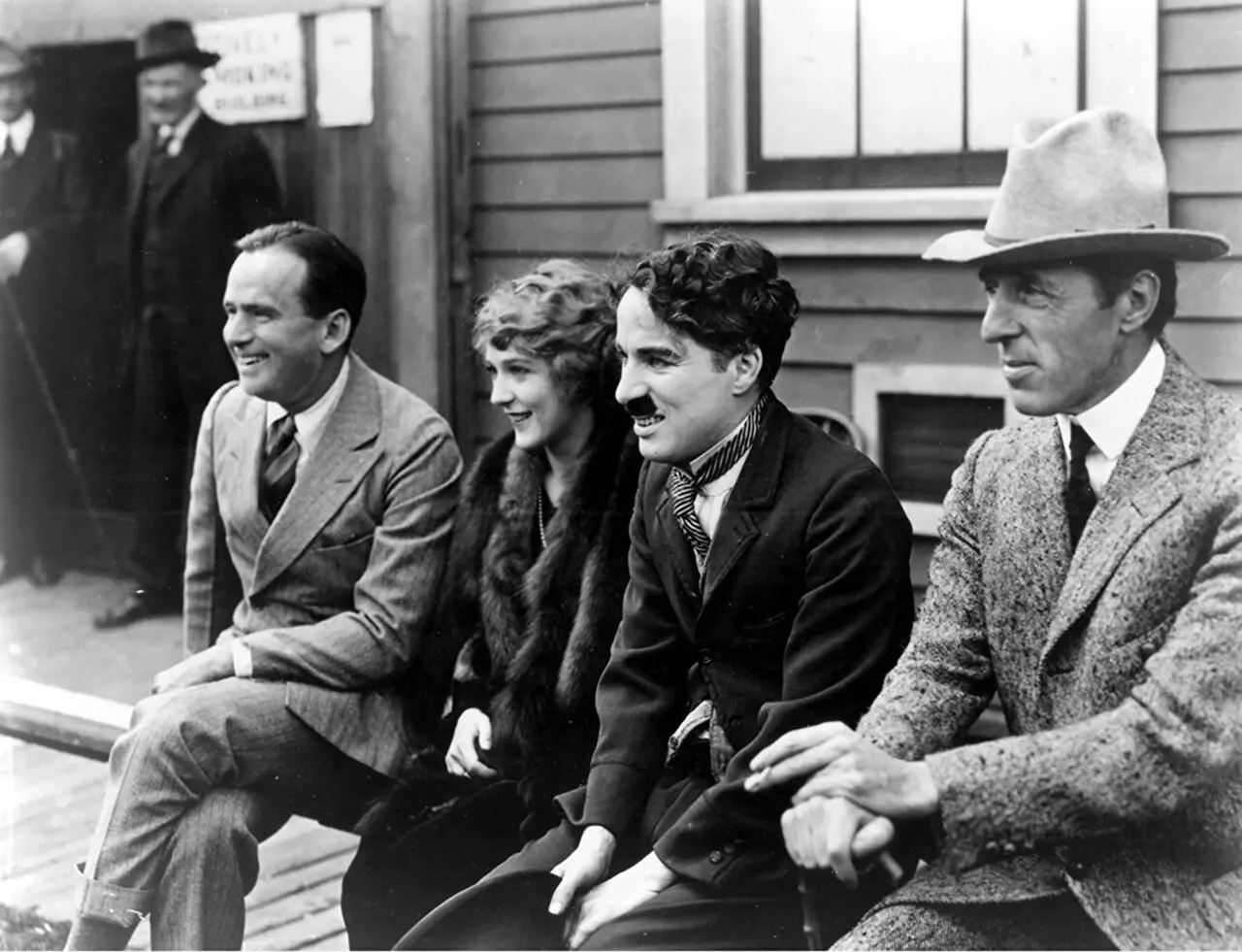
In 1919, the four most famous people in motion pictures decided their bosses were the problem — so they became their own bosses.
Charlie Chaplin, the Tramp, was the biggest star on earth. Mary Pickford, “America's Sweetheart,” was the most beloved actress in the world. Douglas Fairbanks was the screen's great swashbuckler. D. W. Griffith was the director who had shown what film could be. Together they were box-office gold — and they were furious. The big studios and distributors, led by Paramount's Adolph Zukor and the First National combine, were tightening their grip on salaries and dictating what artists could make.
So on February 5, 1919, the four signed the papers creating the United Artists Corporation. The terms were a declaration of independence: each founder put up $100,000 and took a quarter of the company's preferred shares, while their adviser — former Treasury Secretary William Gibbs McAdoo — took a fifth of the common stock. United Artists would not be a studio in the old sense; it would distribute films the artists produced themselves, letting creators own their work instead of renting out their talent.
Hollywood's old guard was not amused. Richard A. Rowland, head of Metro Pictures, is said to have sneered: “The inmates are taking over the asylum.”
The logic was brutally simple: audiences paid to see Chaplin, Pickford, Fairbanks, and Griffith — not a studio logo. If the four biggest draws in the business distributed their own pictures, they kept the profits and the final cut. It was the first time in film history that the talent, rather than the money men, owned the means of distribution — a revolt not of workers but of the industry's most valuable property: its stars.
Each founder had a personal grievance. Chaplin, the most meticulous filmmaker of his generation, chafed at release schedules set by accountants. Pickford and Fairbanks — the era's golden couple — wanted control over the stories they told. Griffith wanted final cut. United Artists promised all of it: make the picture you want, and the company you own will put it in theaters.
Why does it matter? United Artists was the first great artist-run company in American film — the ancestor of every independent studio and every creator who has ever fought to own their work. Its releases would include landmarks of silent cinema, and the company survived, in various forms, for a century. The inmates, it turned out, knew exactly what they were doing.
Photo: Public domain (via Wikimedia Commons)