February 6, 1918: The Day Millions of British Women Won the Vote
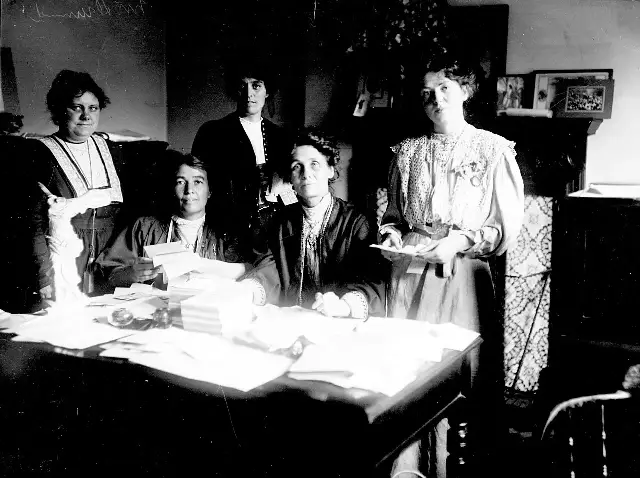
On February 6, 1918, the Representation of the People Act received Royal Assent, giving British women the parliamentary vote for the first time.


On February 6, 1918, the Representation of the People Act received Royal Assent, giving British women the parliamentary vote for the first time.
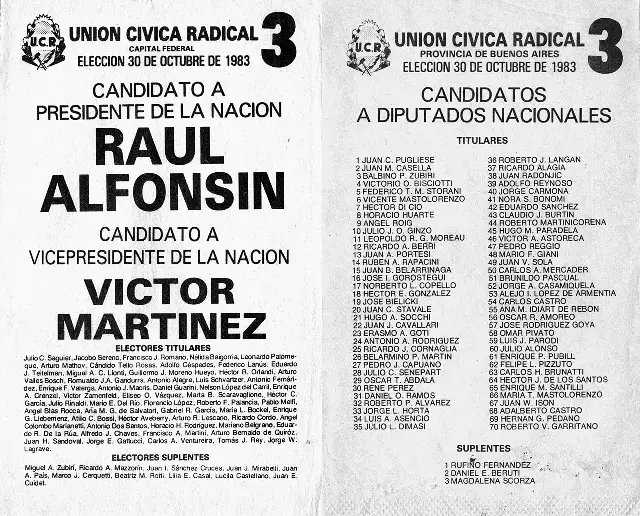
On October 30, 1983, Argentines voted in their first free election in a decade, choosing Raul Alfonsin and ending seven years of military dictatorship.
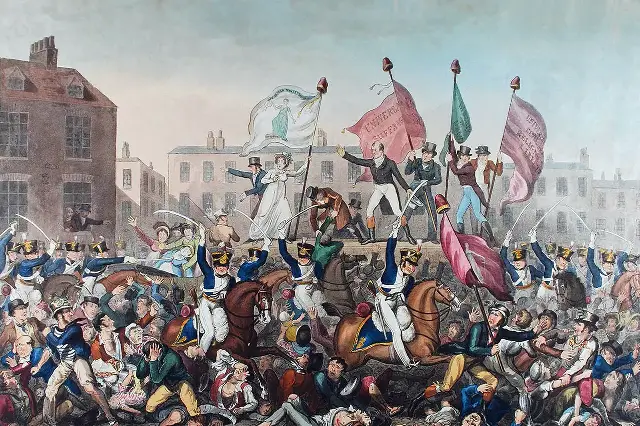
On August 16, 1819, cavalry charged a peaceful crowd of 60,000 demanding parliamentary reform in Manchester, killing about 18 people at Peterloo.
On November 23, 2003, Georgia's Eduard Shevardnadze resigned after three weeks of peaceful protests, ending the bloodless Rose Revolution.
On July 10, 1991, Boris Yeltsin took the oath in the Kremlin Palace — the first presidential inauguration in Russia's history.
On February 2, 1990, South African president F. W. de Klerk stunned parliament by unbanning the ANC and announcing Nelson Mandela's release, starting the end of apartheid.
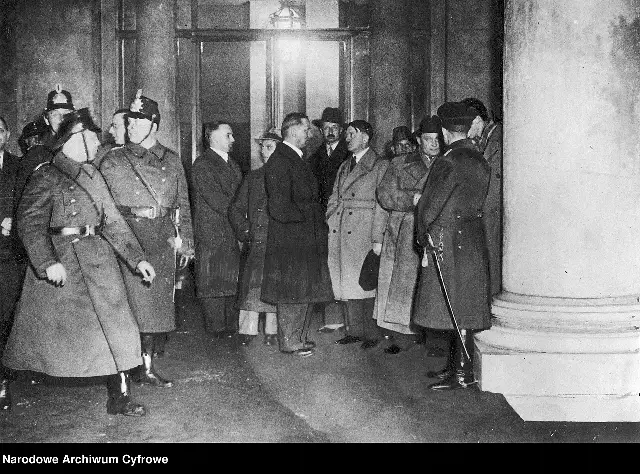
On February 27, 1933, arson gutted Germany's parliament building, and the Nazis used the Reichstag fire as the pretext to suspend civil liberties and cement their power.
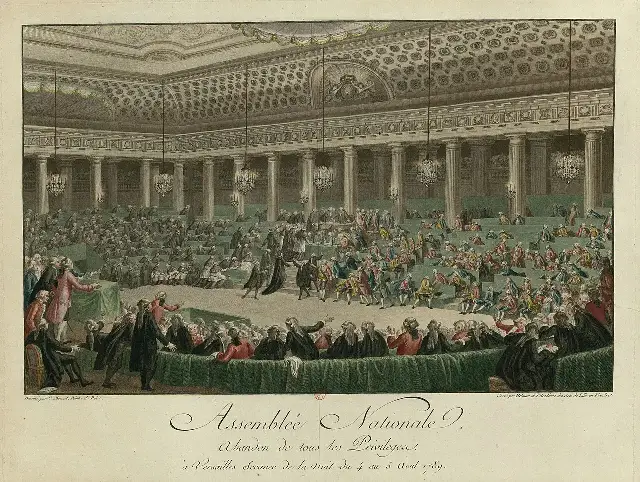
On the night of August 4, 1789, France's National Assembly voted to abolish feudalism — ending centuries of noble privilege in a single electrifying session.
On February 25, 1986, Corazon Aquino was sworn in as president of the Philippines, capping the peaceful People Power Revolution that ended Ferdinand Marcos's two-decade rule.
On December 9, 1990, shipyard electrician Lech Walesa won Poland's first free presidential election with 74 percent of the vote.
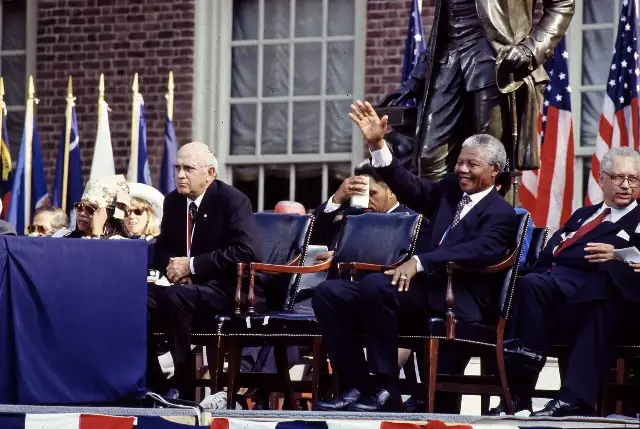
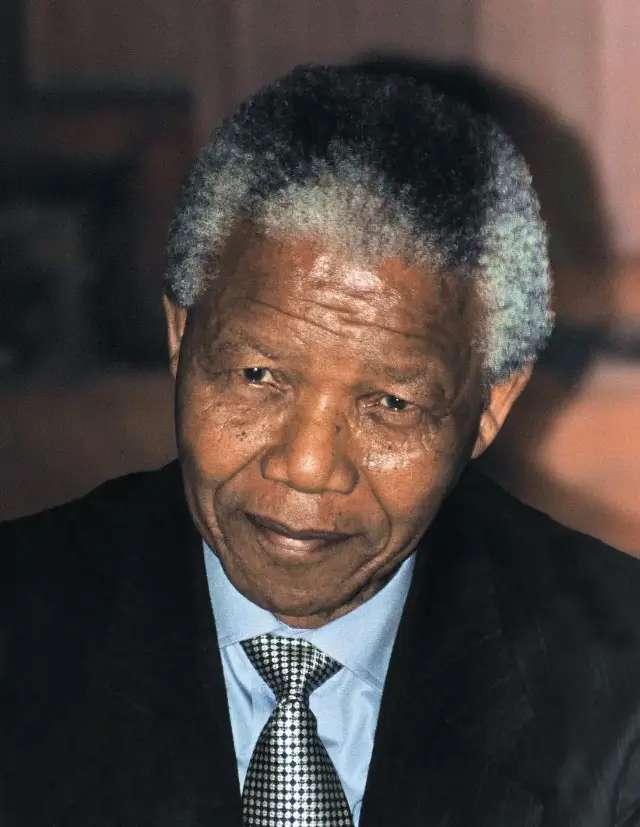
On May 10, 1994, Nelson Mandela was sworn in as South Africa's first Black president before dignitaries from more than 140 countries, ending apartheid's political order.
On April 25, 1974, two coded songs on Portuguese radio launched the Carnation Revolution, ending nearly 50 years of dictatorship in under a day.
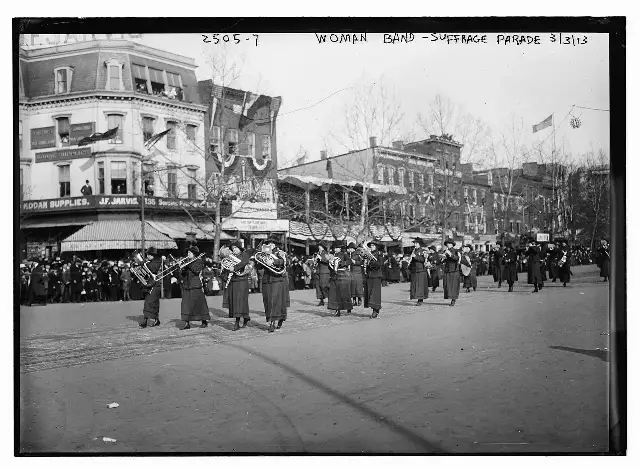
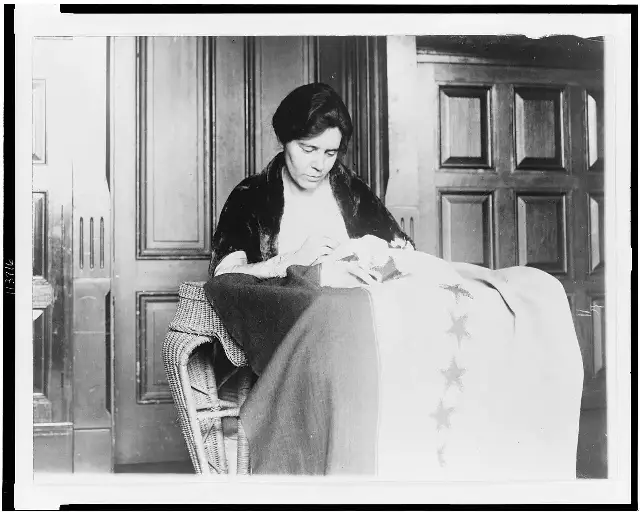
On August 26, 1920, Secretary of State Bainbridge Colby certified the 19th Amendment, making women's suffrage the law of the land after a 72-year struggle.
On August 18, 1920, a 24-year-old Tennessee legislator changed his vote and put women's suffrage into the U.S. Constitution.
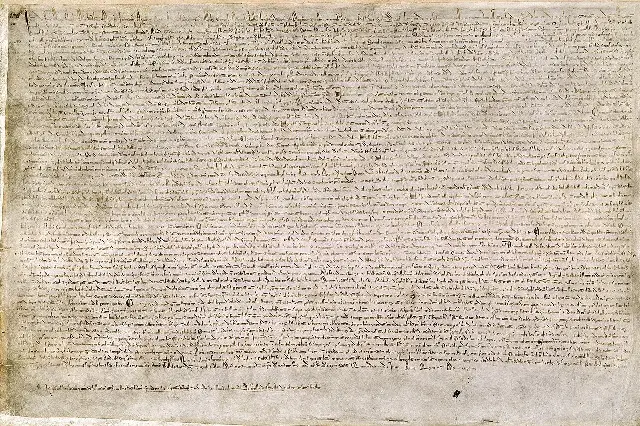
On June 15, 1215, King John of England was forced to seal Magna Carta at Runnymede, the first great written limit on a ruler's power.
On April 27, 1994, millions of Black South Africans voted for the first time in the election that ended apartheid.
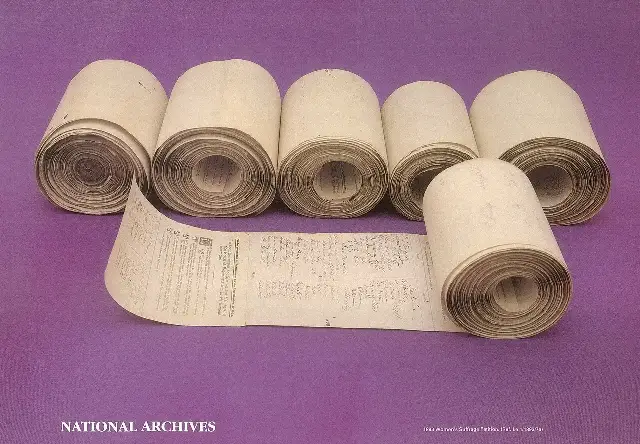
On September 19, 1893, New Zealand became the first country in the world where all women could vote in national elections — after Kate Sheppard's campaign gathered nearly 32,000 signatures.