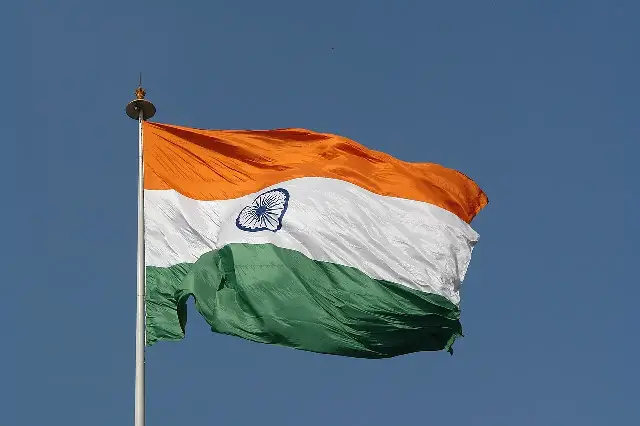
The Flag Adopted 23 Days Before Freedom
On July 22, 1947, India's Constituent Assembly adopted the tricolor — saffron, white and green with the Ashoka Chakra — as the flag of a nation still weeks from independence.


On July 22, 1947, India's Constituent Assembly adopted the tricolor — saffron, white and green with the Ashoka Chakra — as the flag of a nation still weeks from independence.
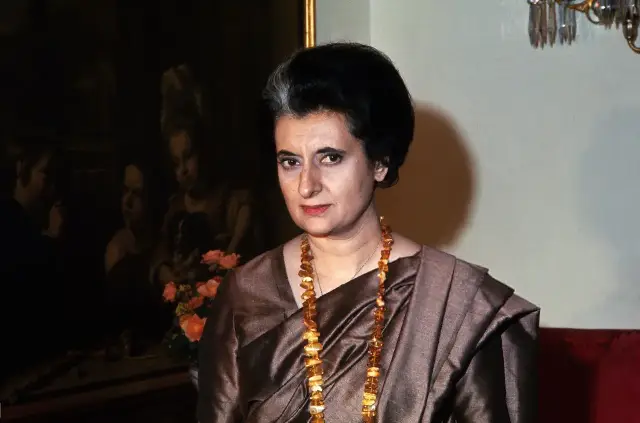
On January 19, 1966, Indira Gandhi won a secret ballot to lead India, becoming the first woman to govern the world's largest democracy.
On March 14, 1931, crowds mobbed Bombay's Majestic Cinema for Alam Ara, India's first sound film — a lost treasure that launched an industry.
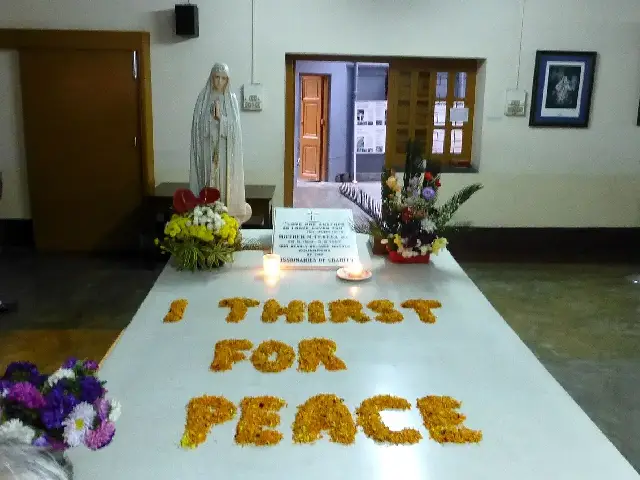
On October 7, 1950, Mother Teresa's new order, the Missionaries of Charity, was officially established in Calcutta — and grew from thirteen sisters into one of the world's largest charities.
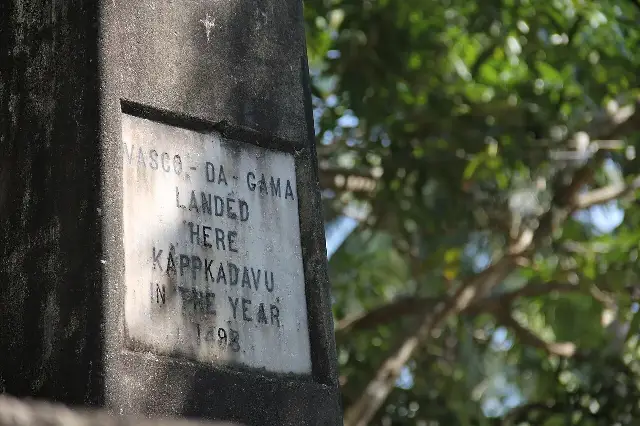
On May 20, 1498, Vasco da Gama's ships anchored off Calicut, India — completing the first sea voyage from Europe to Asia and changing world trade forever.
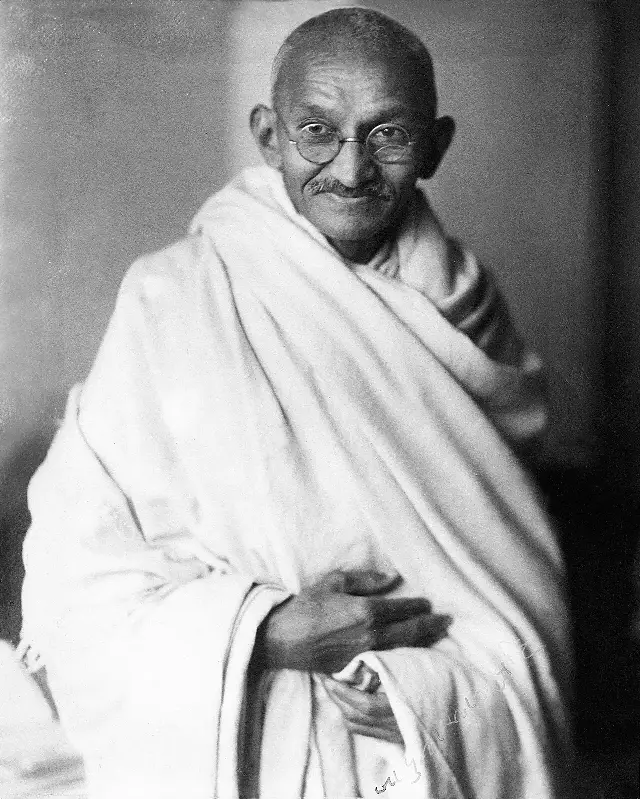
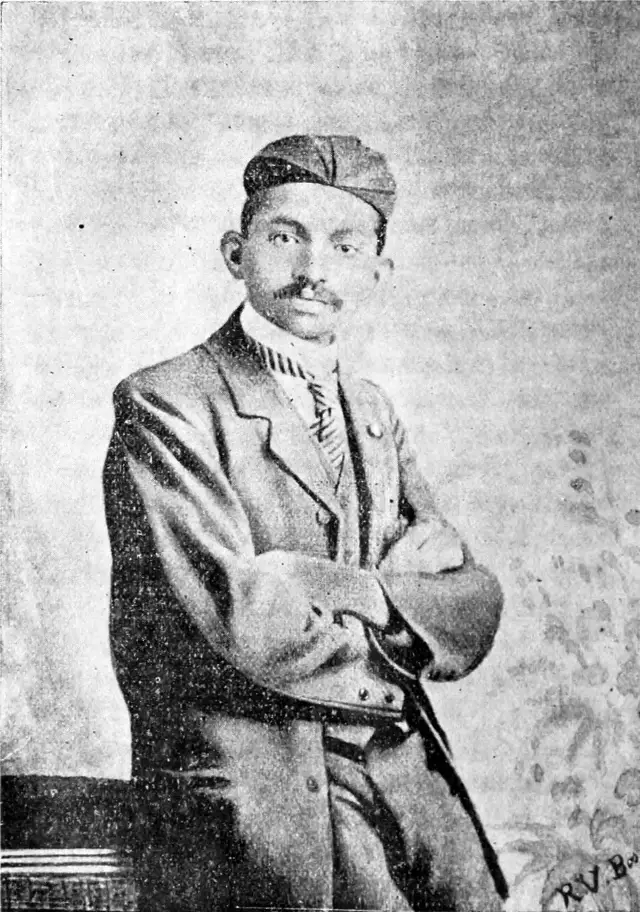
On October 2, 1869, Mohandas Gandhi was born in Porbandar, India — and the shy boy no one expected much of grew into the leader who freed a nation without firing a shot.
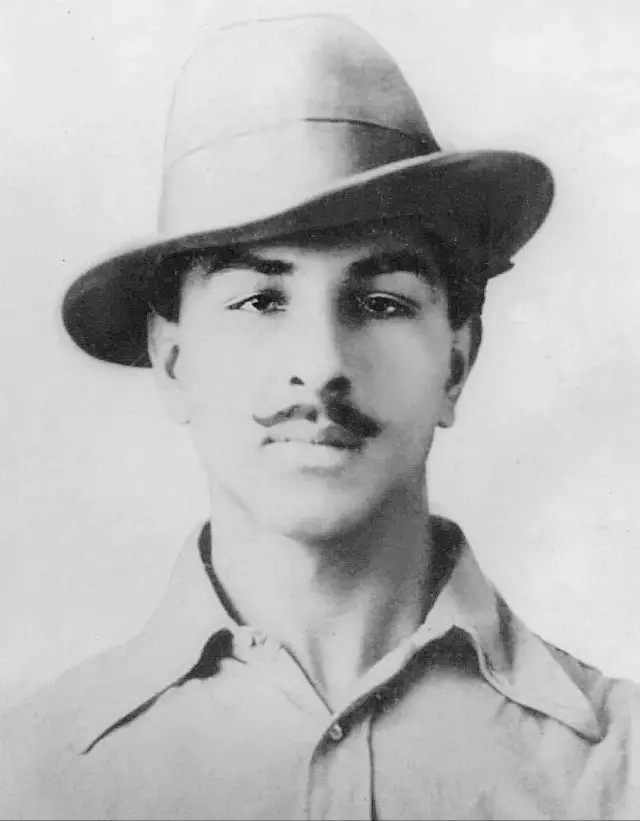
On March 23, 1931, Britain hanged 23-year-old Bhagat Singh in Lahore — and accidentally created modern India's most beloved martyr.
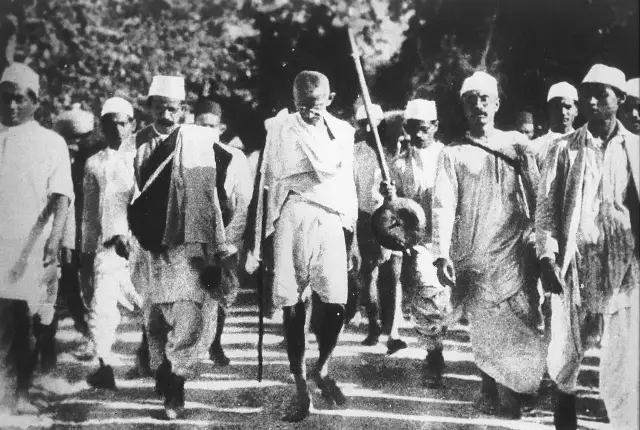
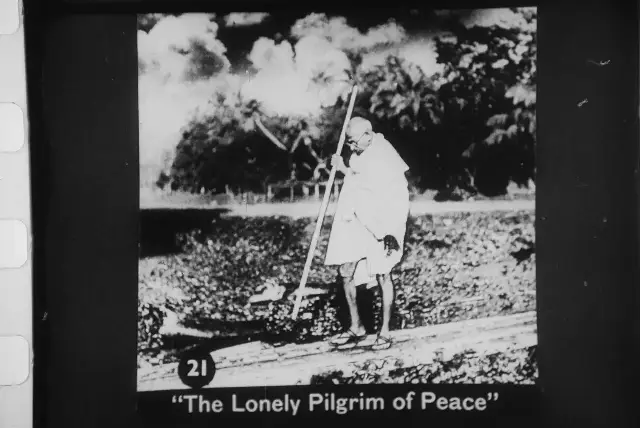
On April 6, 1930, Mahatma Gandhi broke Britain's salt laws at Dandi, ending a 24-day, 240-mile march that electrified India's independence movement.
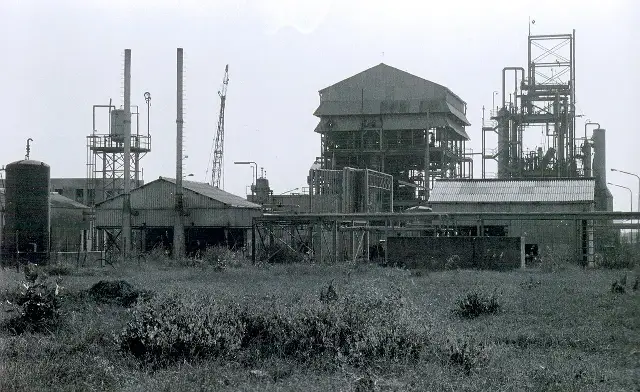
On December 3, 1984, a methyl isocyanate leak at a Union Carbide pesticide plant in Bhopal, India, became the worst industrial disaster in history.
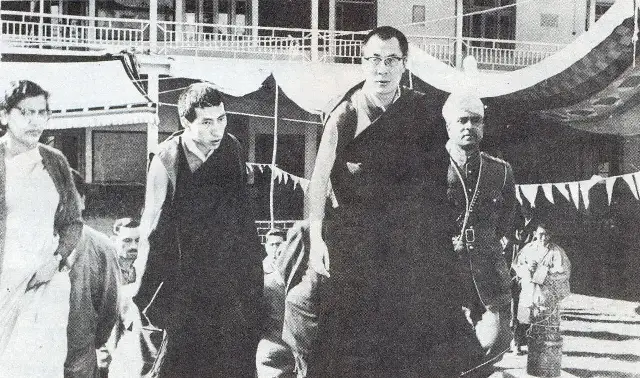
On March 31, 1959, the 14th Dalai Lama crossed into India after a two-week escape across the Himalayas, beginning an exile that continues today.
On June 7, 1893, a 24-year-old lawyer named Mohandas Gandhi was thrown off a train for refusing to leave a whites-only compartment — a humiliation that set him on the path to changing history.
On January 30, 1948, Mahatma Gandhi was assassinated at a prayer meeting in New Delhi, ending the life of the leader who guided India's freedom struggle.
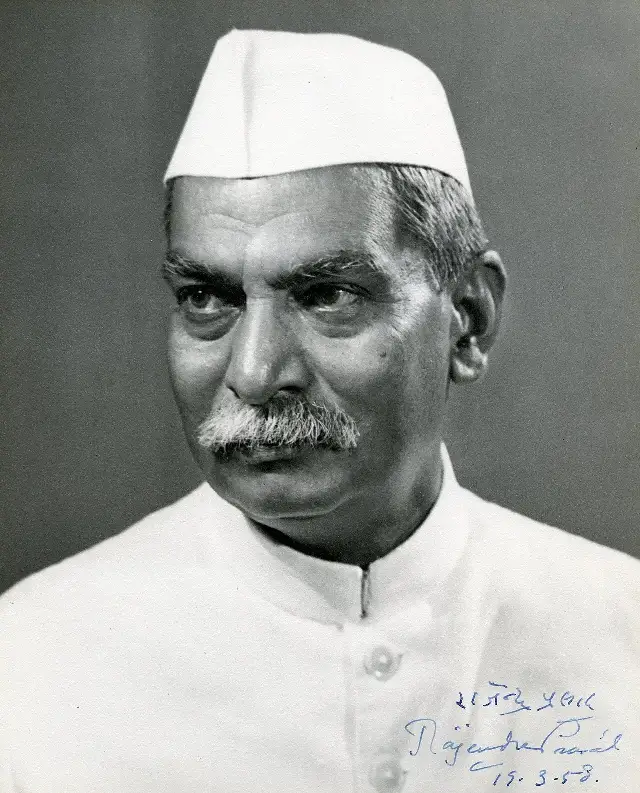
On January 26, 1950, India's new constitution took effect, making the country a republic with Rajendra Prasad as its first president.
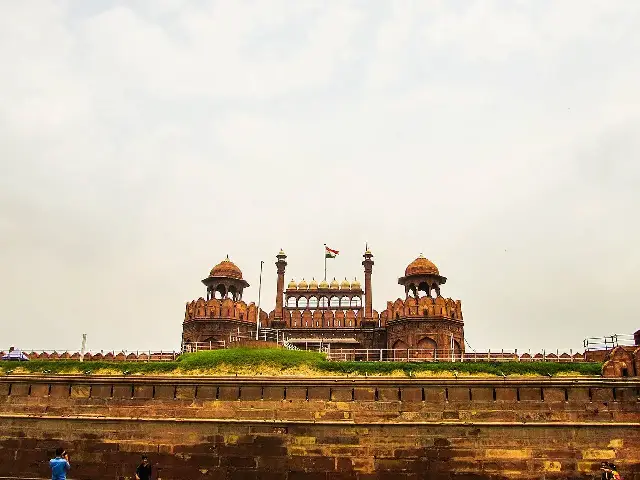
On August 15, 1947, India became an independent nation, ending nearly two centuries of British colonial rule.