The Shout That Made a Nation — Chile's First Cry of Freedom
On September 18, 1810, more than 400 of Santiago's leading citizens acclaimed a new governing junta, launching Chile's independence and the holiday Chileans still celebrate as Fiestas Patrias.
The summons was polite. The shouting was not.
On the morning of September 18, 1810, more than 400 of Santiago's most prominent citizens filed into the halls of the Royal Tribunal of the Consulate for an "open cabildo" — a town meeting with a guest list. Chile was in crisis. Napoleon had invaded Spain, deposed King Ferdinand VII, and put his own brother Joseph on the Spanish throne. If the king was a prisoner, who had the right to rule Chile?
The governor, Mateo de Toro Zambrano, an 82-year-old nobleman known as the Count of la Conquista, opened the session — and then did something extraordinary. Tradition holds that he laid down his staff of office, the symbol of his authority, and resigned on the spot, inviting the assembly to do with it, and with the command, as they saw fit.
What followed was carefully stage-managed — and completely revolutionary. The assembly's secretary confirmed the resignation, and then the city attorney, José Miguel Infante, rose to propose the answer: a governing junta, a council to rule Chile in the king's name. The hall erupted. "¡Junta queremos! ¡Junta queremos!" — "We want a junta! We want a junta!" The motion carried by acclamation.
By 3 p.m., Chile had its First Government Junta, with the elderly Toro Zambrano as its president and the Bishop of Santiago, José Martínez de Aldunate, as vice president, plus five councilors and two secretaries. The church bells rang. The streets filled with fiestas and dancing — the first celebration of what would become Chile's national holiday.
Make no mistake: the junta swore loyalty to Ferdinand VII. But everyone understood what had really happened. For the first time since the conquest, Chileans — not Spanish appointees — were governing Chile. The junta opened trade, expanded the army, called for a national congress, and set Chile on the road that would lead, through years of war, to Bernardo O'Higgins' declaration of independence in 1818 and victory at Maipú.
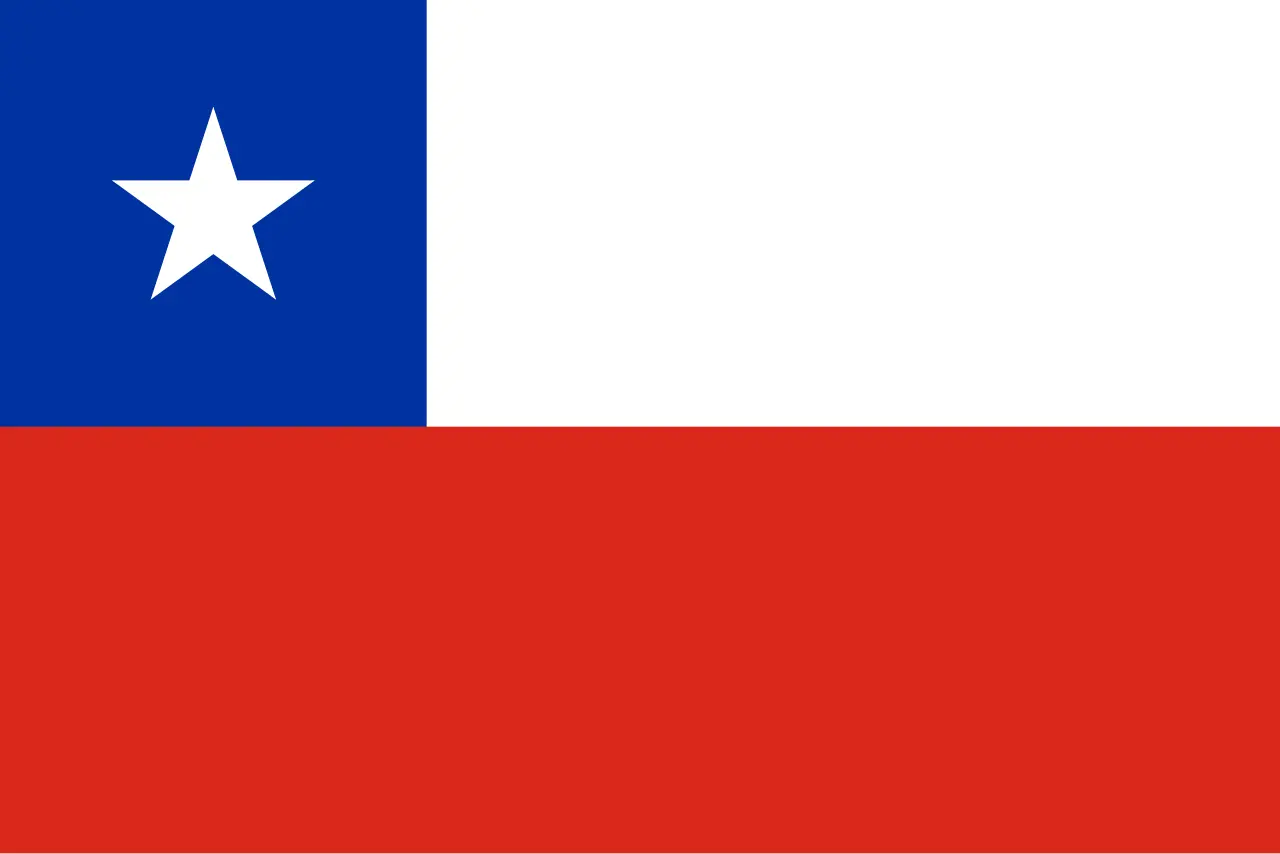
That is why September 18 is Chile's great national holiday — the Fiestas Patrias, "El Dieciocho." Every year, Chileans raise the flag (by law, every home must fly one), build ramadas and fondas, dance the cueca, eat empanadas, drink chicha, and cheer the huaso horsemen. On September 19, the army parades through O'Higgins Park in a tradition of military display.
It matters because some nations are born in battles and some in declarations — but Chile was born in a shout. Four hundred men in a borrowed hall, yelling for a junta in the name of an imprisoned king, set in motion the independence of a nation. Every September, Chile still shouts back.
Photo: Flag of Chile, public domain (per Chilean law), via Wikimedia Commons. (No verifiable landscape public-domain image of the 1810 cabildo itself could be confirmed, so the national flag is used.)