Sand Creek: The Massacre That Shamed a Nation
On November 29, 1864, some 675 U.S. volunteer cavalrymen attacked a peaceful Cheyenne and Arapaho village at Sand Creek, killing roughly 150 people — most of them women, children, and the elderly.
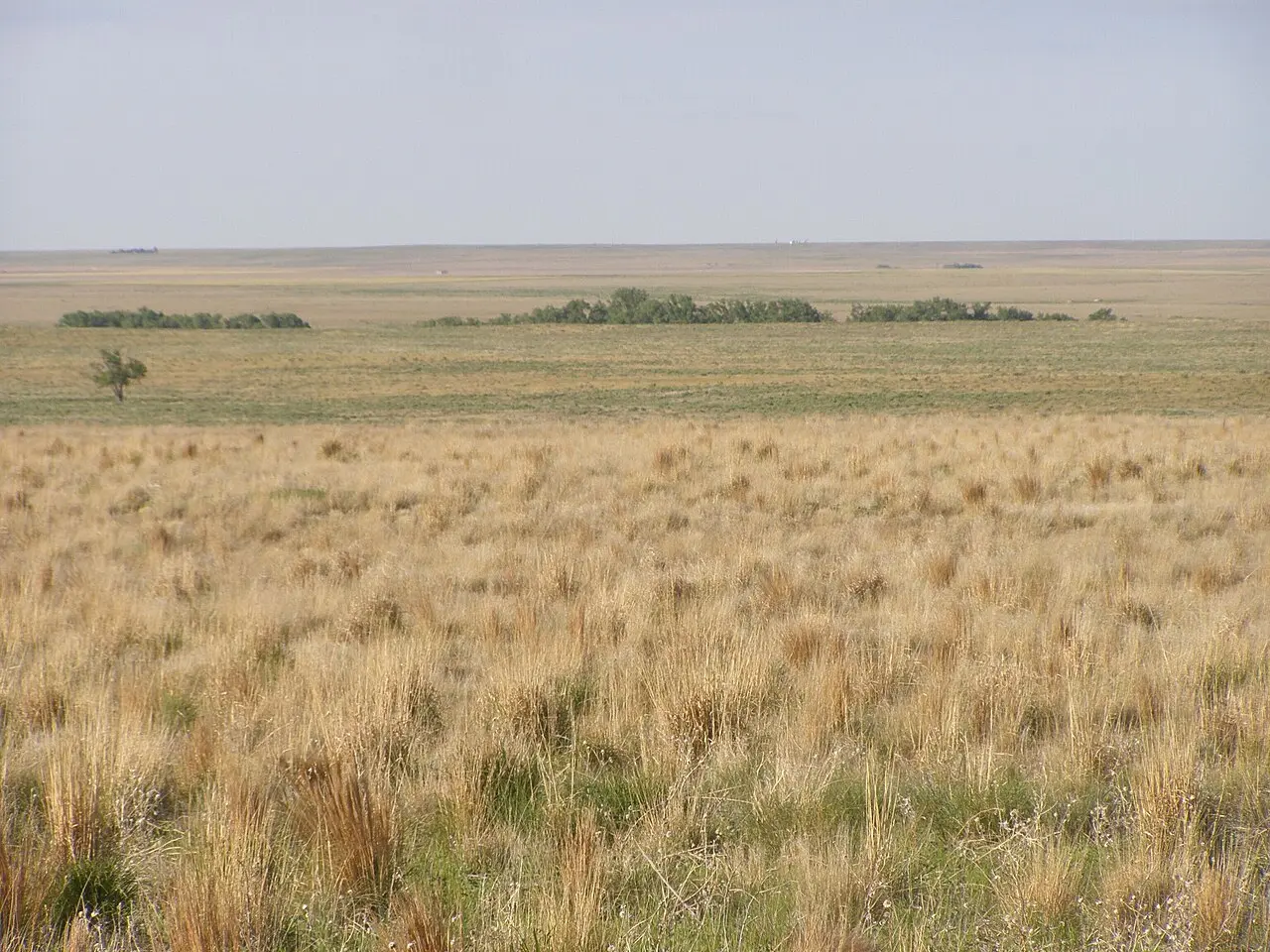
It began at dawn. On November 29, 1864, roughly 675 men of the Third Colorado Cavalry, commanded by Colonel John M. Chivington, rode into a village of some 700 Cheyenne and Arapaho people camped along Sand Creek in the southeastern Colorado Territory.
This was not a village at war. Its leader, Chief Black Kettle, had spent months seeking peace with the Americans, and the camp flew an American flag alongside a white flag of truce — the villagers believed they were under United States protection. Tensions had been rising across the Colorado frontier all year, with raids and retaliation on both sides, but Black Kettle's people had chosen the safety the territorial authorities had promised them.
The attack came anyway. Small arms and howitzer fire drove the people from their lodges; while many escaped the first onslaught, others fled up the dry streambed, and the soldiers followed, firing from both banks. Villagers frantically dug pits and trenches in the sandy earth for shelter, and the soldiers brought the howitzers forward to blast them out of their improvised defenses. Over about eight hours, the troops killed roughly 150 to 200 Cheyenne and Arapaho; Congress later found that about two-thirds of the dead were women, children, and the elderly. Chiefs who had worked for peace — including White Antelope — were among the slain. Black Kettle himself survived, only to be killed four years later at the Washita.
What followed the killing compounded the horror: the soldiers mutilated the dead and looted and burned the village before withdrawing. Chivington was first celebrated as a hero in Denver, but when the truth reached the East, the nation recoiled. Congressional and military investigations followed, Chivington resigned, and the massacre was condemned as one of the darkest episodes of the Indian Wars — a reminder, in Congress's words, of the tragic extremes sometimes reached in the centuries of conflict over the continent.
Sand Creek poisoned relations between the United States and the Plains tribes for a generation. Archaeologists confirmed the massacre site in 1999, and it is now the Sand Creek Massacre National Historic Site, authorized by Congress in 2000 and administered by the National Park Service — sacred ground to the descendants of the Cheyenne and Arapaho people, and a place of remembrance for all who perished there. In 2014, the site marked the 150th anniversary of the massacre with a formal remembrance.
Photo: Chris Light, CC BY-SA 4.0 (via Wikimedia Commons).