The Pale Blue Dot: Earth's Portrait From 6 Billion Kilometers
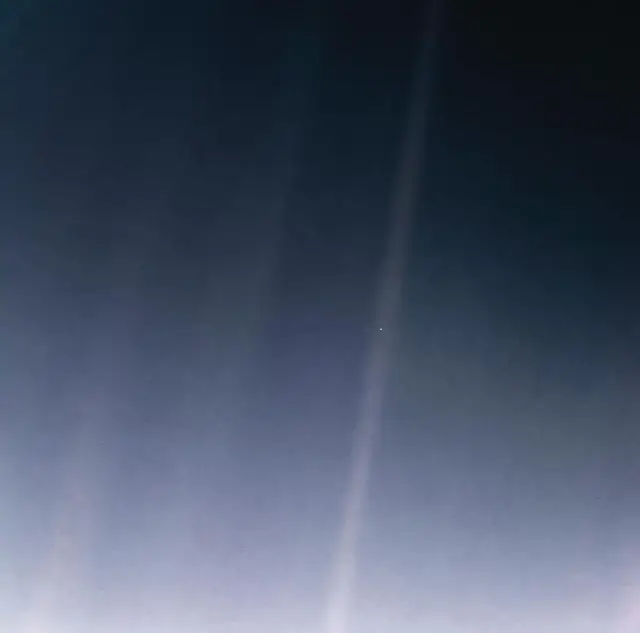
On Valentine's Day 1990, Voyager 1 turned its camera home one last time and photographed Earth as a single pale-blue pixel -- the most distant portrait of our planet ever taken.


On Valentine's Day 1990, Voyager 1 turned its camera home one last time and photographed Earth as a single pale-blue pixel -- the most distant portrait of our planet ever taken.
On February 15, 2013, a house-sized asteroid exploded over a Russian city with 30 times the force of Hiroshima -- and nobody saw it coming.
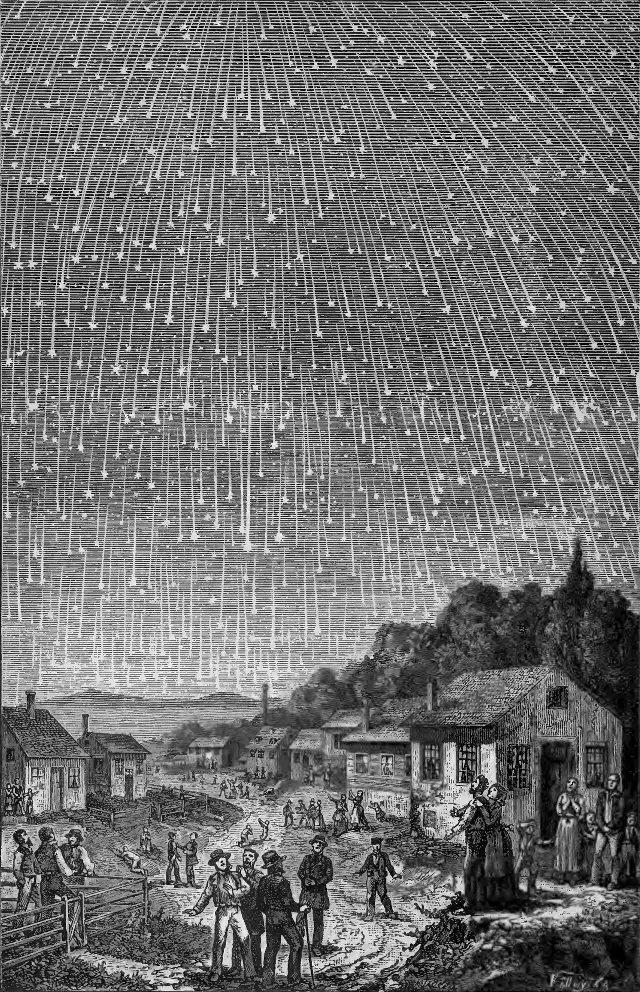
On the night of November 12-13, 1833, a colossal Leonid meteor storm terrified North America and gave Yale's Denison Olmsted the data to found meteor science.
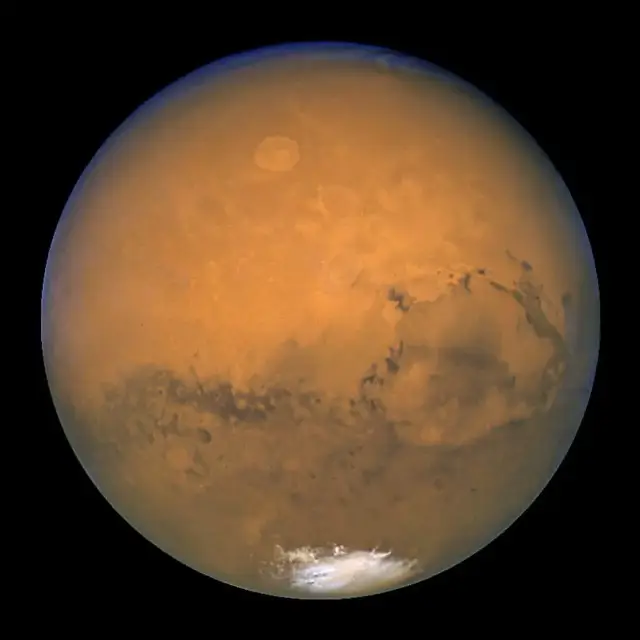
On August 27, 2003, Mars swung closer to Earth than it had in nearly 60,000 years — and millions of people stayed up to watch the red planet blaze.
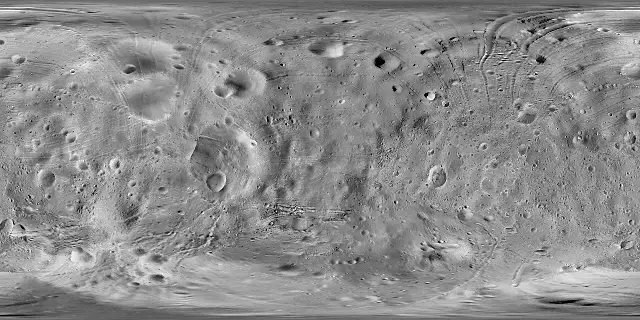
On August 18, 1877, astronomer Asaph Hall spotted Phobos, the larger of Mars's two tiny moons — a world slowly spiraling toward its doom.
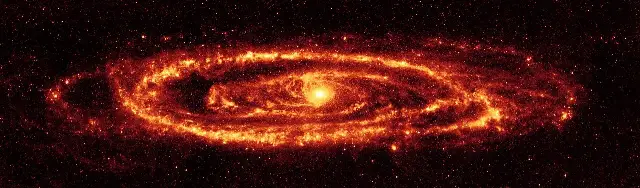
On November 23, 1924, the New York Times reported Edwin Hubble's proof that the 'spiral nebulae' were galaxies beyond the Milky Way — exploding the known universe overnight.
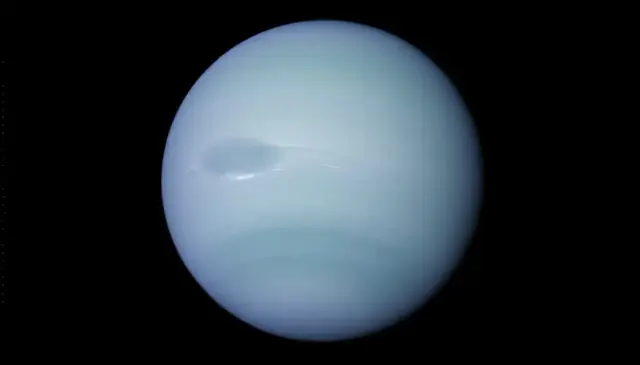
On the night of September 23, 1846, astronomers in Berlin pointed a telescope where mathematics said a planet must be — and found Neptune, less than a degree from the predicted spot.
On December 28, 1612, Galileo Galilei recorded the position of the planet Neptune for the first time — but mistook it for a fixed star and missed the discovery of his life.
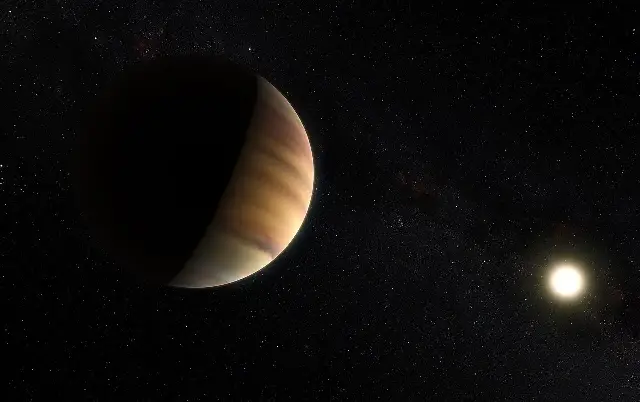
On October 6, 1995, two Swiss astronomers announced the first planet ever found around a Sun-like star — a scorching gas giant so close to its sun that it defied every theory of how planets form.
On October 4, 1582, the last day of the Julian calendar, Pope Gregory XIII's reform deleted ten days overnight — the next morning was Friday, October 15.
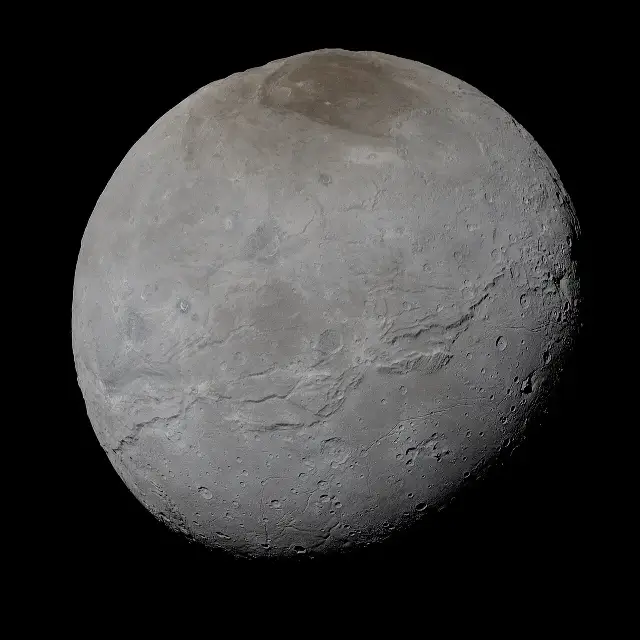
On June 22, 1978, astronomer James Christy spotted a tiny bulge in Pluto's image — a moon he named Charon, for his wife and mythology's ferryman of the dead.
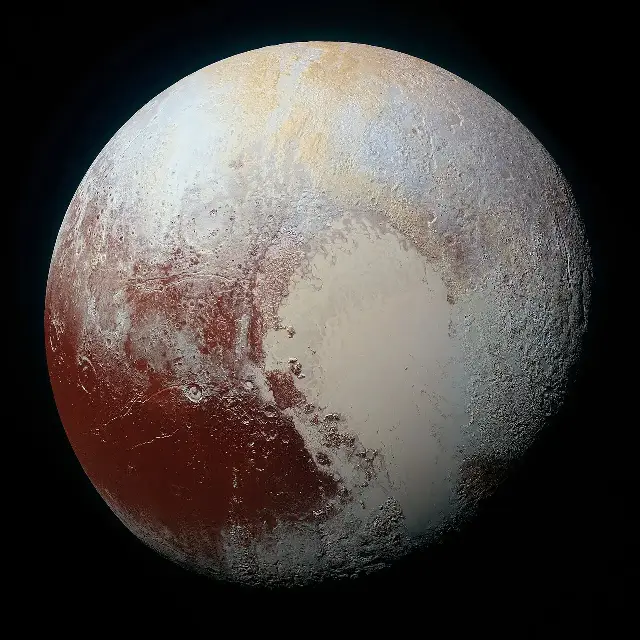
On August 24, 2006, astronomers in Prague voted to strip Pluto of its planet status — and the world has been arguing about it ever since.
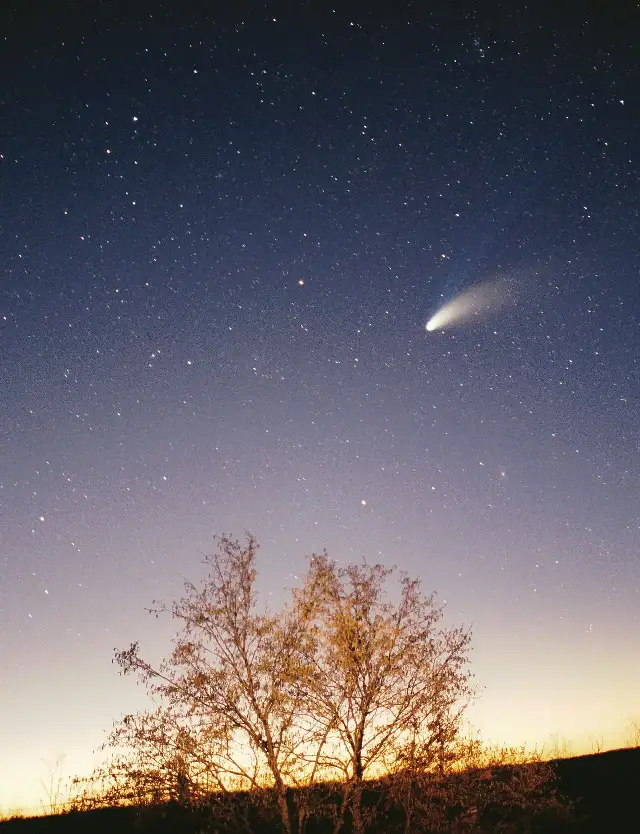
On March 22, 1997, Comet Hale-Bopp made its closest approach to Earth — the dazzling visitor that won't return for another 2,400 years.
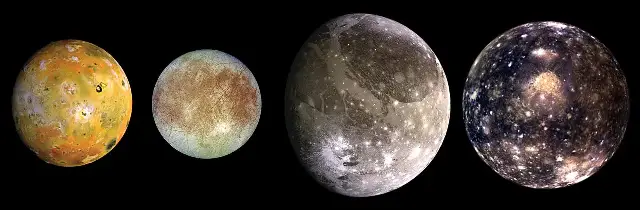
On January 7, 1610, Galileo Galilei aimed his homemade telescope at Jupiter and saw strange points of light — the first sighting of the four moons that helped topple the Earth-centered universe.
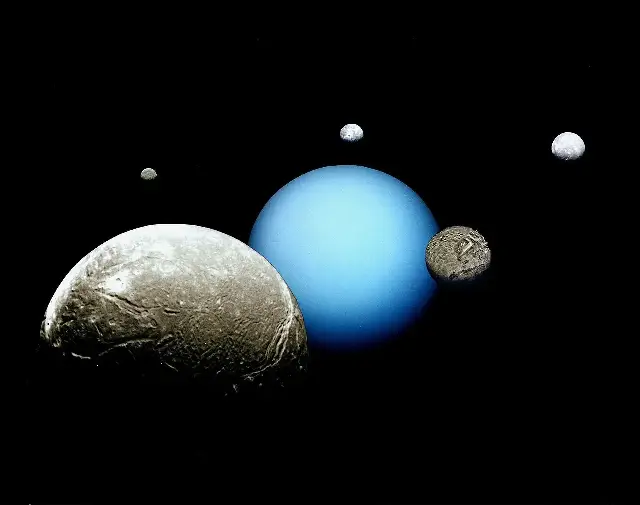
On March 13, 1781, amateur astronomer William Herschel spotted an odd greenish disk through his backyard telescope — and doubled the known size of the solar system.
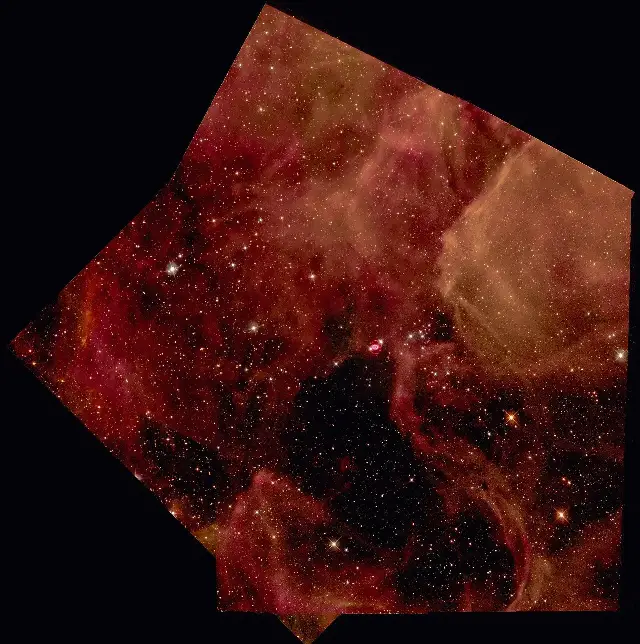
On February 23, 1987, light from an exploding star reached Earth, giving astronomers their first close-up study of a supernova in 383 years.
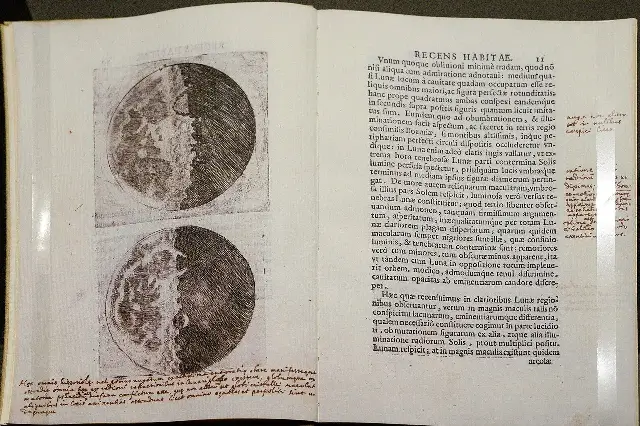
Galileo Galilei was born on February 15, 1564, in Pisa, the curious son of a musician who turned a telescope to the heavens and changed humanity's place in the universe.
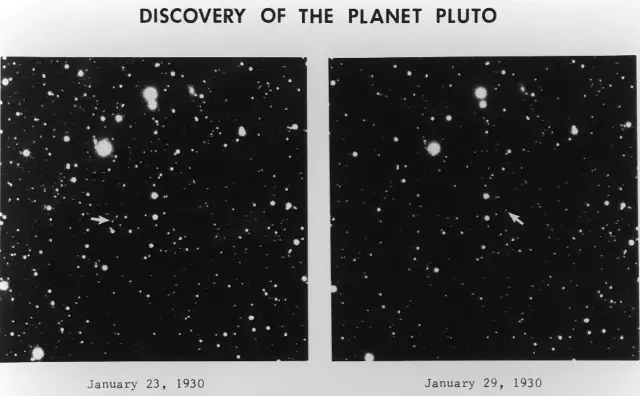
On February 18, 1930, 24-year-old Clyde Tombaugh, a self-taught farm boy from Kansas, spotted Pluto on photographic plates at Lowell Observatory in Arizona.