Sixty Years Ago: The Day England Won the World Cup
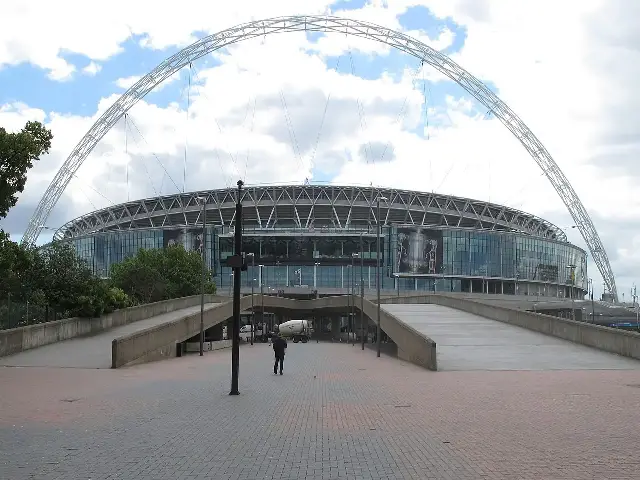
On July 30, 1966, England beat West Germany 4–2 after extra time at Wembley — the only World Cup the nation has ever won, before a record British TV audience.


On July 30, 1966, England beat West Germany 4–2 after extra time at Wembley — the only World Cup the nation has ever won, before a record British TV audience.
Tradition says William Shakespeare was born on April 23, 1564, and the record proves he died on April 23, 1616 — the most poetic coincidence in the life of the most quoted writer who ever lived.
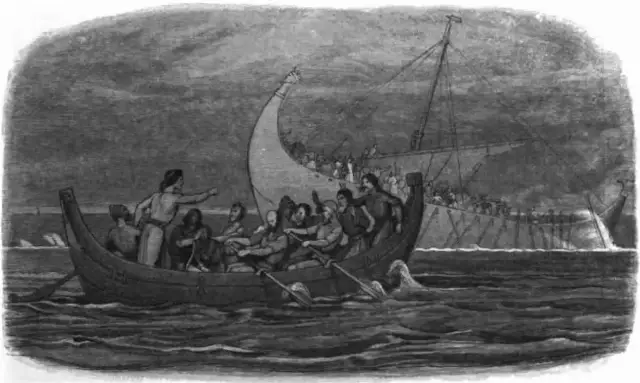
On November 25, 1120, the White Ship struck a rock off Normandy and sank with England's only legitimate heir aboard, dooming the Norman dynasty.
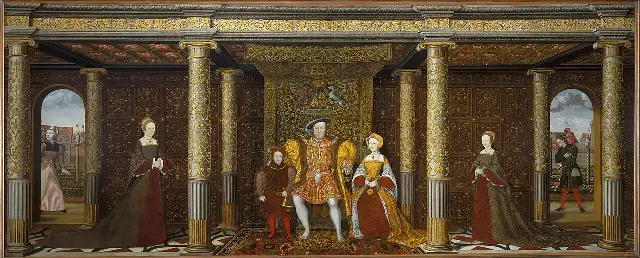
Henry VIII died in the early hours of January 28, 1547, leaving England — and its turbulent religious future — in the hands of his nine-year-old son Edward.
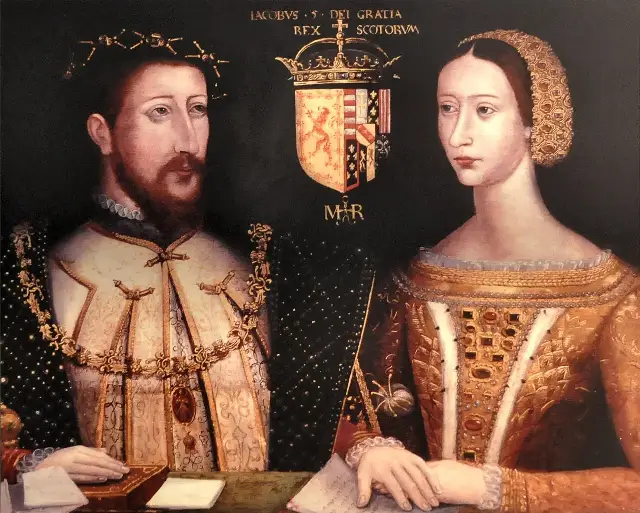
On November 24, 1542, an English force of 3,000 routed a Scottish army of up to 18,000 at Solway Moss — a humiliation that hastened a king's death.
On November 23, 1499, Perkin Warbeck — who spent years claiming to be a lost English prince — was hanged at Tyburn after a failed escape plot.
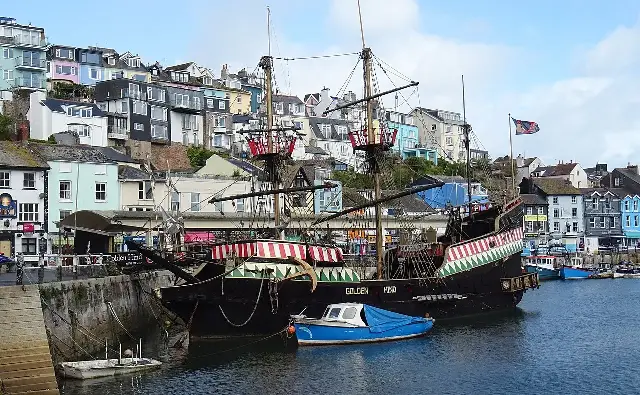
On September 26, 1580, the Golden Hind limped into Plymouth, completing the first English circumnavigation of the globe.
On May 23, 1701, Captain William Kidd was hanged at Execution Dock in London — though the rope broke on the first attempt, and historians still argue whether he was a pirate at all.
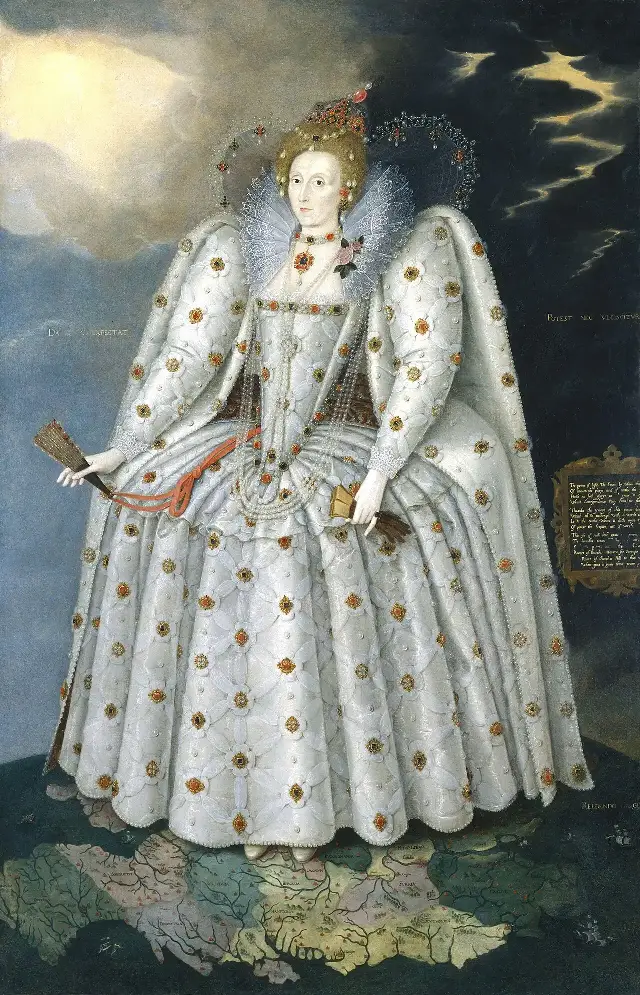
On November 17, 1558, Queen Mary I died at St James's Palace, and her half-sister Elizabeth — once imprisoned, once declared illegitimate — became queen of England.
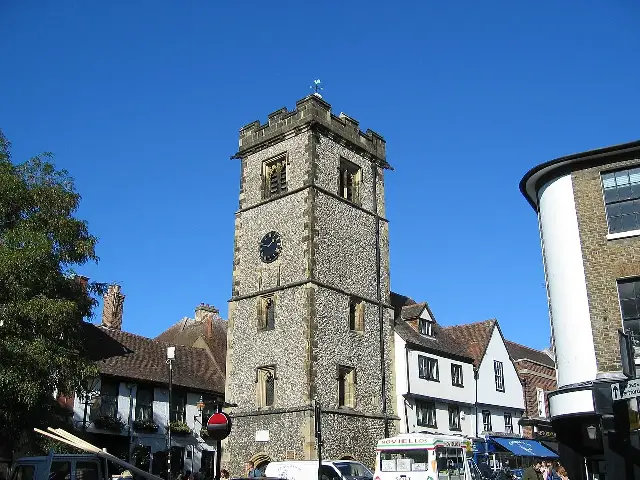
On May 22, 1455, Richard, Duke of York defeated King Henry VI's forces in a street battle at St Albans, firing the opening shot of the thirty-year Wars of the Roses.
On March 16, 1872, Wanderers beat the Royal Engineers 1–0 at Kennington Oval in the first FA Cup final — the match that started the world's oldest football competition.
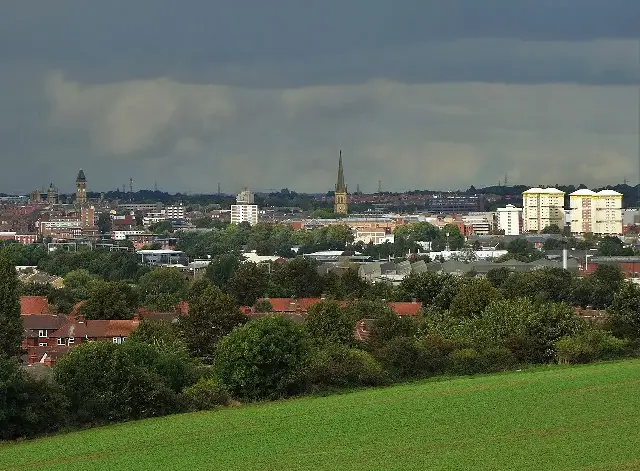
On December 30, 1460, Richard, Duke of York, died at the Battle of Wakefield — a Lancastrian triumph that pushed England's Wars of the Roses toward their bloodiest chapter.
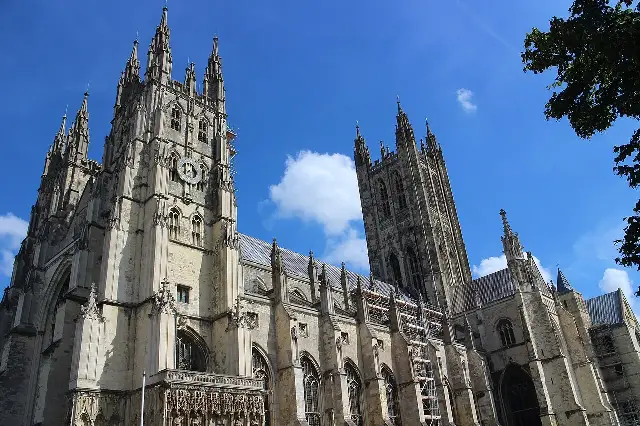
On December 29, 1170, four knights of Henry II murdered Archbishop Thomas Becket inside Canterbury Cathedral — a killing that horrified Christendom.
On December 28, 1065, Edward the Confessor's great new abbey at Westminster was consecrated — eight days before the king's death, planting the seed of a thousand years of English history.
On August 1, 1907, Robert Baden-Powell opened an experimental camp for about twenty boys on Brownsea Island — the week that launched the worldwide Scout movement.
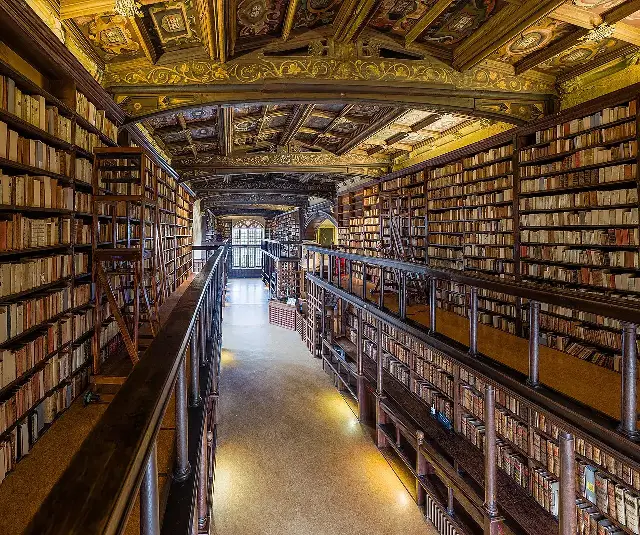
On November 8, 1602, Thomas Bodley reopened Oxford's ruined university library with about 2,000 books — the rebirth of the Bodleian Library.
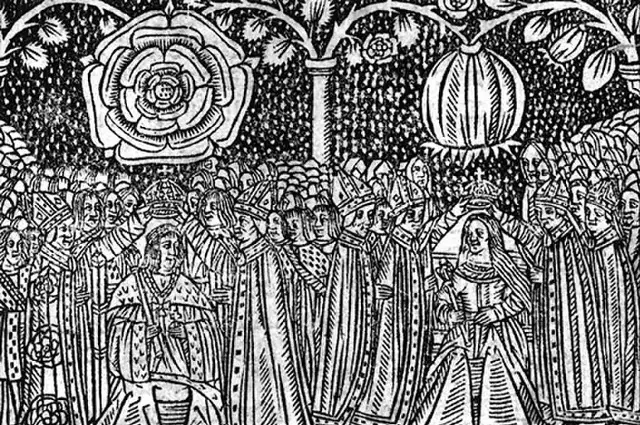
On June 24, 1509, Henry VIII and Catherine of Aragon were crowned together at Westminster Abbey in a ceremony England would not repeat for nearly 200 years.
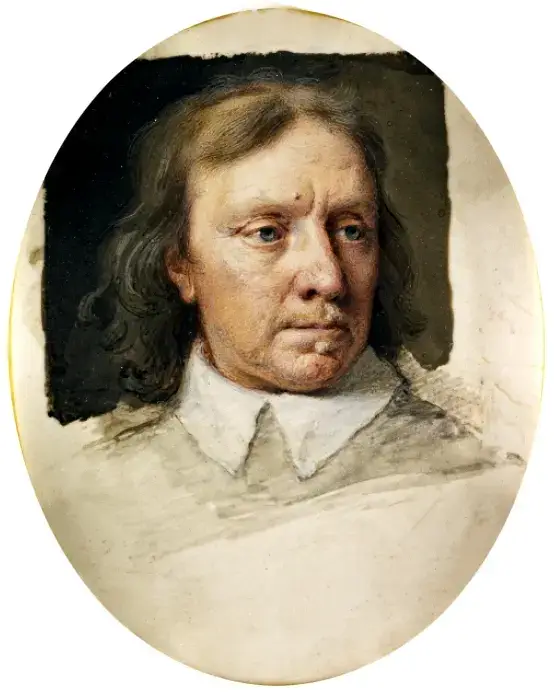
On March 19, 1649, England's House of Commons voted to abolish the House of Lords, declaring it 'useless and dangerous' — seven weeks after executing King Charles I.
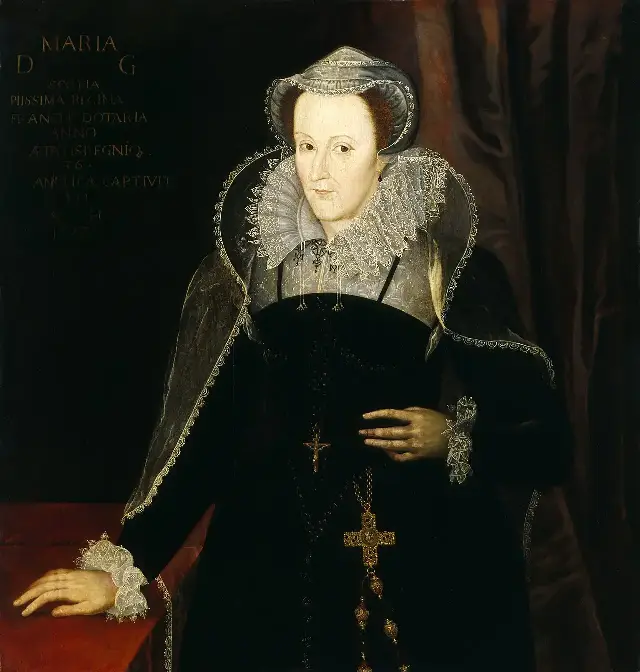
On February 8, 1587, Mary, Queen of Scots was beheaded at Fotheringhay Castle after nineteen years as Elizabeth I's prisoner.
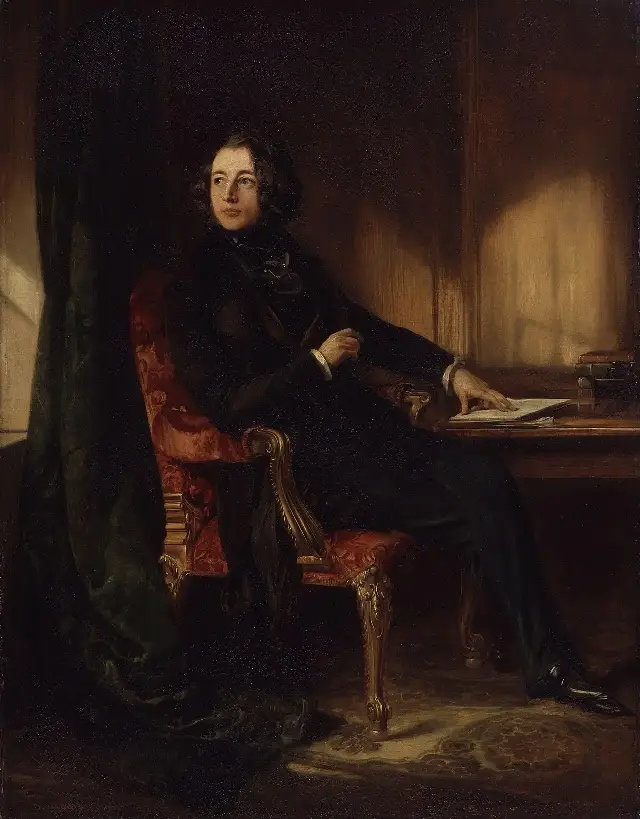
On February 7, 1812, Charles Dickens was born in Portsmouth, England, and grew up to become the Victorian era's most beloved novelist.
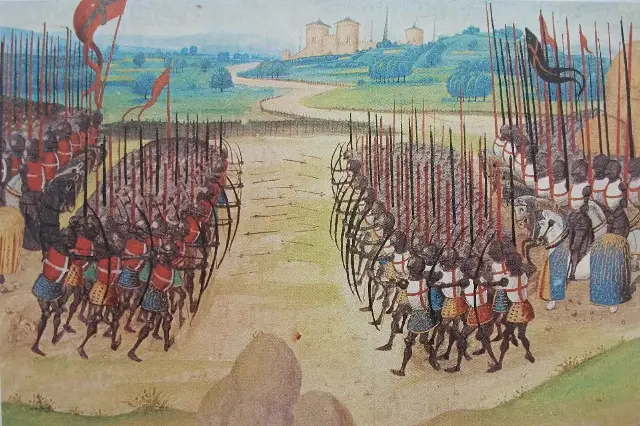
On October 25, 1415, a starving English army faced a French force three times its size — and won one of history's most famous battles.
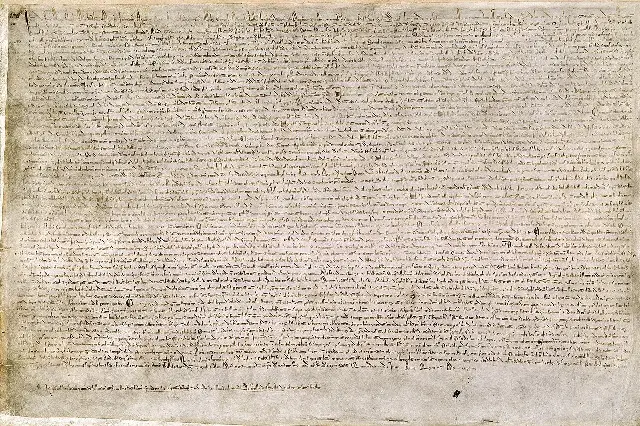
On June 15, 1215, King John of England was forced to seal Magna Carta at Runnymede, the first great written limit on a ruler's power.
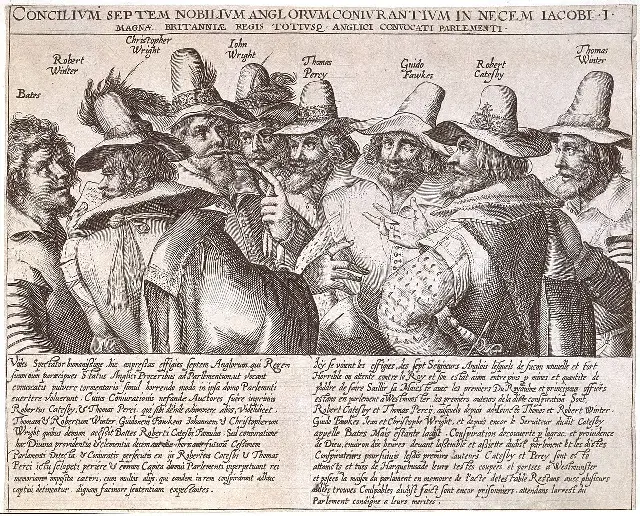
In the early hours of November 5, 1605, guards found Guy Fawkes with 36 barrels of gunpowder beneath Parliament — and England has lit bonfires every year since.
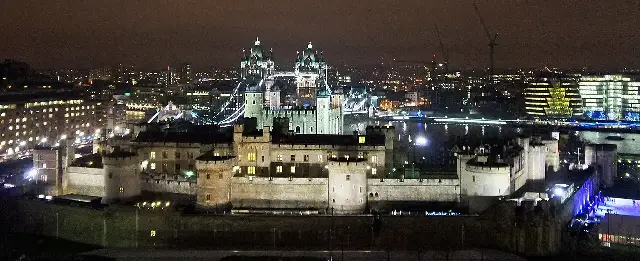
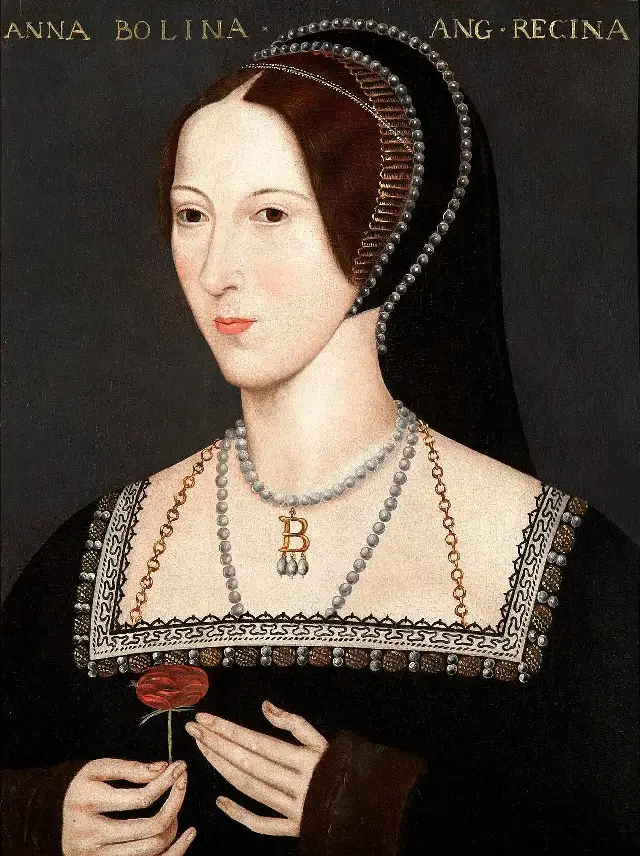
On May 19, 1536, Anne Boleyn — Henry VIII's second wife — was beheaded at the Tower of London on charges now widely believed to be false.
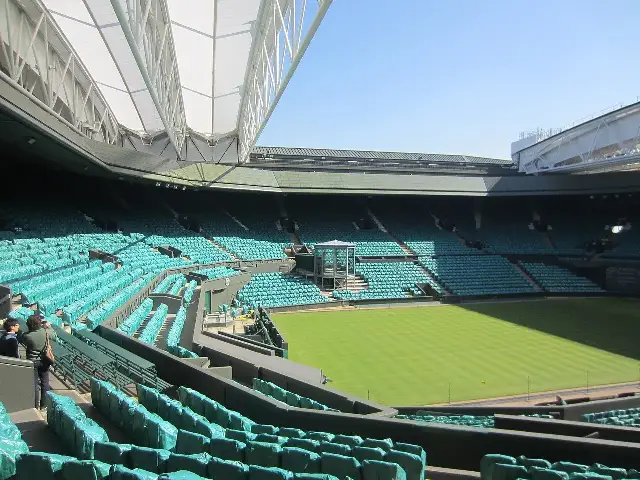
In July 1877, a cash-strapped London club staged a tournament to fix its lawn roller — and accidentally founded the world’s greatest tennis championship.
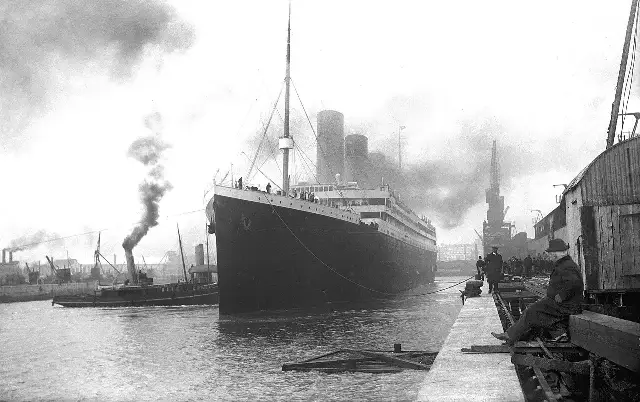
On April 10, 1912, the Titanic departed Southampton on her maiden voyage to New York, five days before the iceberg that made her a legend.
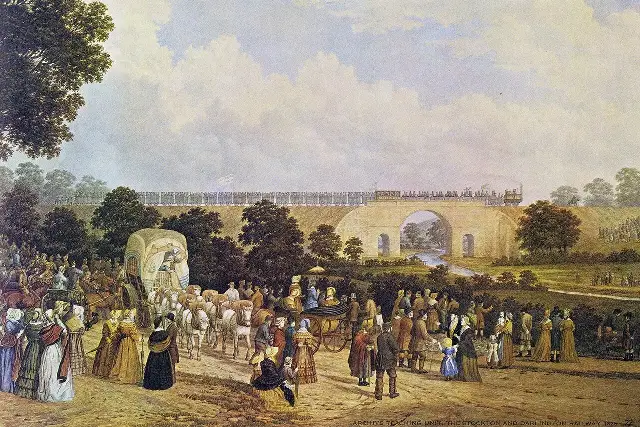
On September 27, 1825, George Stephenson's Locomotion steam locomotive hauled a cheering crowd through the English countryside — and the railway age began.