The Shipwreck That Sank a Dynasty: The White Ship, 1120
On November 25, 1120, the White Ship struck a rock off Normandy and sank with England's only legitimate heir aboard, dooming the Norman dynasty.
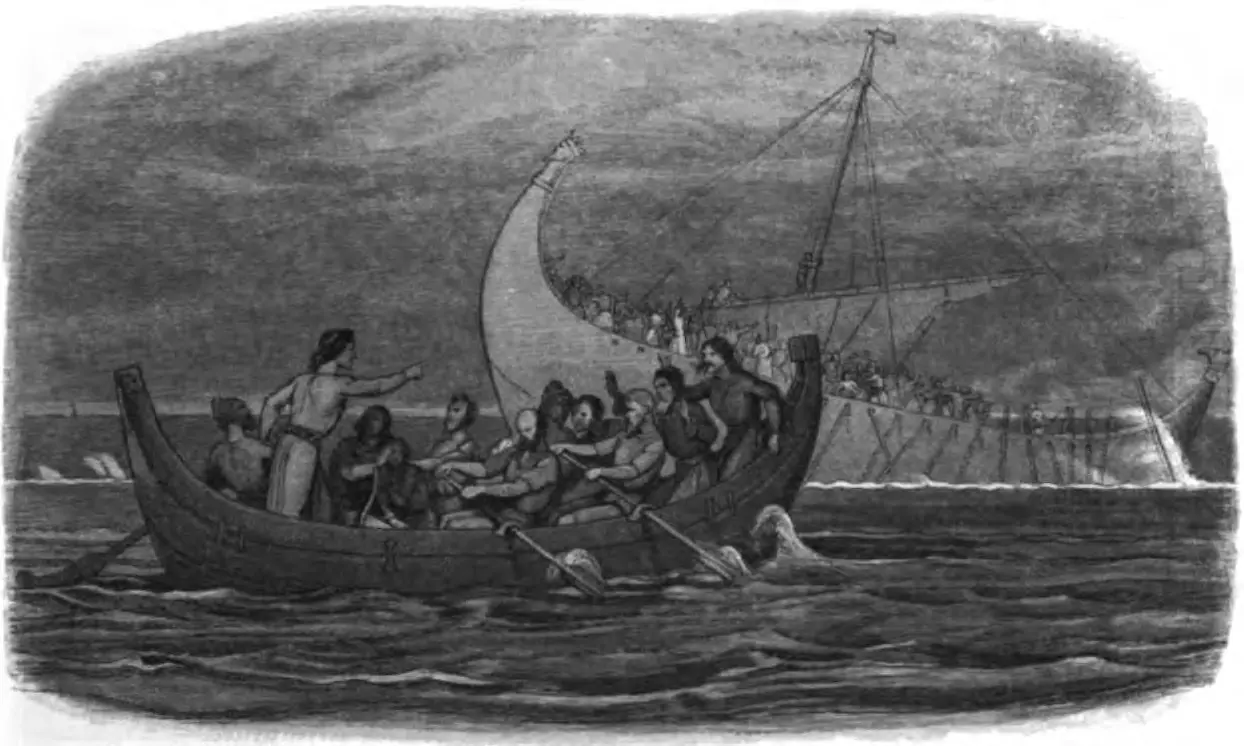
On the night of November 25, 1120, the harbor at Barfleur on the Normandy coast rang with celebration. King Henry I of England was sailing home after putting down a rebellion in Normandy, and his fleet was loading for the Channel crossing. One ship stood out: a splendid new vessel called the White Ship, offered to the king by her captain, Thomas FitzStephen — whose own father had once ferried William the Conqueror across these same waters.
Henry declined passage for himself and sailed ahead in another ship. But he let his heir sail aboard the White Ship: his 17-year-old son William Adelin, his only legitimate son, along with a glittering company of young nobles — his half-sister Matilda, the Countess of Perche, his half-brother Richard, the young Earl of Chester, royal household officers, and dozens of crewmen. For Henry, the crossing was routine: the Channel was his highway, and the voyage home from a successful campaign should have been a triumph. Before departure, the young aristocrats demanded that casks of wine be brought aboard, and the mood turned loud and rowdy. The ship sailed late, in darkness, her crew and much of her company drunk.
The White Ship never cleared the bay. Racing to overtake the king's fleet, she struck a submerged rock off Barfleur and quickly broke apart in the icy water. The young heir made it into a lifeboat — and then ordered the rowers back to rescue his half-sister, the Countess of Perche. The desperate survivors thrashing in the water swamped the boat, and William Adelin drowned alongside her. Of the roughly 300 people aboard, only one survived the night: a butcher from Rouen named Berold, who clung to a piece of wreckage until morning. Nearly everything we know about that night comes from his account and the writings of the chronicler Orderic Vitalis.
No one dared tell the king at first, Orderic wrote. When Henry finally learned the news, his grief was terrible — and his dynasty's future was gone. Henry had spent years building the succession around his son. Fifteen years later, when the king himself died in 1135 with no clear heir, the result was a catastrophe he had tried so hard to prevent: his daughter Matilda and her cousin Stephen of Blois both claimed the crown, and England sank into nearly two decades of civil war known as the Anarchy.
The wreck of the White Ship was not a battle and not a treaty. It was one drunken night, one rock off the French coast, and one order to turn back. Yet it ended the Norman line as Henry knew it and taught England how fragile a kingdom built on a single heir could be.
Photo: James William Edmund Doyle, public domain (via Wikimedia Commons).