The Night Budapest Tore Down Stalin
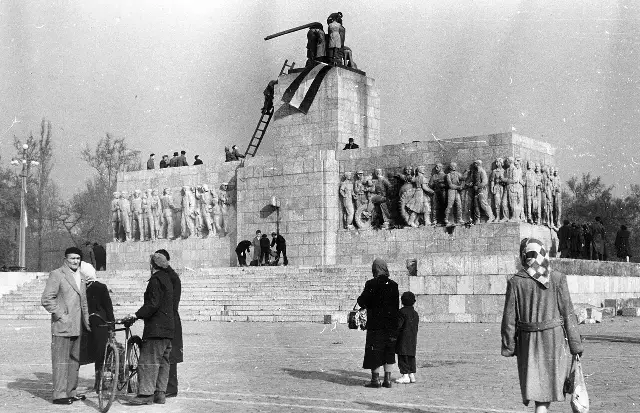
On October 23, 1956, Hungarian students and workers rose against Soviet domination, toppling Stalin's giant bronze statue in Budapest on the revolution's first night.


On October 23, 1956, Hungarian students and workers rose against Soviet domination, toppling Stalin's giant bronze statue in Budapest on the revolution's first night.
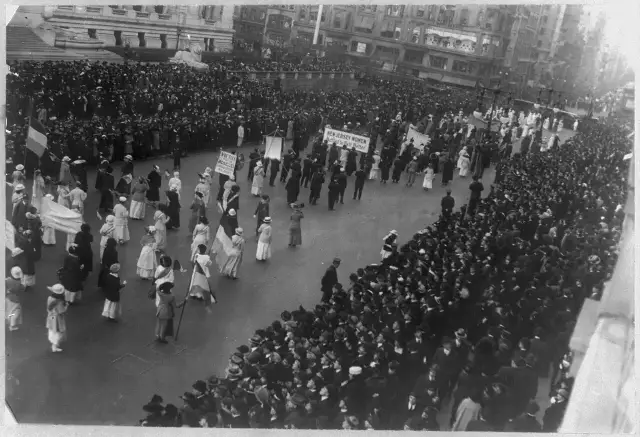
On October 23, 1915, tens of thousands of marchers filled New York's Fifth Avenue in the largest women's suffrage parade the nation had ever seen.
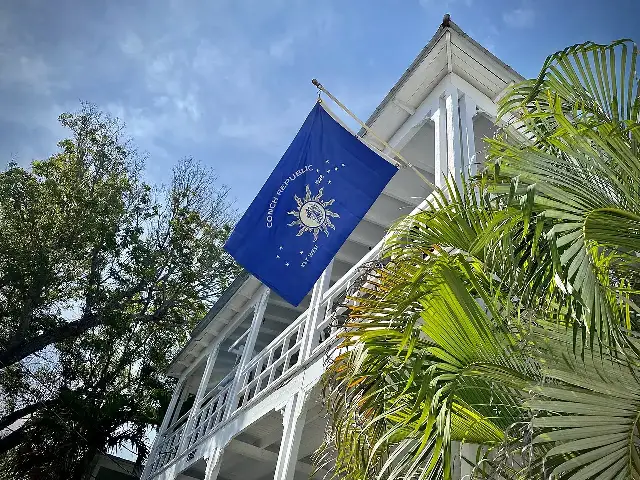
On April 23, 1982, Key West seceded as the Conch Republic over a Border Patrol roadblock, fought America for one minute, surrendered, and billed Washington $1 billion in foreign aid.
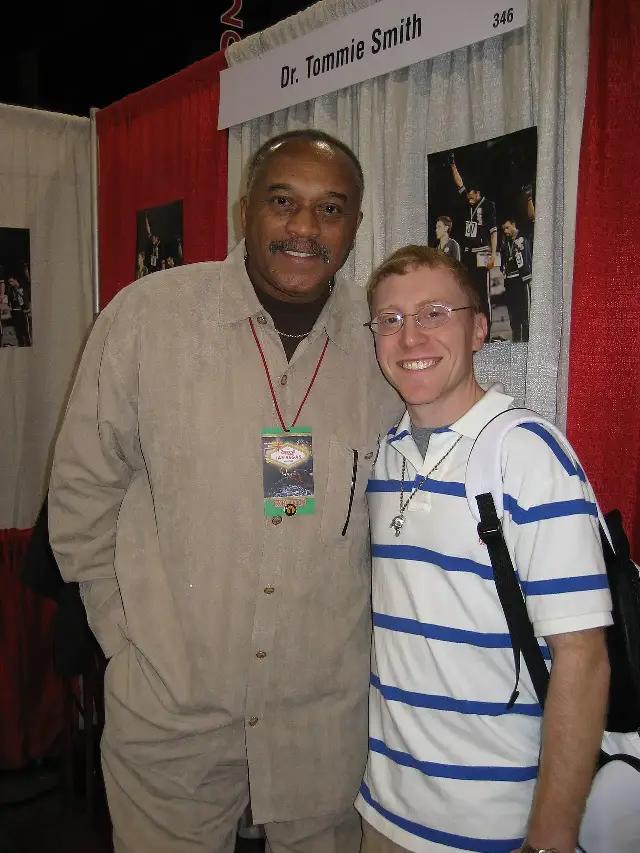
On October 18, 1968, the United States Olympic Committee expelled Tommie Smith and John Carlos for their silent protest against racism on the medal podium.
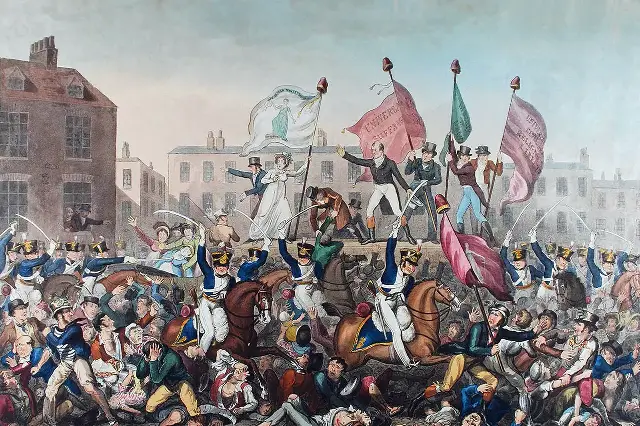
On August 16, 1819, cavalry charged a peaceful crowd of 60,000 demanding parliamentary reform in Manchester, killing about 18 people at Peterloo.
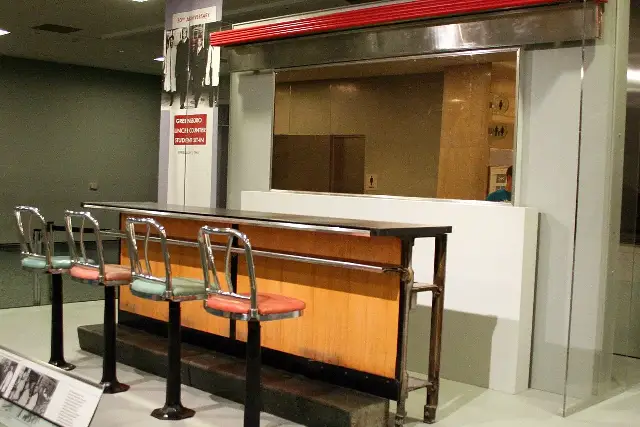
On February 1, 1960, four Black college freshmen sat down at a segregated Woolworth's lunch counter in Greensboro, North Carolina, and sparked a protest movement that helped end legal segregation in America.
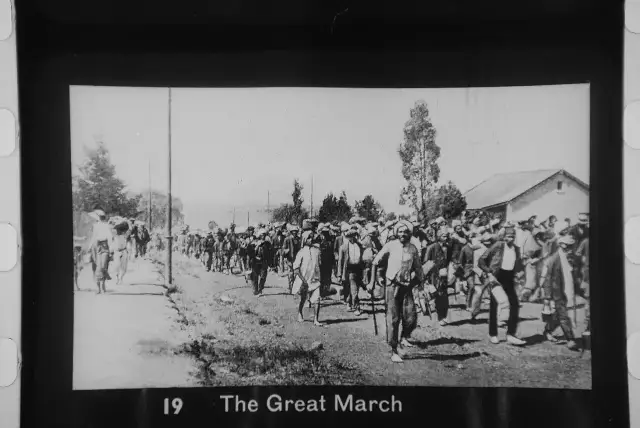
On November 6, 1913, Mahatma Gandhi led more than 2,000 Indian miners, women, and children on a protest march into the Transvaal — and was arrested for crossing without permits.
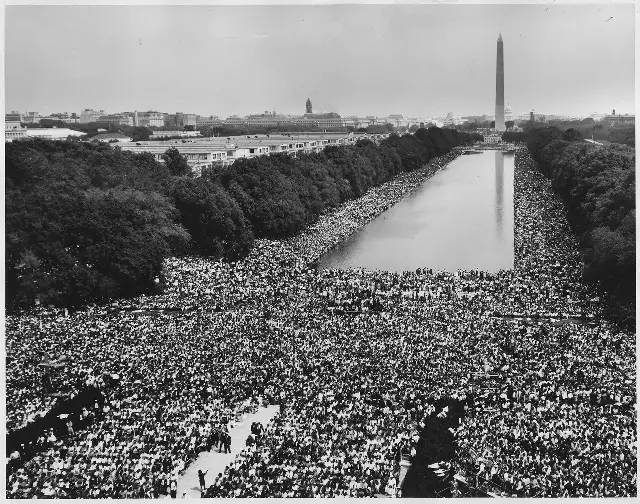
On August 28, 1963, a quarter of a million people filled Washington, D.C., for the March on Washington, where Martin Luther King Jr. delivered his 'I Have a Dream' speech.
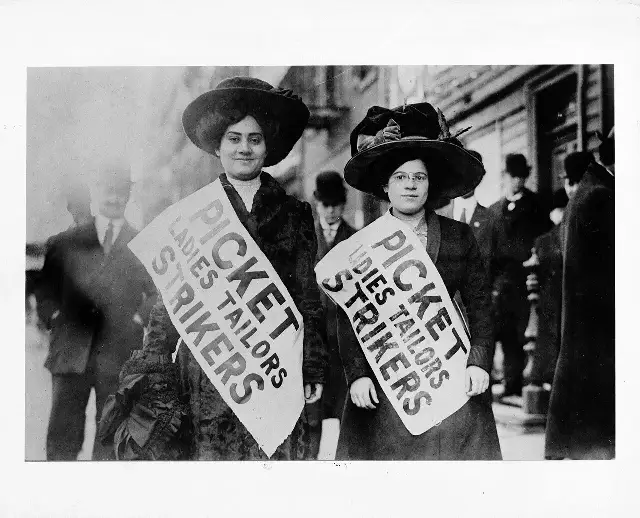
On March 8, 1908, some 15,000 women marched through New York City for better pay, shorter hours, and the vote — the protest that grew into International Women's Day.
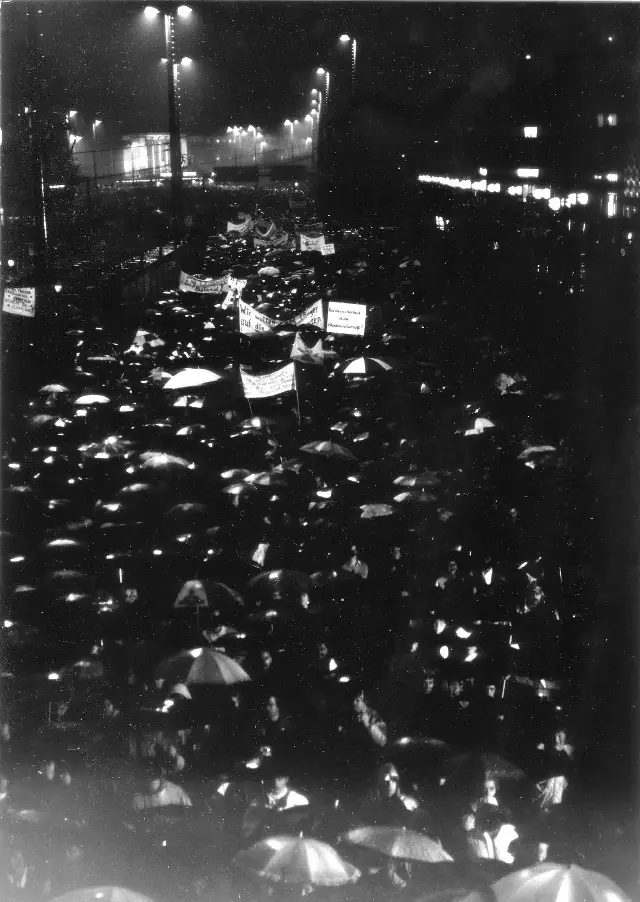
On October 9, 1989, some 70,000 East Germans marched peacefully through Leipzig in defiance of 8,000 armed police — the night the regime blinked, and the beginning of the end for East Germany.