February 6, 1918: The Day Millions of British Women Won the Vote
On February 6, 1918, the Representation of the People Act received Royal Assent, giving British women the parliamentary vote for the first time.
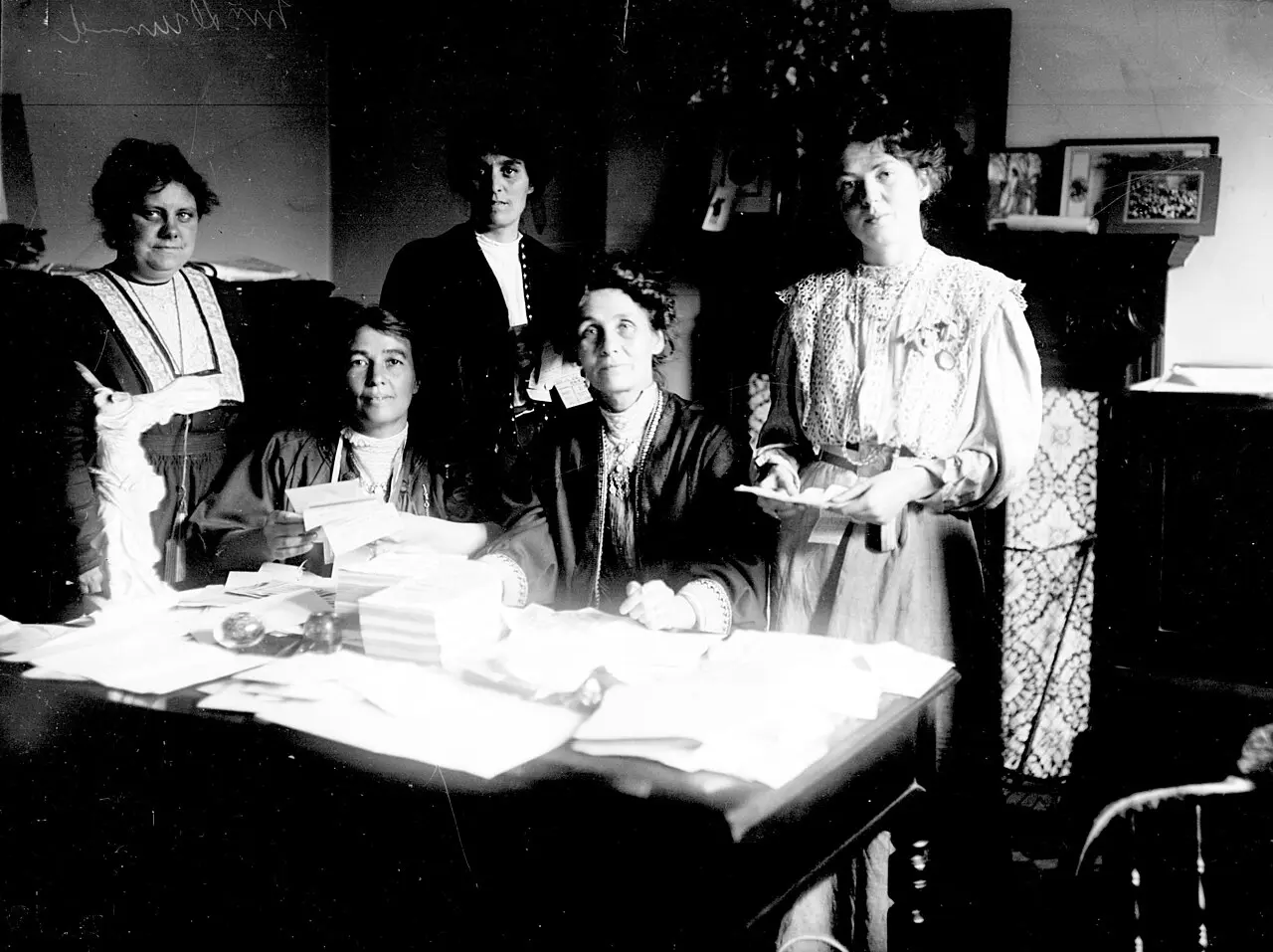
They had marched by the hundred thousand. They had been beaten by police outside Parliament, jailed, and force-fed on hunger strike. For more than fifty years, British women had demanded a say in the laws that governed them. On February 6, 1918, the law finally changed.
The Representation of the People Act received Royal Assent that day. For the first time, women could vote in parliamentary elections — those over thirty who met a property qualification, some 8.4 million women joining the electorate. The same act swept away most property barriers for men, adding another 5.6 million voters: the greatest single expansion of the British franchise ever made.
The victory belonged to two generations of campaigners. The constitutional suffragists of Millicent Fawcett's National Union had argued the case patiently for decades; Emmeline Pankhurst's militant suffragettes — “Deeds, not words” — had smashed windows, endured prison, and made the cause impossible to ignore. Then came the First World War, and women poured into munitions factories, drove ambulances, and kept the country running. The old argument that women were unfit for citizenship collapsed under the weight of what women were plainly doing.
It was not yet equality: women would wait until 1928 to vote on the same terms as men, at twenty-one. But December 1918 brought the first general election in which women cast ballots, and there was no going back.
The Act's limits were deliberate — its framers feared that a fully equal franchise would make women the majority of voters overnight. But the logic of 1918 was irreversible. A decade later, the Equal Franchise Act of 1928 gave the vote to all adults over twenty-one on equal terms, and the general election of 1929 — quickly nicknamed the ‘flapper election' — was the first in which British women voted as men's equals.
The two wings of the movement had quarreled for years — Fawcett's suffragists believing in petitions and Parliament, Pankhurst's suffragettes believing only confrontation would move an immovable government. In the end, history needed both: the argument and the pressure, the patience and the broken windows. February 6, 1918, was their shared victory.
Why does it matter? The 1918 Act more than doubled the British electorate and made universal democracy in Britain a matter of when, not if. It stands as proof of the oldest lesson in politics: that rights are rarely granted — they are won, by people willing to spend years, and sometimes their freedom, winning them.
Photo: LSE Library, public domain (via Wikimedia Commons)