The House Vote That Killed Slavery
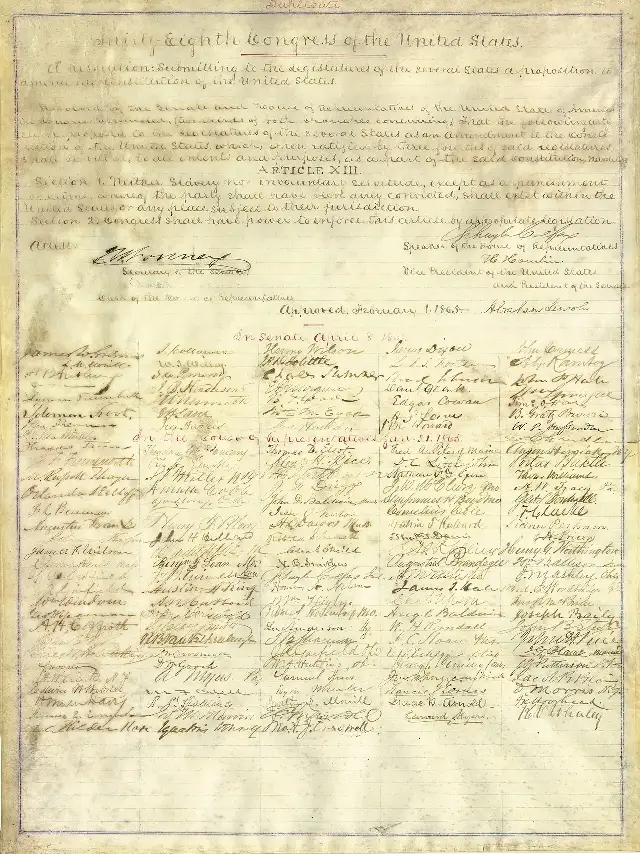
On January 31, 1865, the U.S. House of Representatives passed the Thirteenth Amendment 119–56, writing the end of slavery into the Constitution.


On January 31, 1865, the U.S. House of Representatives passed the Thirteenth Amendment 119–56, writing the end of slavery into the Constitution.
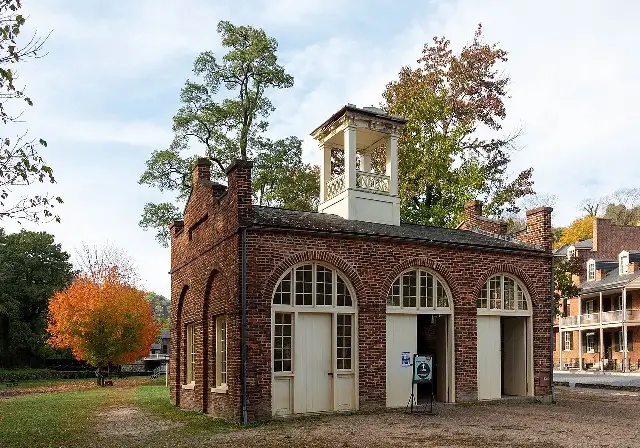
On the night of October 16, 1859, abolitionist John Brown seized the federal arsenal at Harpers Ferry, hoping to ignite a slave uprising — and set America on the road to civil war.
On March 25, 1807, after twenty years of campaigning, the Slave Trade Act received royal assent, making Britain's slave trade illegal from May 1.
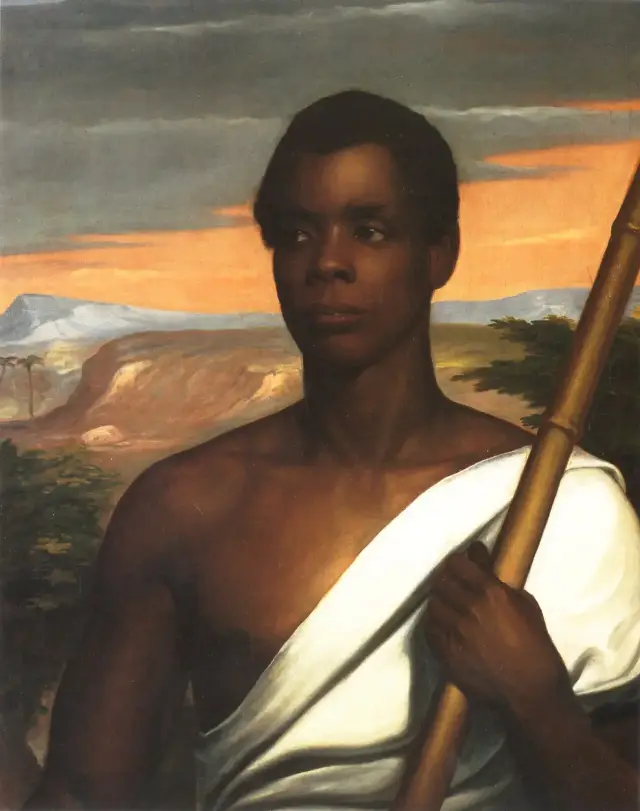
On March 9, 1841, the U.S. Supreme Court set the kidnapped Africans of the Amistad free, after a former president pleaded their case.
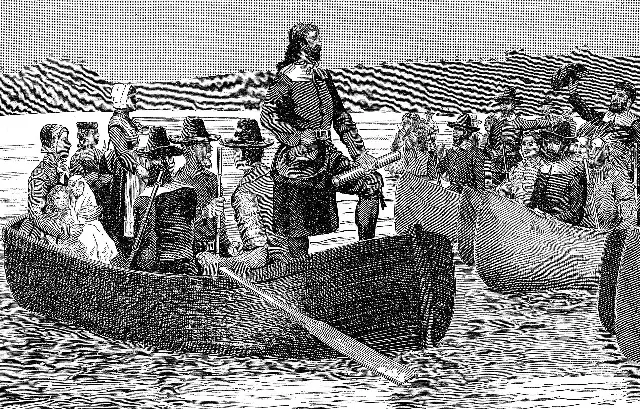
On May 18, 1652, Rhode Island passed the first anti-slavery statute in English North America, capping servitude at ten years — a landmark law that was never enforced.
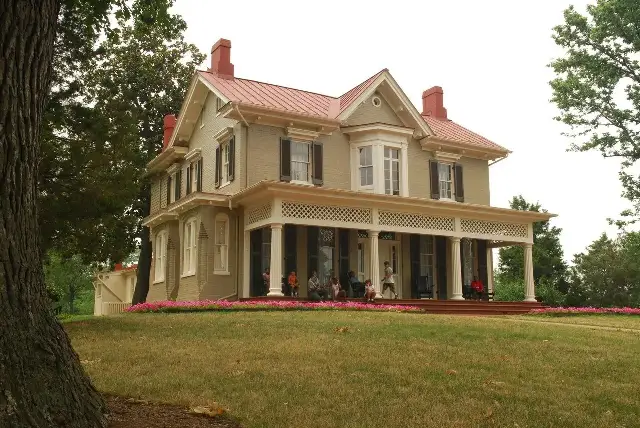
Born into slavery in February 1818 with no birth record, Frederick Douglass chose February 14 as his birthday, reclaiming the identity bondage tried to steal.
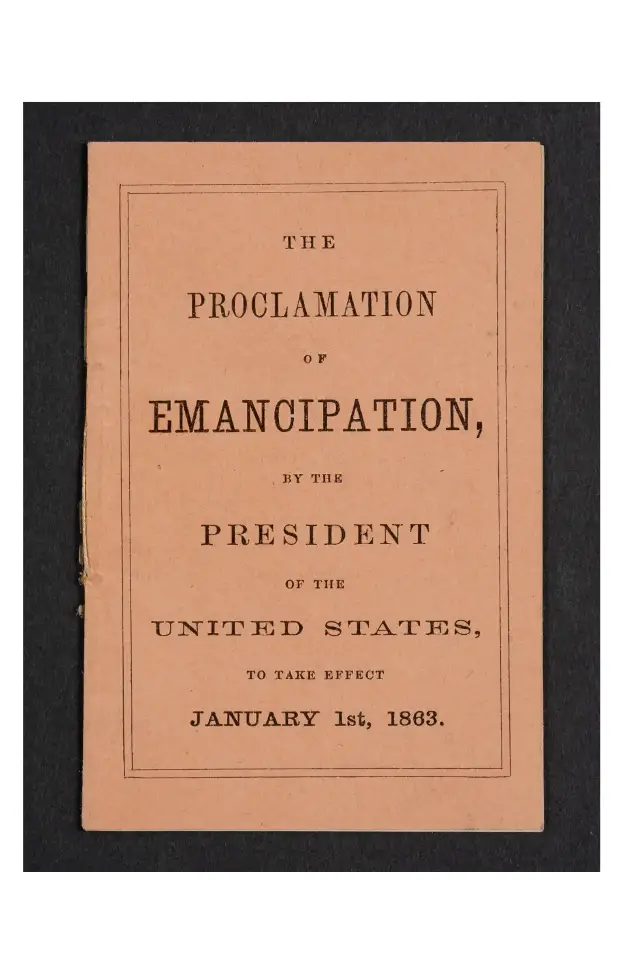
On September 22, 1862, Abraham Lincoln issued the Preliminary Emancipation Proclamation: enslaved people in rebellious states would be "then, thenceforward, and forever free" on January 1, 1863.