The Day Wall Street Lost 22 Percent
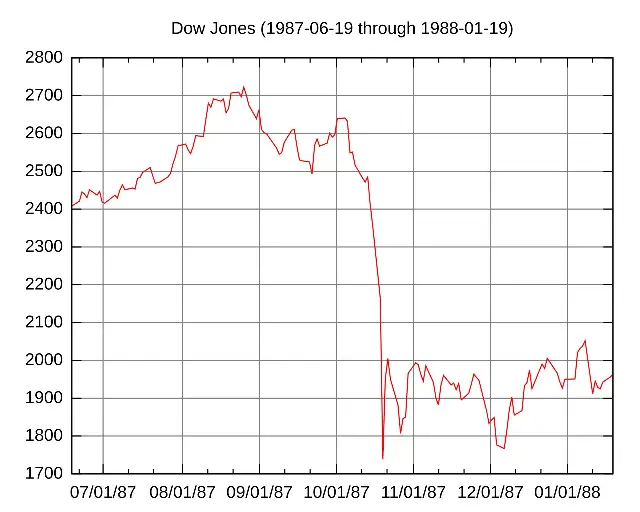
On October 19, 1987, the Dow Jones Industrial Average plunged 508 points — 22.6 percent — in a single session, the worst one-day crash in Wall Street history.


On October 19, 1987, the Dow Jones Industrial Average plunged 508 points — 22.6 percent — in a single session, the worst one-day crash in Wall Street history.
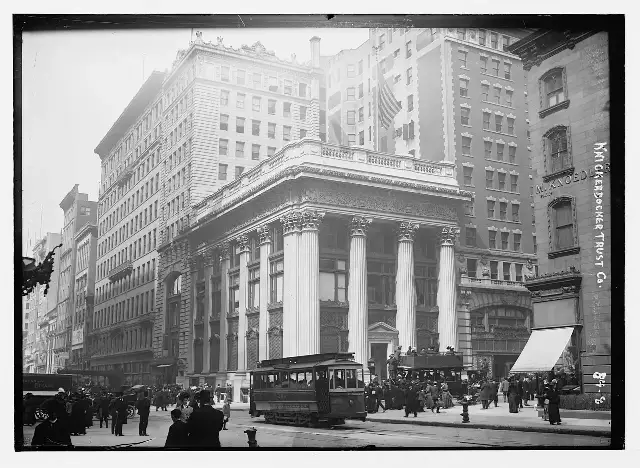
On October 22, 1907, a bank run drained $8 million from New York's Knickerbocker Trust in under three hours, igniting a panic that ended with the creation of the Federal Reserve.
On July 3, 1884, Charles Dow published the first stock market average — eleven stocks that became the ancestor of the Dow Jones Industrial Average.
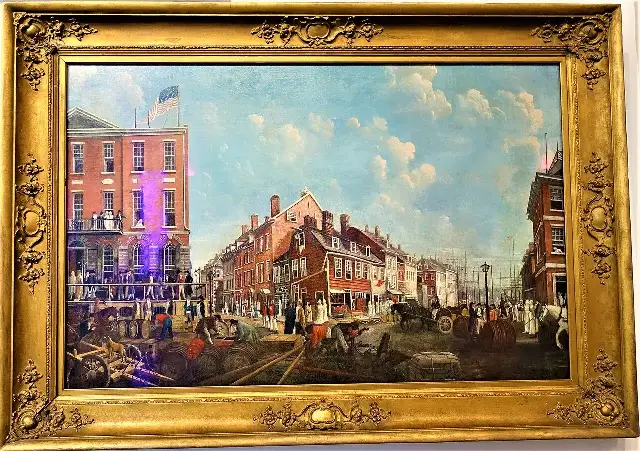
On May 17, 1792, twenty-four brokers signed the Buttonwood Agreement on Wall Street, a one-page pact that became the founding document of the New York Stock Exchange.
On March 10, 2000, the NASDAQ closed at 5,048.62, the peak of the dot-com bubble — a record it would not surpass for fifteen years.
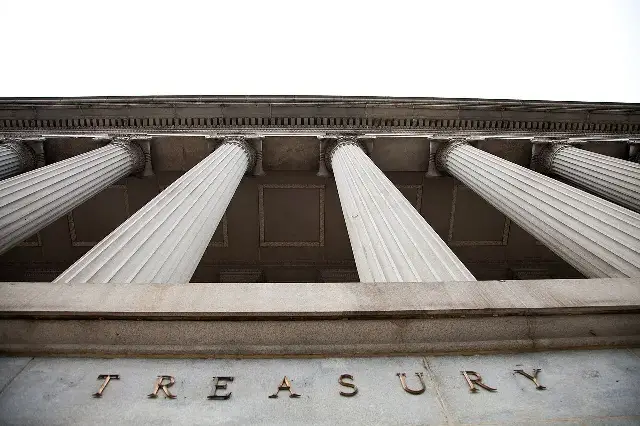
On September 11, 1789, George Washington nominated Alexander Hamilton as America's first Treasury Secretary, and the Senate confirmed him the same day.