"Love Day": The Invasion of Okinawa Begins
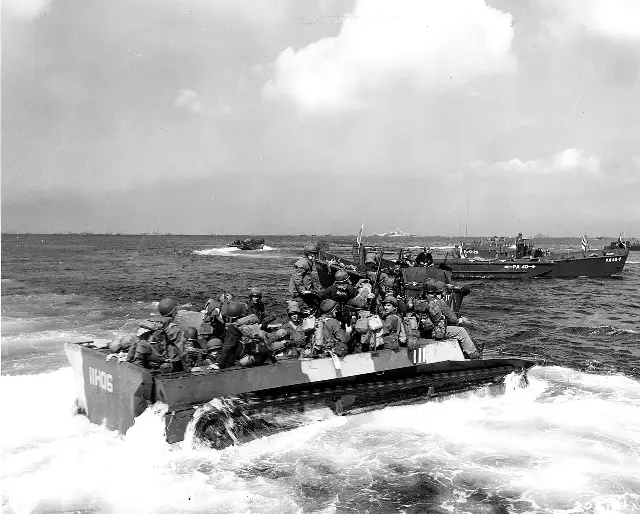
On April 1, 1945, more than 50,000 U.S. troops stormed ashore on Okinawa, opening the bloodiest battle of the Pacific War.


On April 1, 1945, more than 50,000 U.S. troops stormed ashore on Okinawa, opening the bloodiest battle of the Pacific War.
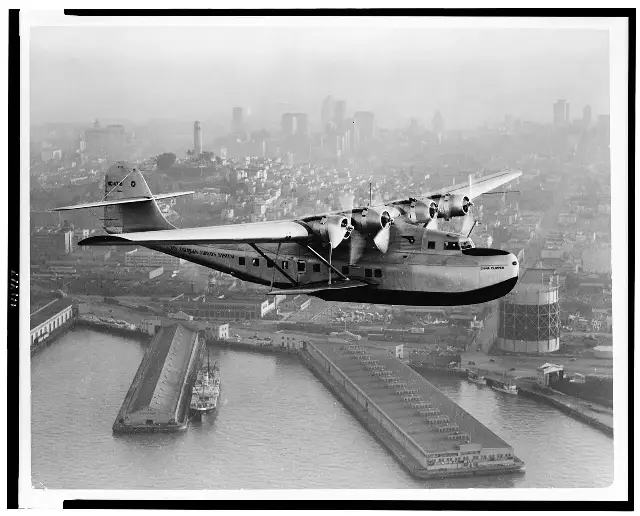
On November 22, 1935, Pan Am's flying boat China Clipper left Alameda, California, with the first transpacific airmail — an eight-day island-hopping journey to Manila.
On September 25, 1513, Vasco Núñez de Balboa became the first European to see the Pacific from the Americas — then waded in and claimed it for Spain.
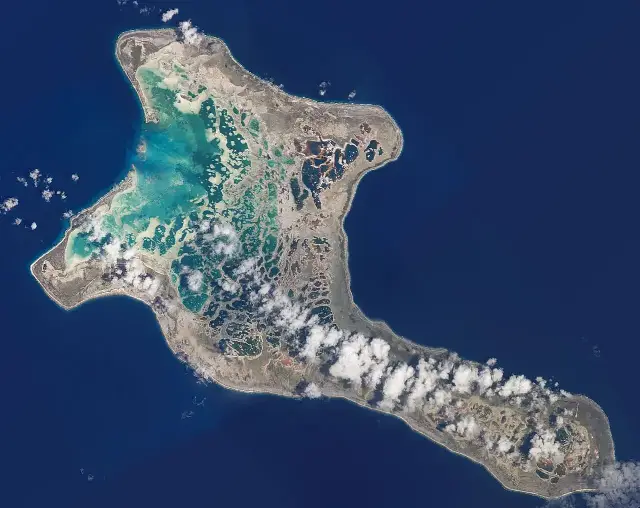
On Christmas Eve 1777, Captain James Cook sighted a low coral atoll in the Pacific and named it Christmas Island, now known as Kiritimati.
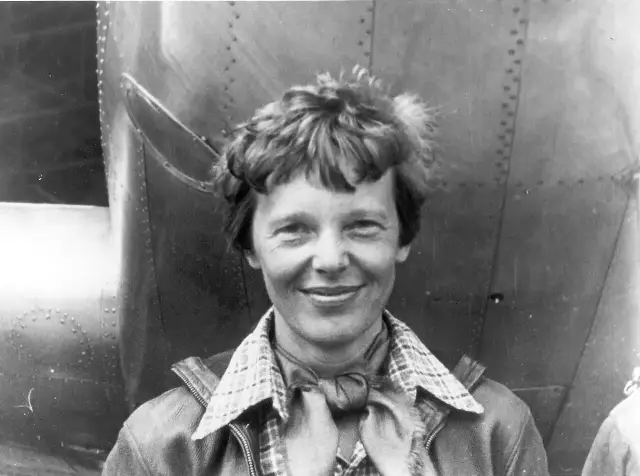
On July 2, 1937, Amelia Earhart's radio fell silent over the Pacific — and the world's most famous pilot was never seen again.
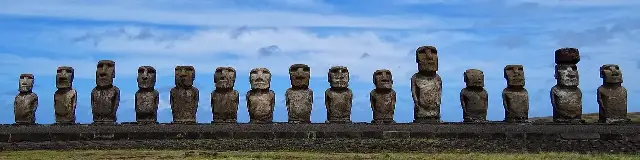
On April 5, 1722 — Easter Sunday — Dutch navigator Jacob Roggeveen made the first recorded European landing on Easter Island, naming it for the holy day.
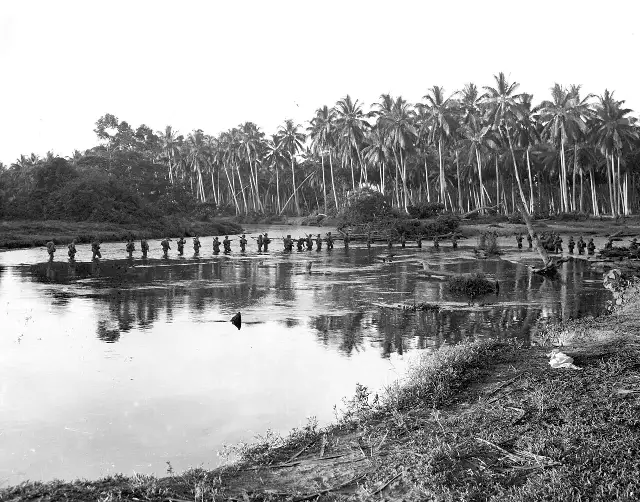
On February 9, 1943, the Guadalcanal campaign ended in Allied victory, marking the turning point of the Pacific war.
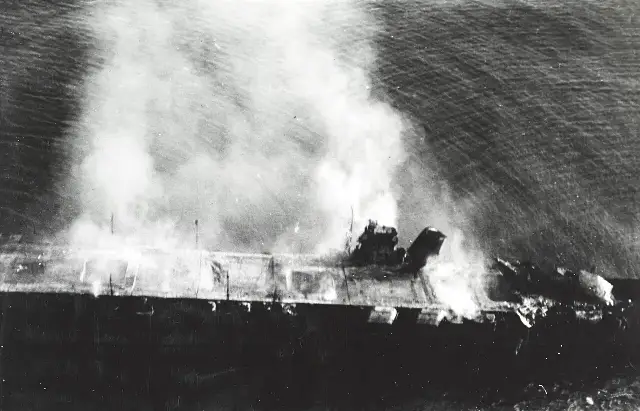
On the morning of June 4, 1942, American dive bombers destroyed three Japanese aircraft carriers in minutes at Midway, turning the tide of the Pacific War.
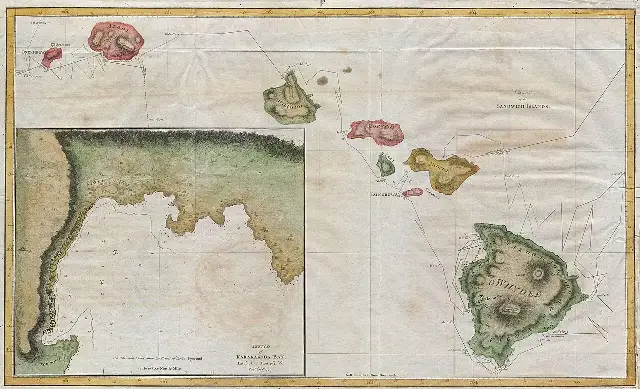
On January 18, 1778, Captain James Cook's ships sighted Oahu, the first known European encounter with the Hawaiian Islands.
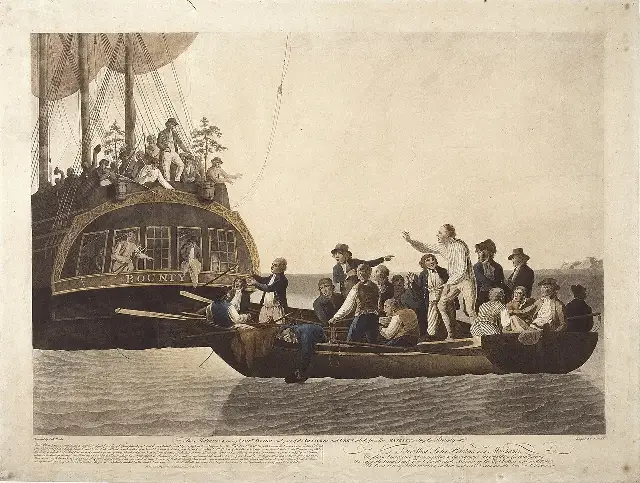
On April 28, 1789, Fletcher Christian seized HMS Bounty and set Captain Bligh adrift in an open boat on the Pacific.