Two Days That Burned the Northwest
On August 20, 1910, hurricane-force winds turned scattered forest fires into the Big Blowup — three million acres burned in two days, reshaping American firefighting forever.
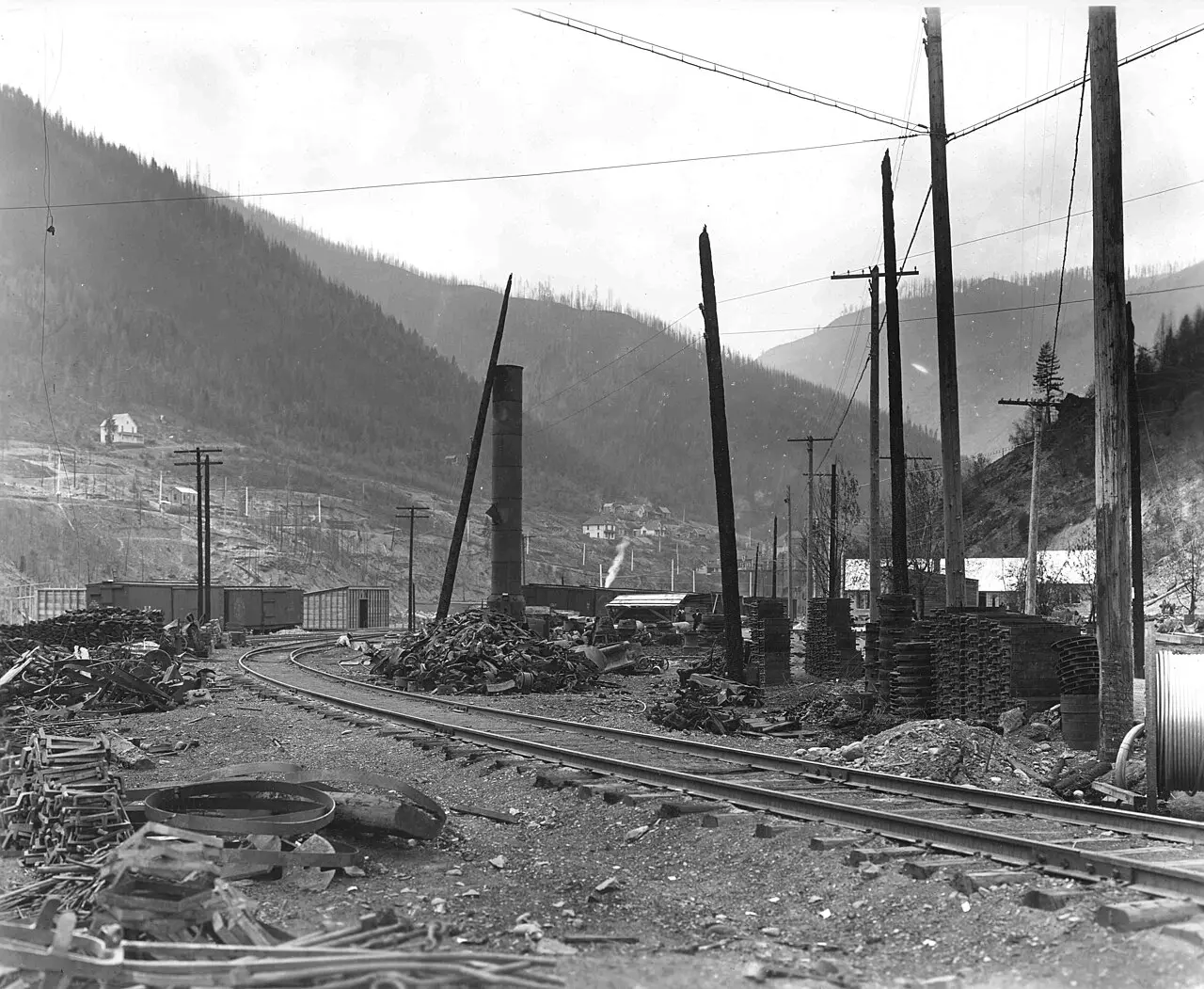
The summer of 1910 had been cruelly dry across the northern Rockies, and hundreds of small forest fires were already burning in Idaho and Montana. Then, on August 20, the wind arrived.
A ferocious "Palouser" wind — survivors said it nearly lifted men out of their saddles — swept through the Idaho panhandle and fanned those scattered, manageable fires into something no one had ever seen. In what became known as the Big Blowup, or the Big Burn, flames shot hundreds of feet into the air, leaped half-mile-wide canyons, and turned entire mountainsides into torches within hours. Over just two days, August 20 and 21, the fire consumed some three million acres — an area the size of Connecticut — across Idaho, Montana, Washington, and into British Columbia. At least 85 people died, most of them firefighters. Towns burned; the east end of Wallace, Idaho, was destroyed, and residents fled by train. By noon on the 21st, the smoke darkened the sky as far away as Saskatoon, Denver, and upstate New York.
Out of the inferno came a legend. Forest Service Ranger Ed Pulaski, only two years into the job, was supervising a crew of about 45 men on the west fork of Placer Creek, five miles south of Wallace, when the fire overran them. Drawing on his years as a miner, Pulaski led a desperate dash to an abandoned prospector's mine — and, with flames closing in, ordered every man inside at gunpoint, threatening to shoot anyone who tried to leave. He hung wet blankets across the entrance and scooped water onto the timbers with his hat. The men fell unconscious in the choking dark; all but five survived. Pulaski himself was burned, his eyes and lungs damaged, and he was temporarily blinded. The mine entrance — now the Pulaski Tunnel, on the National Register of Historic Places — still bears the charred timbers he fought to save. A year later he invented the firefighting tool that bears his name: the Pulaski, half axe and half mattock, still standard gear on every wildfire crew.
There were other heroes history nearly forgot. Black soldiers of the 25th Infantry — Buffalo Soldiers stationed at Fort Wright in Spokane — fought the flames around Avery, Idaho, saving the town and their own lives with a desperate backfire, all while facing the bigotry of the era.
The Big Blowup changed America. The young U.S. Forest Service, humiliated and heartbroken, made fighting wildfire its central mission — an obsession that shaped federal fire policy for generations. Every modern debate about how we live with fire traces back to those two days in August 1910, when the Northwest burned and a ranger with a pistol and a mine shaft showed what courage looks like.
Photo: R. H. McKay, U.S. Forest Service, public domain (via Wikimedia Commons).