50 Million Tons of TNT: The Tsar Bomba Detonates
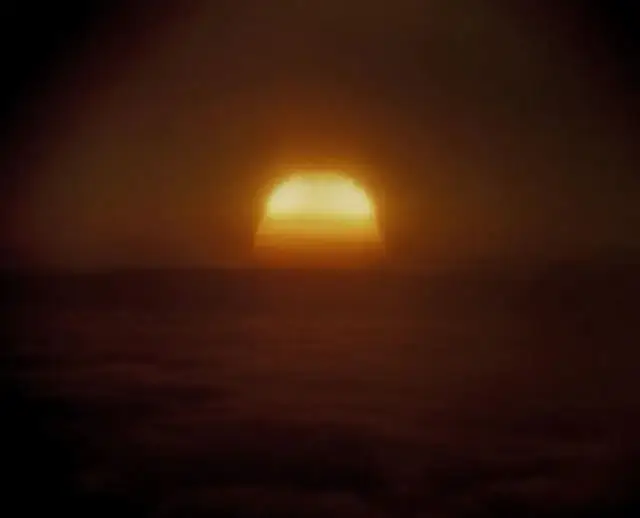
On October 30, 1961, the Soviet Union detonated the most powerful nuclear weapon ever built over Novaya Zemlya, a blast thousands of times stronger than Hiroshima.


On October 30, 1961, the Soviet Union detonated the most powerful nuclear weapon ever built over Novaya Zemlya, a blast thousands of times stronger than Hiroshima.
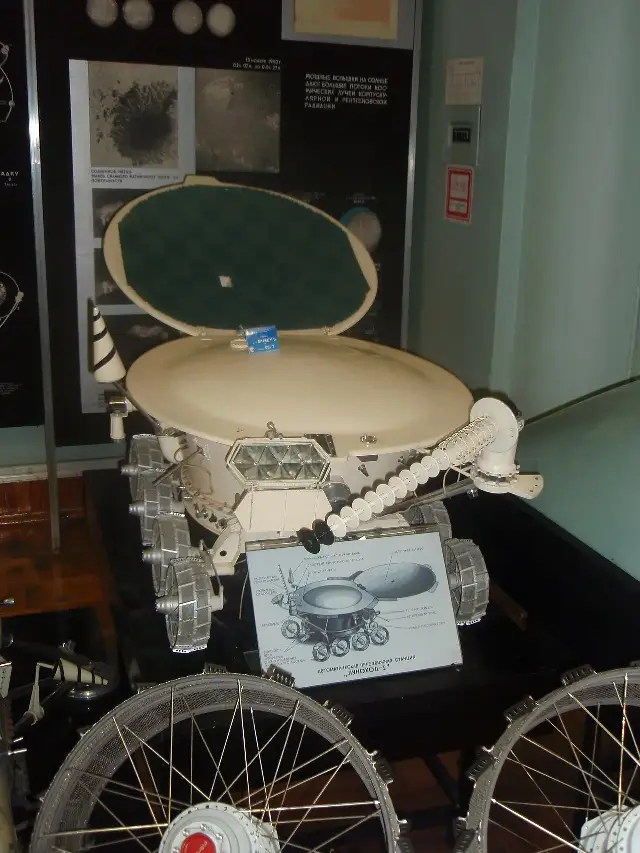
On November 17, 1970, the Soviet Union landed Lunokhod 1 in the Sea of Rains — the first rover ever driven on another world.
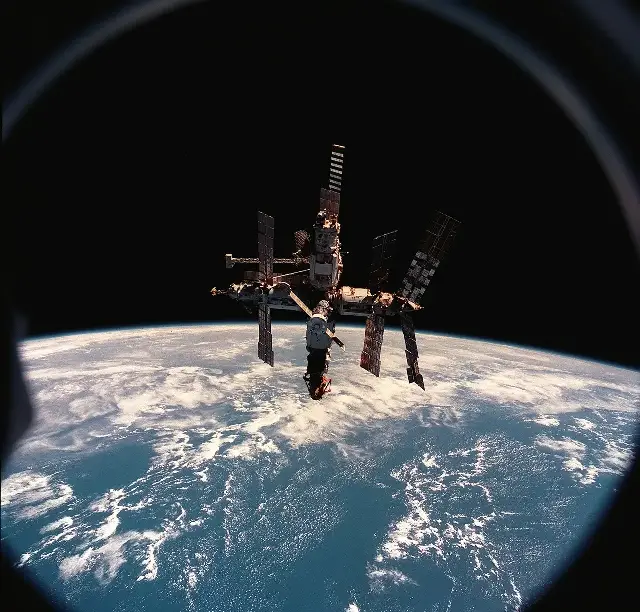
On February 20, 1986, the Soviet Union launched the core module of Mir, the first space station built in pieces in orbit and the blueprint for the International Space Station.
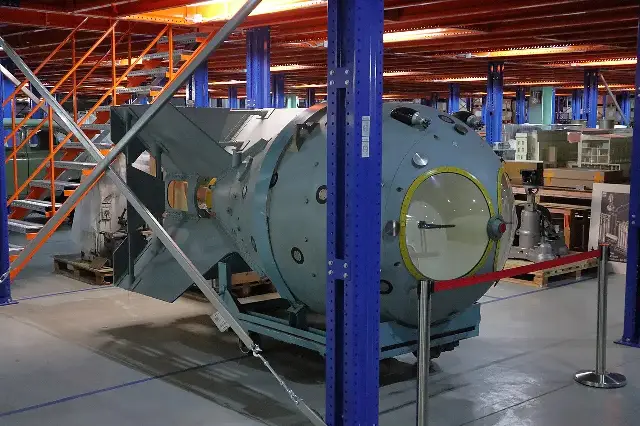
On August 29, 1949, the Soviet Union detonated its first atomic bomb at Semipalatinsk — ending America's nuclear monopoly and igniting the arms race.
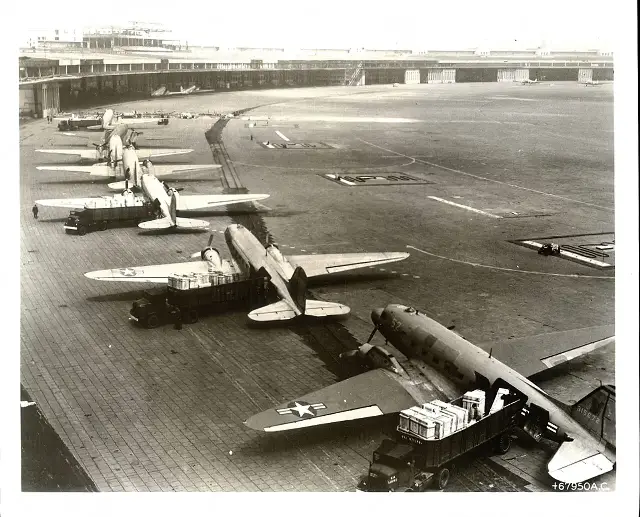
On May 12, 1949, the Soviet Union lifted its 11-month blockade of West Berlin after the greatest airlift in history defeated the siege — and the Cold War's battle lines hardened.
On a freezing Berlin morning in 1962, a downed American pilot and a Soviet master spy walked past each other into freedom on the Glienicke Bridge.
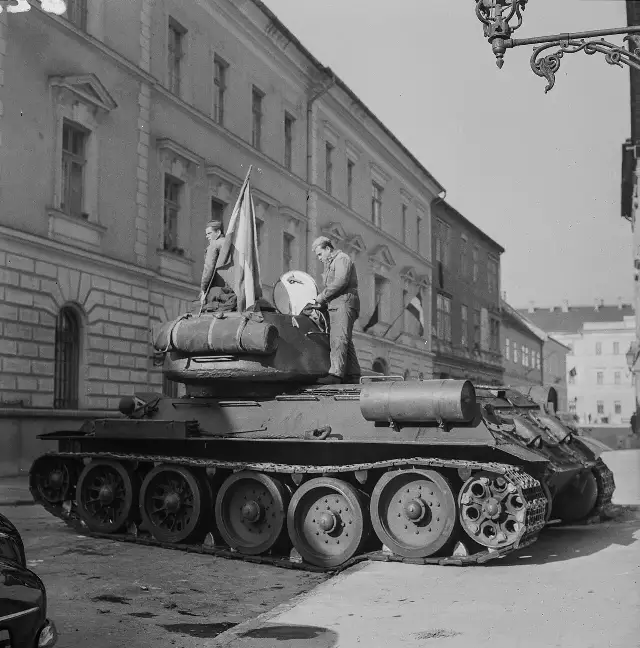
On November 4, 1956, the Soviet Union launched Operation Whirlwind against Budapest, crushing Hungary's revolution and sending some 200,000 refugees fleeing west.
On June 6, 1984, Soviet researcher Alexey Pajitnov completed the first playable Tetris — a game of falling blocks that would conquer the world.
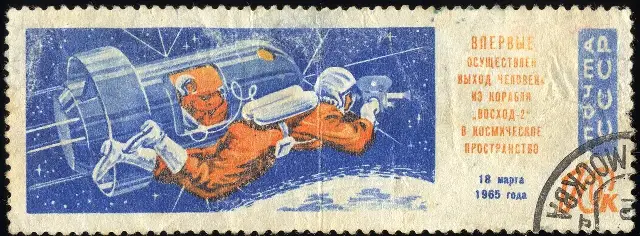
On March 18, 1965, Soviet cosmonaut Alexei Leonov spent 12 minutes outside his Voskhod 2 capsule — the first spacewalk in history.
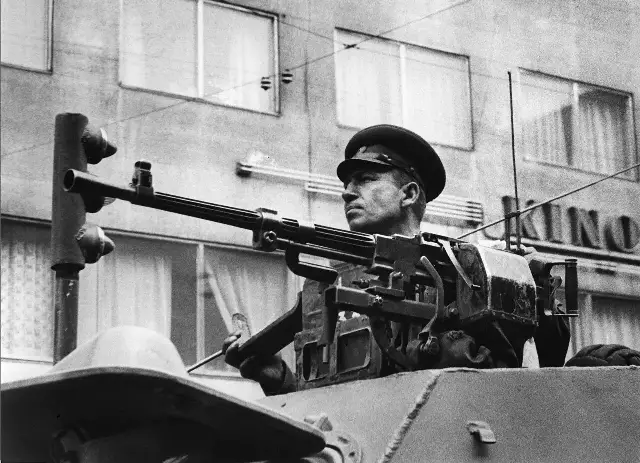
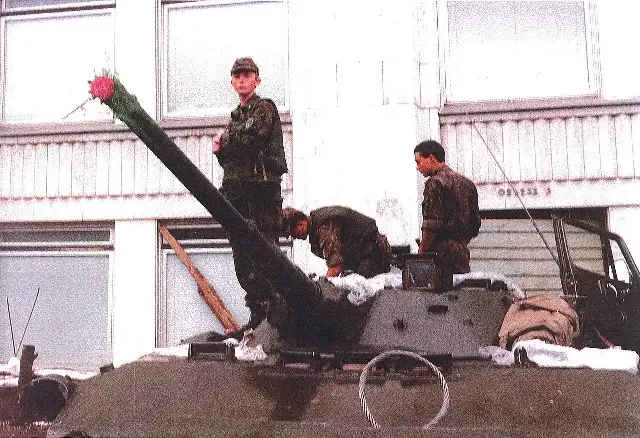
On the night of August 20, 1968, Warsaw Pact troops invaded Czechoslovakia to crush the Prague Spring's liberal reforms.
On August 19, 1991, hardliners tried to seize the Soviet Union — and instead destroyed it in three days.
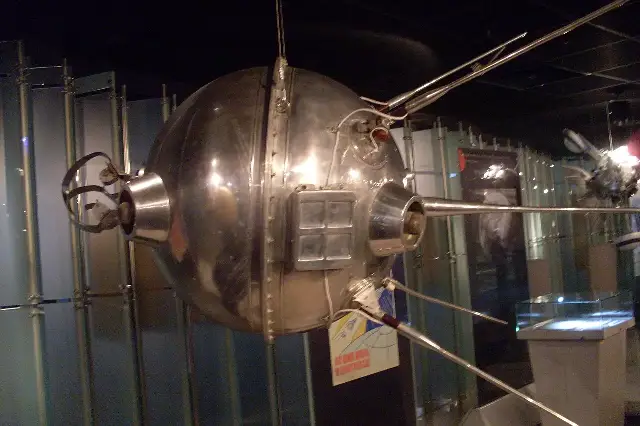
On January 2, 1959, the Soviet Union launched Luna 1 at the Moon; a timing error sent it sailing past its target, but it still became the first human-made object to escape Earth and orbit the Sun.
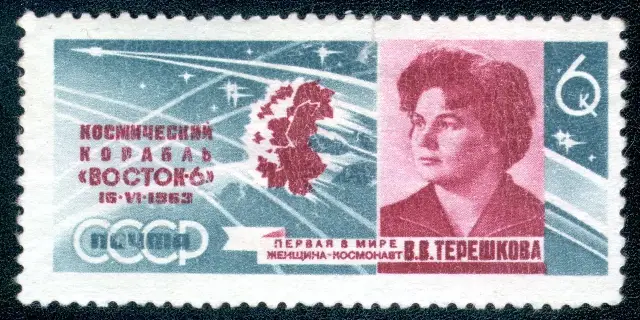
On June 16, 1963, a 26-year-old textile worker and amateur parachutist launched from Baikonur and became the first woman in space.
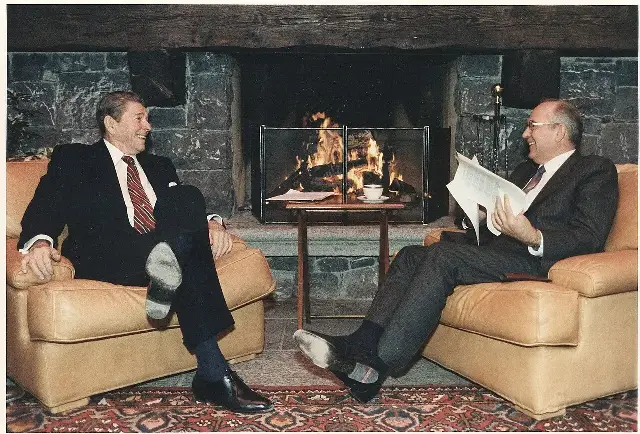
On October 15, 1990, the Nobel Committee honored Mikhail Gorbachev for ending the Cold War — just as the Soviet Union he led was coming apart.
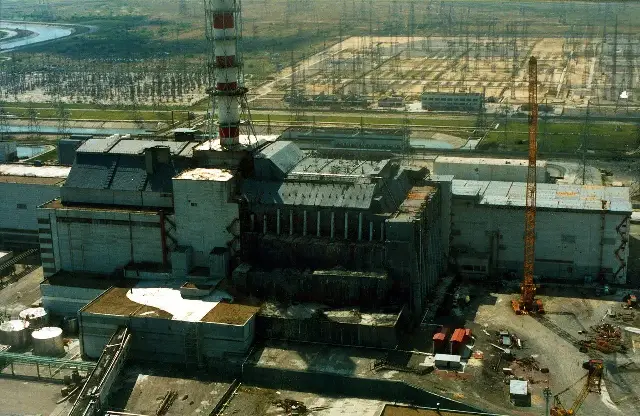
On April 26, 1986, Reactor 4 at Chernobyl exploded during a safety test, triggering the worst nuclear disaster in history.
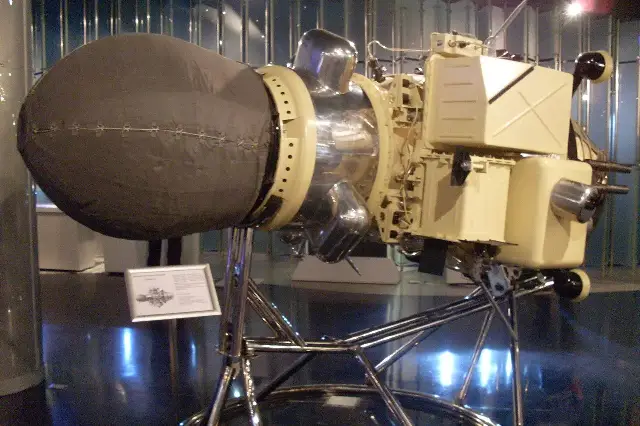
On February 3, 1966, the Soviet probe Luna 9 became the first spacecraft to land softly on the Moon — by bouncing across the lunar dust like a beach ball.
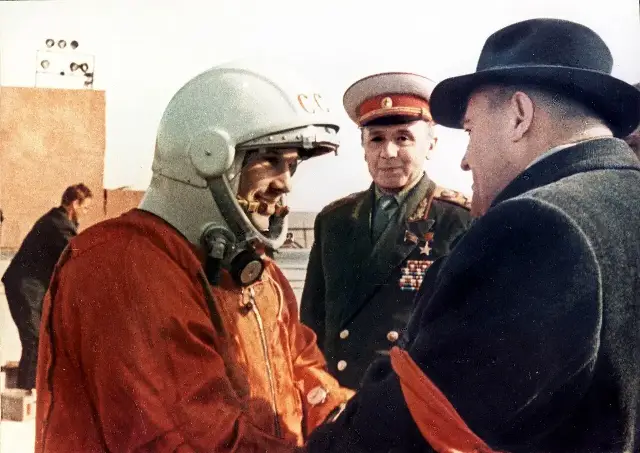
On April 12, 1961, Soviet pilot Yuri Gagarin rode the Vostok 1 capsule once around the Earth in 108 minutes, becoming the first human being in space.
On September 26, 1983, Soviet officer Stanislav Petrov trusted his judgment over a screaming computer and kept a false nuclear alarm from sparking a real war.
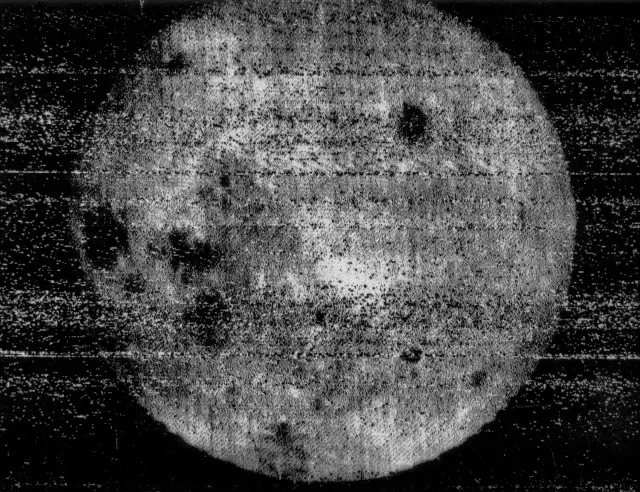
On October 7, 1959, the Soviet Luna 3 probe swung behind the Moon and photographed its far side — the first time any human had ever seen it.