'Wonderful Things': Howard Carter Opens Tutankhamun's Tomb, 1922
On November 26, 1922, Howard Carter peered by candlelight through a hole in a sealed doorway and whispered the words that made history: 'Wonderful things.'


On November 26, 1922, Howard Carter peered by candlelight through a hole in a sealed doorway and whispered the words that made history: 'Wonderful things.'
On July 19, 1799, a French officer named Pierre-François Bouchard found a black stone slab in a crumbling fort wall in Egypt — the Rosetta Stone.
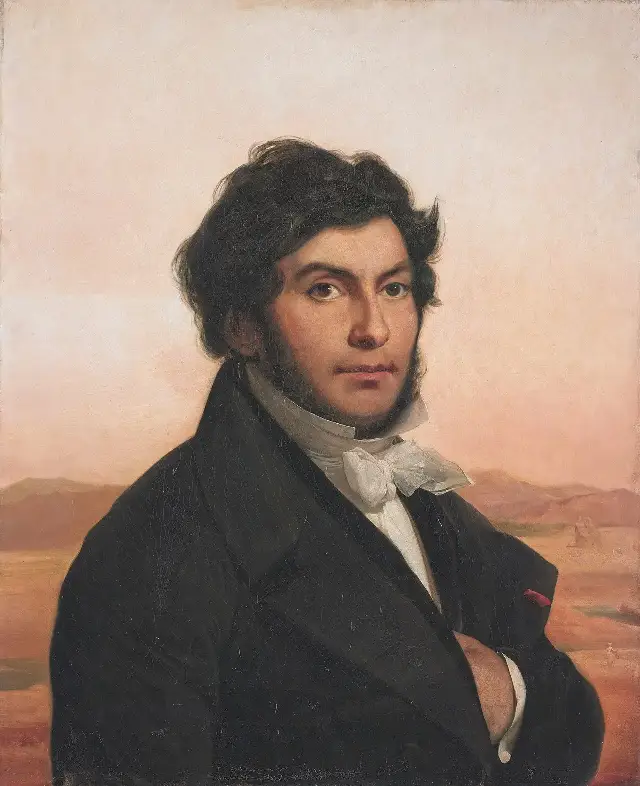
On September 27, 1822, Jean-François Champollion read his breakthrough on hieroglyphs to the Paris Academy — with his great rival sitting beside him.
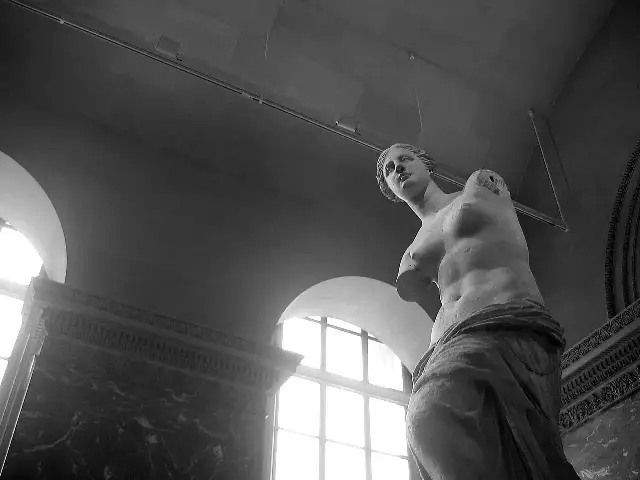
On April 8, 1820, Greek farmer Yorgos Kentrotas unearthed a broken marble statue on the island of Milos — the Venus de Milo, now the Louvre's most famous treasure.
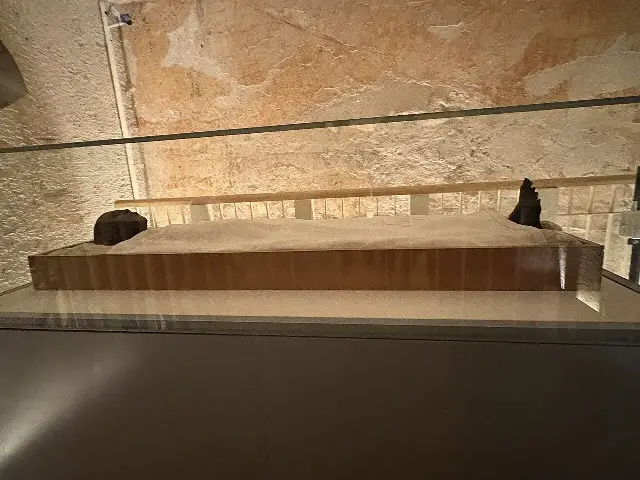
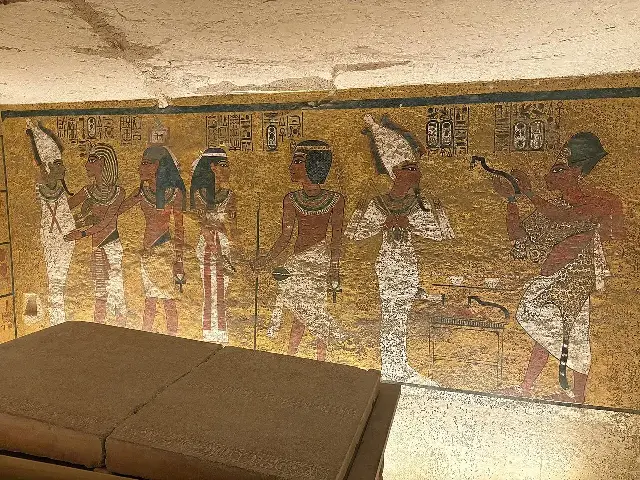
On February 16, 1923, Howard Carter opened the sealed doorway to Tutankhamun's burial chamber, revealing gilded shrines, a stone sarcophagus, and the most complete pharaonic tomb ever found.
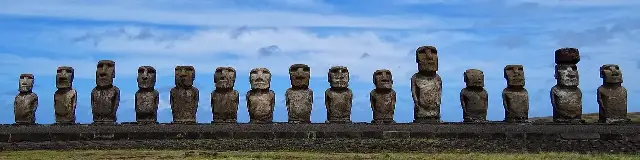
On April 5, 1722 — Easter Sunday — Dutch navigator Jacob Roggeveen made the first recorded European landing on Easter Island, naming it for the holy day.
On September 19, 1991, two hikers in the Otztal Alps spotted a body melting out of the ice — a Copper Age man who had lain there for 5,300 years.
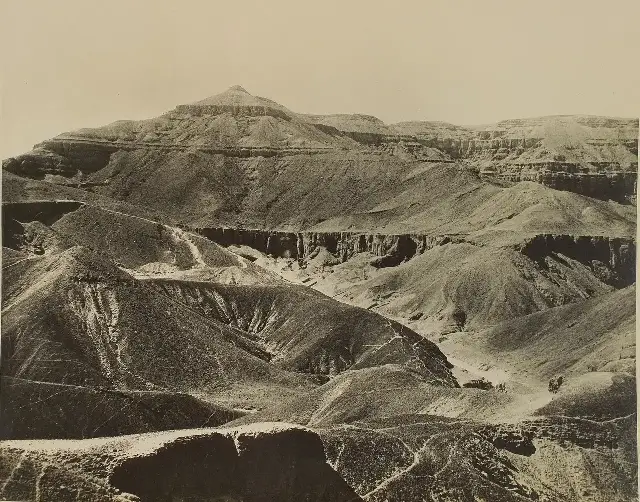
On November 4, 1922, Howard Carter's workmen uncovered a hidden staircase in the Valley of the Kings — the first steps down to the intact tomb of Tutankhamun.
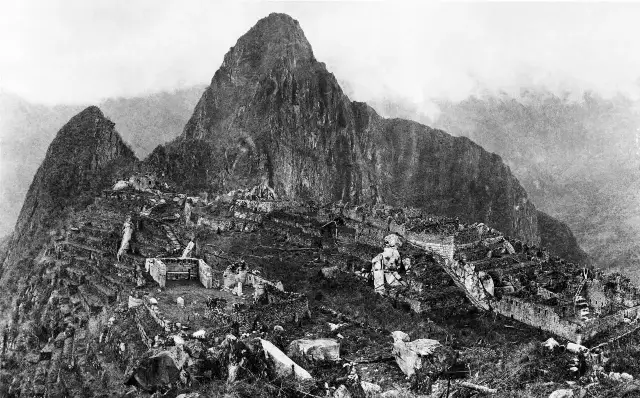
On July 24, 1911, a local farmer led Yale lecturer Hiram Bingham up a steep Andean slope — and Machu Picchu, hidden from the Spanish for centuries, entered the modern world.
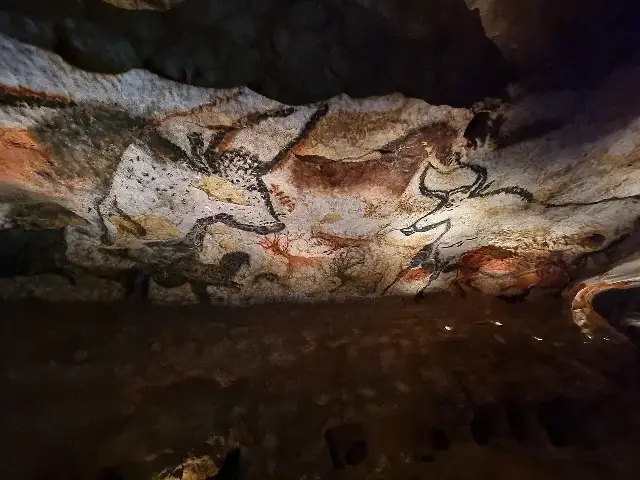
On September 12, 1940, four French teenagers climbed down into a hidden cave near Montignac and found its walls covered with Ice Age paintings — Lascaux.