The Night the Moon Got Its First Driver
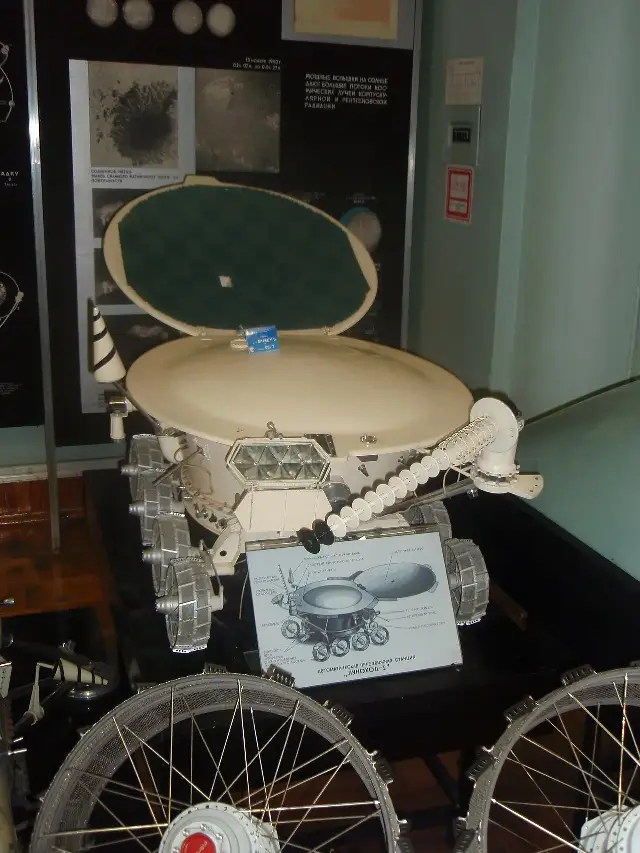
On November 17, 1970, the Soviet Union landed Lunokhod 1 in the Sea of Rains — the first rover ever driven on another world.


On November 17, 1970, the Soviet Union landed Lunokhod 1 in the Sea of Rains — the first rover ever driven on another world.
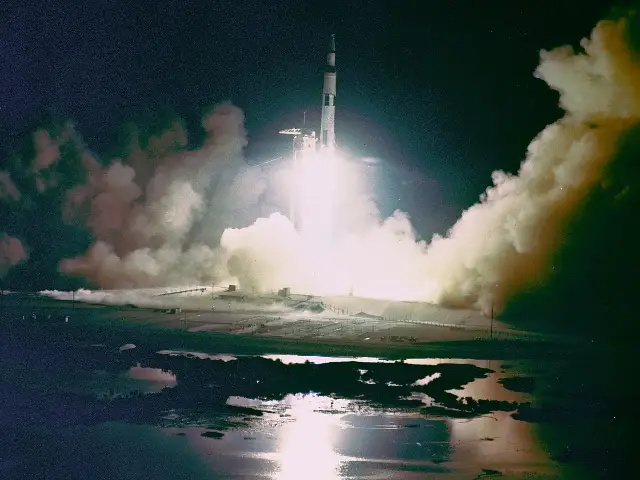
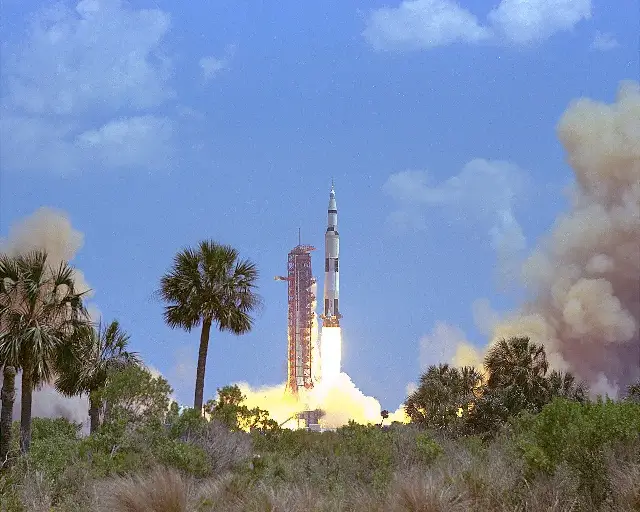
On December 7, 1972, Apollo 17 lifted off for the Moon, the last crewed mission ever to leave Earth orbit.
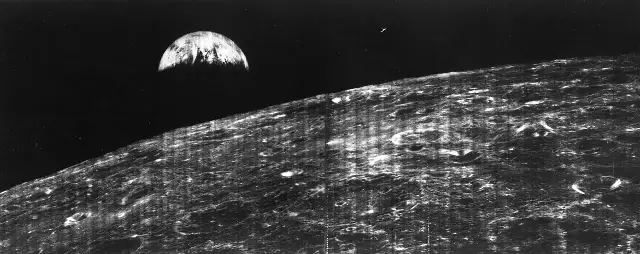
On August 23, 1966, a NASA spacecraft orbiting the Moon turned its camera homeward and took the first photograph of Earth from another world.
On December 4, 1965, astronauts Frank Borman and Jim Lovell launched aboard Gemini 7 for a grueling two-week mission that proved humans could survive the trip to the Moon.
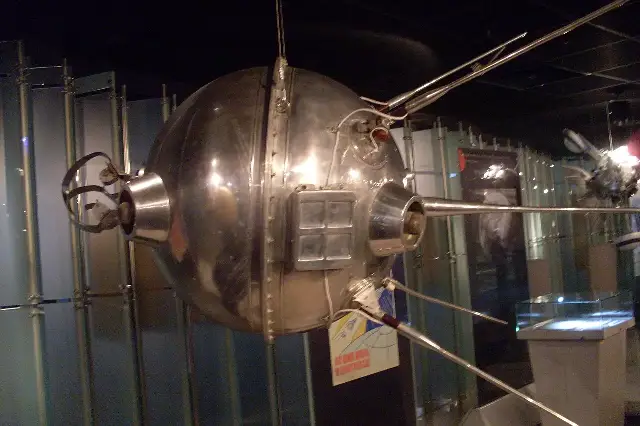
On January 2, 1959, the Soviet Union launched Luna 1 at the Moon; a timing error sent it sailing past its target, but it still became the first human-made object to escape Earth and orbit the Sun.
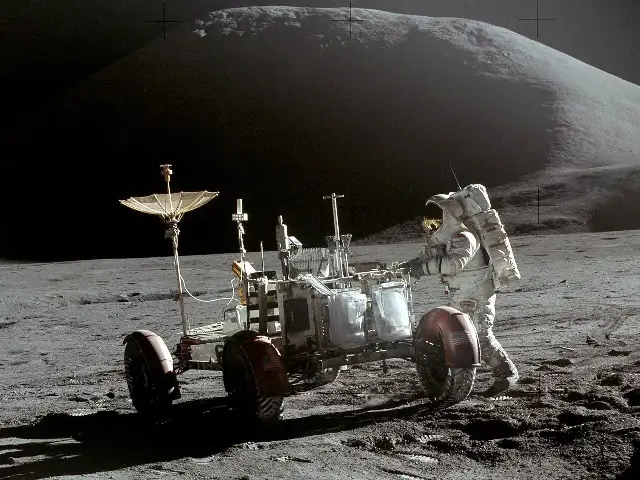
On July 31, 1971, Apollo 15 astronauts David Scott and Jim Irwin unfolded the Lunar Roving Vehicle and became the first humans to drive on the Moon.
On July 30, 1971, Apollo 15's lunar module Falcon settled beside Hadley Rille, beginning the most ambitious geological expedition ever attempted on another world.
On April 16, 1972, Apollo 16 blasted off for the Moon — and a mid-flight malfunction nearly turned it back before it landed.
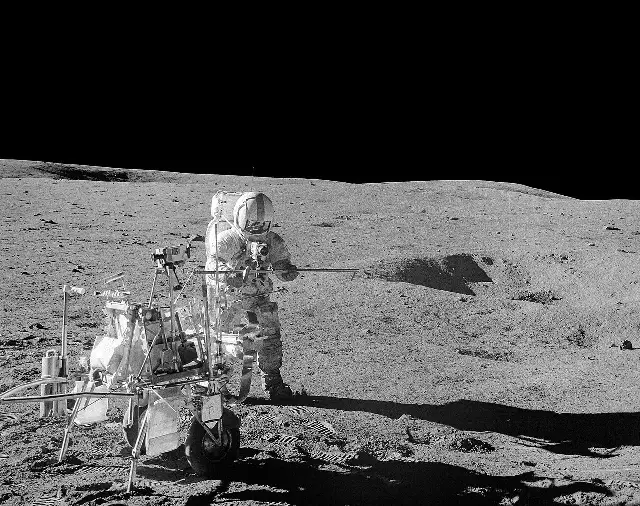
On February 5, 1971, Apollo 14 landed at Fra Mauro — and before leaving, commander Alan Shepard hit two golf balls across the lunar surface.
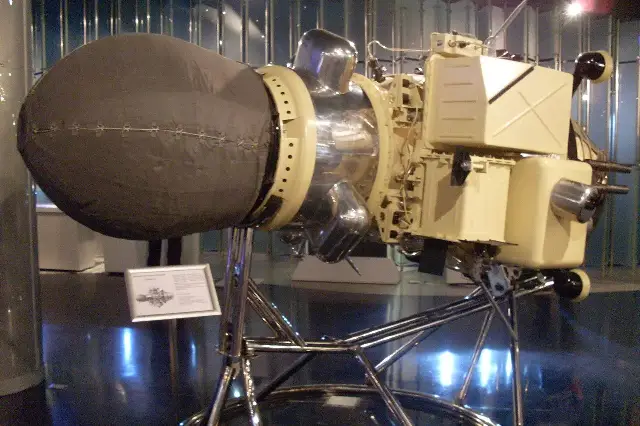
On February 3, 1966, the Soviet probe Luna 9 became the first spacecraft to land softly on the Moon — by bouncing across the lunar dust like a beach ball.
On July 20, 1969, the lunar module Eagle touched down in the Sea of Tranquility, and that night Neil Armstrong stepped onto the lunar surface — the first human on another world.
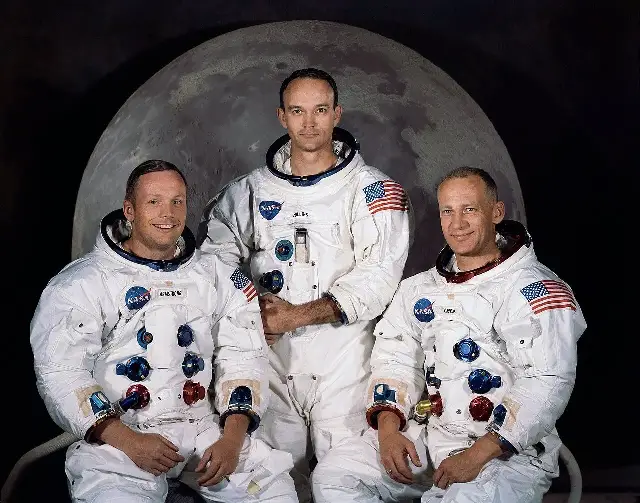
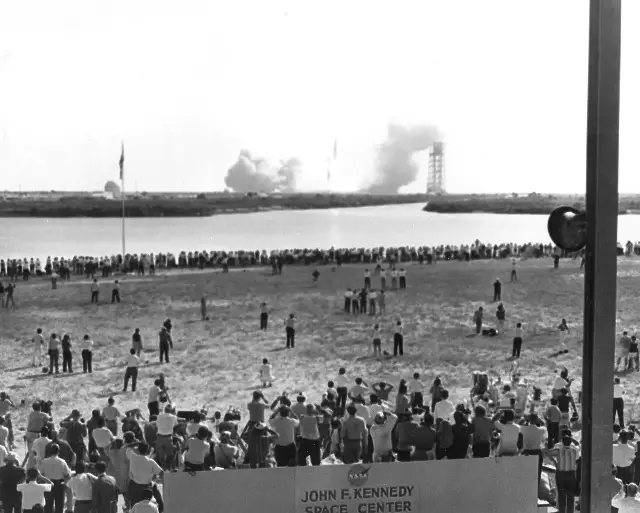
On July 16, 1969, a 363-foot Saturn V carried Neil Armstrong, Michael Collins, and Buzz Aldrin off Launch Complex 39A, beginning the first mission to land humans on the Moon.
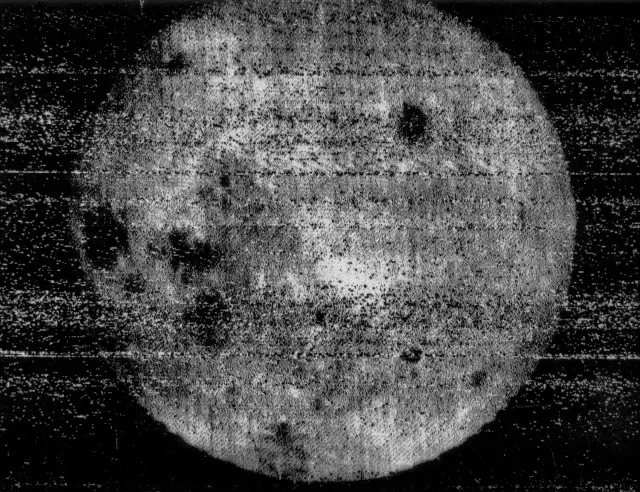
On October 7, 1959, the Soviet Luna 3 probe swung behind the Moon and photographed its far side — the first time any human had ever seen it.