The First Woman to Earn a Medical Degree
On January 23, 1849, Elizabeth Blackwell graduated first in her class from Geneva Medical College, becoming the first woman in the modern world to earn a medical degree.
Imagine applying to twenty-nine medical schools and being rejected by every one, for a single reason: you are a woman. Then imagine the thirtieth school letting its all-male student body vote on your application, the young men treating the whole thing as a joke and voting unanimously to admit you. That is exactly how Elizabeth Blackwell's journey to becoming a doctor began, and on January 23, 1849, it ended with her striding to the front of a Presbyterian church in Geneva, New York, to receive her medical diploma, first in her class.
Blackwell was born in Bristol, England, in 1821, into a progressive family that believed in educating daughters as well as sons. When the family business failed, they emigrated to America, and Elizabeth supported herself as a schoolteacher. According to her own account, the idea of medicine took root when a dying friend told her she might have endured her illness better had she been cared for by a woman physician. In an era when no woman had ever trained as a doctor, the suggestion sounded absurd to almost everyone she told.
She studied medicine privately in the libraries of sympathetic physicians, then began her long campaign of applications. School after school turned her down. Finally, tiny Geneva Medical College in upstate New York put the question to its 150 male students, with the condition that a single objection would keep her out. The students, reportedly convinced the application was a prank by a rival school, voted yes to a man.
What followed was two years of isolation and hostility. Townspeople stared; some professors and fellow students made their disapproval plain. Blackwell answered with relentless seriousness, attending every lecture, dissecting alongside the men, and quietly outscoring nearly all of them. Her graduation thesis, on typhus, was judged excellent. When the dean handed her the diploma that January day, the local press reported the ceremony warmly, and the story was carried in newspapers across the country, even inspiring a humorous poem in the London magazine Punch.
The degree did not end the prejudice. Patients were slow to trust a woman doctor, and hospitals would not hire her. So in 1853 Blackwell opened her own small clinic for poor women in New York City. Her younger sister Emily and a colleague, Marie Zakrzewska, both earned medical degrees at her urging and joined her. The clinic grew into the New York Infirmary for Women and Children in 1857, and in 1868 Blackwell founded the Woman's Medical College alongside it, creating the first institution dedicated to training women doctors. After returning to England in 1869, she helped found that country's first medical school for women and became the first woman entered on the British Medical Register.
Why does it matter? One diploma, earned against the unanimous opinion of her age, pried open a door that had been shut for centuries. Within three years of Blackwell's graduation, twenty more women had earned American medical degrees. Today, women make up a large share of medical students and physicians in many countries, and every one of them walks a path that began on a winter day in 1849, when a young woman in Geneva, New York, proved that brilliance in medicine has nothing to do with gender.
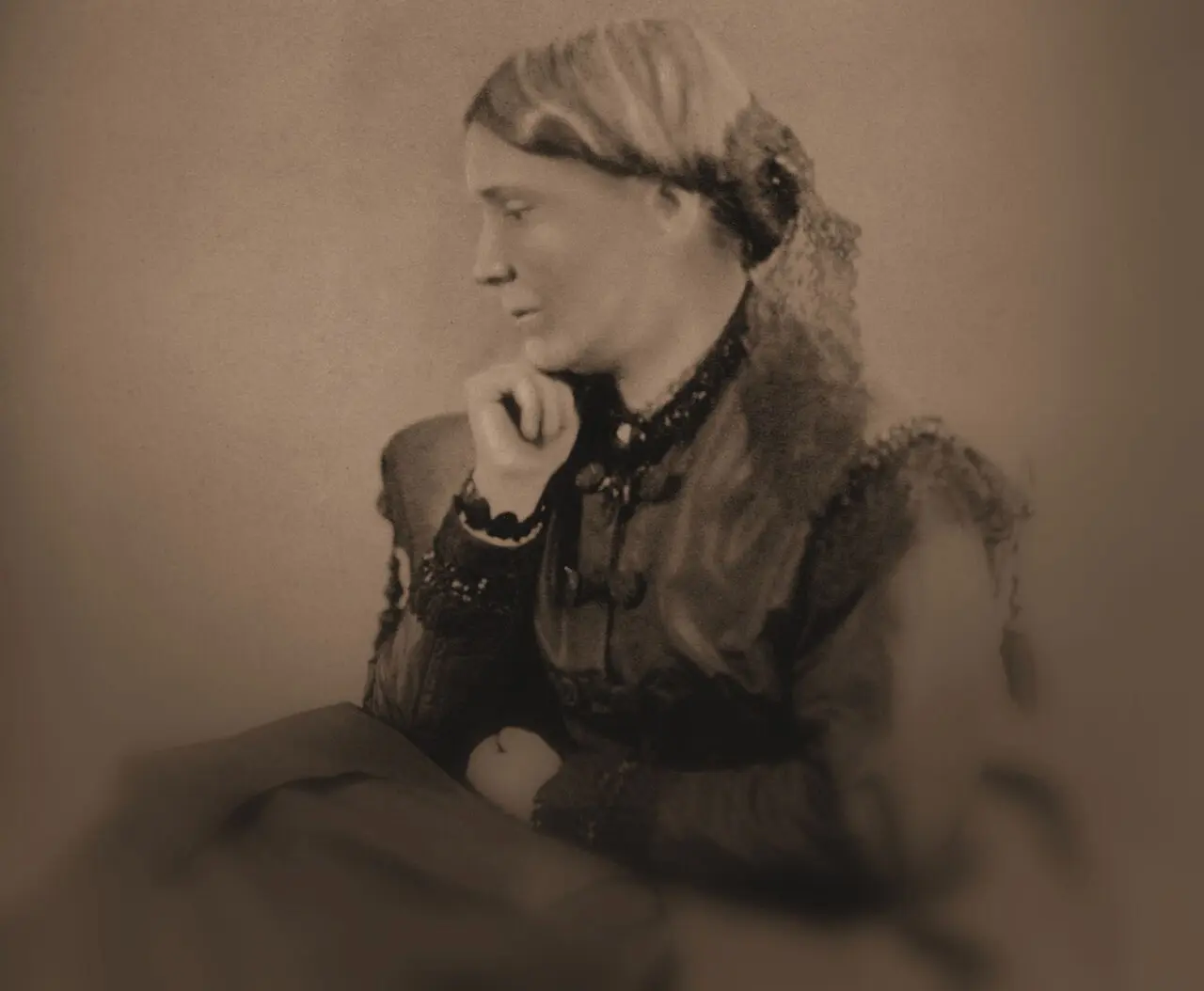
Photo: Ernest Edwards, public domain (via Wikimedia Commons). A portrait photograph of Elizabeth Blackwell from around 1860, about a decade after her graduation.