The Night One Man Named the Killer: Koch and the TB Bacillus
On March 24, 1882, Robert Koch showed a Berlin audience the bacillus that causes tuberculosis — the night the germ theory of disease triumphed.
In the 1800s, tuberculosis was killing one out of every seven people in Europe and America — and nobody knew what caused it. Some doctors blamed bad air, others bad bloodlines. On the evening of March 24, 1882, a 38-year-old country doctor stood up in a small Berlin lecture hall and ended the argument forever.
Robert Koch hadn't set out to be famous. A district physician with a restless, methodical mind, he had already proven that a specific bacterium caused anthrax in cattle. Turning to tuberculosis — "consumption," the "white plague" that wasted its victims away — he was convinced the disease was infectious, not inherited as most physicians believed. For months he stained tissue samples with methylene blue, grew the slow organism in pure culture, and infected healthy animals to prove the chain of cause and effect.
That March evening, before the Berlin Physiological Society, Koch laid out his evidence with painstaking thoroughness: more than 200 microscopic preparations, passed hand to hand around the room, showing the slender blue-stained rods — Mycobacterium tuberculosis — present in every case of the disease. He had found it in diseased tissue, grown it outside the body, and reproduced the illness in animals with a pure culture. It was the birth of the rules we now call Koch's postulates, the gold standard for proving that a microbe causes a disease.
The room's reaction was split. The great pathologist Rudolf Virchow, wedded to his theory that all disease came from faulty cells, stayed skeptical. But a young physician in the audience — Paul Ehrlich, himself a tuberculosis survivor and a former assistant to Koch — never forgot it. He would later call that evening the single greatest scientific experience of his life.
Koch published his paper, "The Etiology of Tuberculosis," three weeks later, on April 10. The hunt for a cure began — and stumbled: in 1890 Koch announced "tuberculin" as a treatment, raising hopes worldwide, only for it to fail as a therapy (it survives today as a diagnostic test). Real cures would wait decades for antibiotics. But the target was now visible. In 1905 Koch received the Nobel Prize in Physiology or Medicine for his tuberculosis work; he died in 1910.
March 24 is now observed around the world as World TB Day, and Koch's postulates still underpin infectious-disease science — from cholera, which Koch also tracked down, to the newest emerging viruses. Before that evening in Berlin, humanity fought tuberculosis blind. After it, we fought it with a name, a shape under the microscope, and a method. That is what the germ theory of disease looks like at the moment of its triumph.
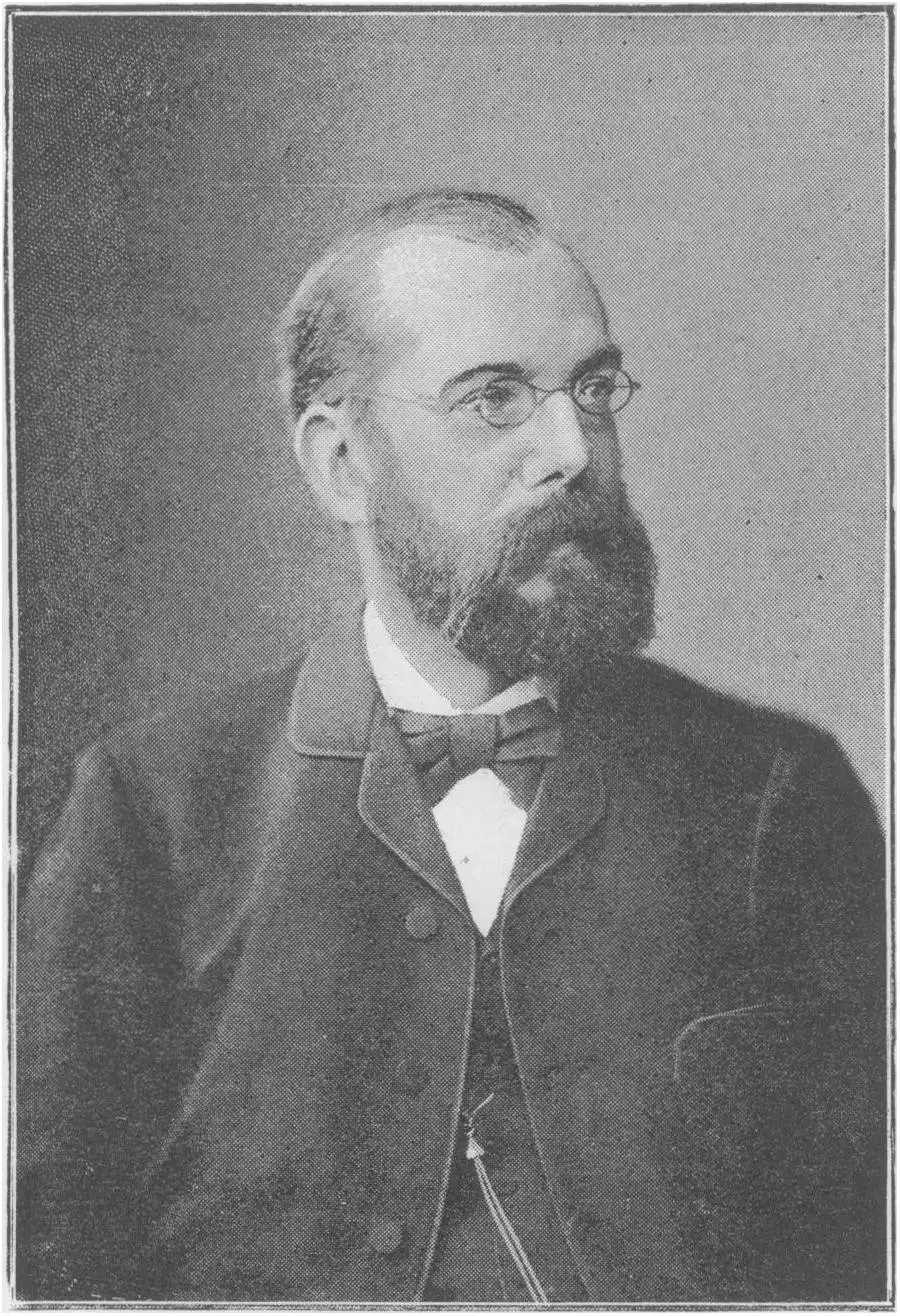
Photo: Unknown photographer, published in the British Medical Journal, 16 August 1890, public domain, via Wikimedia Commons.