The Fist-Sized Diamond Found With a Penknife
On January 26, 1905, a mine manager in South Africa dug the largest gem-quality diamond ever found out of a mine wall with his penknife — the 3,106-carat Cullinan.
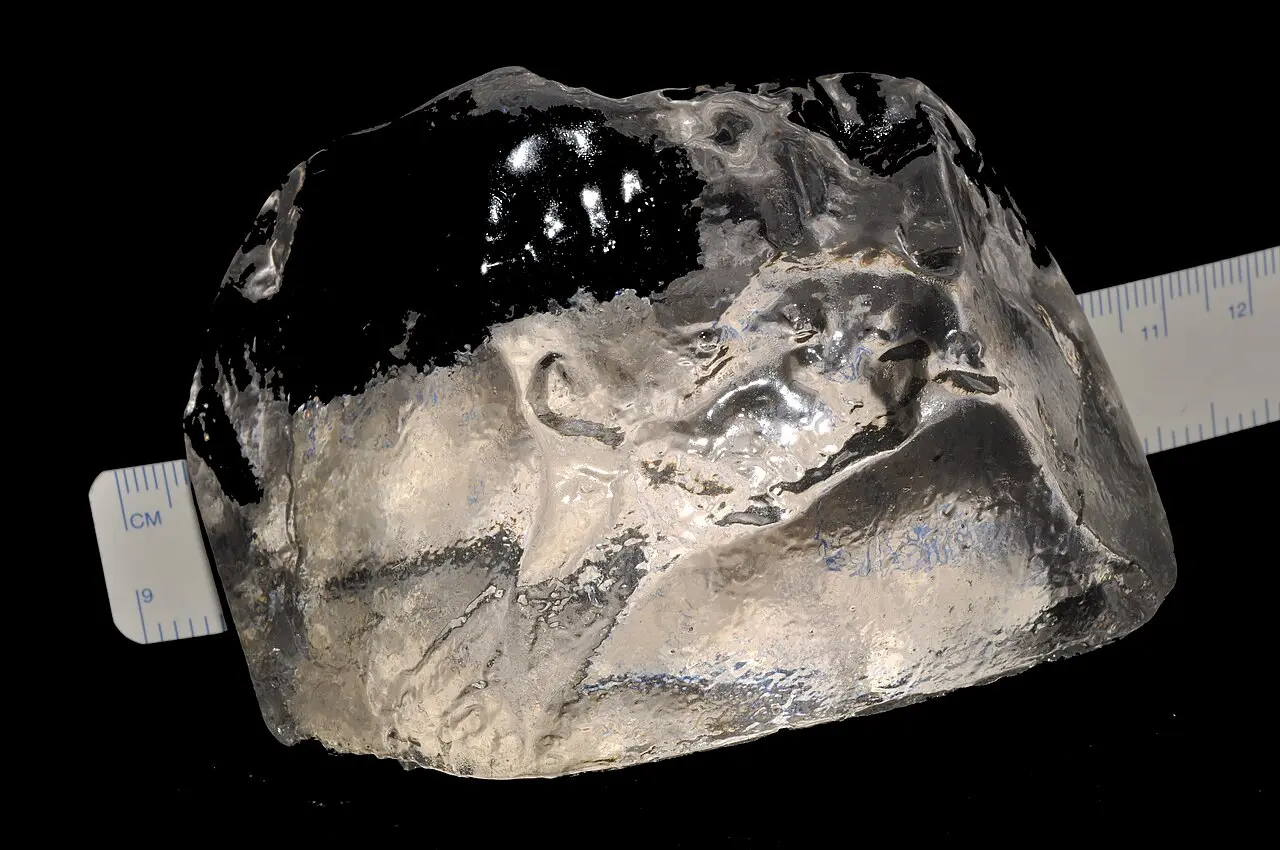
On the afternoon of January 26, 1905, Frederick Wells was making his rounds at the Premier No.2 mine near Pretoria, South Africa, when something in the mine wall caught the light. Wells, the mine's manager, climbed up for a closer look — and realized he was staring at an enormous crystal glinting in the rock, about eighteen feet below the surface.
He did what any practical man would do: he pulled out his penknife and dug it out.
What Wells pried from the wall was the Cullinan diamond, the largest gem-quality rough diamond ever discovered. It weighed an astonishing 3,106 carats — about 621 grams, nearly a pound and a half — roughly the size and weight of a large man's fist. More than a century later, no larger gem-quality diamond has ever been found.
The stone was named for Sir Thomas Cullinan, the mine's owner. It went on display at the Standard Bank in Johannesburg, where an estimated 8,000 to 9,000 people filed past to gawk at it. In April 1905 it was sent to London for sale — and then sat unsold for two years. It was simply too big and too valuable for any buyer.
Getting it to London was an adventure in itself. To foil thieves, detectives were posted aboard a steamboat supposedly carrying the diamond, and a parcel was ceremoniously locked in the captain's safe under guard. It was all a diversion. The stone in the safe was a fake; the real Cullinan traveled to England by ordinary registered post in a plain box.
In 1907, the government of the Transvaal Colony bought the diamond for £150,000, and Prime Minister Louis Botha presented it to King Edward VII as a birthday gift. The king entrusted the terrifying task of cutting it to Joseph Asscher & Co. of Amsterdam, whose craftsmen divided the giant into 105 polished stones.
The two greatest became legends in their own right. Cullinan I, the 530.4-carat Great Star of Africa — the largest clear cut diamond in the world — was set into the head of the Sovereign's Sceptre. Cullinan II, the 317.4-carat Second Star of Africa, went into the Imperial State Crown. Both remain part of the British Crown Jewels.
And Frederick Wells? He received a bonus of £3,500 for the find of the century — dug out of a mine wall with nothing but a penknife.
Photo: a full-size resin reproduction of the rough Cullinan diamond, shown with a ruler for scale; Parent Géry, public domain (via Wikimedia Commons). The original stone was cut into gems now held in the British Crown Jewels.