The Day Krakatoa Blew Itself Apart
On August 26, 1883, the Indonesian island of Krakatoa began a cataclysmic eruption that would be heard 3,000 miles away and dim skies around the world.


On August 26, 1883, the Indonesian island of Krakatoa began a cataclysmic eruption that would be heard 3,000 miles away and dim skies around the world.
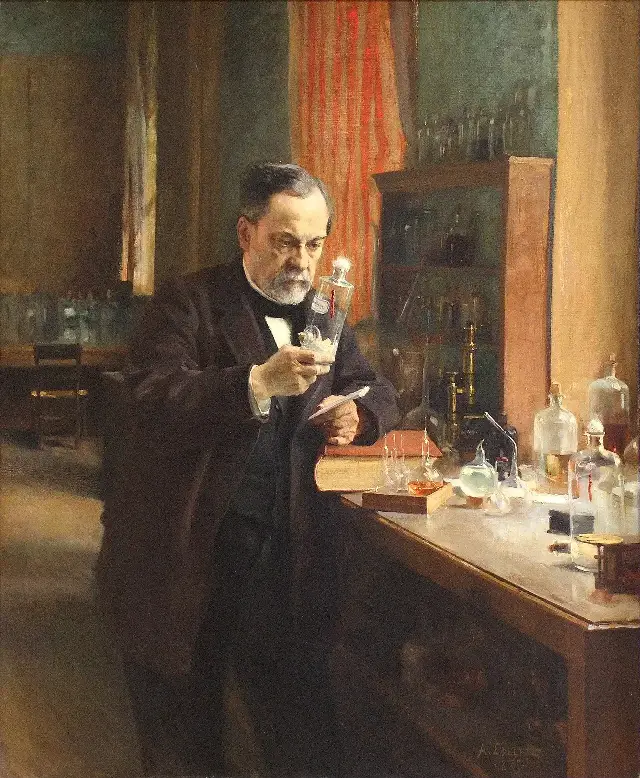
On July 6, 1885, Louis Pasteur gave a dying 9-year-old the first rabies vaccine ever tried on a human — and began the modern era of immunization.
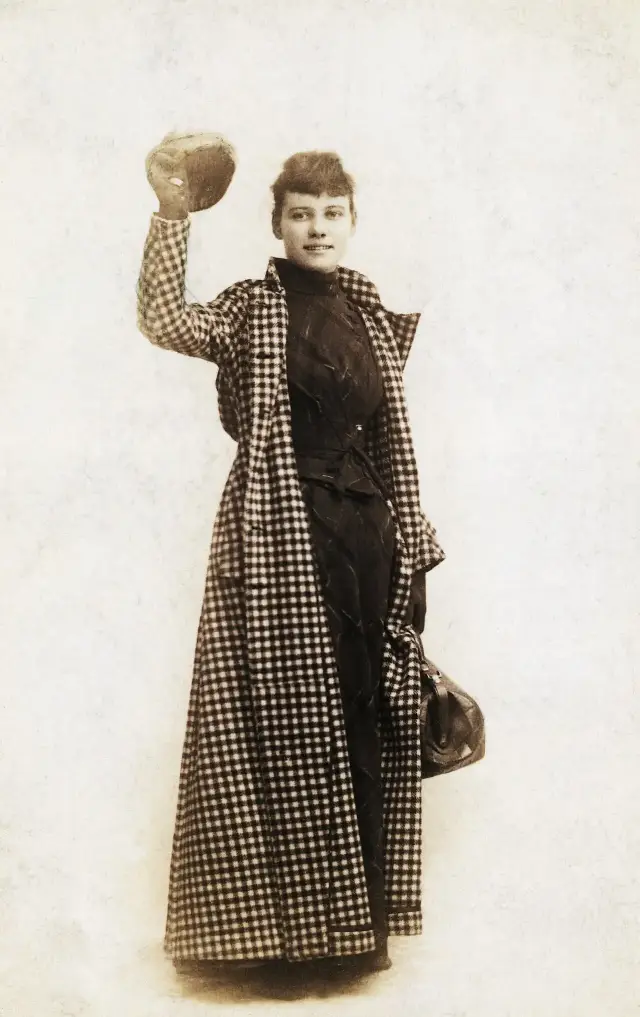
On November 14, 1889, reporter Nellie Bly boarded a steamer in New York determined to circle the globe faster than Jules Verne's fictional Phileas Fogg.
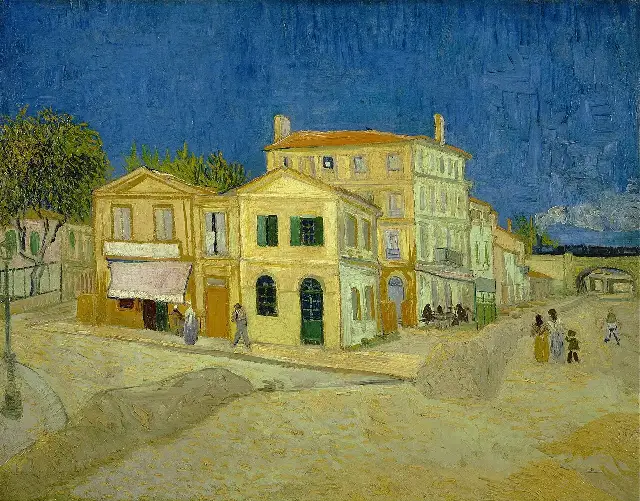
On the night of December 23, 1888, Vincent van Gogh cut off part of his left ear in Arles, ending his turbulent nine weeks living and working with Paul Gauguin.
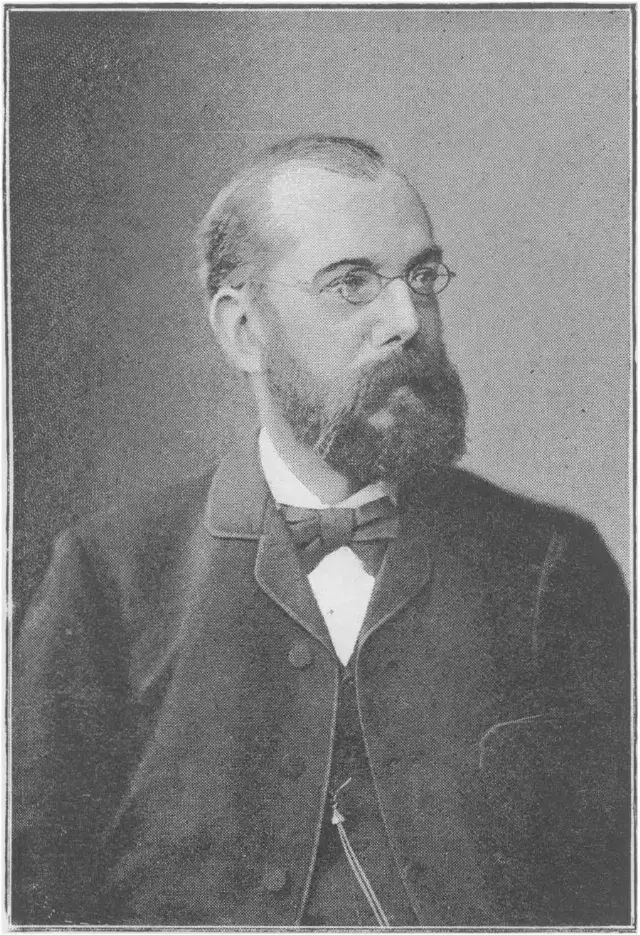
On March 24, 1882, Robert Koch showed a Berlin audience the bacillus that causes tuberculosis — the night the germ theory of disease triumphed.
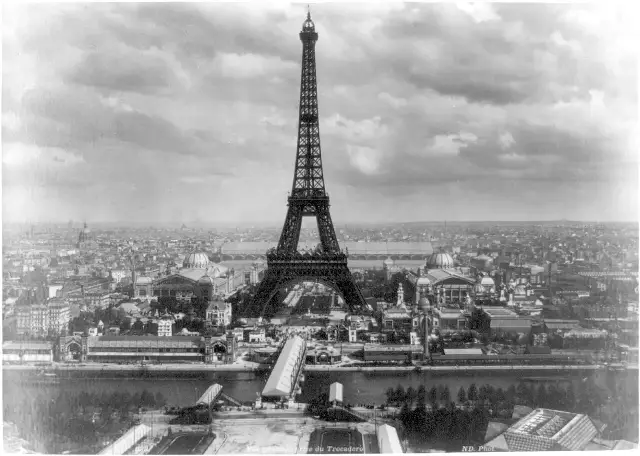
On May 6, 1889, the Eiffel Tower opened to the public at the Paris World's Fair — a 300-meter iron giant its critics had called a monstrous eyesore.
On the night of July 14, 1881, Sheriff Pat Garrett tracked the 21-year-old outlaw Billy the Kid to a darkened bedroom in Fort Sumner, New Mexico.
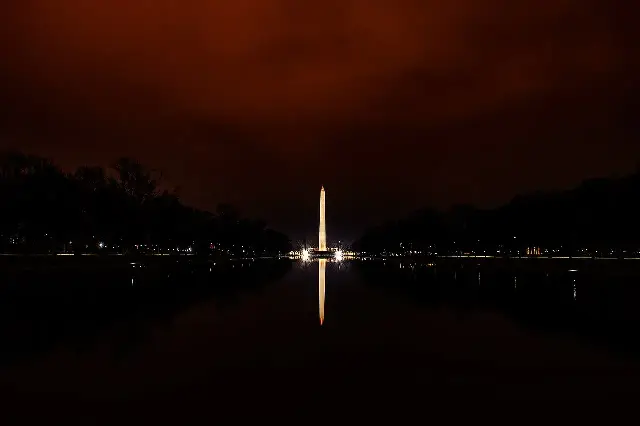
On December 6, 1884, workers set a 100-ounce pyramid of aluminum — then a precious metal — atop the Washington Monument, completing 36 years of work.
On December 4, 1881, the first edition of the Los Angeles Daily Times rolled off the presses in a dusty frontier town — the beginning of one of America's great newspapers.
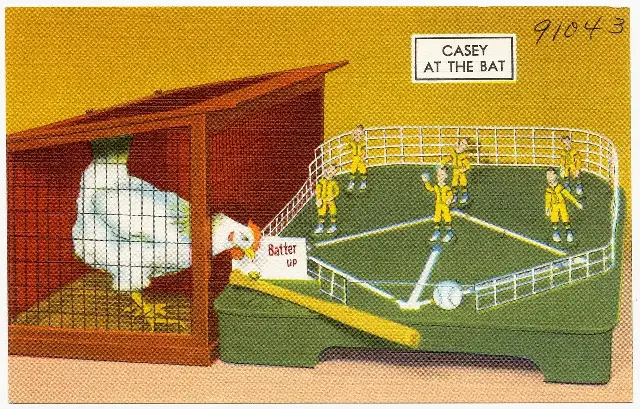
On June 3, 1888, the San Francisco Examiner printed Ernest Thayer's "Casey at the Bat," the most famous baseball poem ever written.
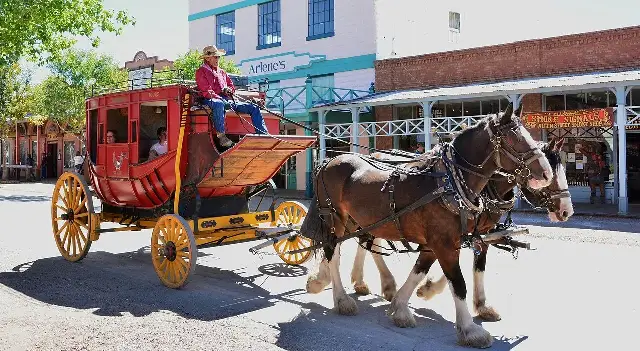
On October 26, 1881, thirty seconds of gunfire in Tombstone, Arizona made the O.K. Corral the most famous shootout in American history.
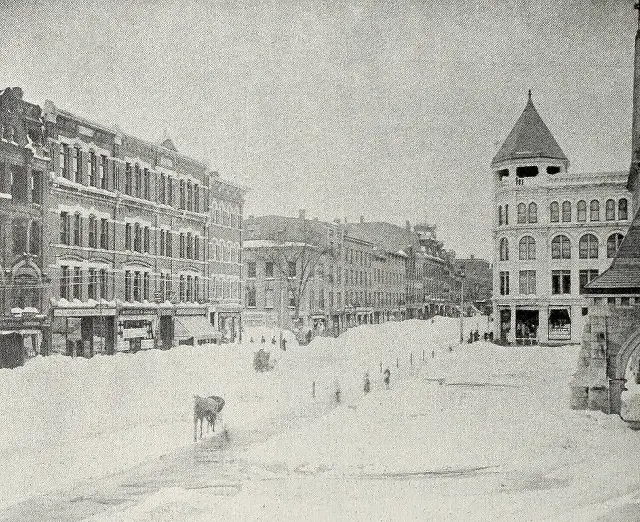
On March 11, 1888, a mild spring day gave way to one of the deadliest blizzards in American history — a storm that buried cities, killed more than 400 people, and forced America to go underground.
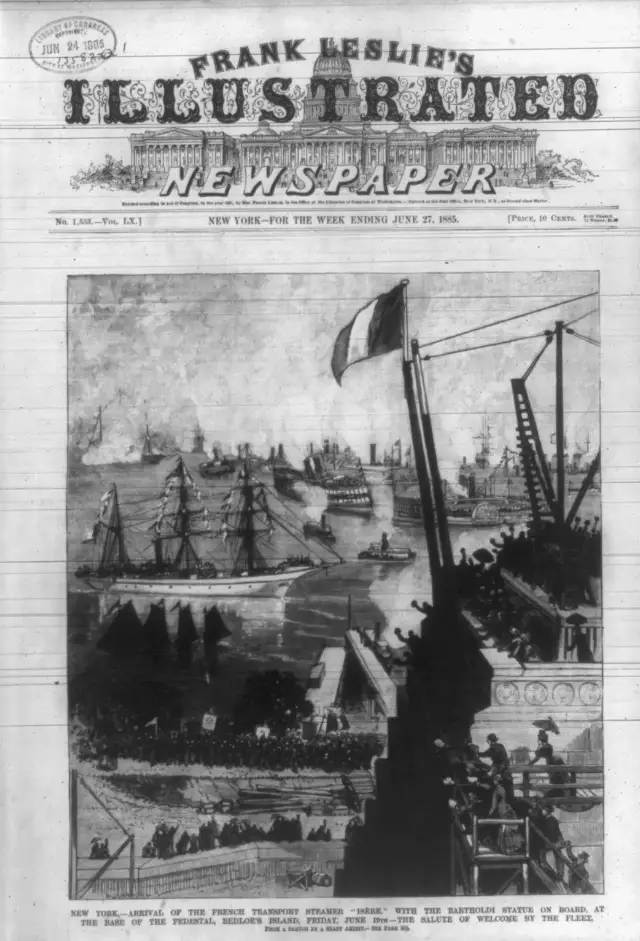
On June 17, 1885, the French ship Isère steamed into New York Harbor carrying the Statue of Liberty in 350 pieces, packed in 214 wooden crates.
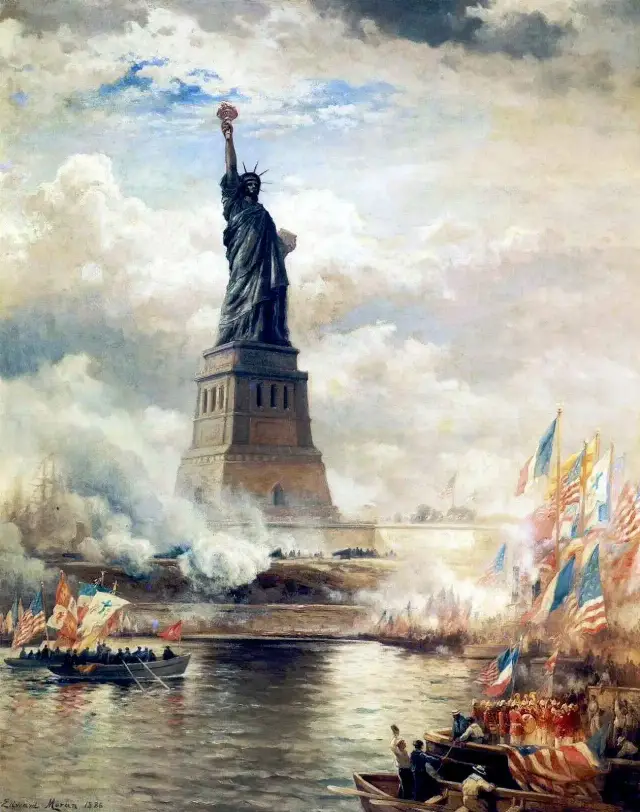
On October 28, 1886, hundreds of thousands braved rain and fog to watch President Grover Cleveland unveil France's giant gift to America.