The Fist-Sized Diamond Found With a Penknife
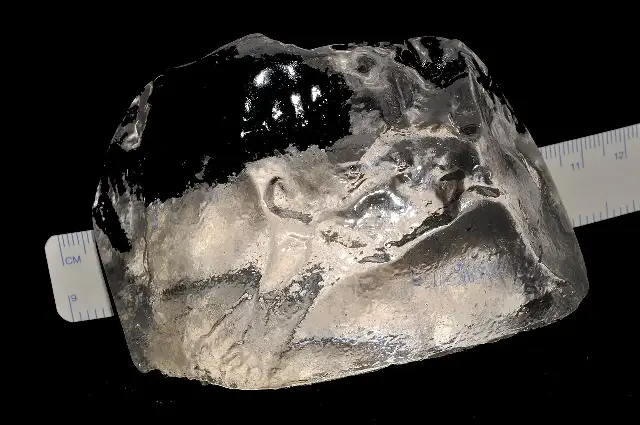
On January 26, 1905, a mine manager in South Africa dug the largest gem-quality diamond ever found out of a mine wall with his penknife — the 3,106-carat Cullinan.


On January 26, 1905, a mine manager in South Africa dug the largest gem-quality diamond ever found out of a mine wall with his penknife — the 3,106-carat Cullinan.
On November 26, 1922, Howard Carter peered by candlelight through a hole in a sealed doorway and whispered the words that made history: 'Wonderful things.'
On July 19, 1799, a French officer named Pierre-François Bouchard found a black stone slab in a crumbling fort wall in Egypt — the Rosetta Stone.
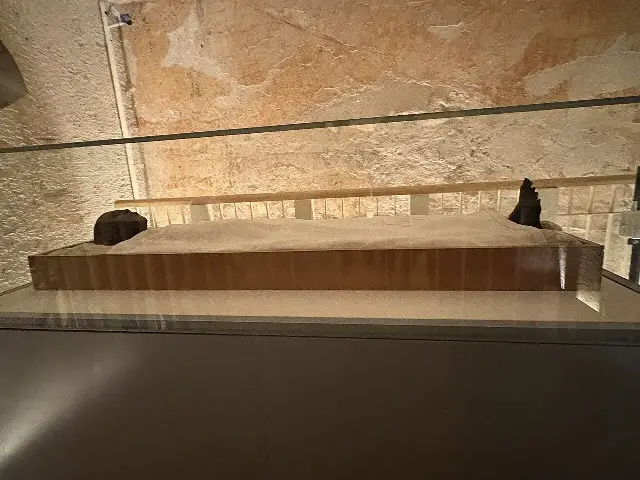
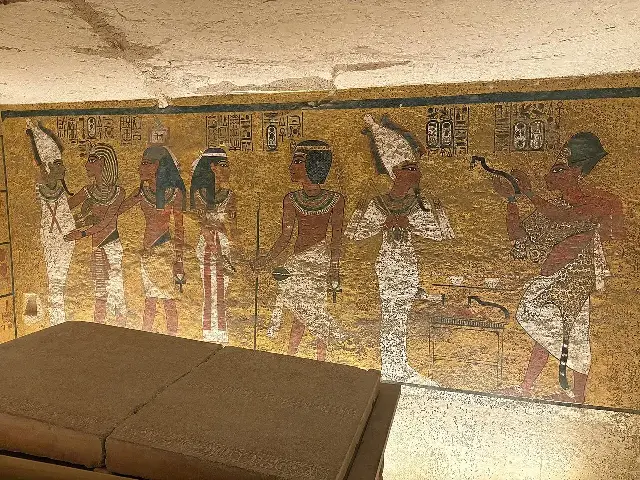
On February 16, 1923, Howard Carter opened the sealed doorway to Tutankhamun's burial chamber, revealing gilded shrines, a stone sarcophagus, and the most complete pharaonic tomb ever found.
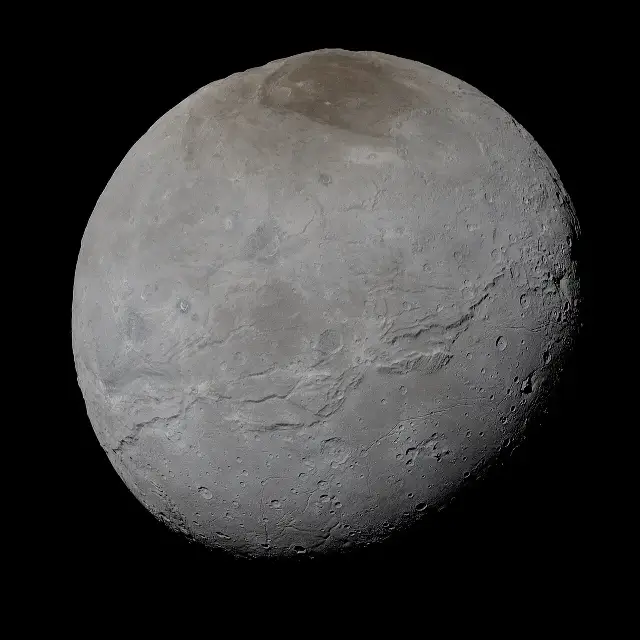
On June 22, 1978, astronomer James Christy spotted a tiny bulge in Pluto's image — a moon he named Charon, for his wife and mythology's ferryman of the dead.
On September 19, 1991, two hikers in the Otztal Alps spotted a body melting out of the ice — a Copper Age man who had lain there for 5,300 years.
On March 13, 1781, amateur astronomer William Herschel spotted an odd greenish disk through his backyard telescope — and doubled the known size of the solar system.
On July 27, 1921, Frederick Banting and Charles Best isolated insulin at the University of Toronto, turning diabetes from a fatal diagnosis into a manageable condition.
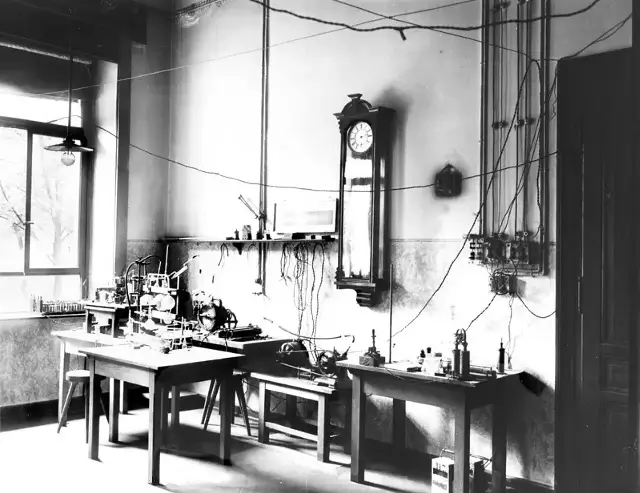
On November 8, 1895, physicist Wilhelm Röntgen noticed a strange glow in his darkened lab — and discovered a ray that could see through human flesh.
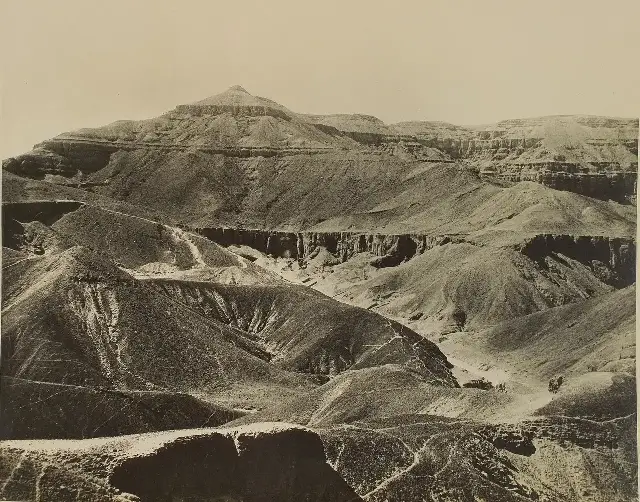
On November 4, 1922, Howard Carter's workmen uncovered a hidden staircase in the Valley of the Kings — the first steps down to the intact tomb of Tutankhamun.
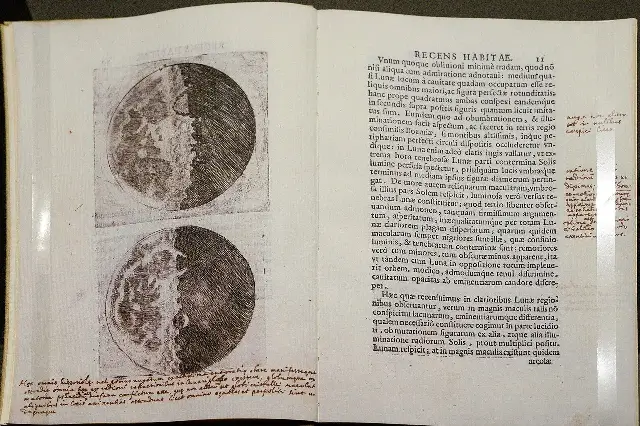
Galileo Galilei was born on February 15, 1564, in Pisa, the curious son of a musician who turned a telescope to the heavens and changed humanity's place in the universe.
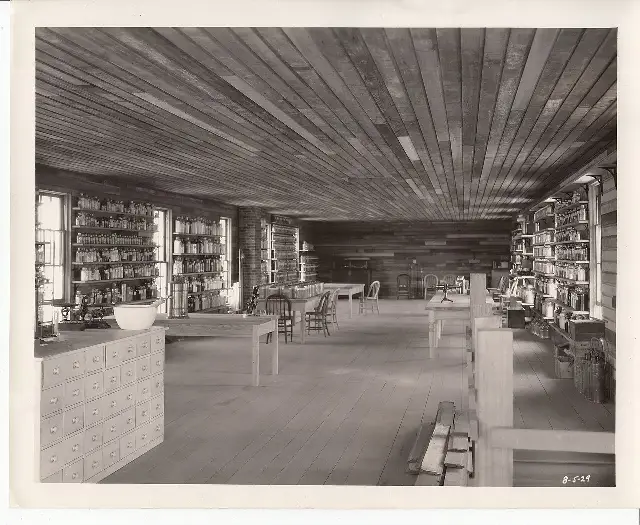
On February 13, 1880, Thomas Edison noticed a strange one-way current inside a light bulb, a curiosity he filed away that later became the foundation of all electronics.
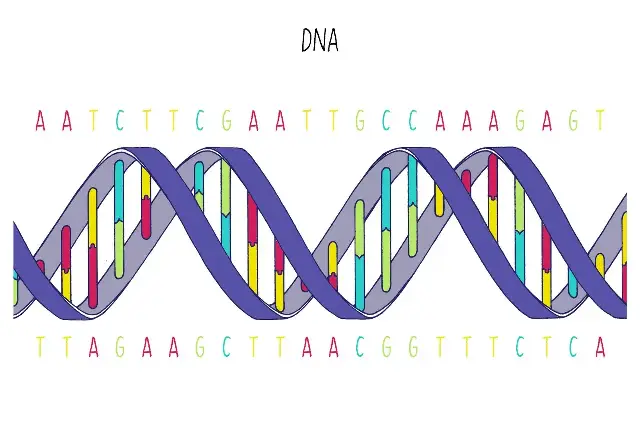
On February 28, 1953, Watson and Crick determined that DNA is a double helix — the breakthrough that launched modern genetics.
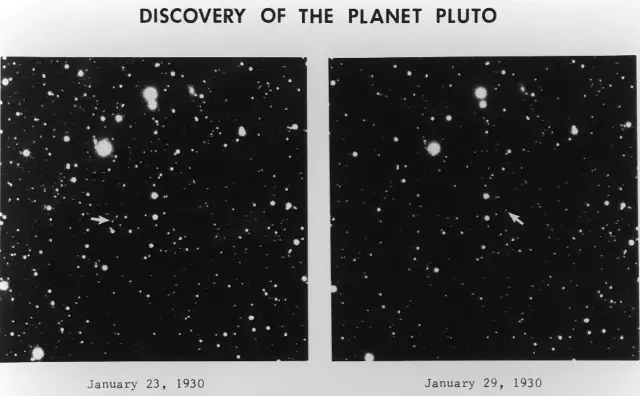
On February 18, 1930, 24-year-old Clyde Tombaugh, a self-taught farm boy from Kansas, spotted Pluto on photographic plates at Lowell Observatory in Arizona.
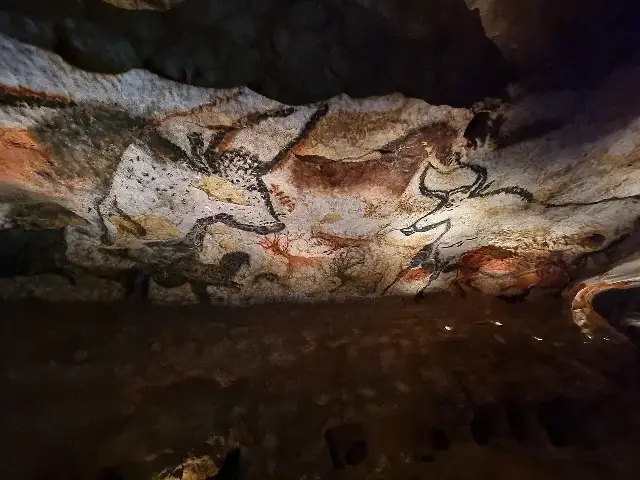
On September 12, 1940, four French teenagers climbed down into a hidden cave near Montignac and found its walls covered with Ice Age paintings — Lascaux.
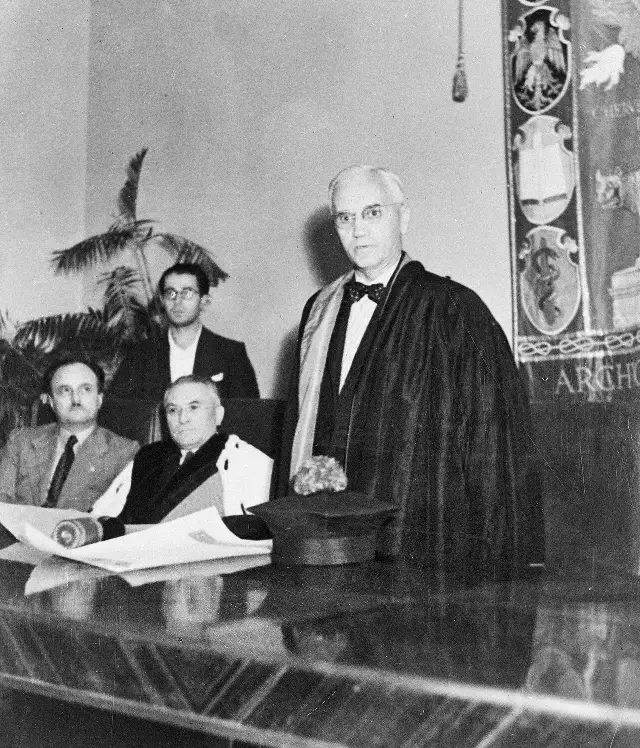
On September 28, 1928, a messy scientist came back from vacation to find a strange mold on a forgotten petri dish — and the age of antibiotics began.