Captured in the Ravine: Che Guevara's Last Day as a Guerrilla
On October 8, 1967, Bolivian soldiers surrounded Che Guevara in a remote ravine and took him prisoner — ending the revolutionary's last campaign.
By the fall of 1967, the most famous revolutionary alive was a hunted man with an army of about twenty, wandering the mountains of southeastern Bolivia, sick with asthma, and writing in his diary that the peasants he had come to liberate would not even talk to him.
Ernesto "Che" Guevara had left Cuba the year before in disguise, determined to do in South America what he had helped do in Cuba: ignite a continent-wide revolution, starting with Bolivia. It went wrong from the start. His guerrilla band started at around fifty men and shrank with every month of hunger, disease, and desertion. The Bolivian peasants, for whom he claimed to be fighting, mostly wanted nothing to do with him — Bolivia had already had its own revolution in 1952, with land reform and nationalized tin mines, and wanted change to come by peaceful means. "Talking to these peasants is like talking to statues," he wrote. "They do not give us any help. Worse still, many of them are turning into informants."
Arrayed against him were the Bolivian Army's Rangers, trained by U.S. advisers, with a CIA operative, Cuban exile Félix Rodríguez, helping direct the hunt. On October 7, a local informant told the special forces where the guerrillas' camp was: a ravine called the Quebrada del Yuro. The next morning, October 8, 180 soldiers encircled the area and closed in.
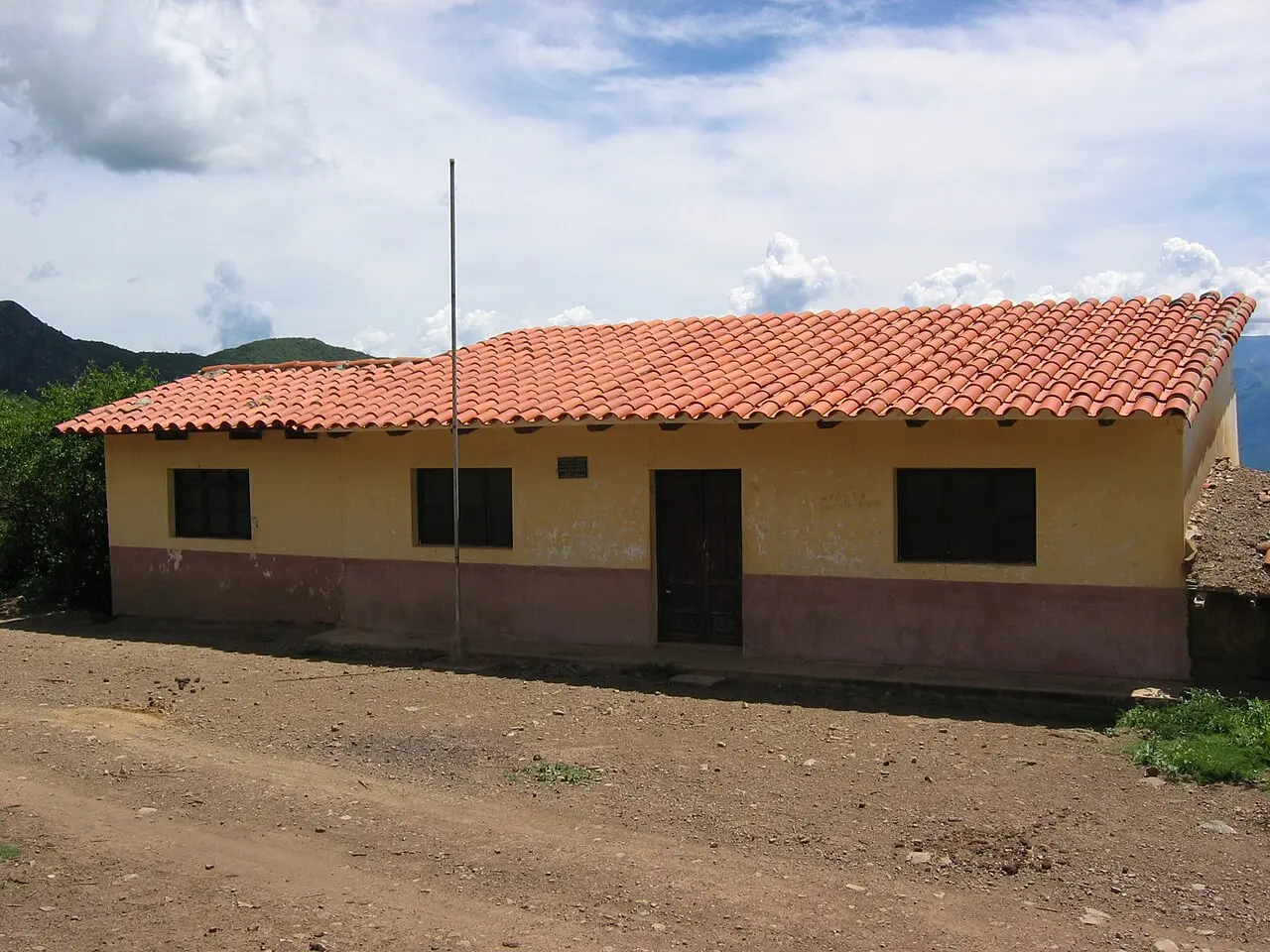
The firefight was brief and hopeless. Guevara, leading a small detachment with Simeón Cuba Sarabia, was wounded in the leg; his rifle was knocked useless. According to one soldier's later account, reported by biographer Jon Lee Anderson, the captured commander shouted, "Do not shoot! I am Che Guevara and worth more to you alive than dead." His men were taken to the village of La Higuera and held, tightly bound, on the mud floor of the village schoolhouse.
The next day, October 9, on orders from La Paz, he was executed. His hands were cut off for fingerprint identification, his body was photographed on a stone slab in Vallegrande, and then he was buried in an unmarked grave. In 1997 his remains were finally recovered and returned to Cuba, where they now rest in a mausoleum in Santa Clara.
The capture in the Yuro ravine ended the "foco" dream — the idea that a small band of guerrillas could spark revolution anywhere. But it made Che immortal in a different way: the photograph Alberto Korda had taken of him in 1960 became one of the most reproduced images in history, and the young commander who died at 39 became a global symbol — of revolution to some, of doomed romanticism to others — far larger than the failed campaign in the Bolivian mountains.
Photo: the village schoolhouse in La Higuera, Bolivia, where Che Guevara was held prisoner after his capture — now a museum about him — photographed by Augusto Starita, CC BY-SA 3.0 (via Wikimedia Commons).